Stato, imprese e società nelle nuove geometrie costituzionali del governo dell’economia
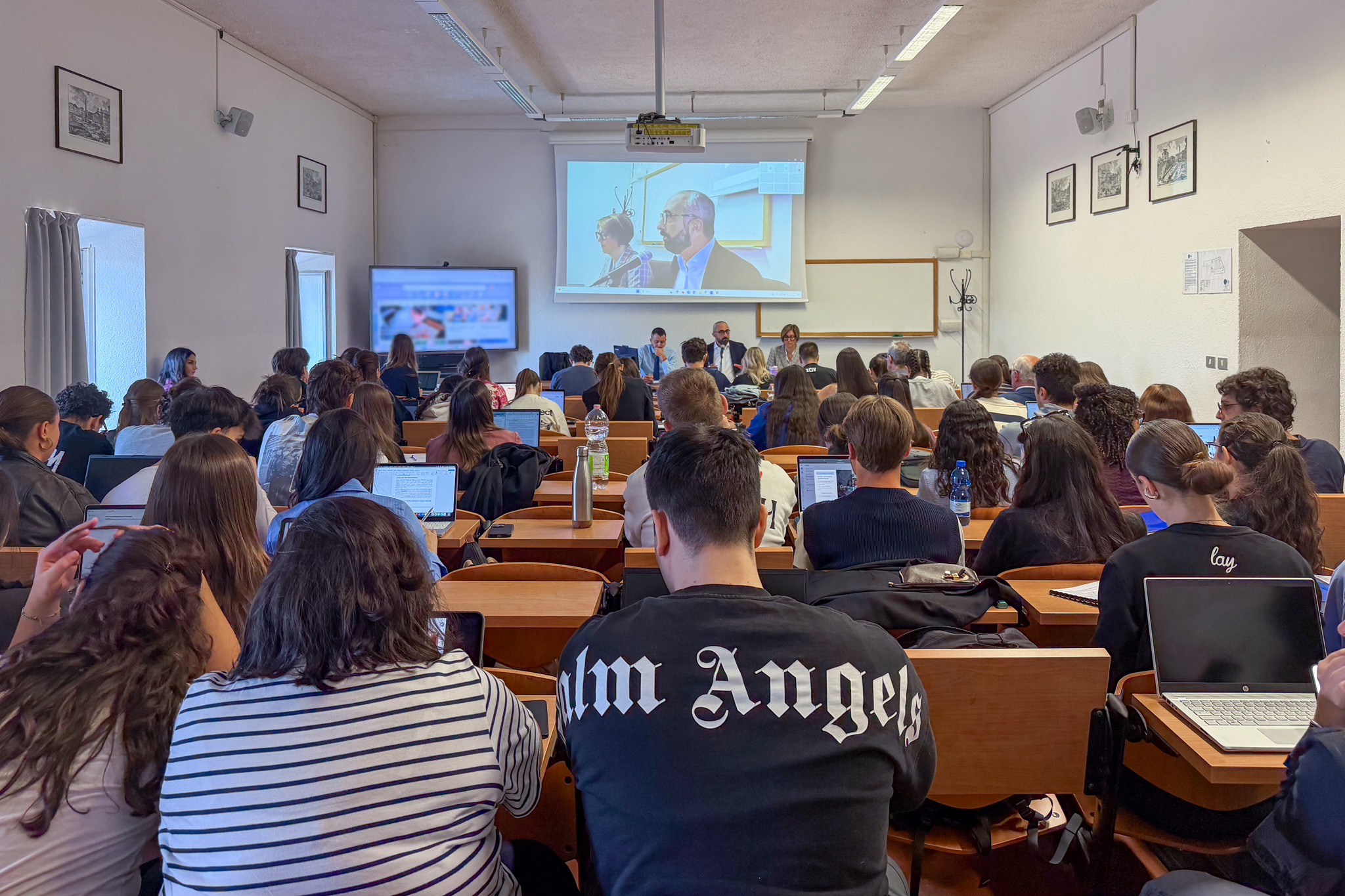
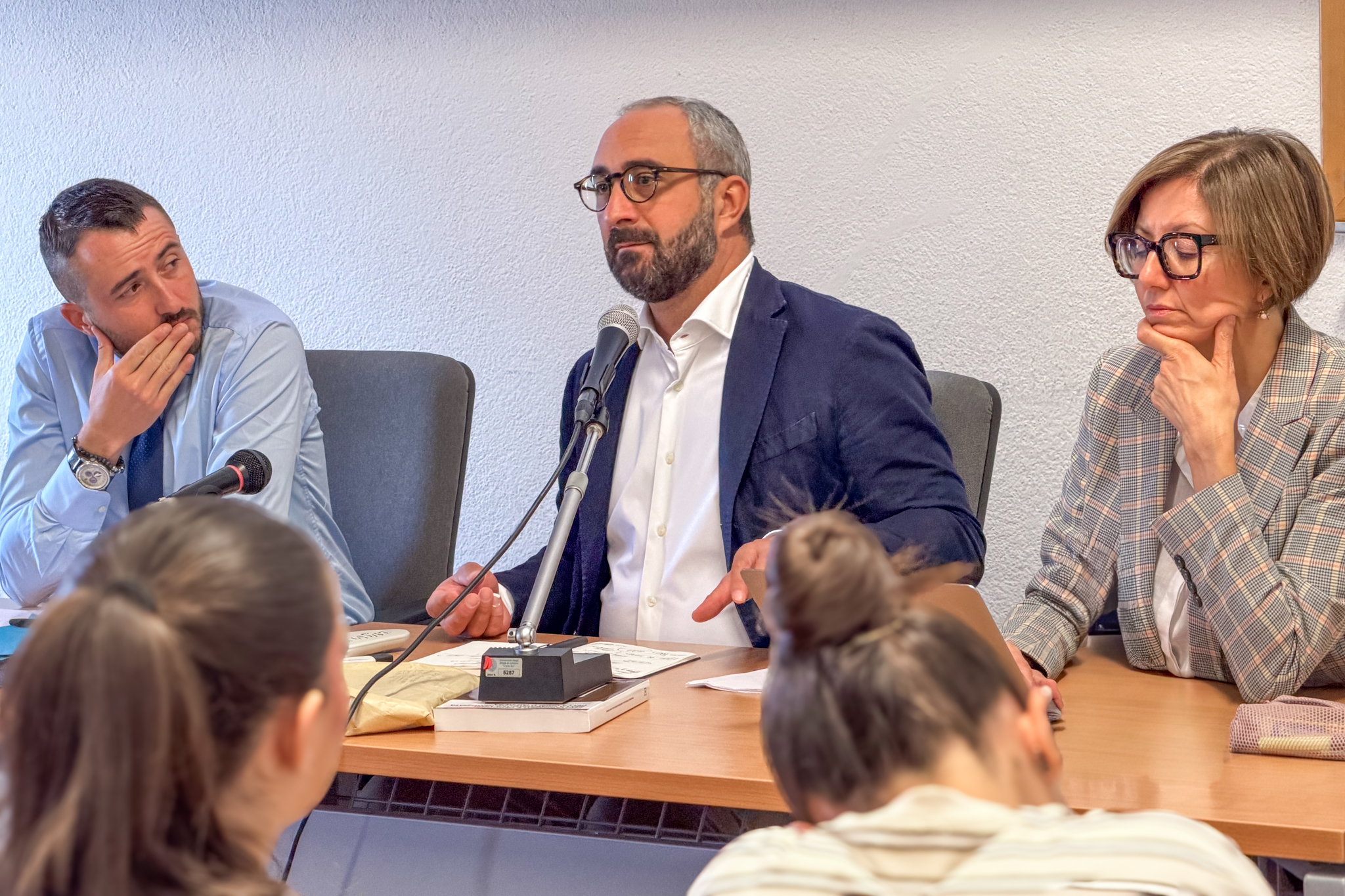
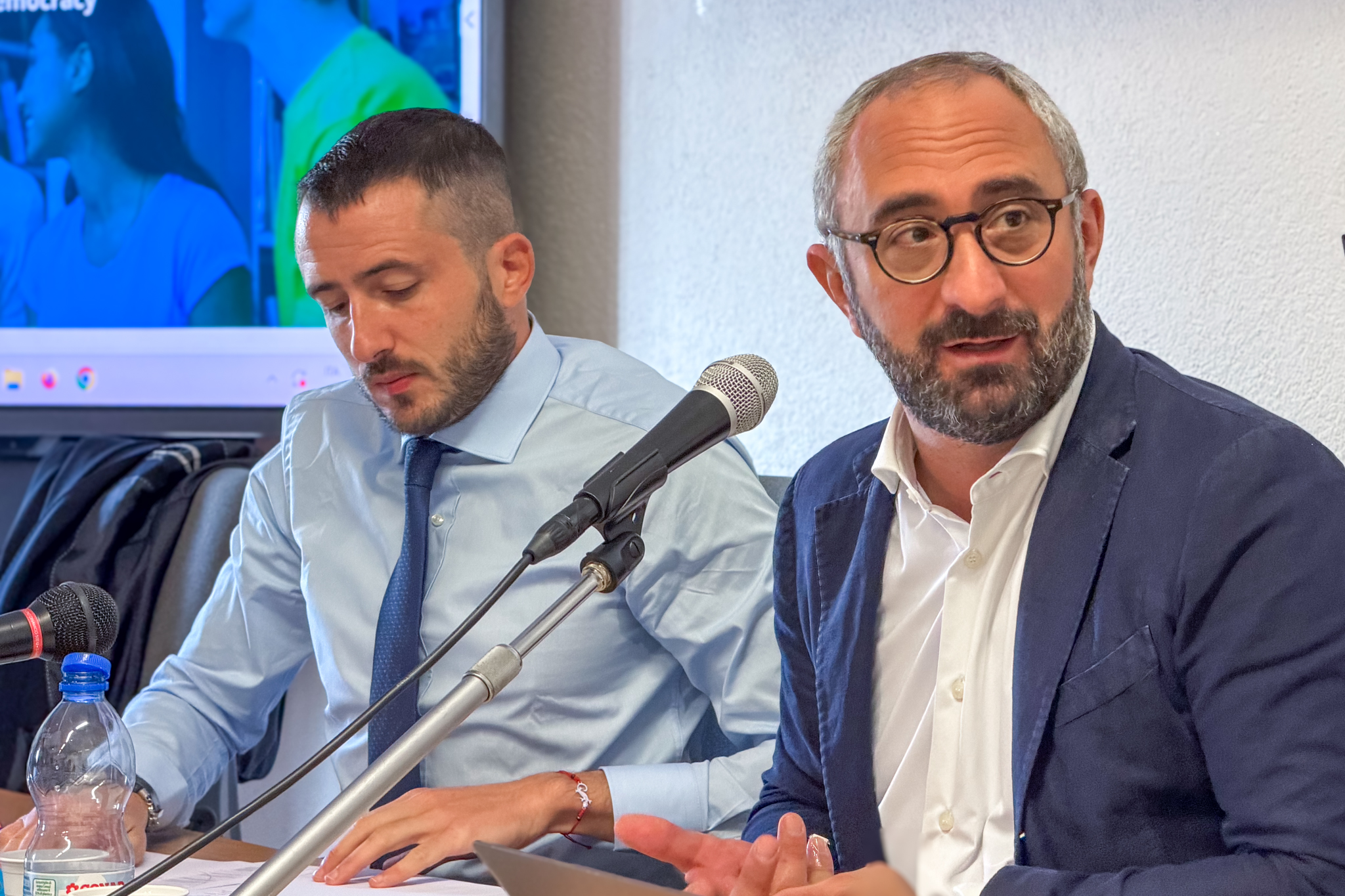
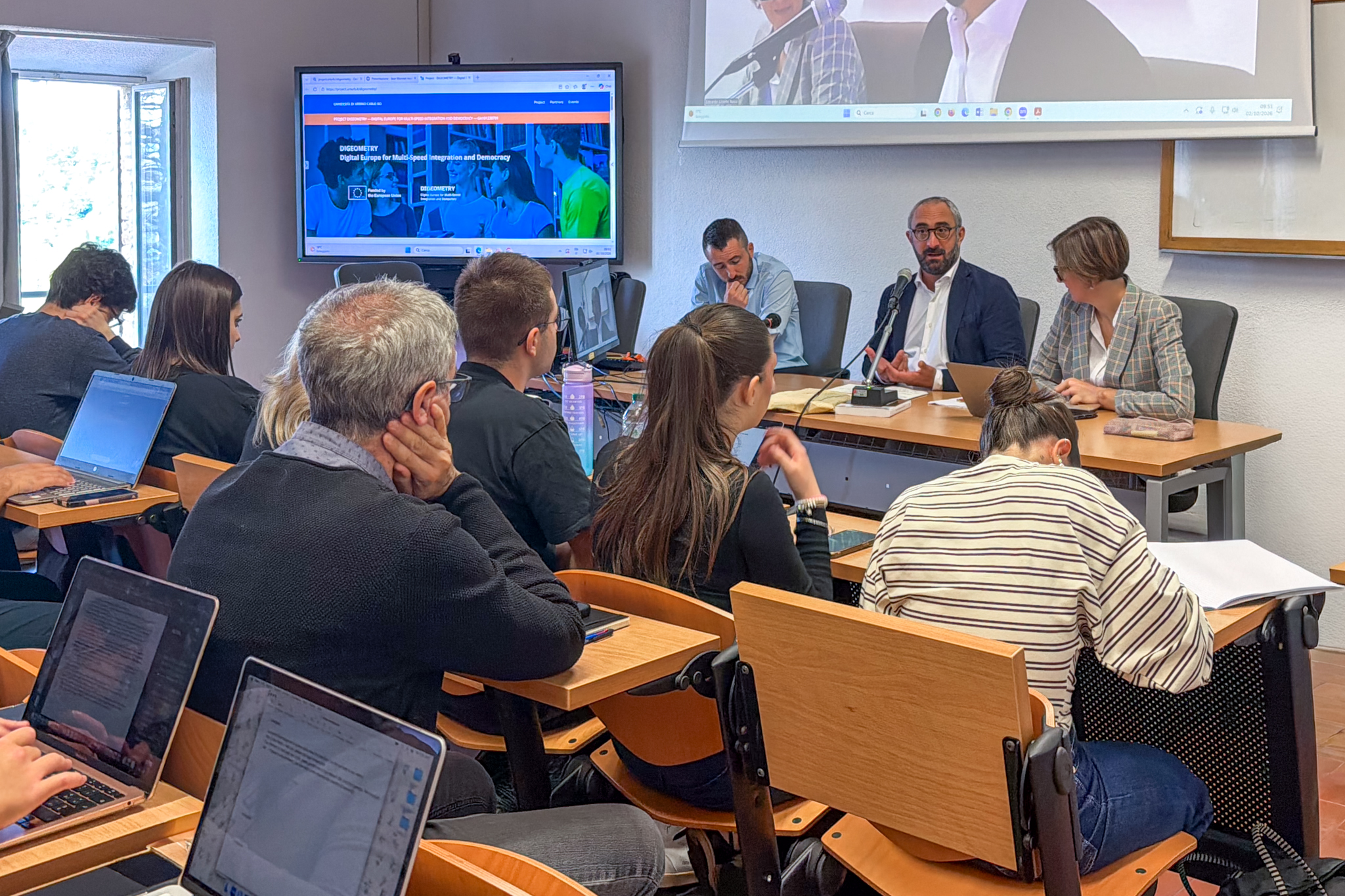
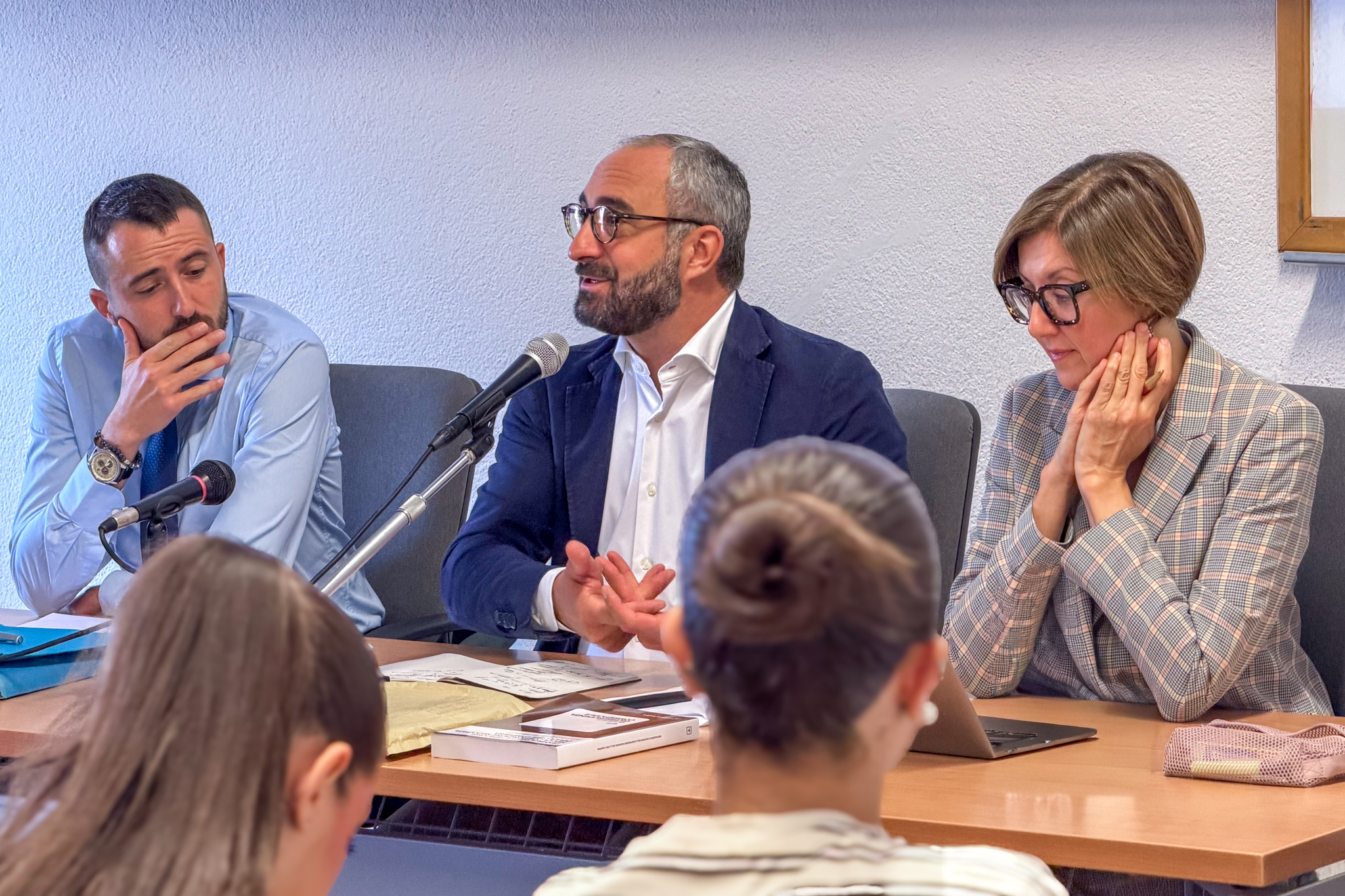
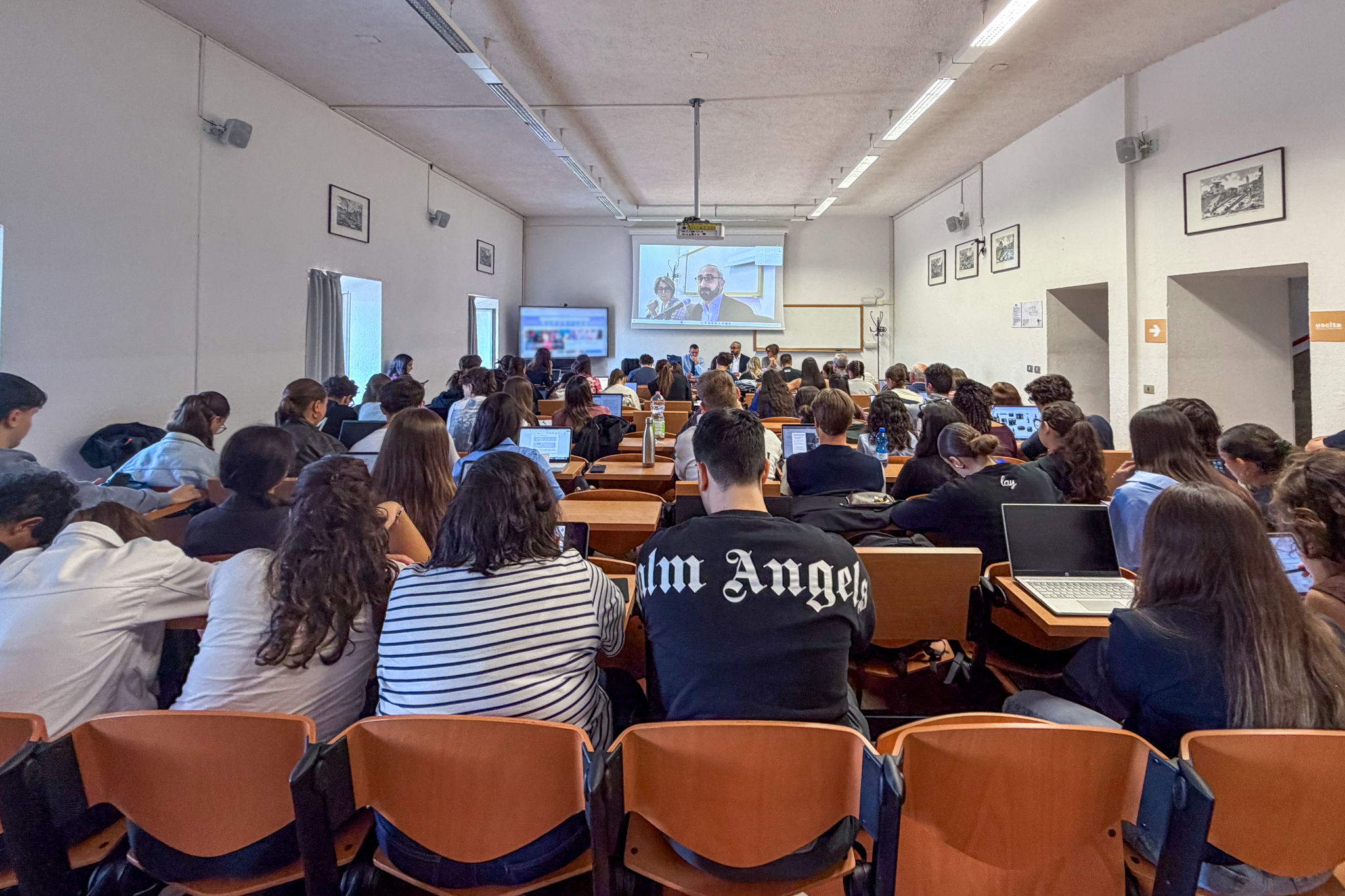
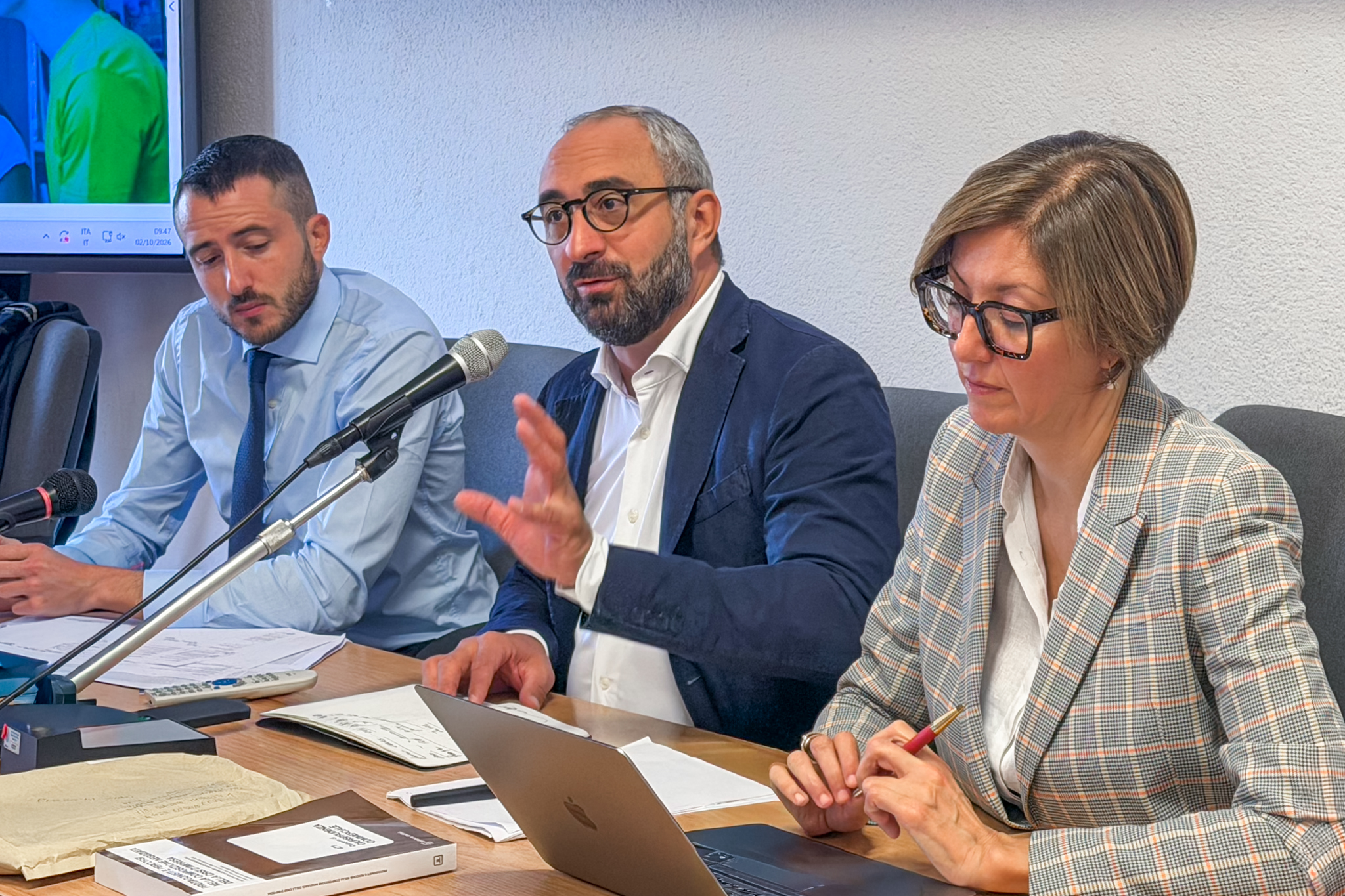
DATE: 2 October 2026 PLACE: Aula 3 Sede Didattica di Giurisprudenza, Via Matteotti, 1 – Urbino and online via Zoom TIME: from 9:00 am to 11.00 am
ABSTRACT The contemporary political, institutional and economic landscape is characterised by two predominant features. On the negative side, it is marked by the blurring of the boundaries and constraints traditionally associated with the classical concept of the state; on the positive side, by the presence of technological progress, the exponential growth of which has become a constant with which states must necessarily engage.
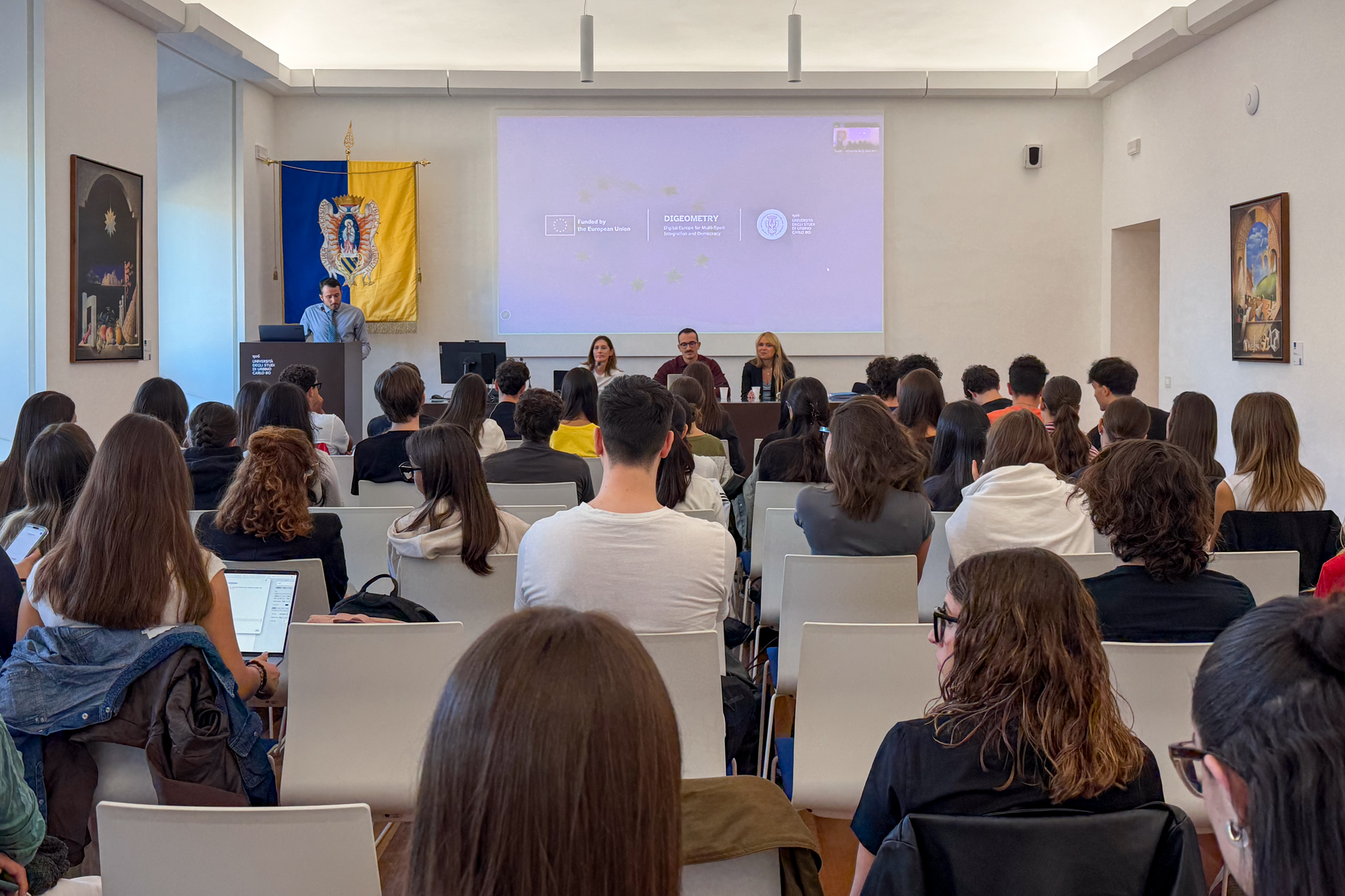
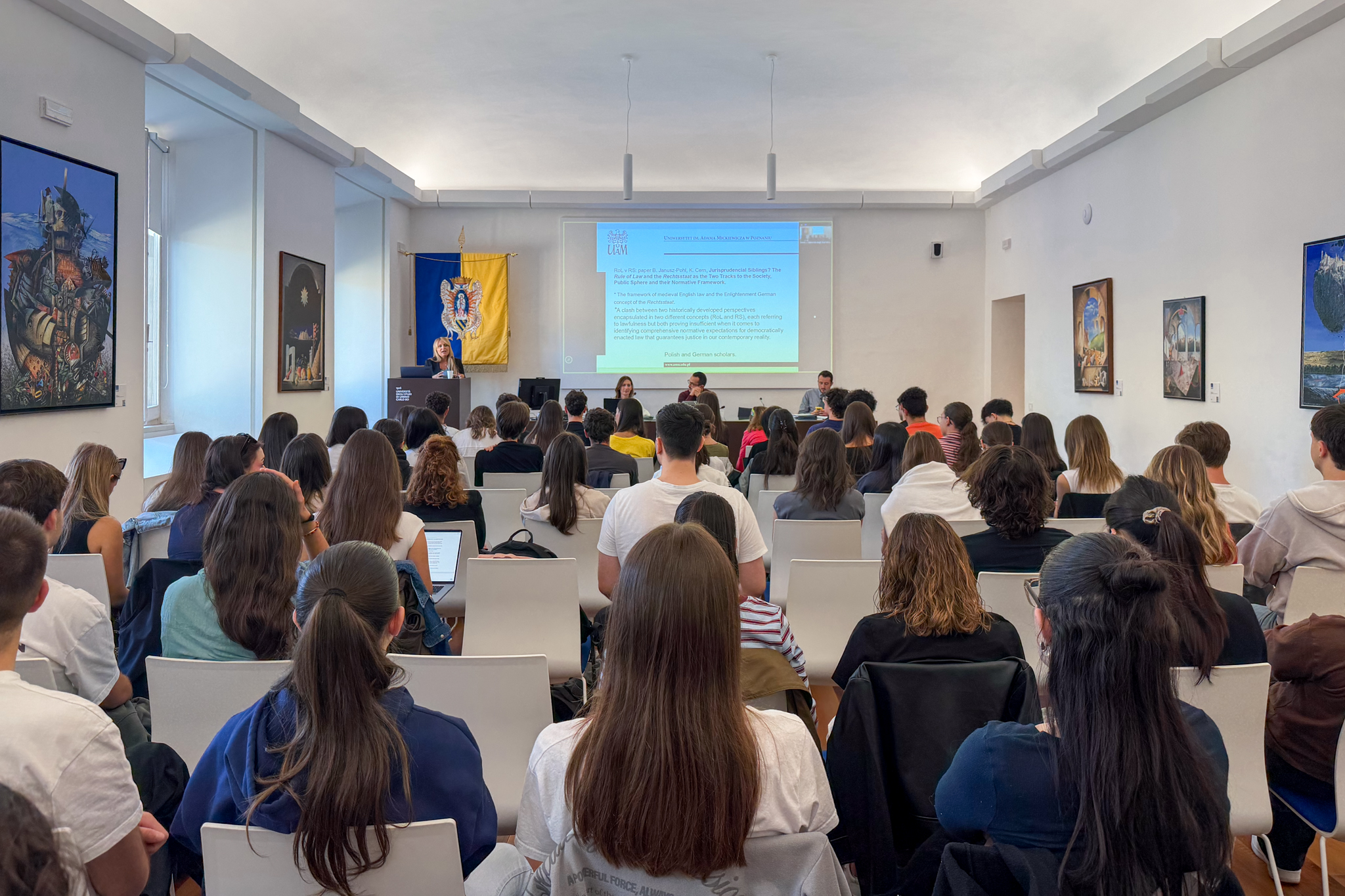
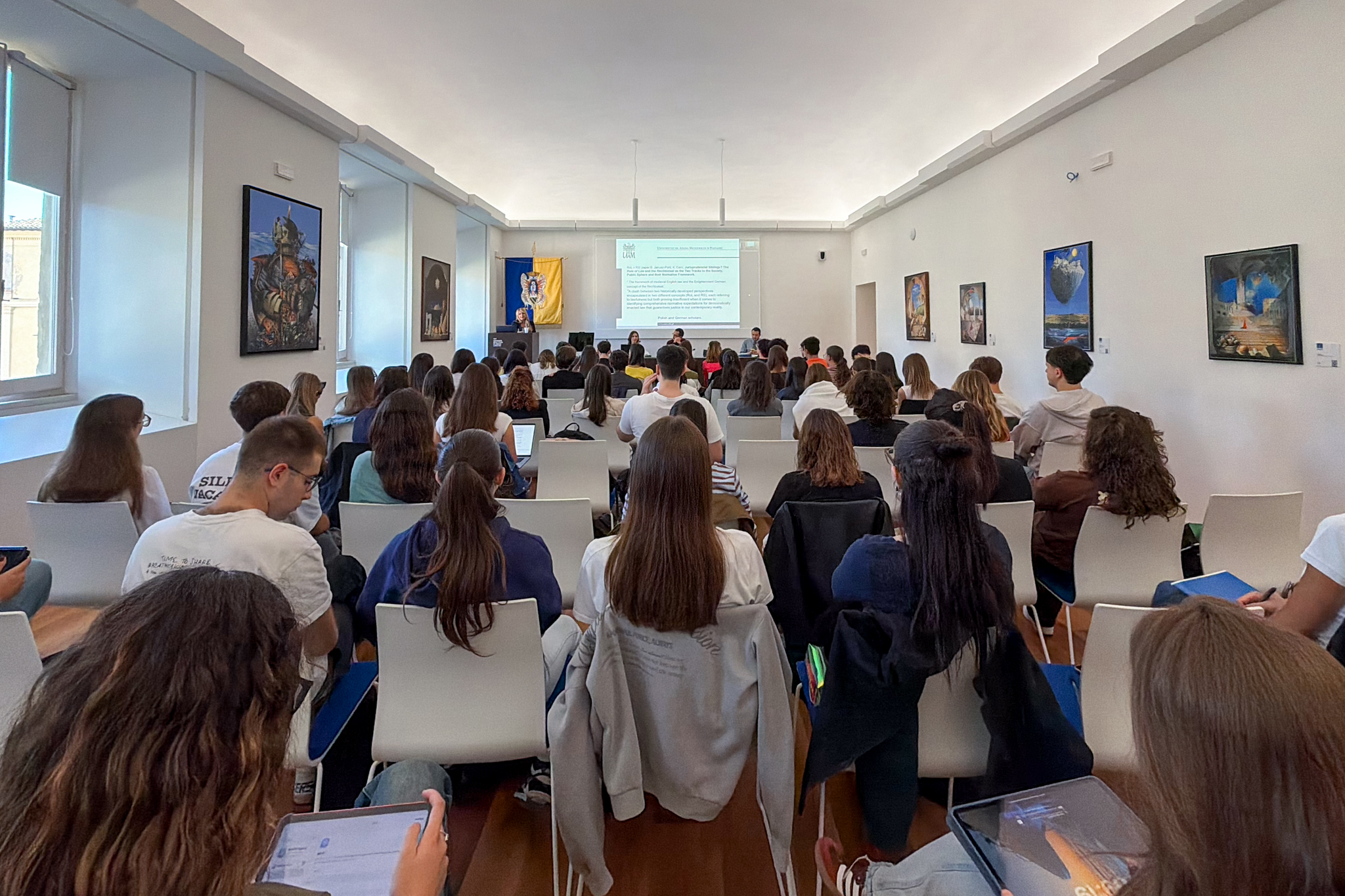
Reimagining the Rule of Law in the Digital Dimension of the European Union
DATE: 25 September 2026
PLACE: Aula Magna Rettorato, Via Saffi, 2 – Urbino and online via Zoom TIME: from 9:00 am to 11.00 am
ABSTRACT The seminar explores the Rule of Law in the European Union from complementary theoretical and practical perspectives.
The first presentation examines the evolution and perception of the Rule of Law within the EU legal order, focusing on its relationship with the Rechtsstaat tradition, its axiological foundations, and the role of the Court of Justice in giving the concept an increasingly concrete and operational meaning. It also considers broader questions concerning the European public sphere, citizens, and the distribution of public power.
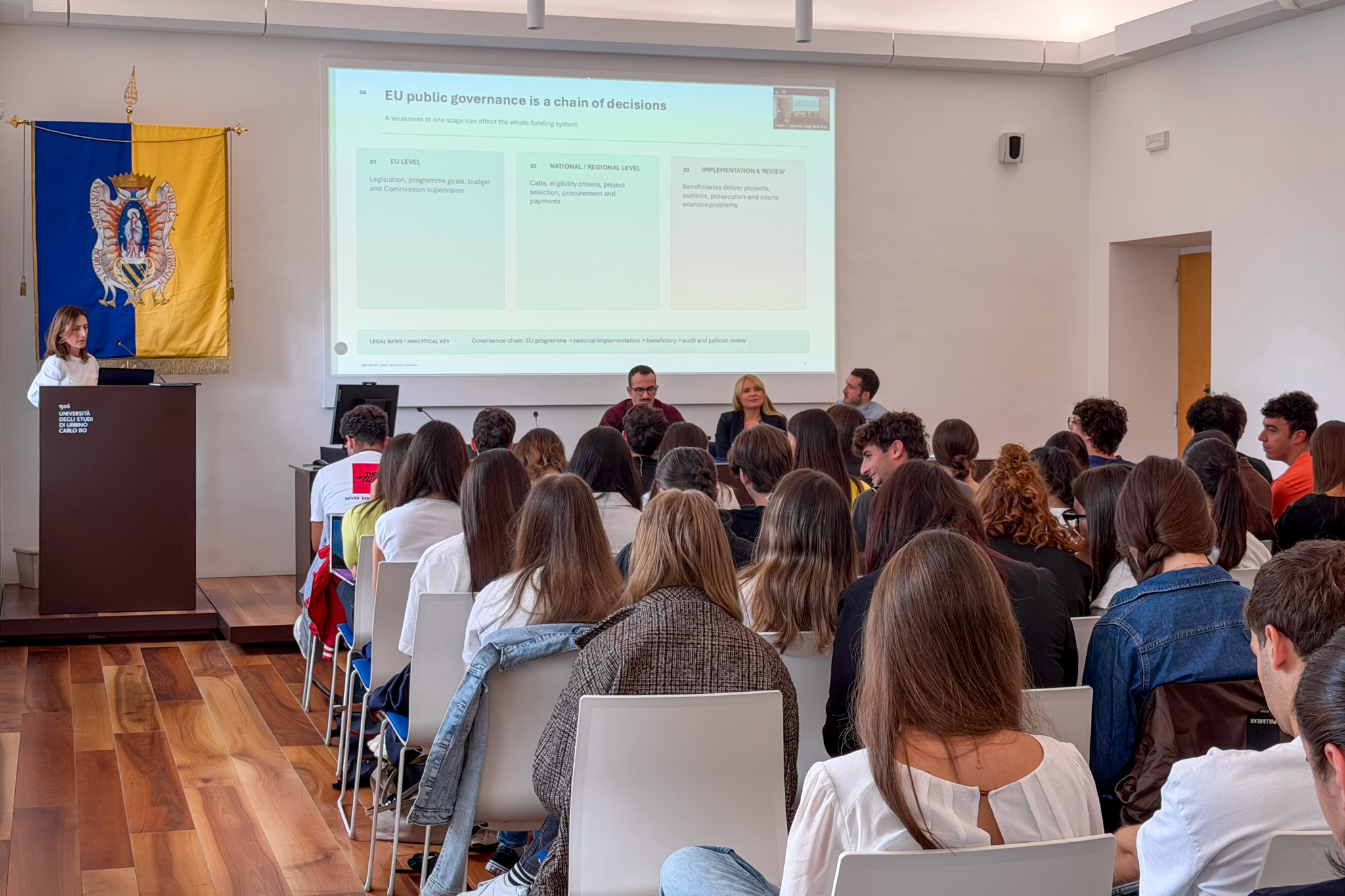
The second presentation approaches the Rule of Law as a condition for EU public governance, focusing on access to EU funding and conditionality mechanisms. It distinguishes the different legal frameworks governing the EU budget, the Recovery and Resilience Facility, and cohesion policy, and considers how they may produce forms of de facto differentiation among Member States.
The seminar concludes by considering digitalisation and algorithmic governance, with particular attention to transparency, accountability, human oversight, and effective review. Together, the two perspectives explore how the Rule of Law is evolving in an increasingly complex, differentiated, and digital European Union.
PROGRAM
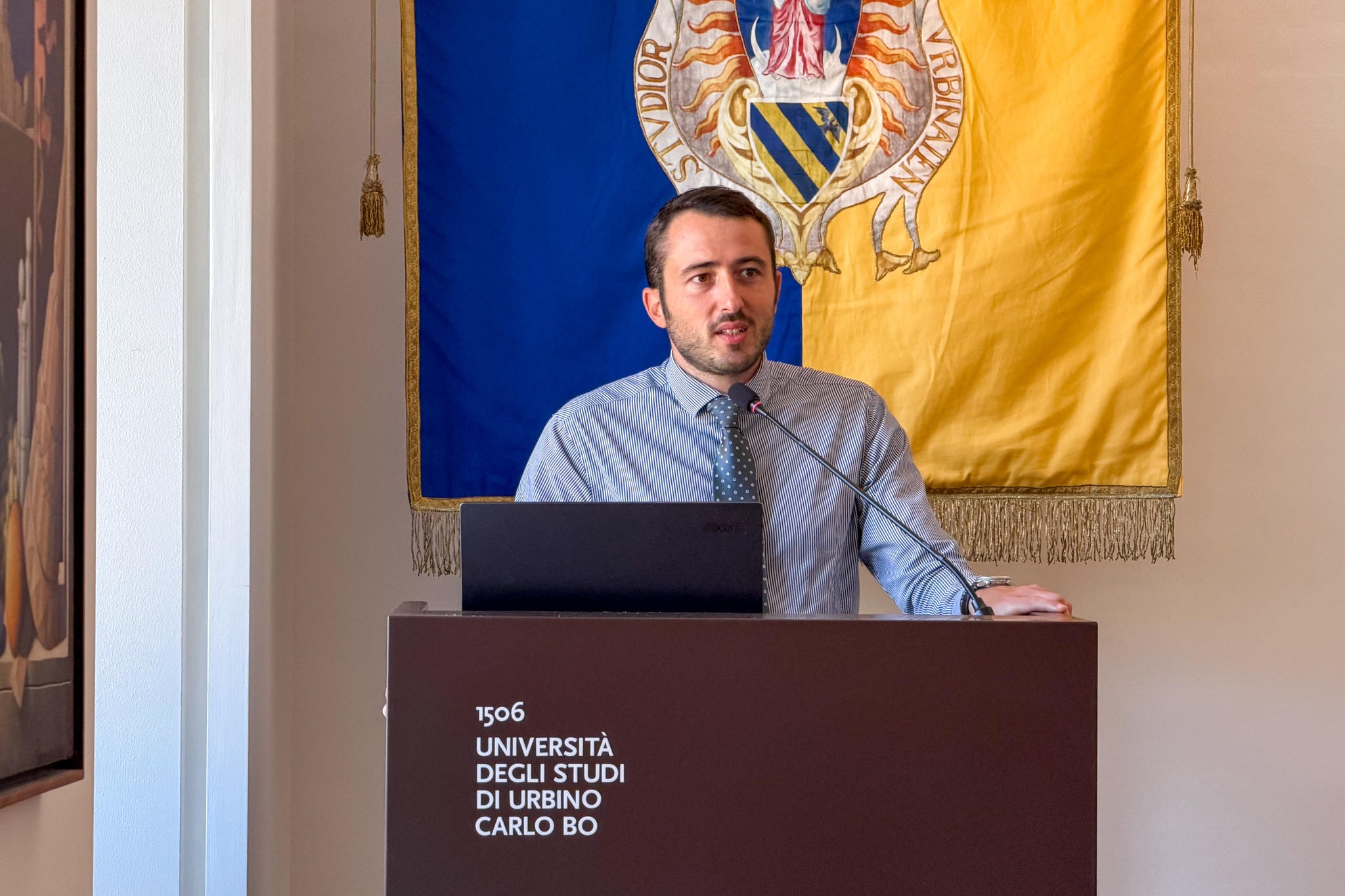
Introduction Edoardo A. Rossi – University of Urbino, DIGEOMETRY Co-coordinator
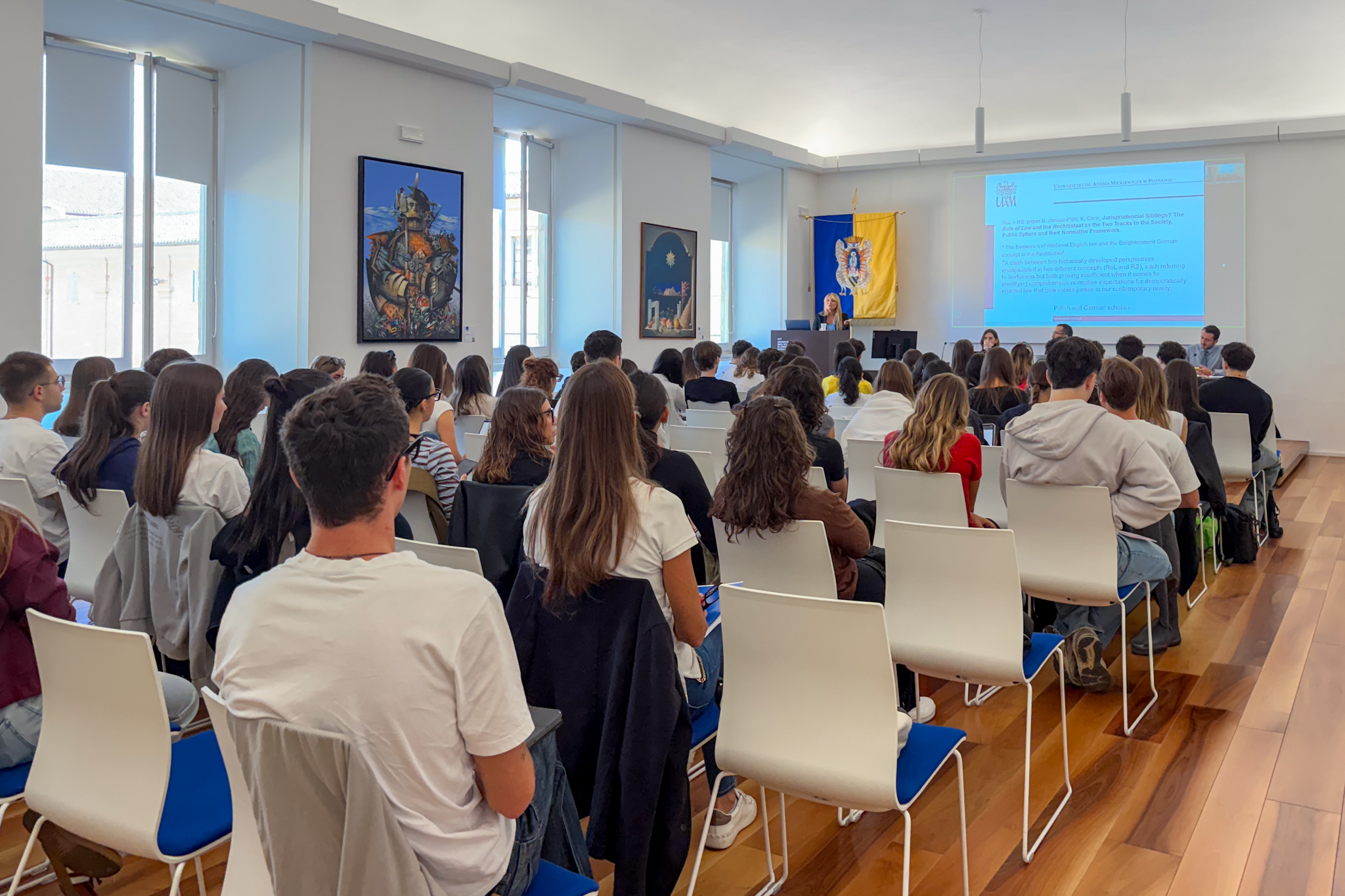
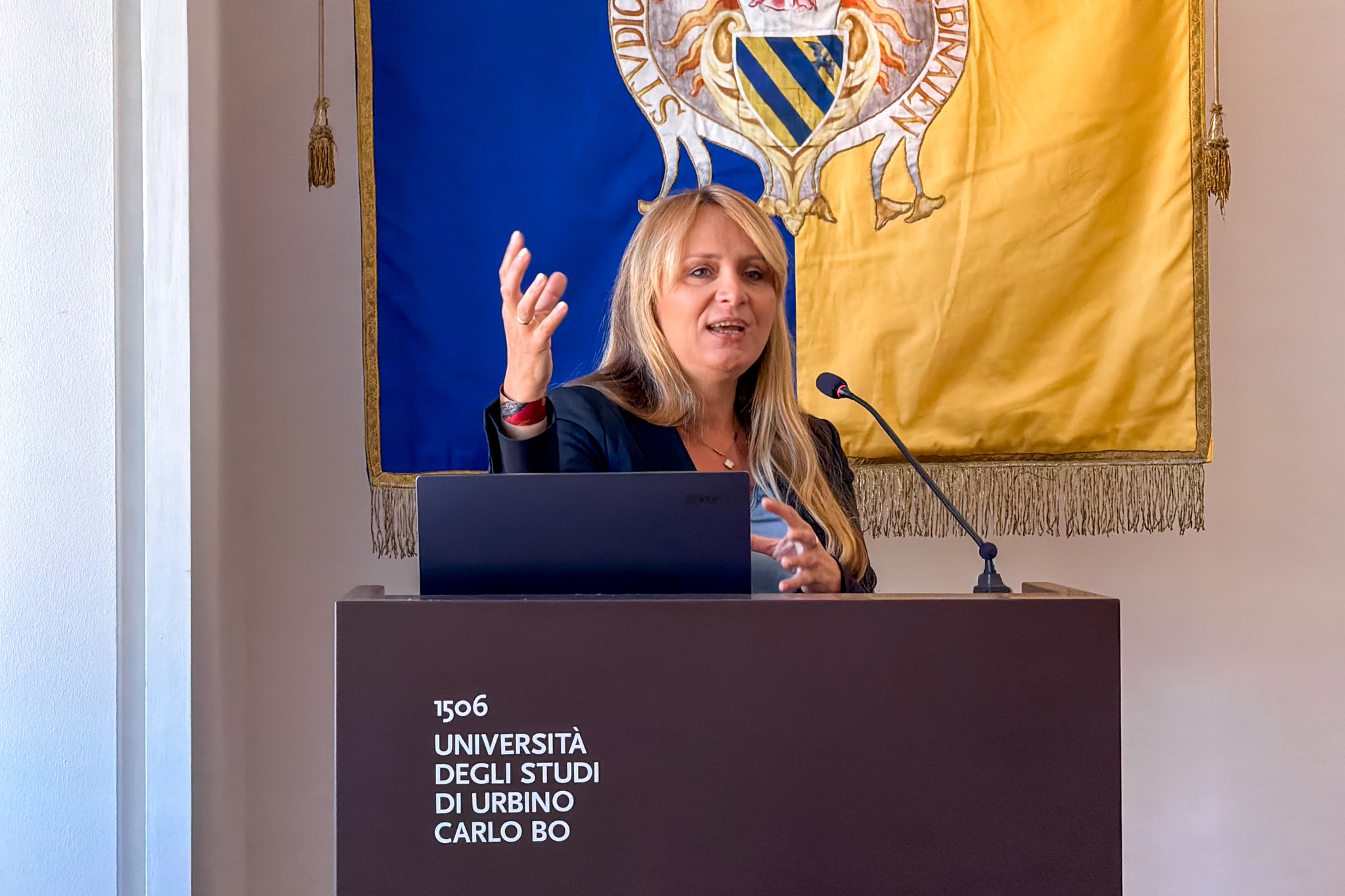
Perception of the Rule of Law Concept in the EU: Evolution, Axiology, Practice Barbara Janusz-Pohl – Adam Mickiewicz University, Poznan
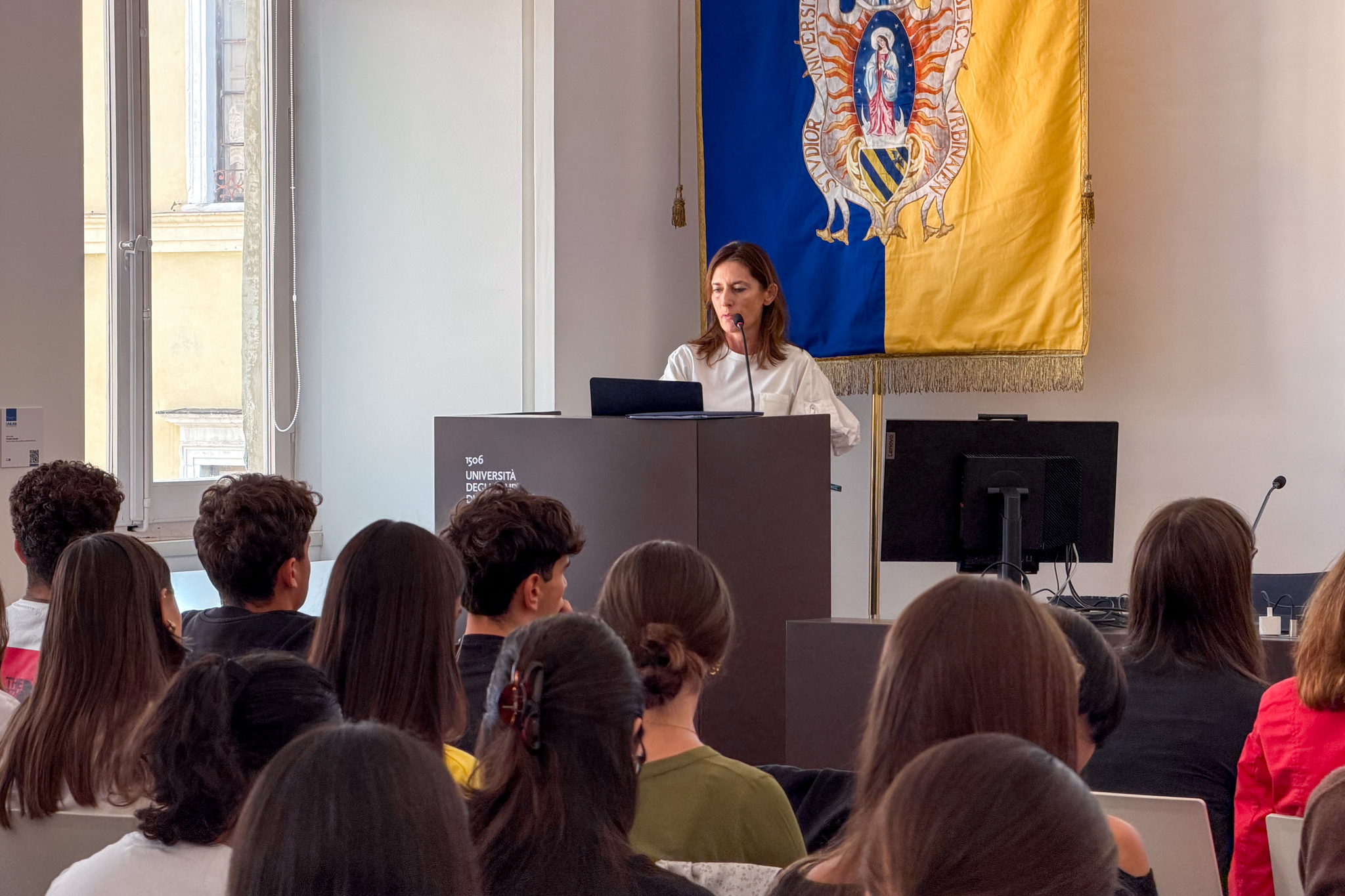
The Rule of Law as a Condition of European Union Public Governance Katarzyna Kokocinska – Adam Mickiewicz University, Poznan
Europe & Italy: What holds us together, Europe’s values yesterday, today and tomorrow
DATE: 8 May 2026 PLACE: Palazzo Bonaventura (Urbino, Via Saffi, 2) TIME: from 10:30 am to 1.00 pm
ABSTRACT Every year, ESN Urbino organises a conference to mark Europe Day: a regular event for our small but vibrant community, an opportunity for growth that brings together the University of Urbino and the city, students and citizens.
The conference focuses on the common values and principles that led to the founding of the European Union, how these values have evolved and unite us today, and how they might evolve in a future marked by instability. This year’s theme will be the importance of the values that led to the founding of the European Union and their future implications. The conference will be conducted entirely in English, in order to include the international students living in our city.
ESN Urbino (an acronym for Erasmus Student Network) is a non-partisan and apolitical student association which, since its inception in October 2017, has been part of a national and international network of volunteers who support Erasmus students during their mobility periods and which, at a local level, works closely with the International Mobility Office of the University of Urbino.
PROGRAM 10.30 am – Official welcome
Speakers:
Professor Newell James Lawrie
Professor Rossi Edoardo
The event will conclude with a short photography exhibition.
Brexit, il primo recesso volontario dall’UE: uscita definitiva o pausa negoziata?
DATE: 27 April 2026
PLACE: online via Zoom TIME: from 2:00 pm to 4.00 pm
ABSTRACT
The seminar continues its analysis of the main challenges facing the European integration process, focusing on the first instance of a country voluntarily leaving the Union. In particular, it examines the causes of Brexit, the legal framework that made the withdrawal possible, and the main difficulties that have arisen in the aftermath of Brexit Day.
La transizione alla liberal-democrazia nei Paesi dell’Europa centro-orientale e balcanica e le sfide del processo di integrazione europea
DATE: 22 April 2026
PLACE: Palazzo Battiferri (Urbino, Via Saffi, 42) TIME: from 4:00 pm to 6.00 pm
ABSTRACT Starting with the transition to liberal democracy in the countries of Central and Eastern Europe and the Balkans, the seminar examines the challenges associated with the European integration process that have arisen in this region, in particular respect for the rule of law, the protection of fundamental rights and the consolidation of democratic institutions.
Il processo di integrazione europea attraverso il rapporto tra le fonti del diritto
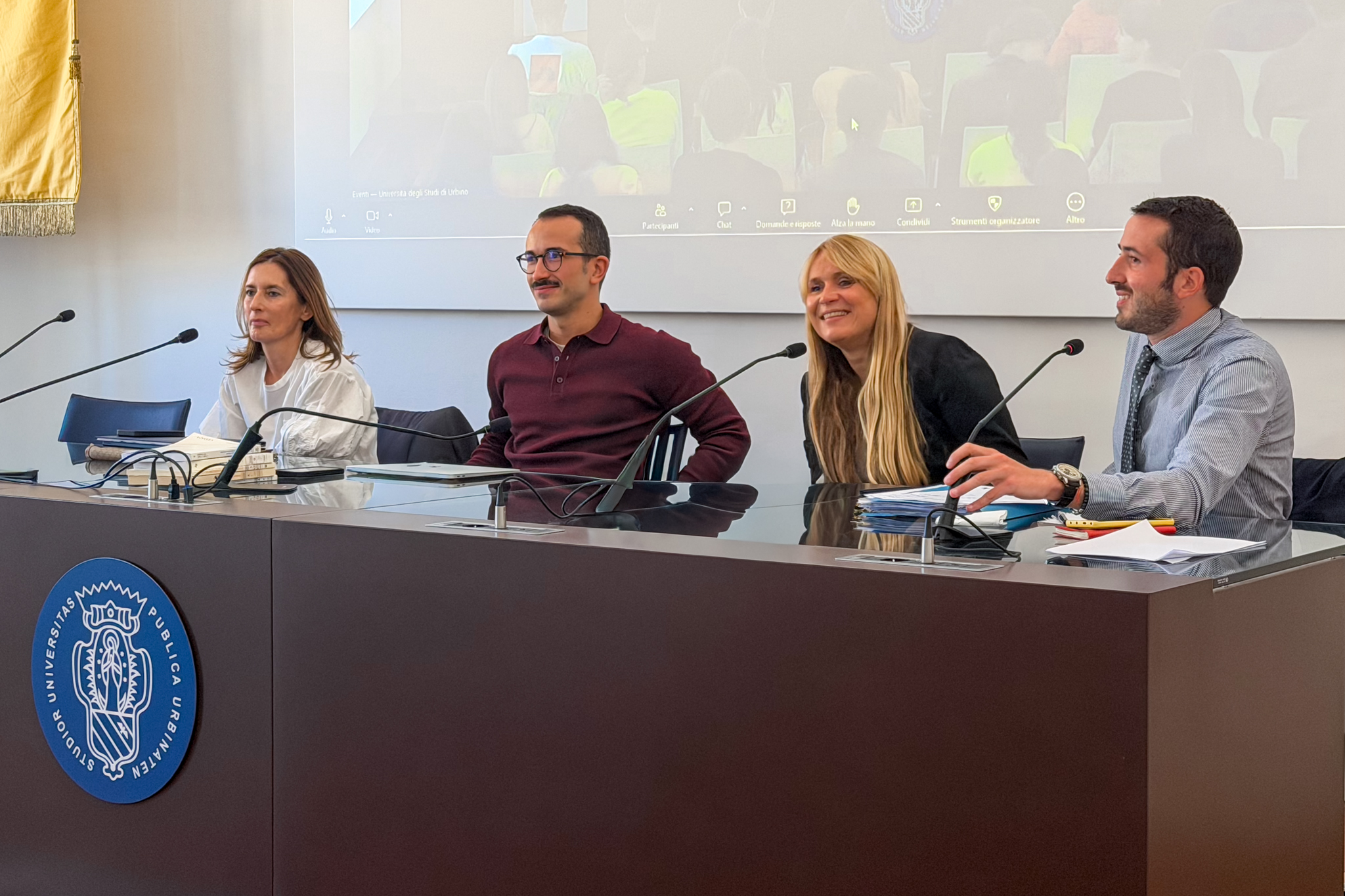
DATE: 10 December 2025
PLACE: Scuola Giurisprudenza (Urbino, Via Matteotti, 1) TIME: from 10:30 am to 1.30 pm
ABSTRACT
The process of European integration, through the establishment of the principles of direct effect and the primacy of EU law, has profoundly transformed the legal hierarchy of Member States, to the extent that even today it is possible to assess the progress of the European project by examining issues related to the relationship between European and national sources of law.
PROGRAM
Introduction
Licia Califano – Director of DiGiur
Francesca Rosa – University of Urbino
Presentation
Diletta Tega – University of Bologna The relationship between the sources of European Union law and the sources of domestic law. The courts and collaborative lawmaking.






Commenti recenti