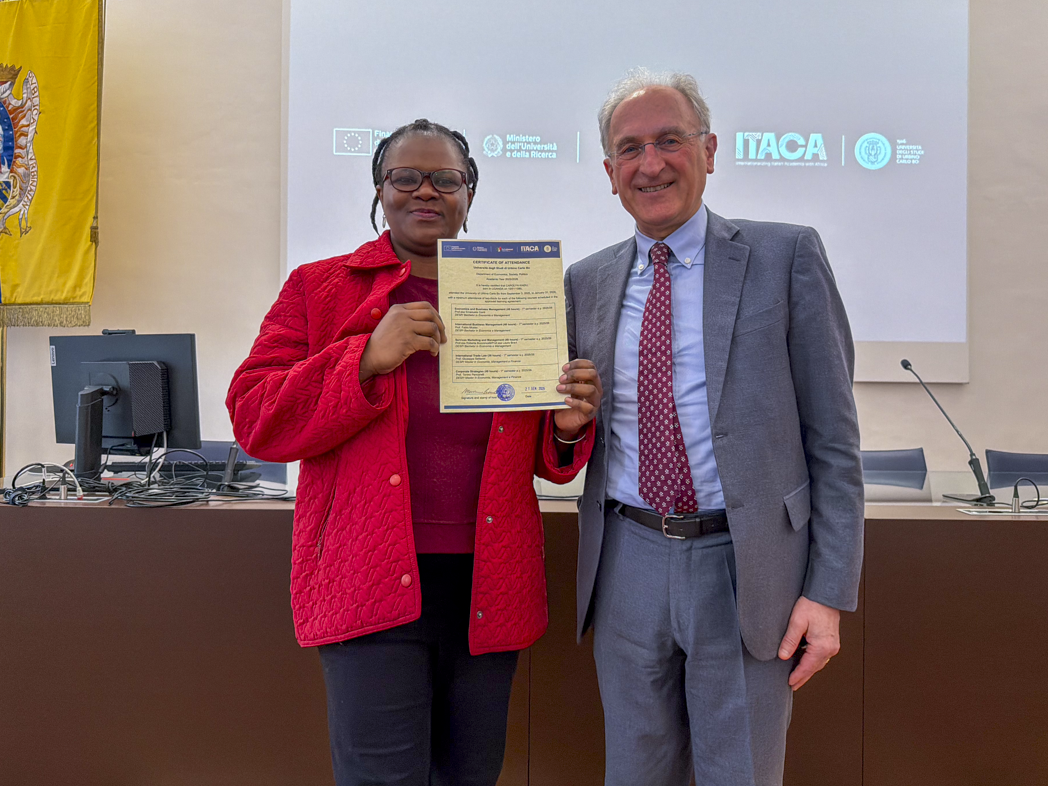
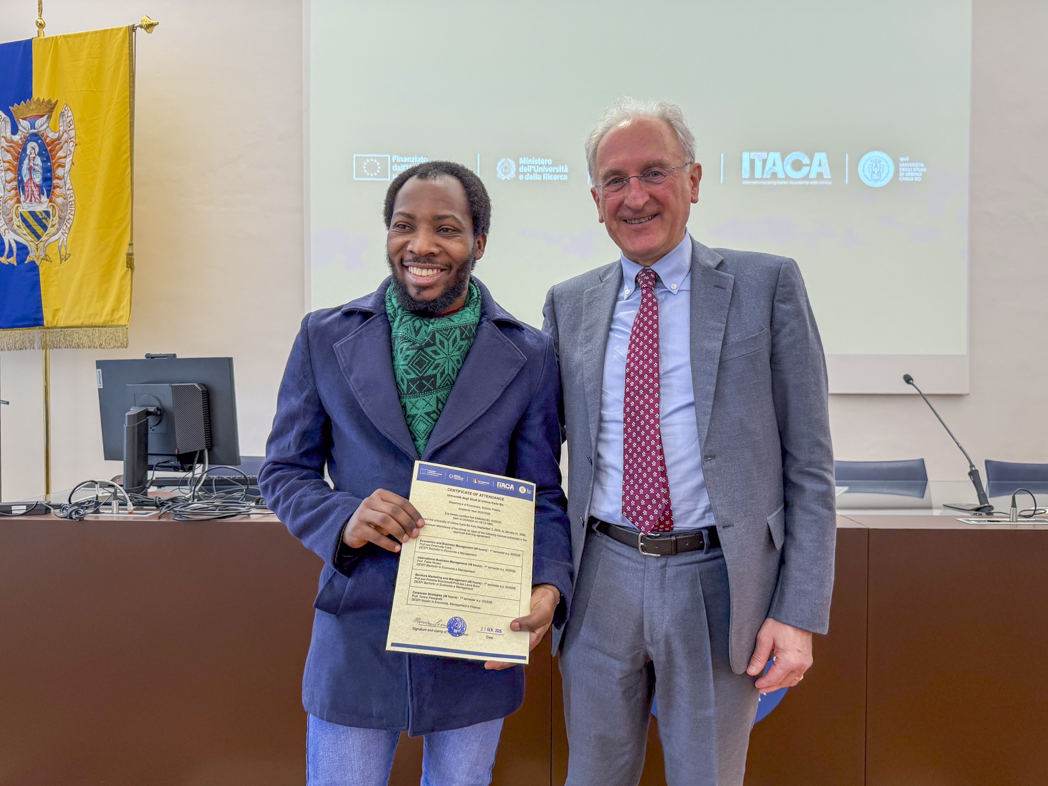
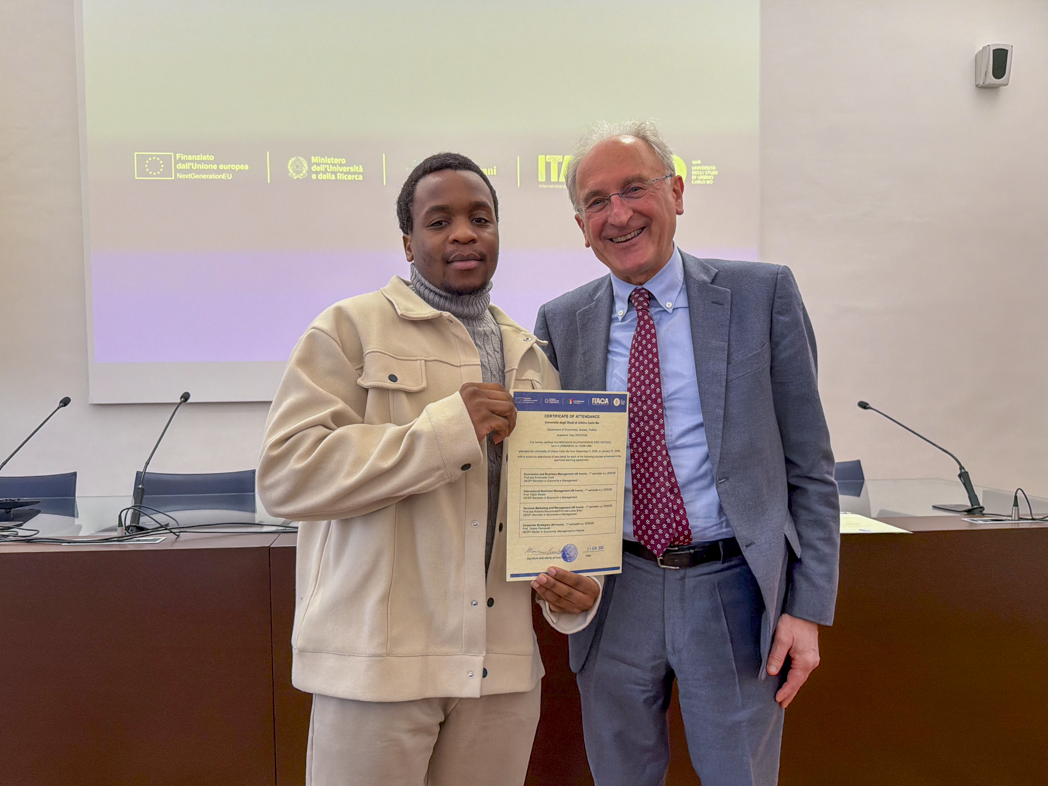
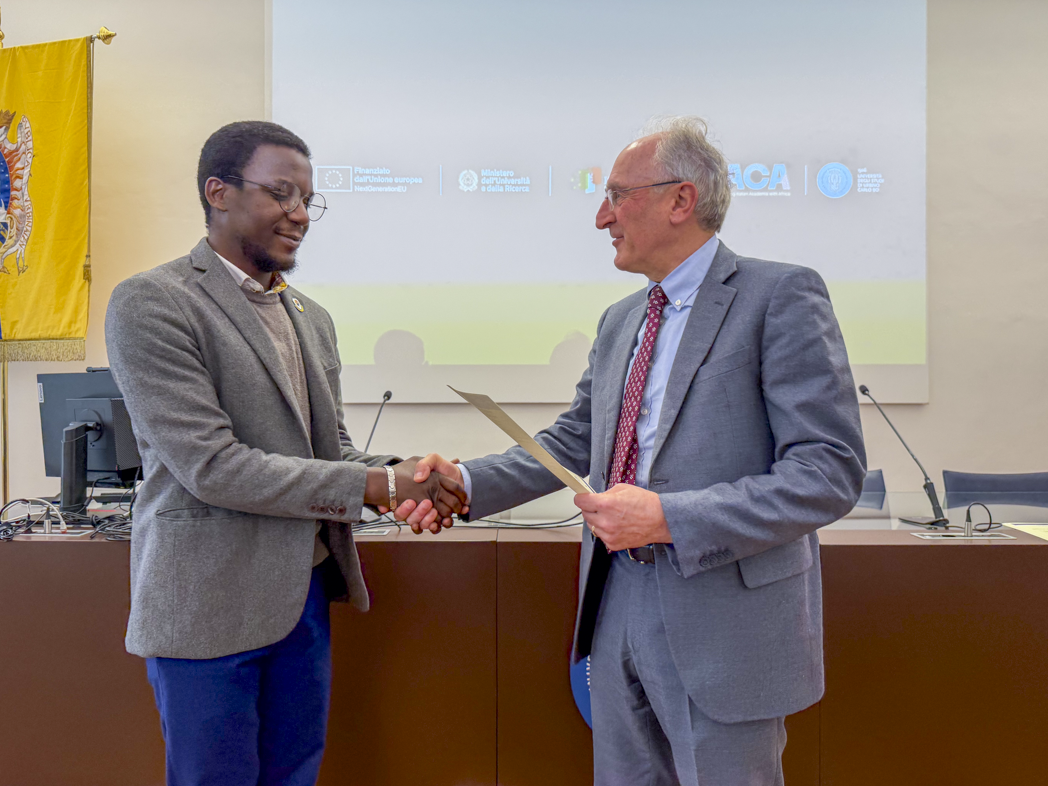
Awarding certifications to winter school students

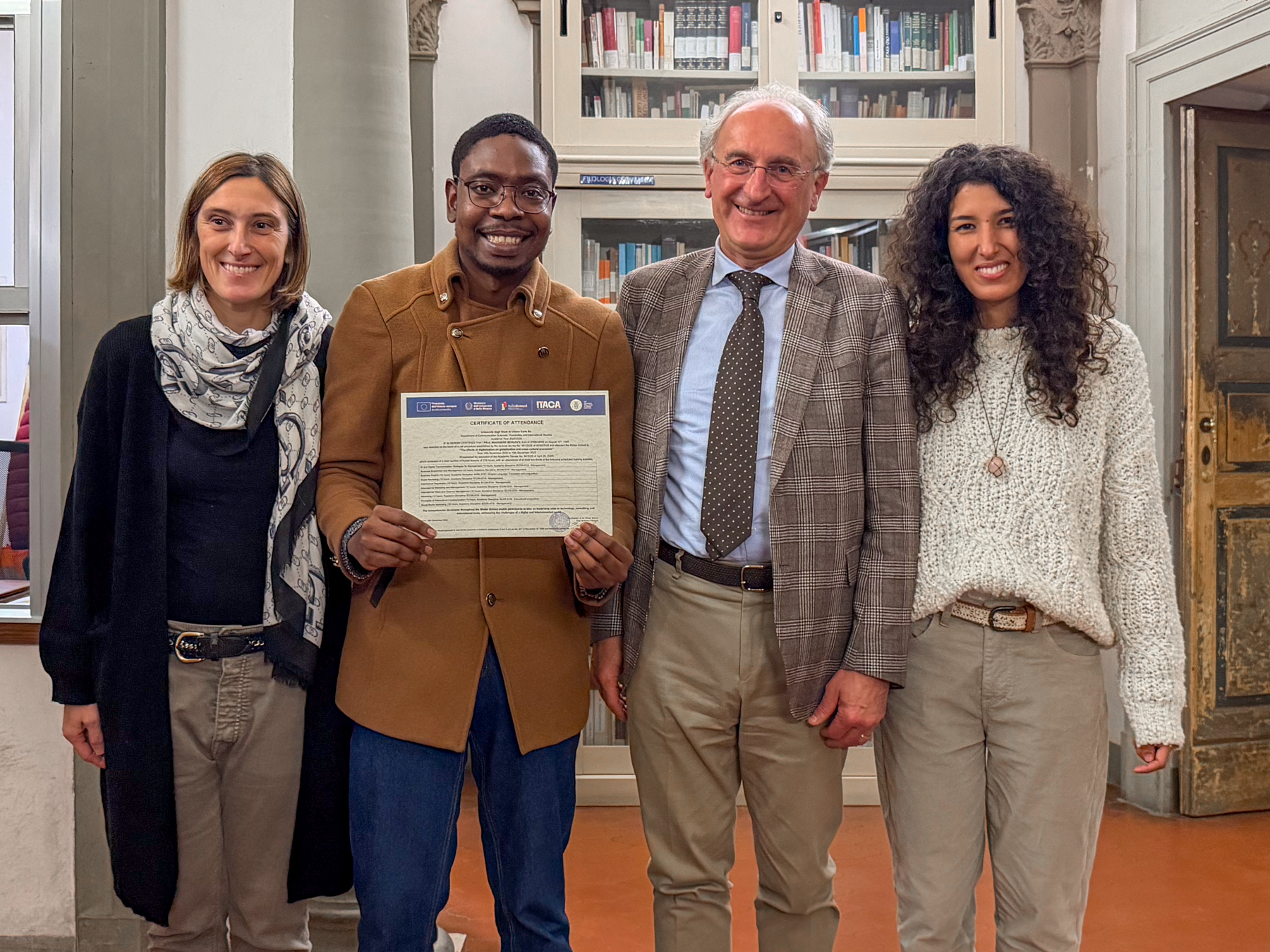
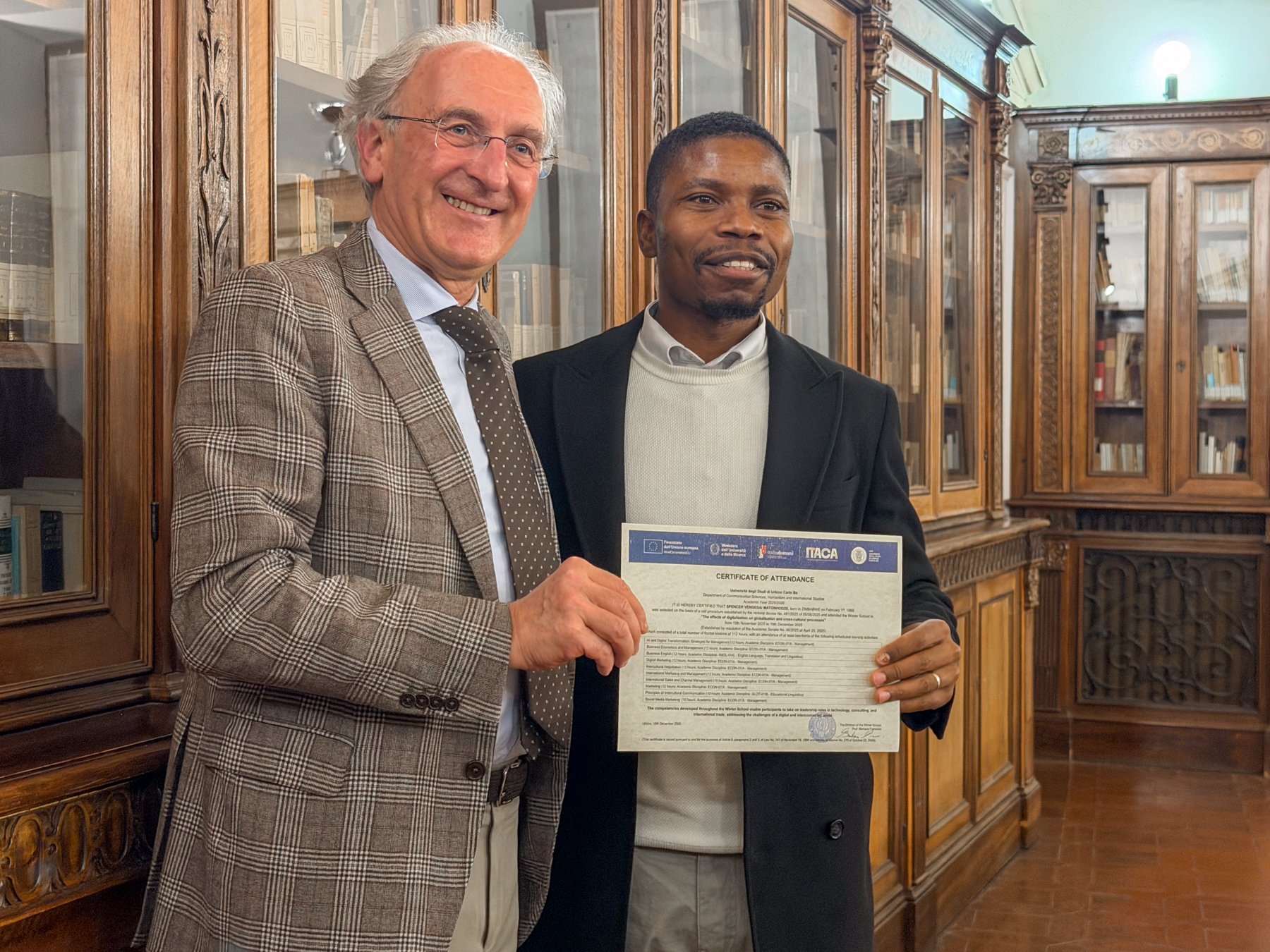
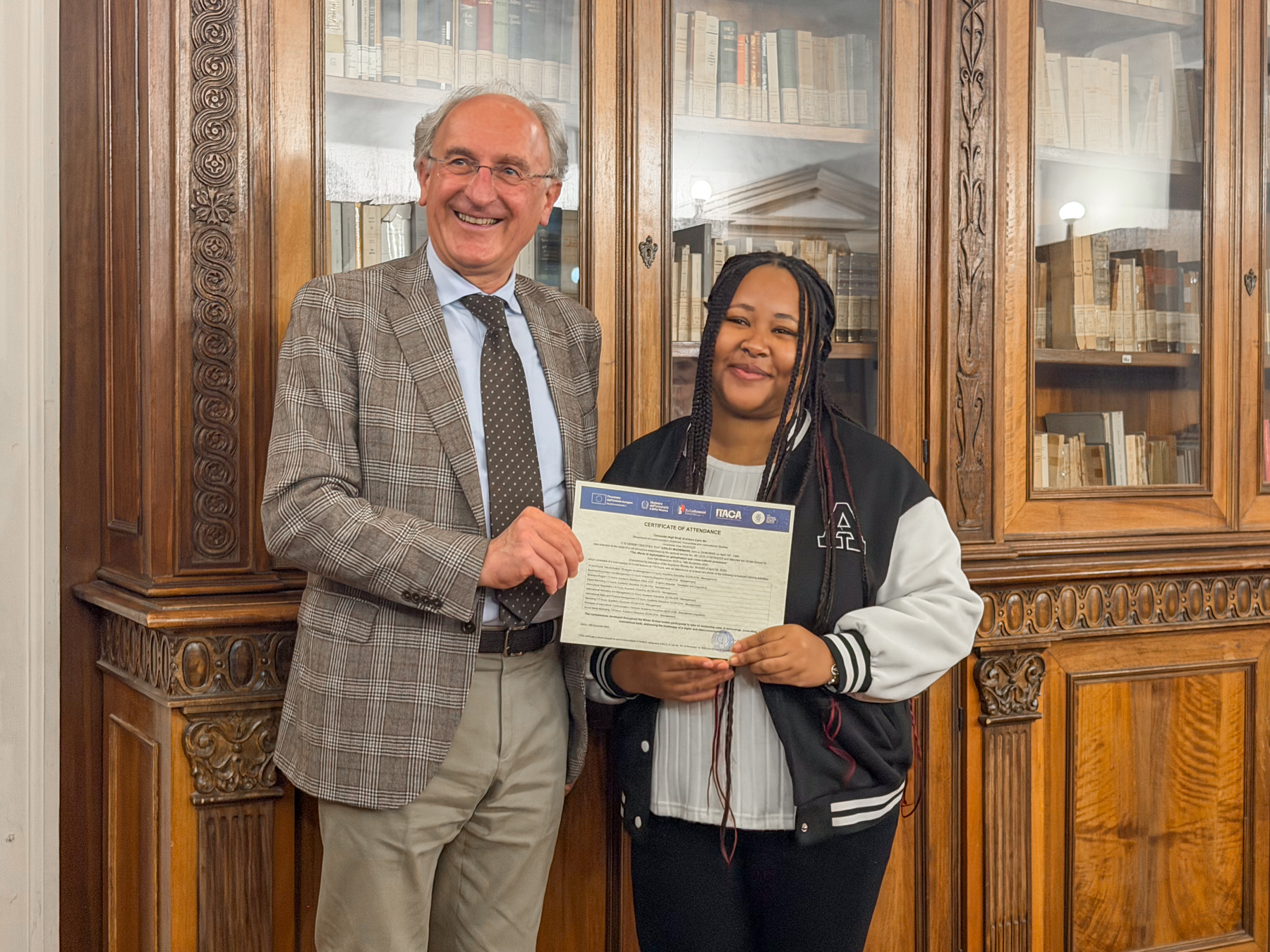
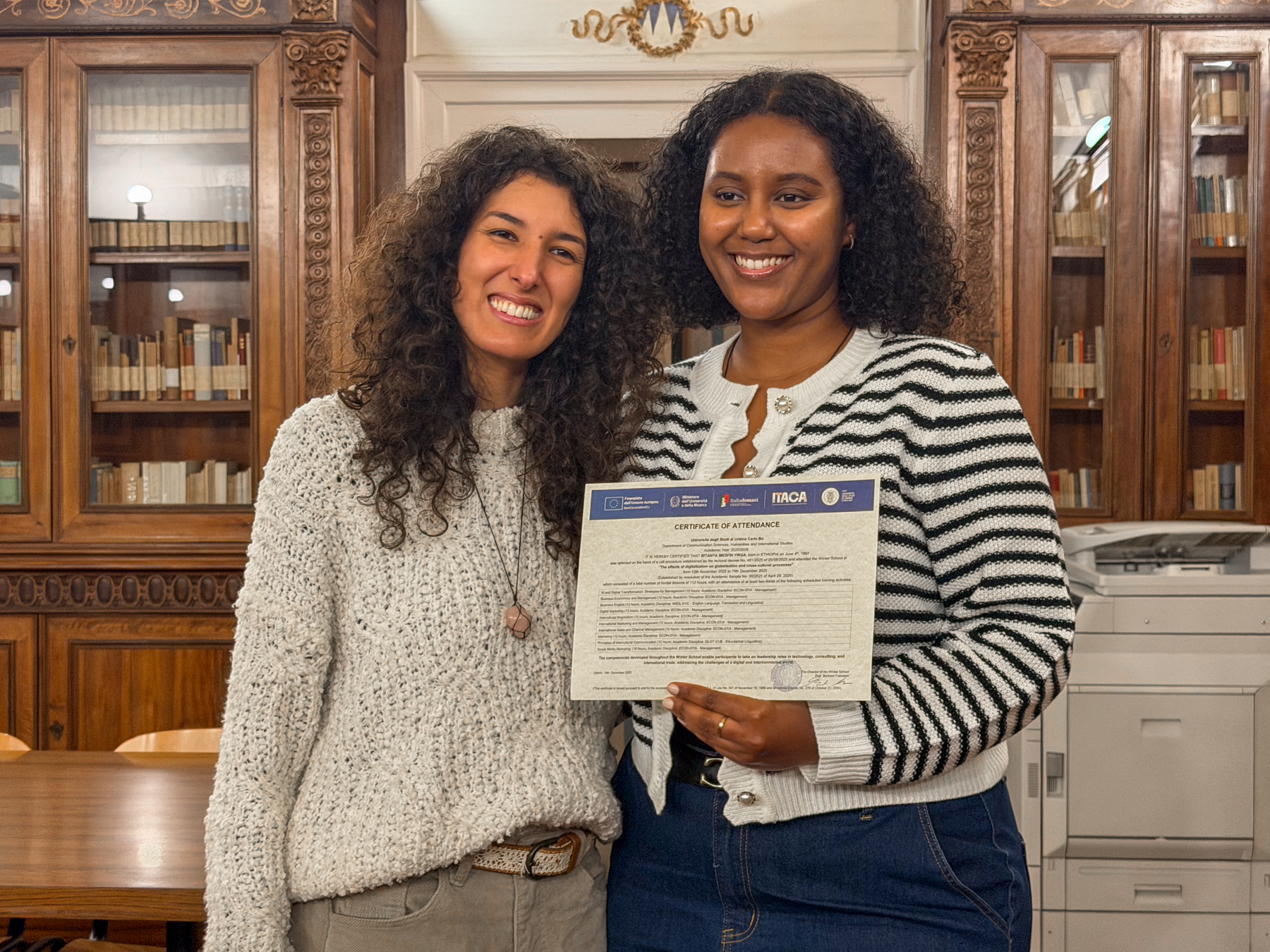
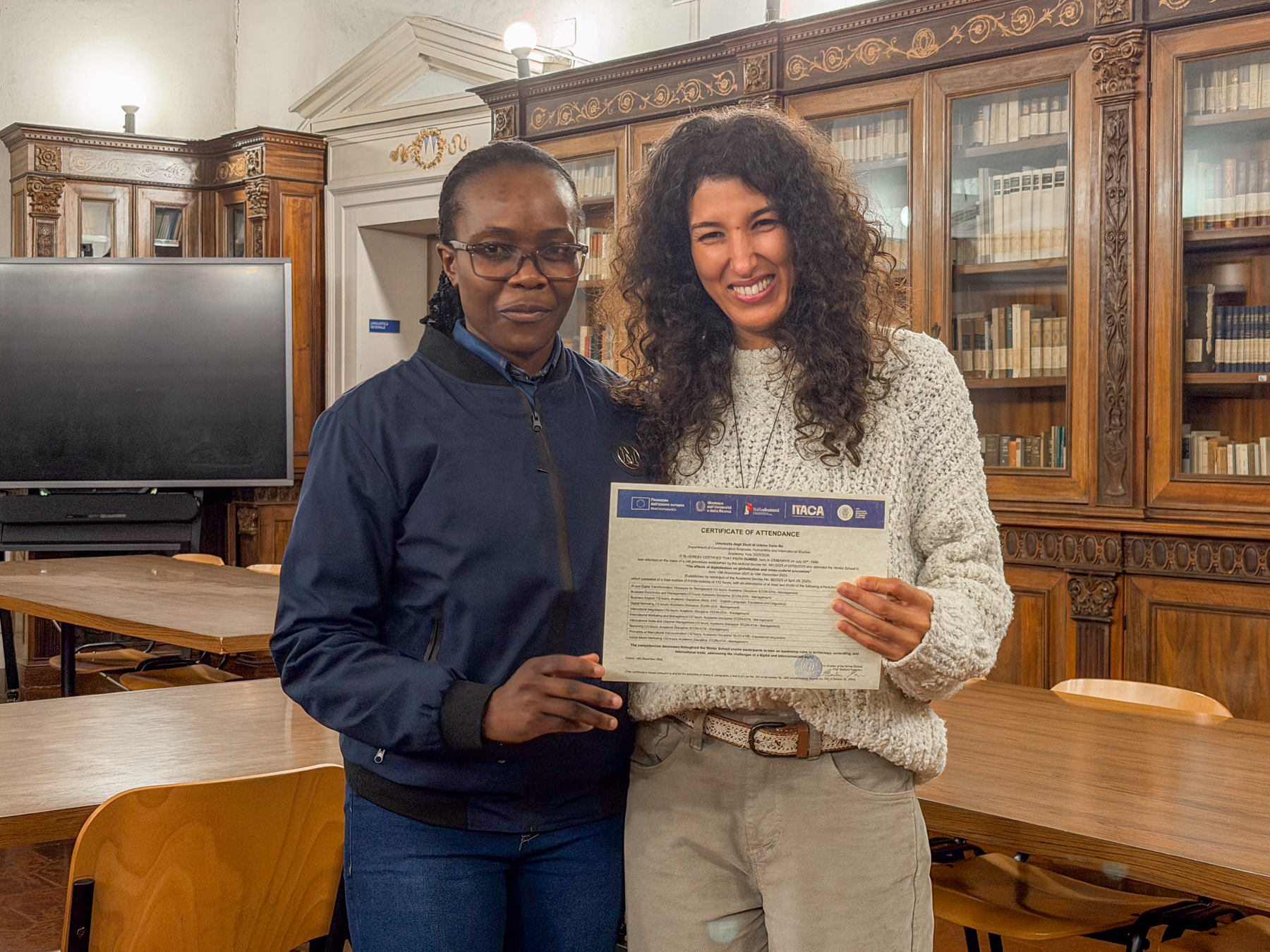
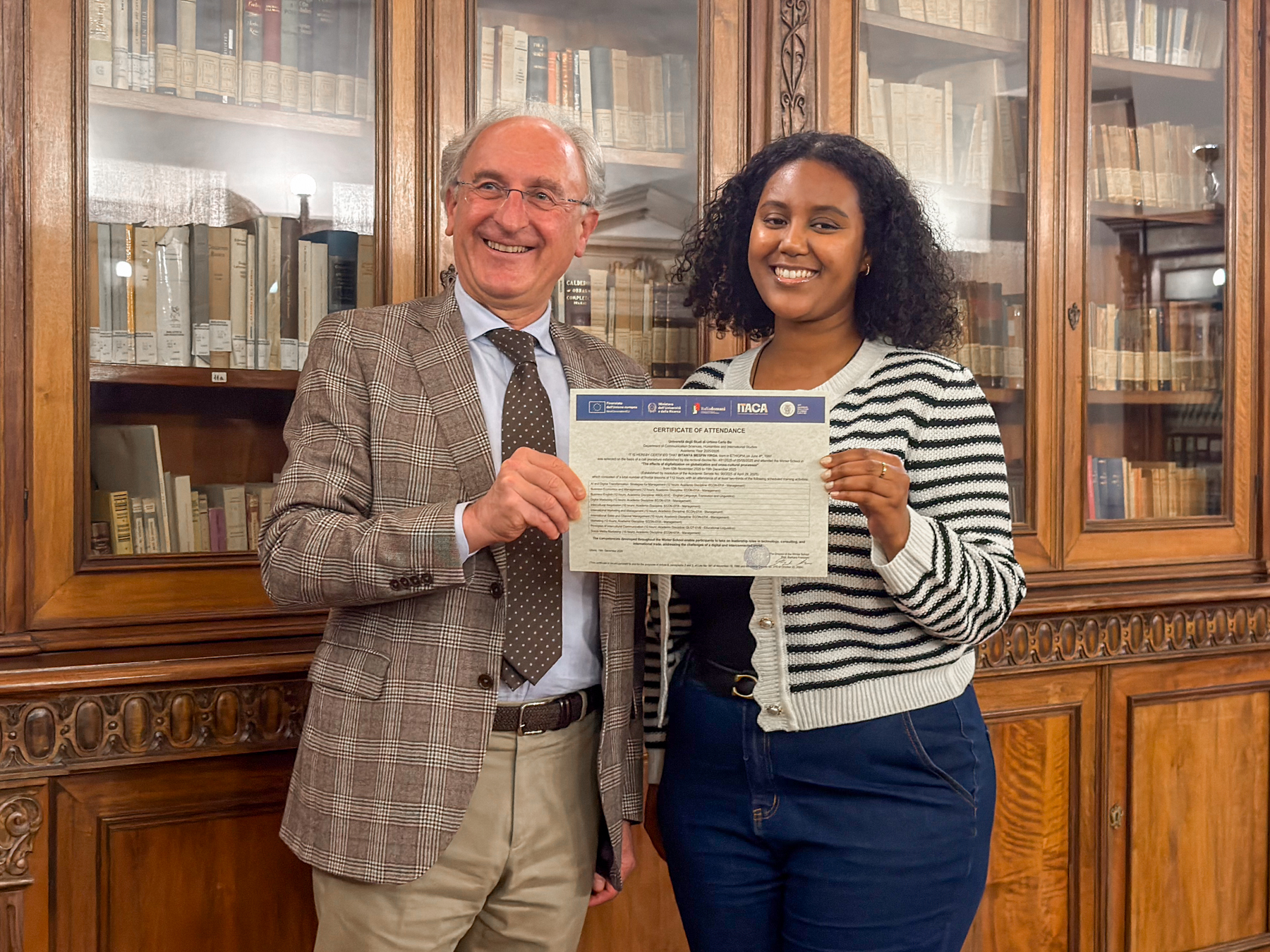
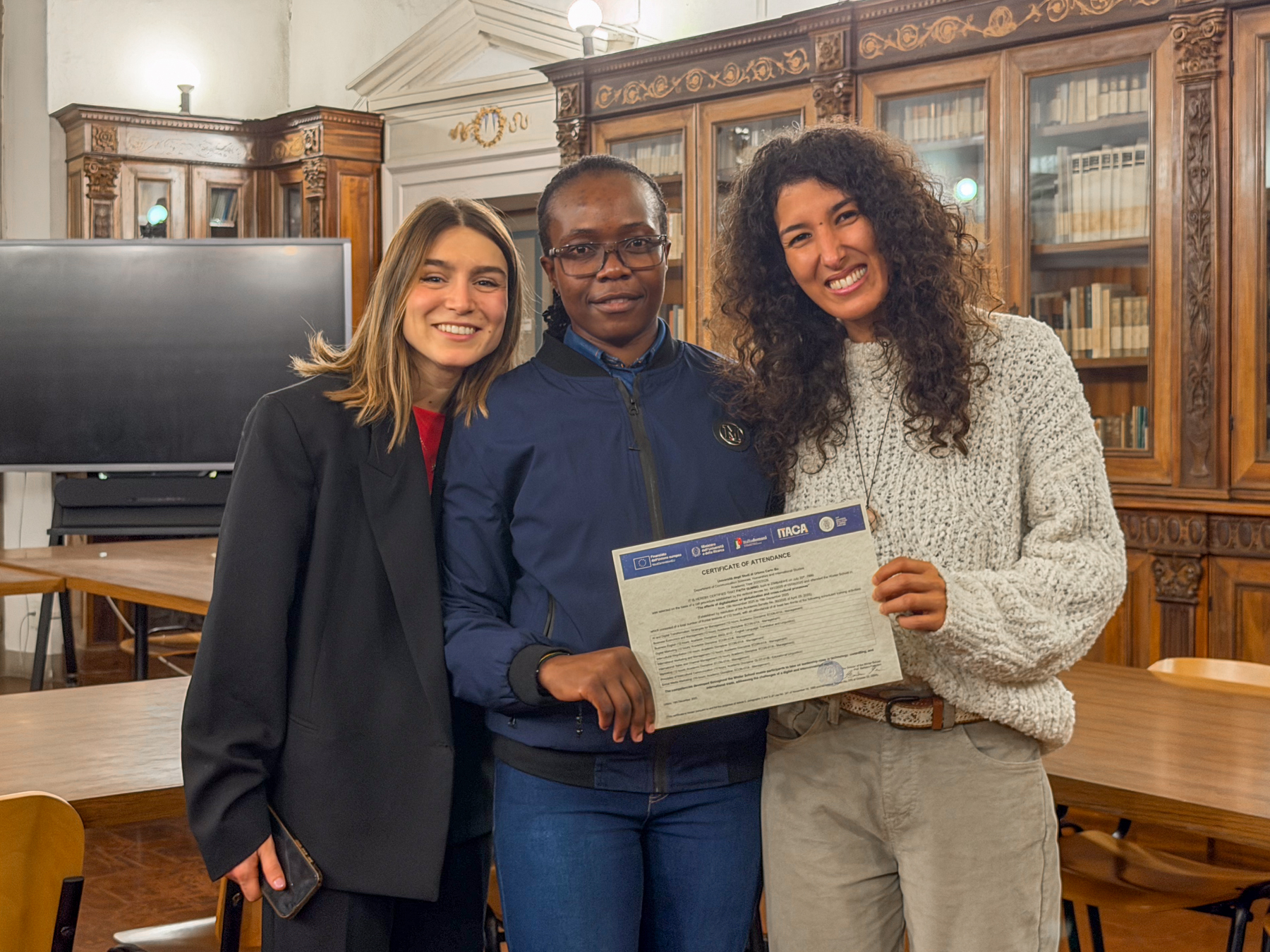
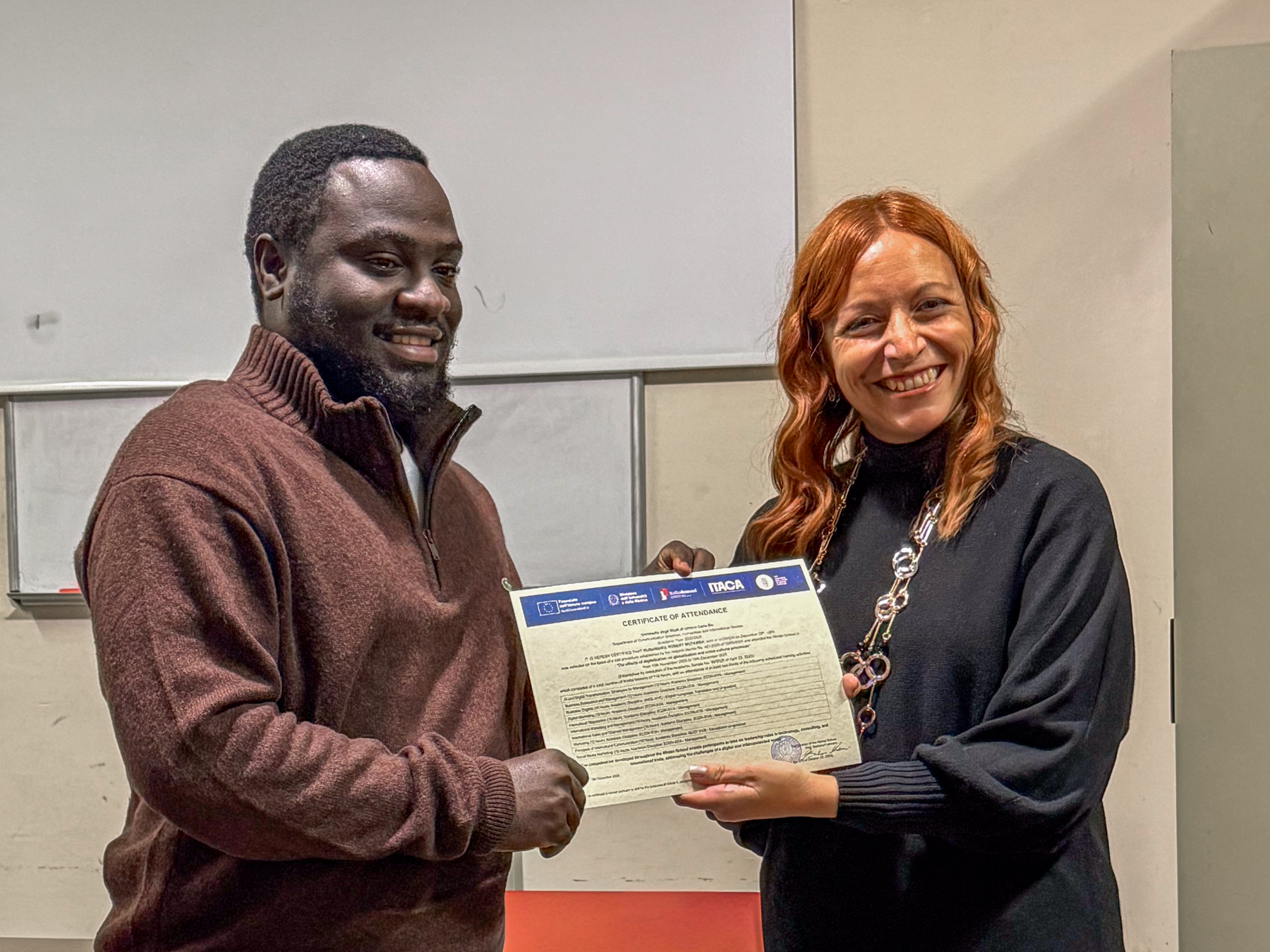
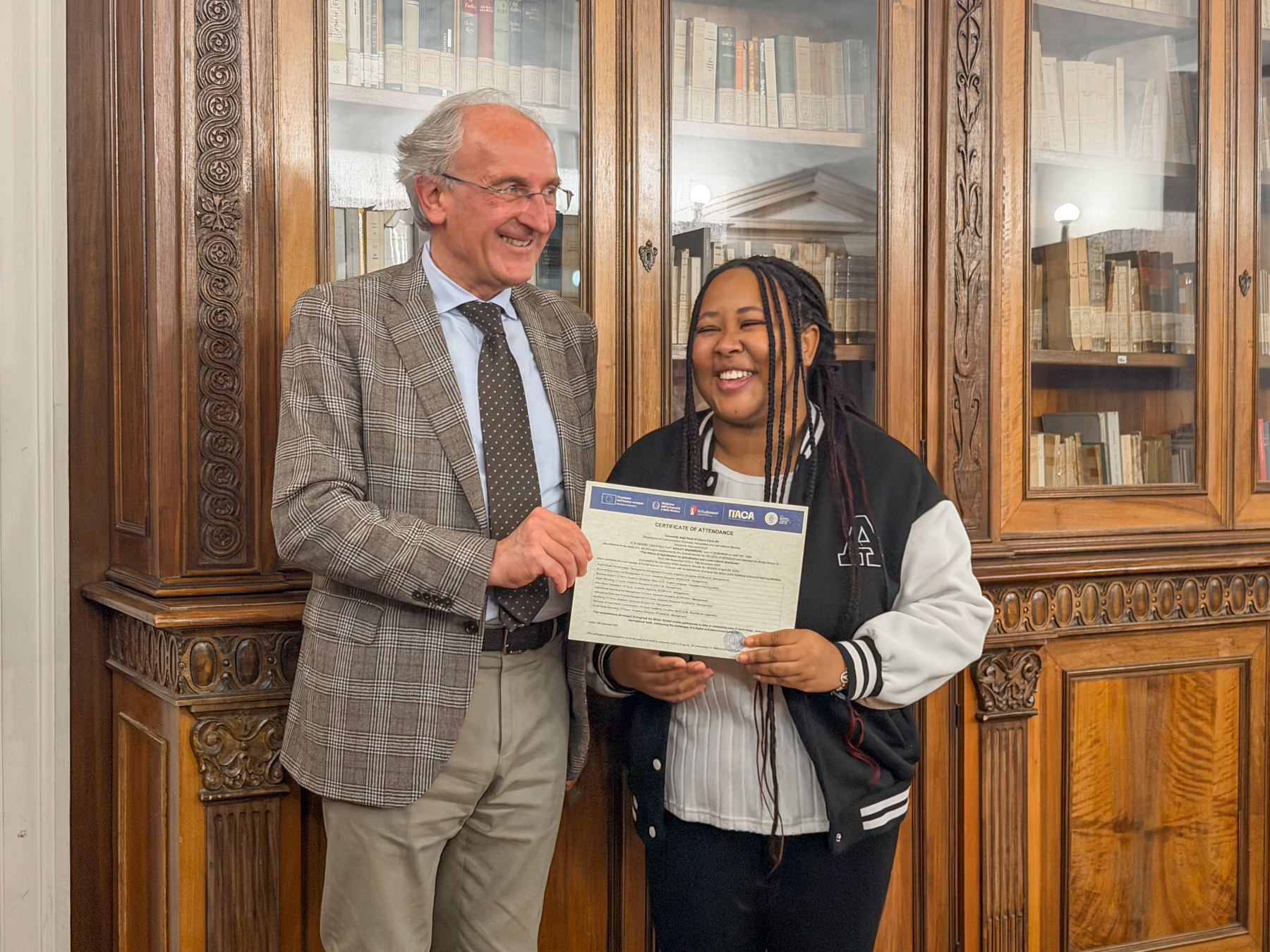
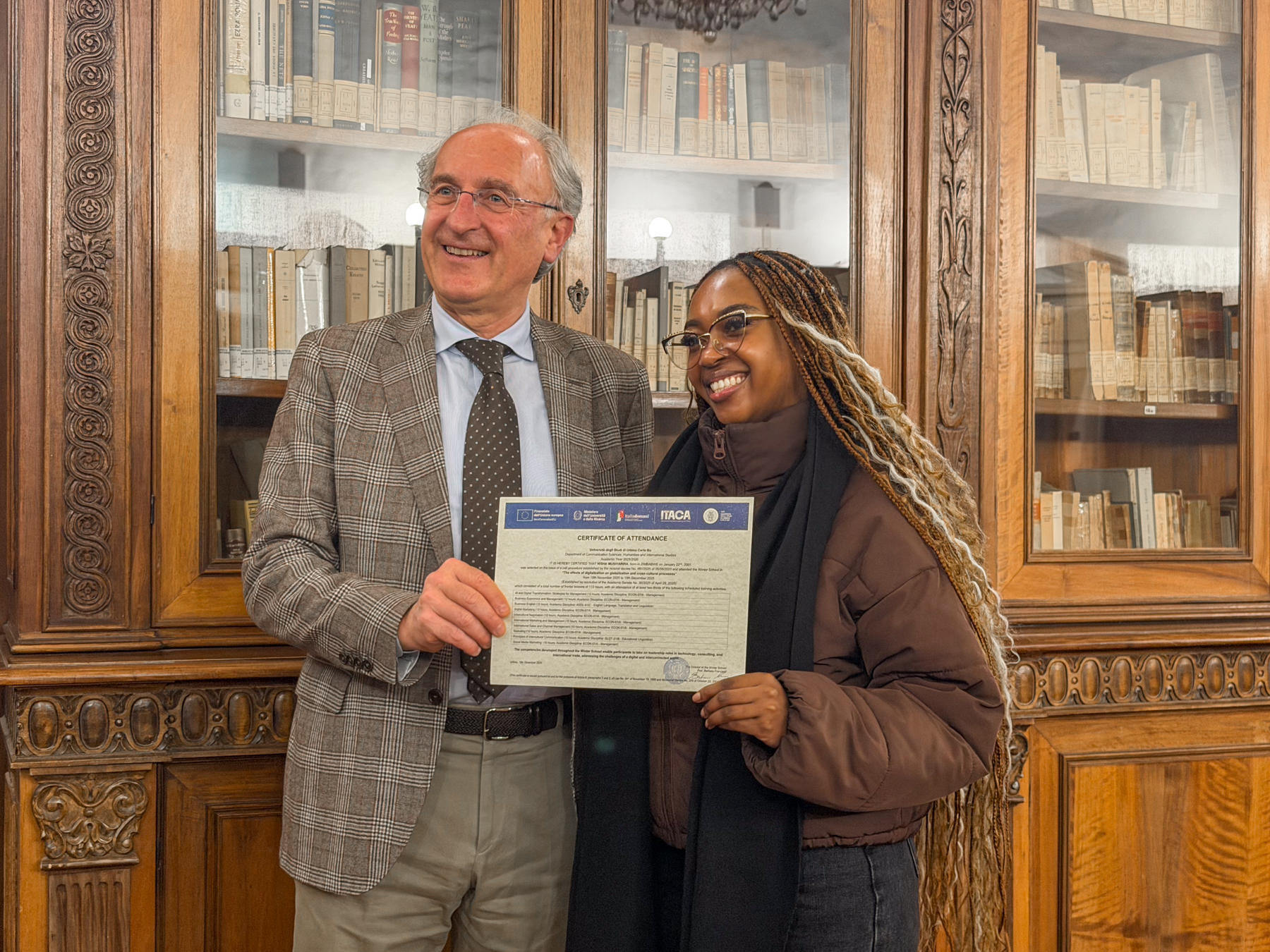
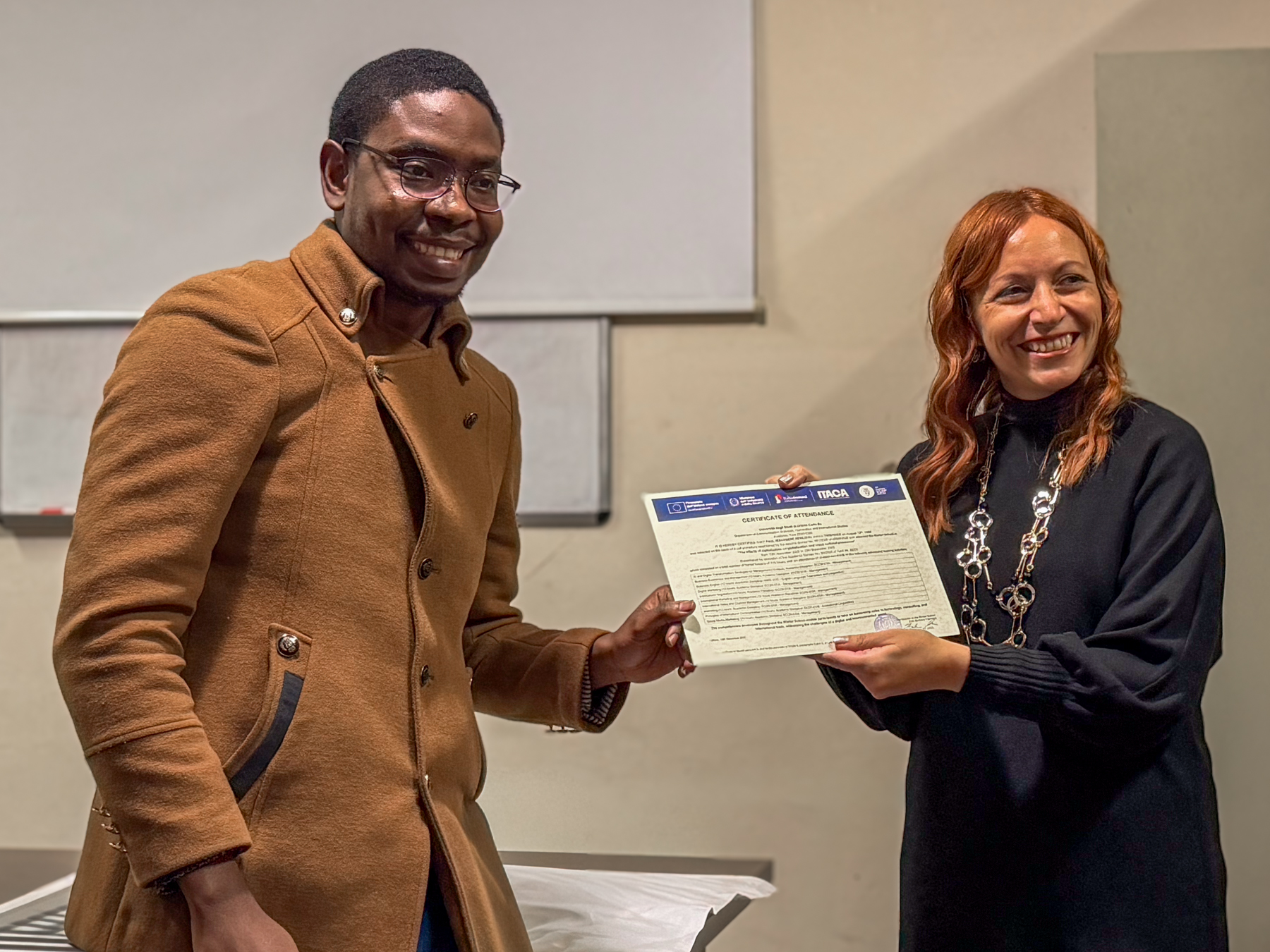
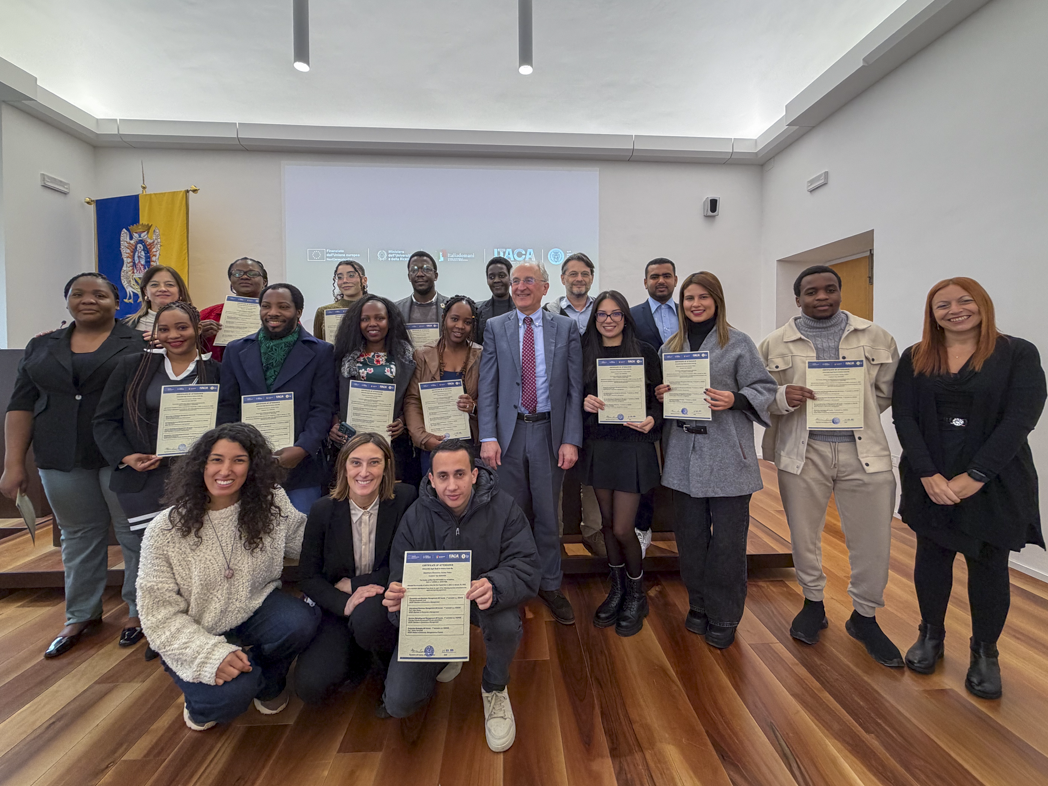
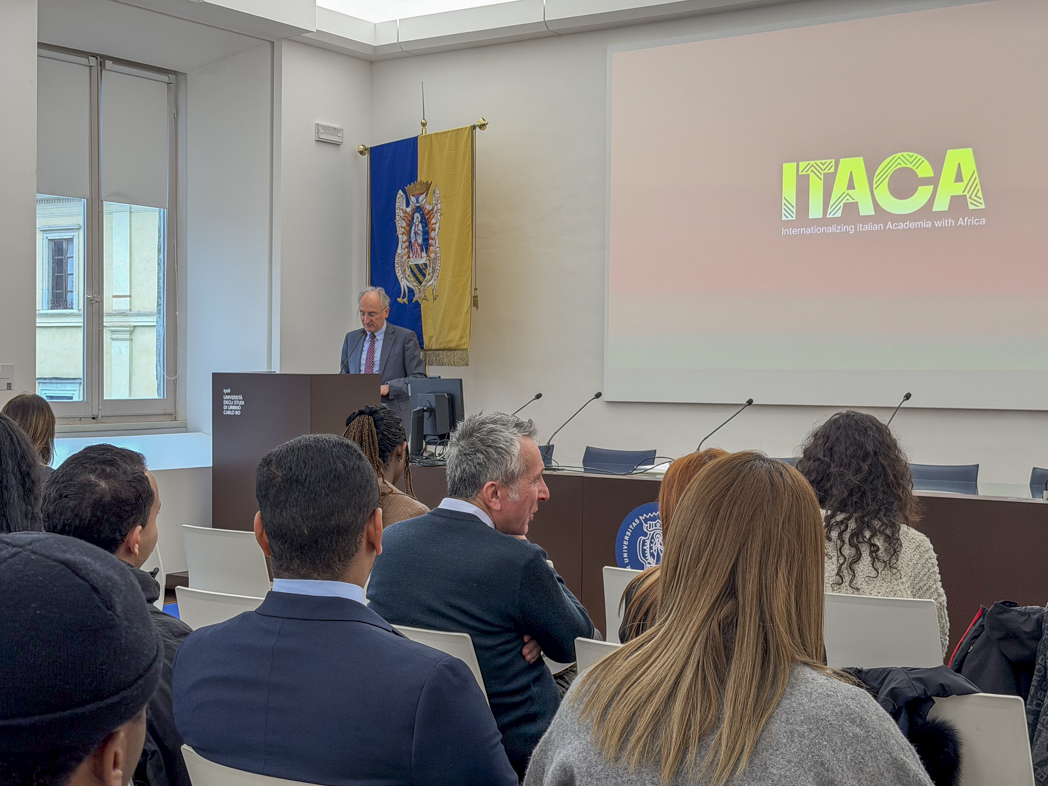
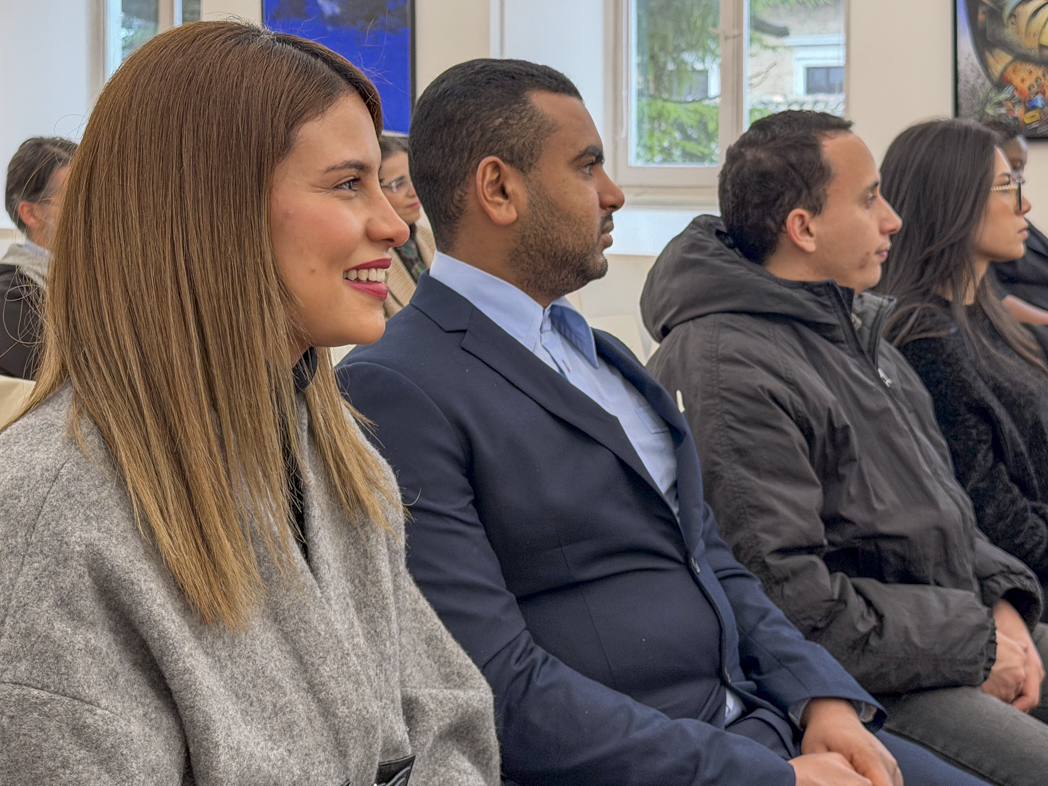
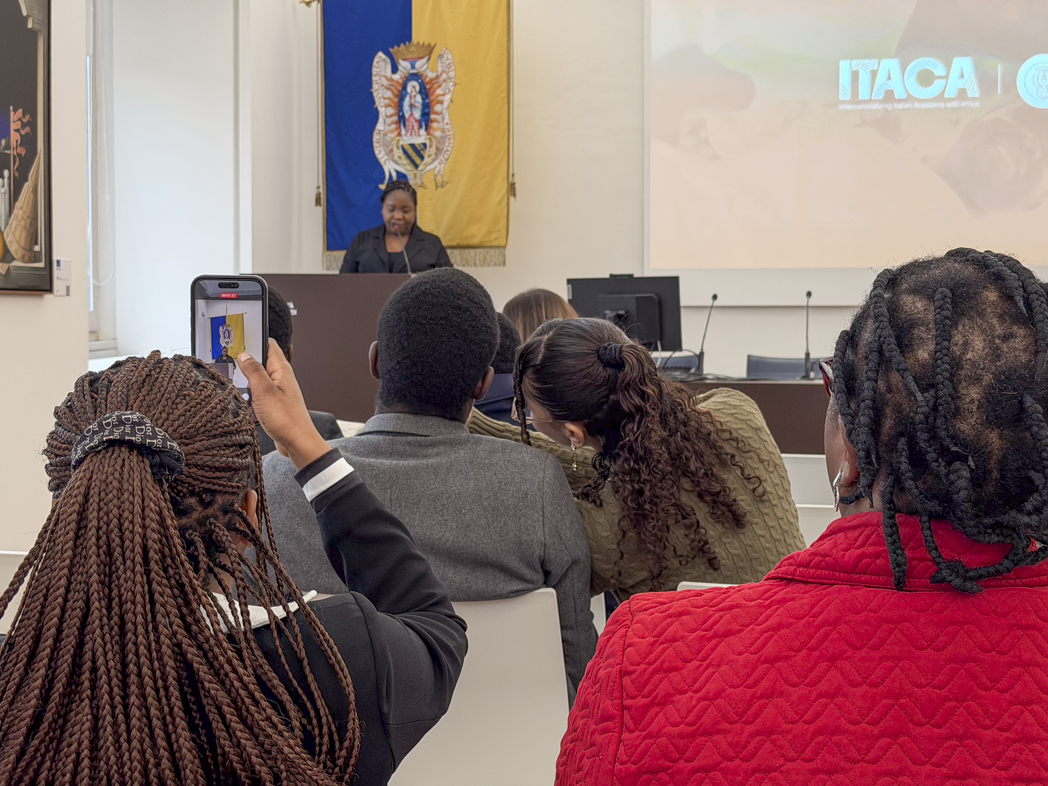
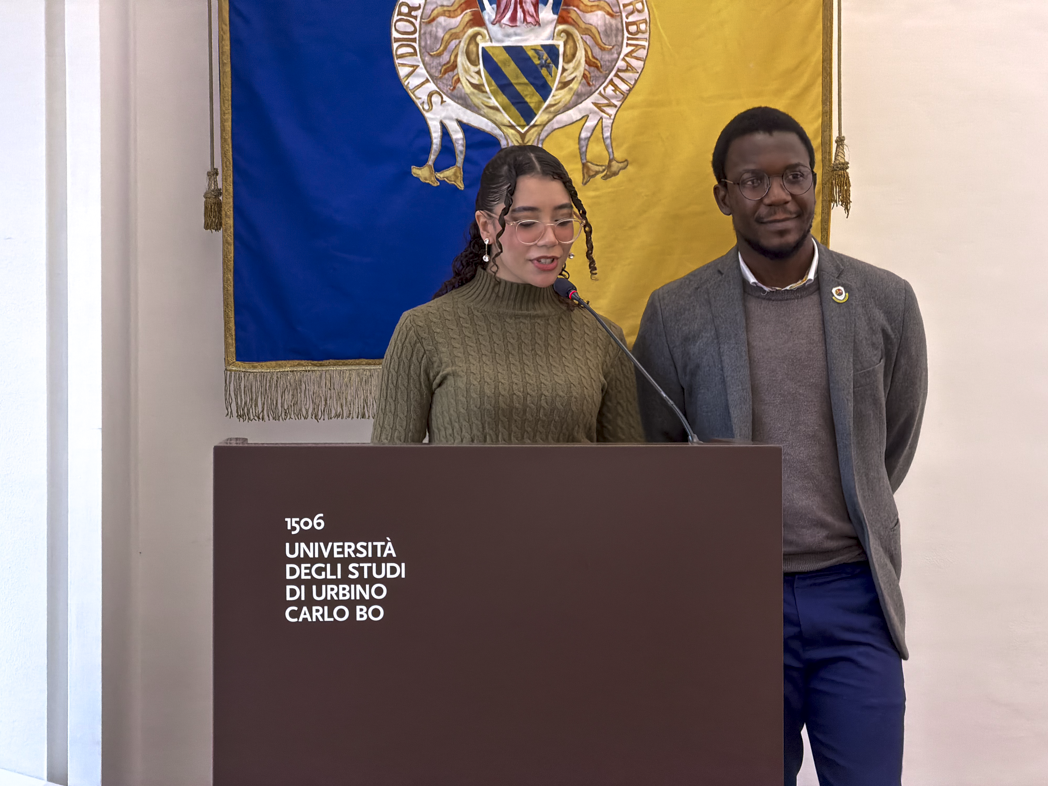
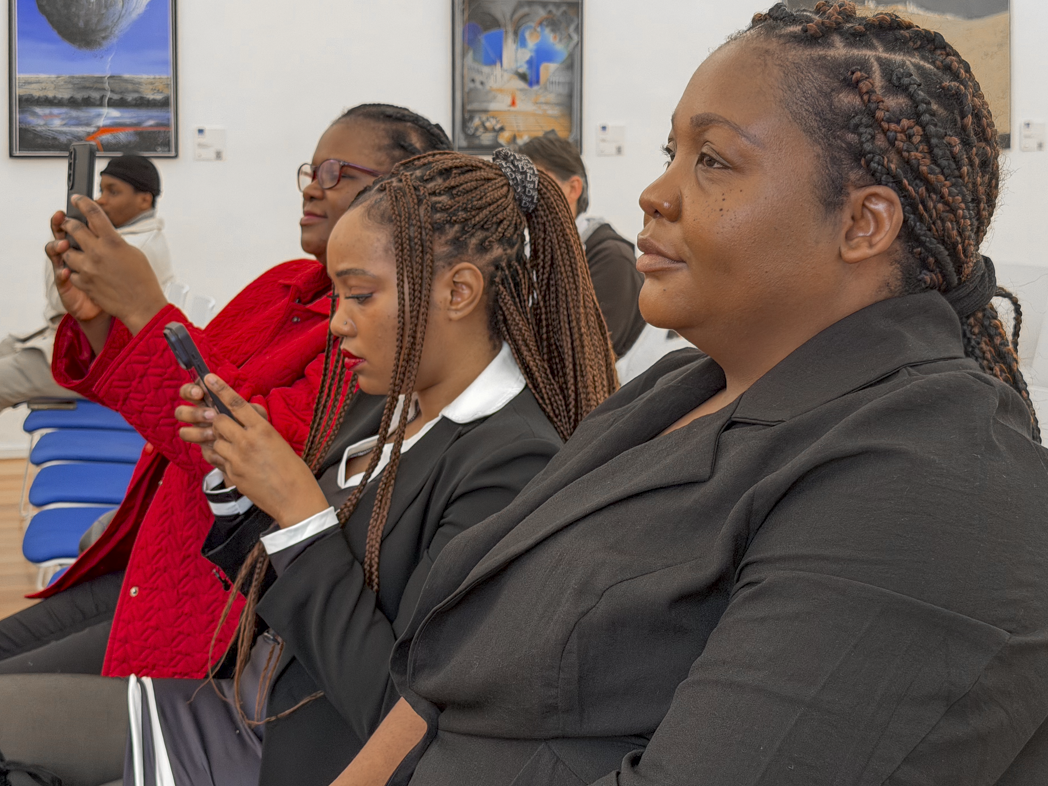
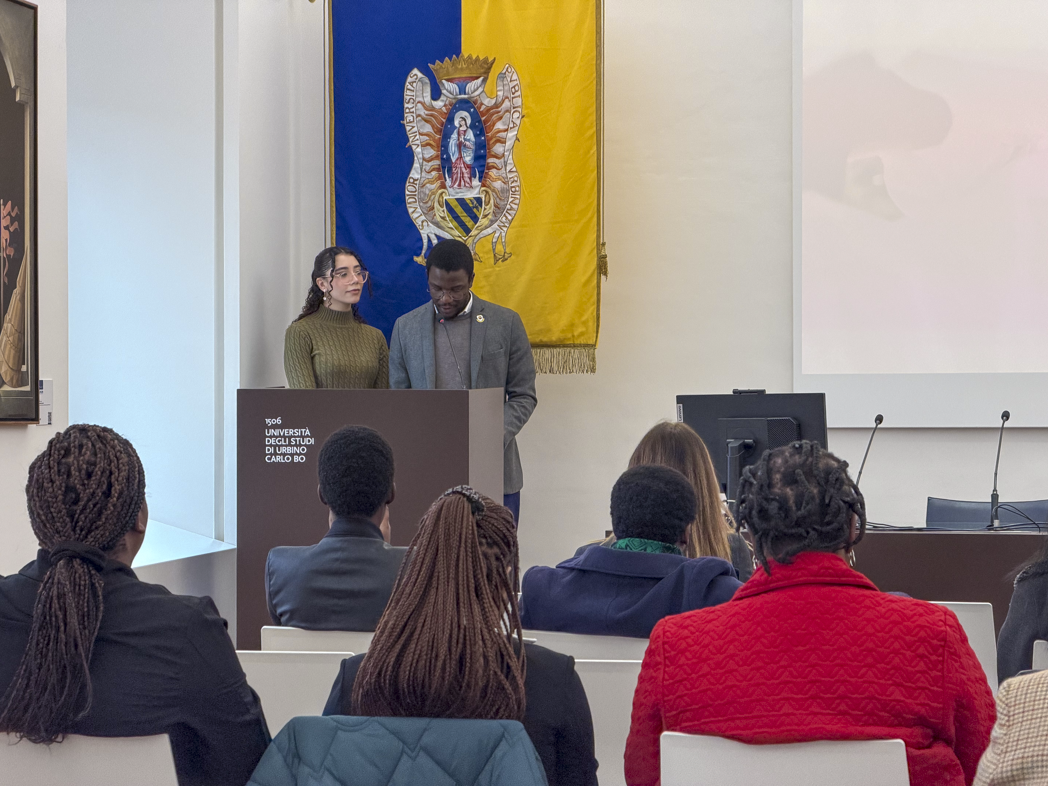
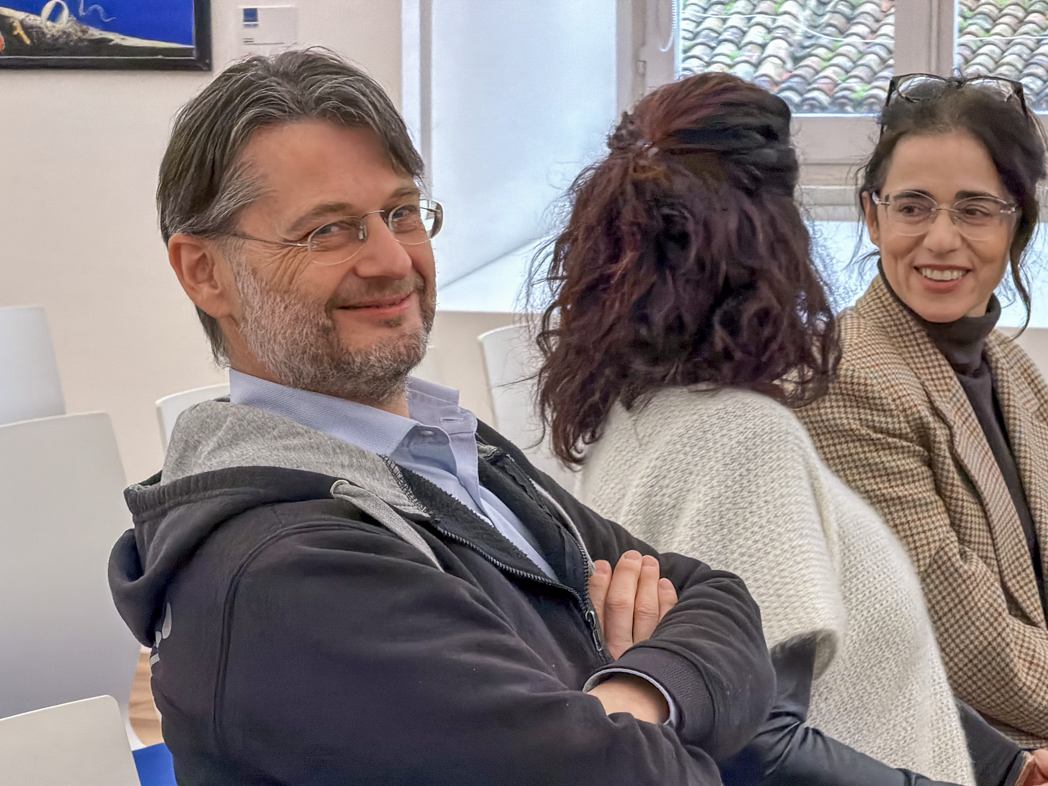
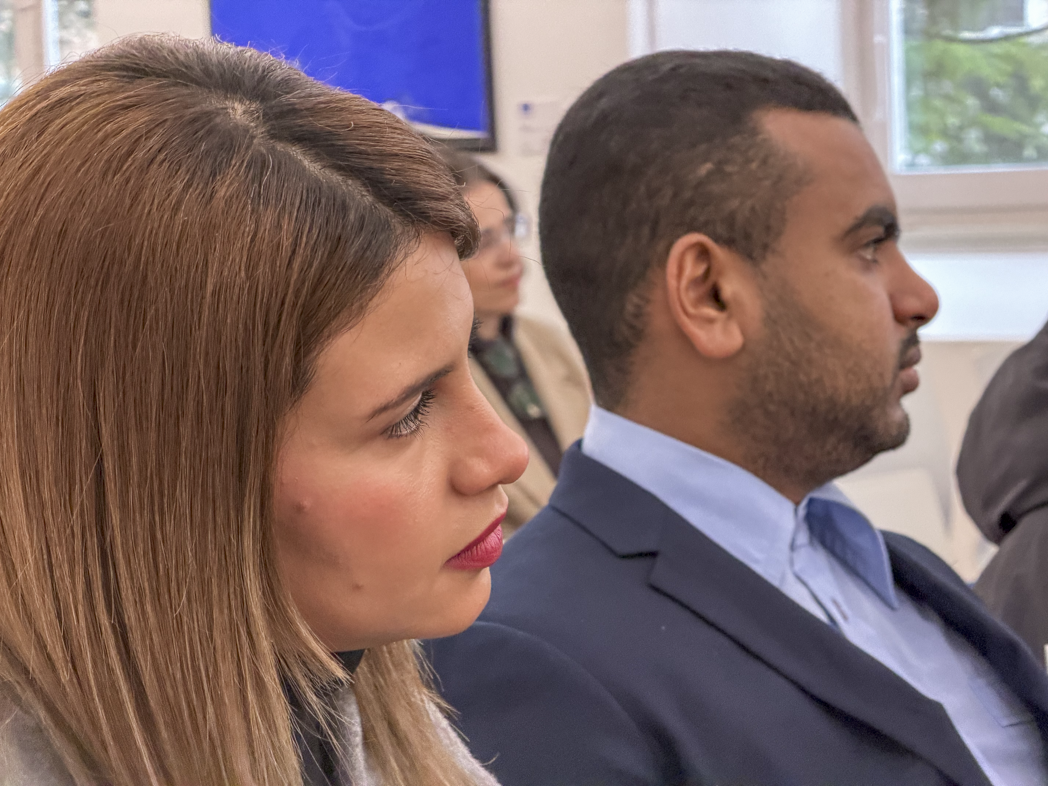
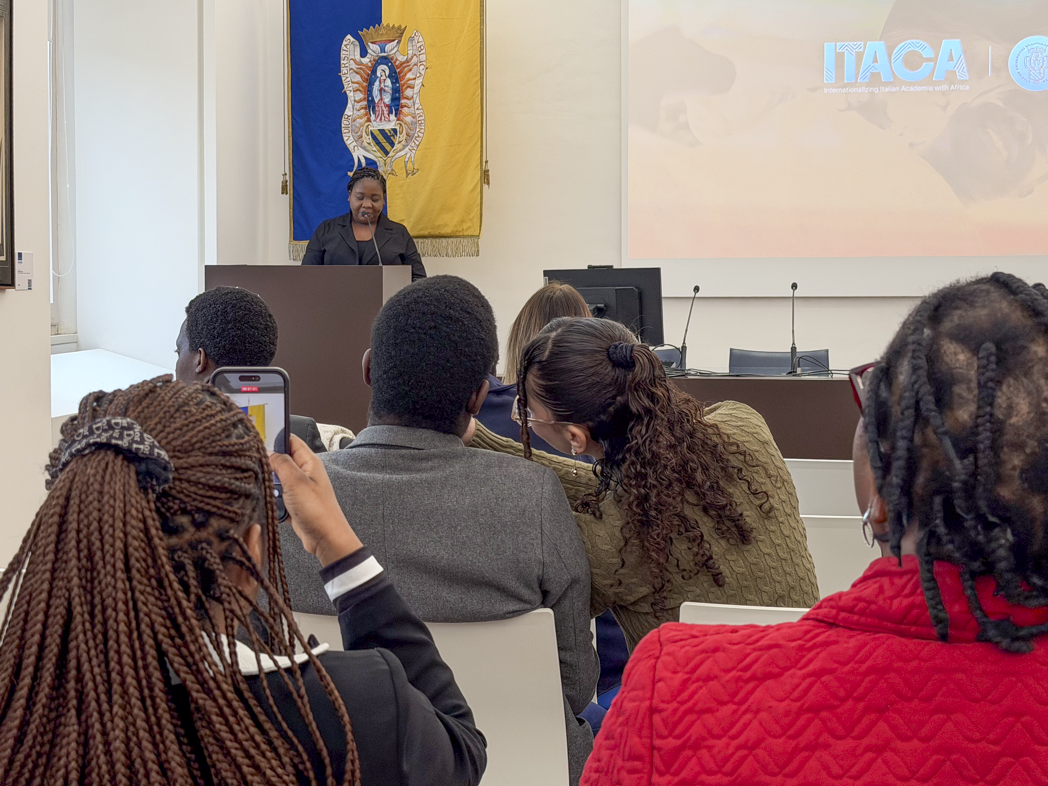
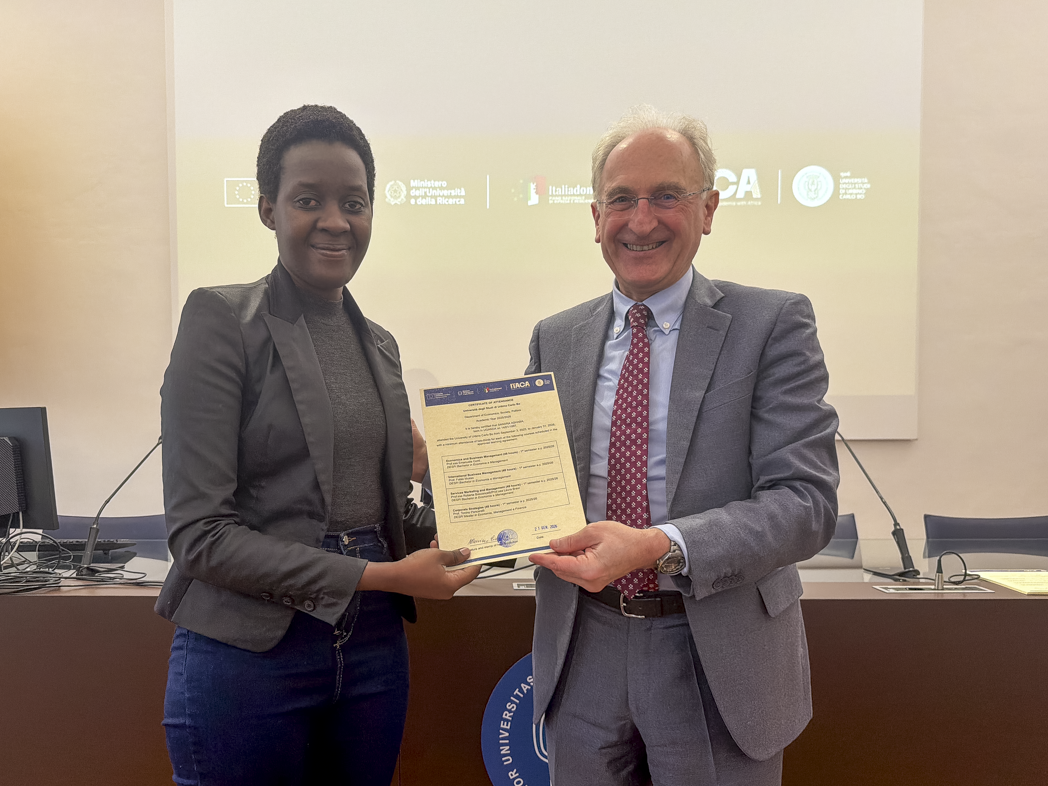
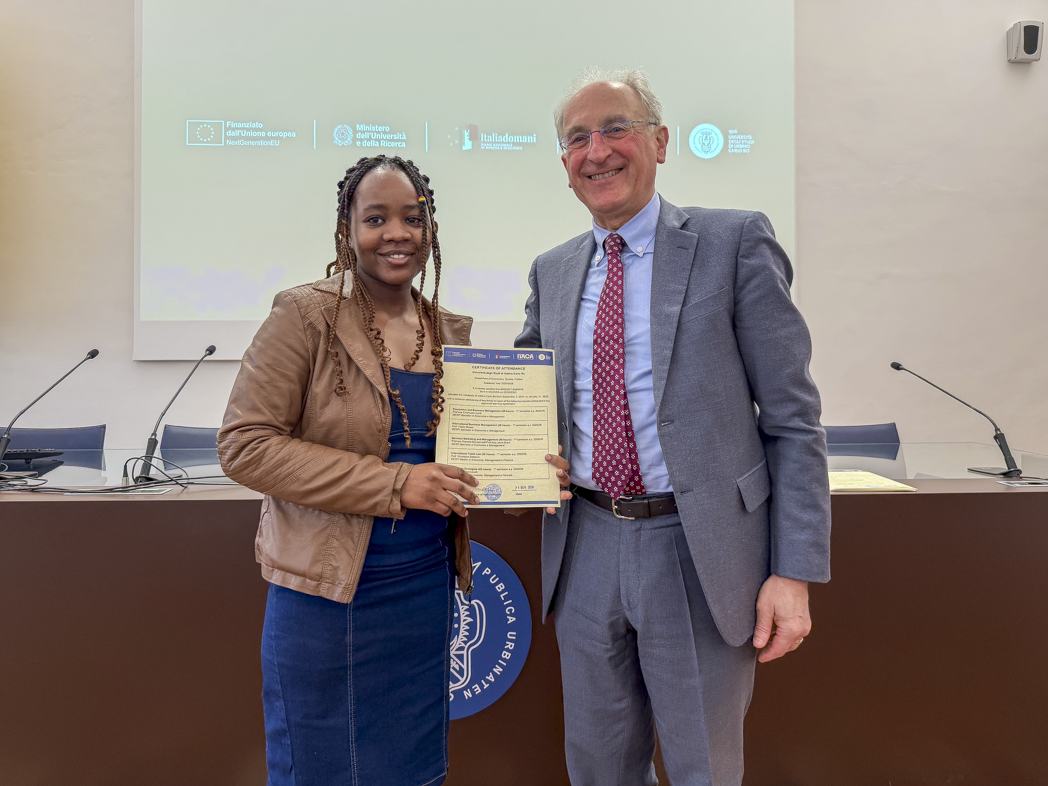
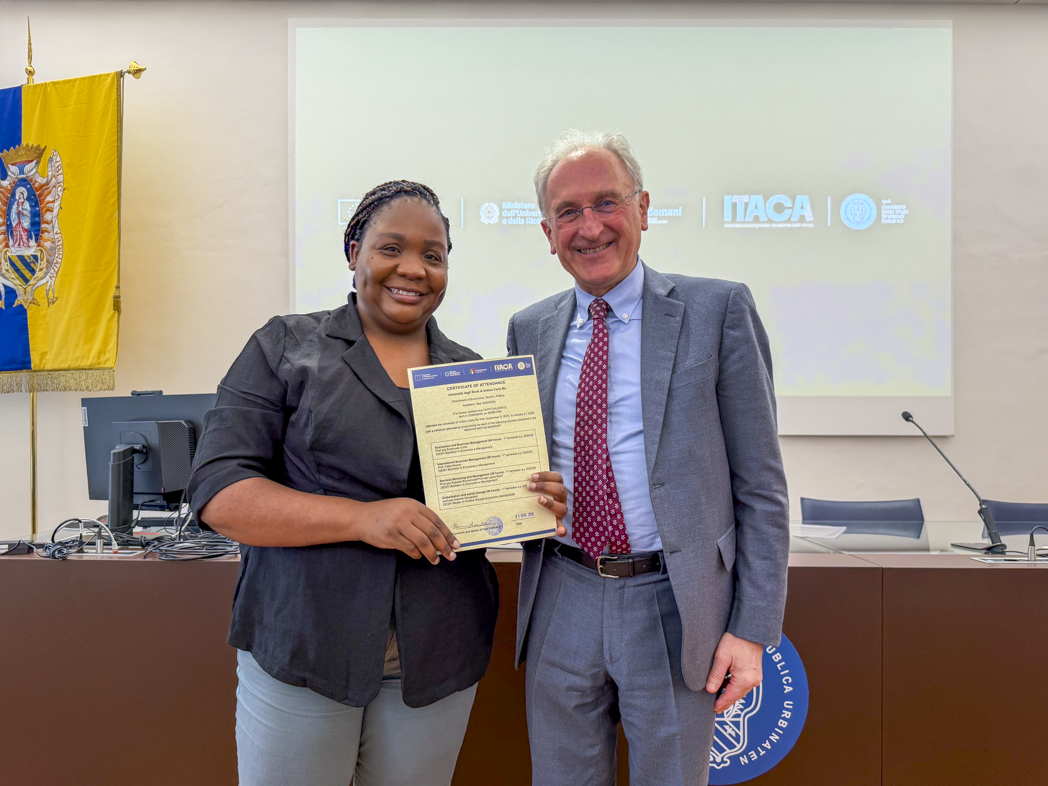
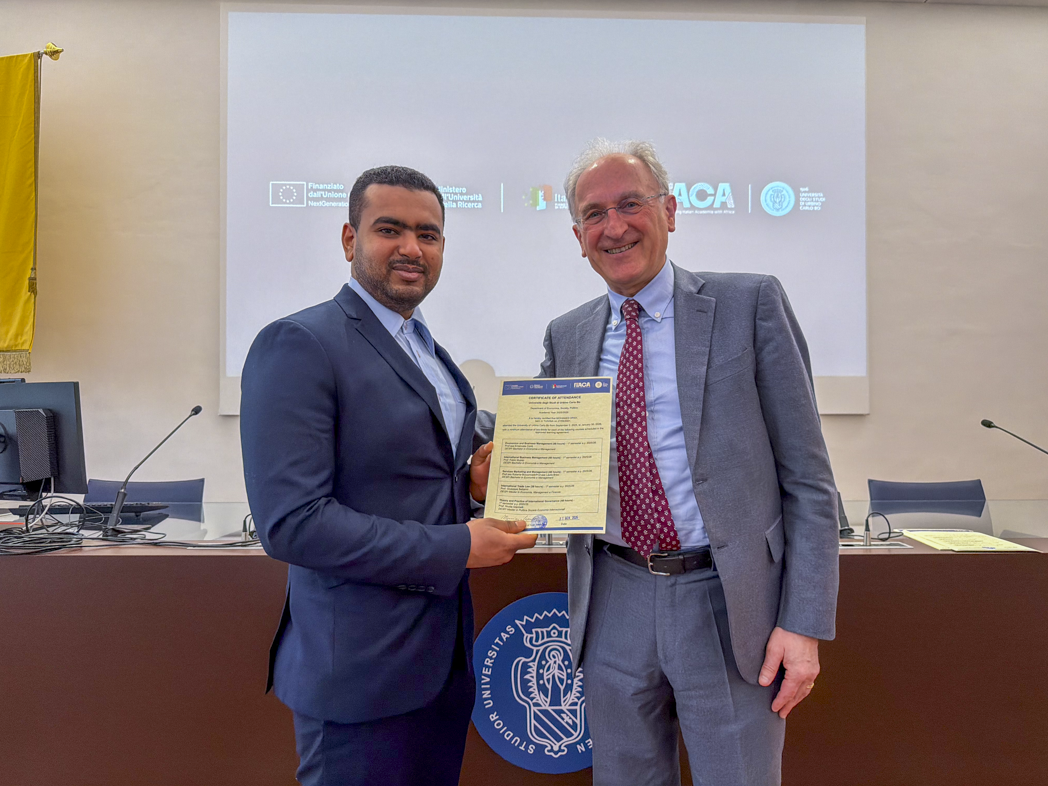
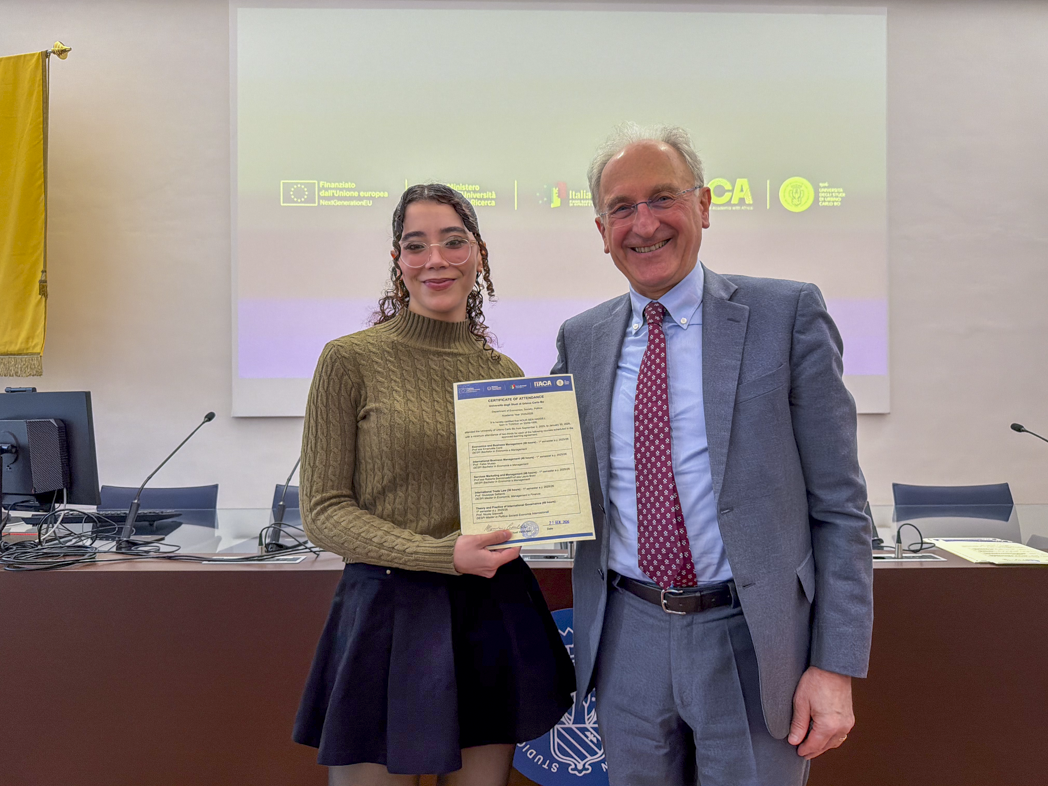
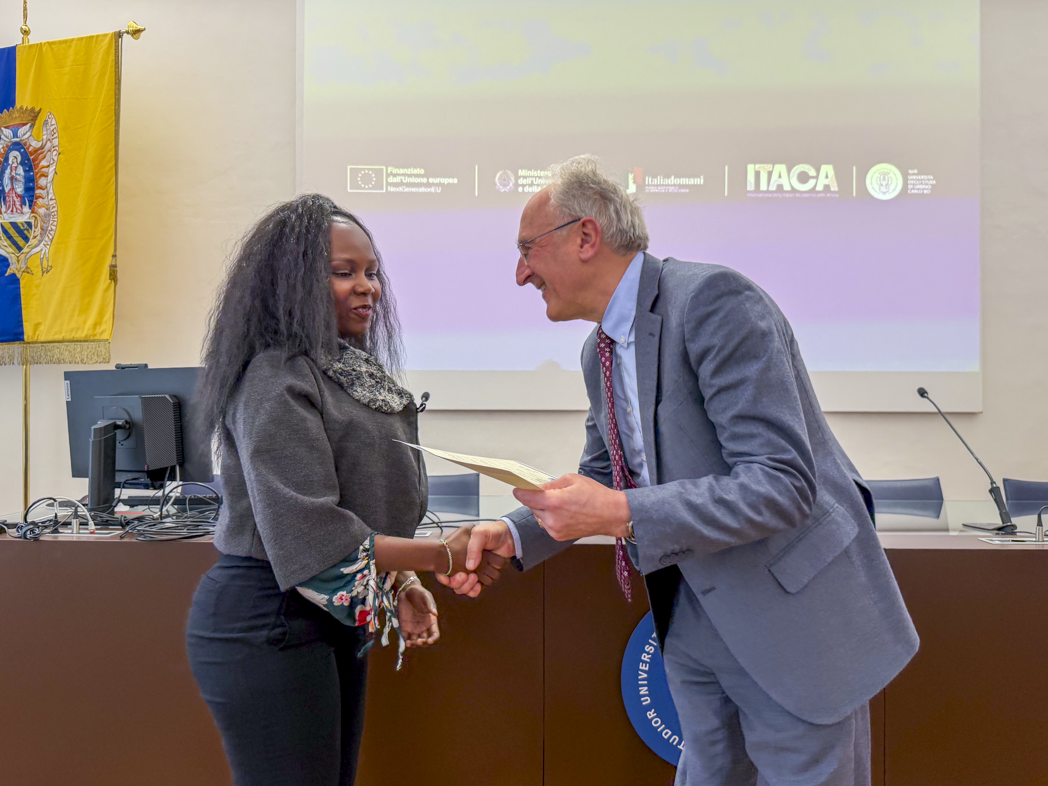
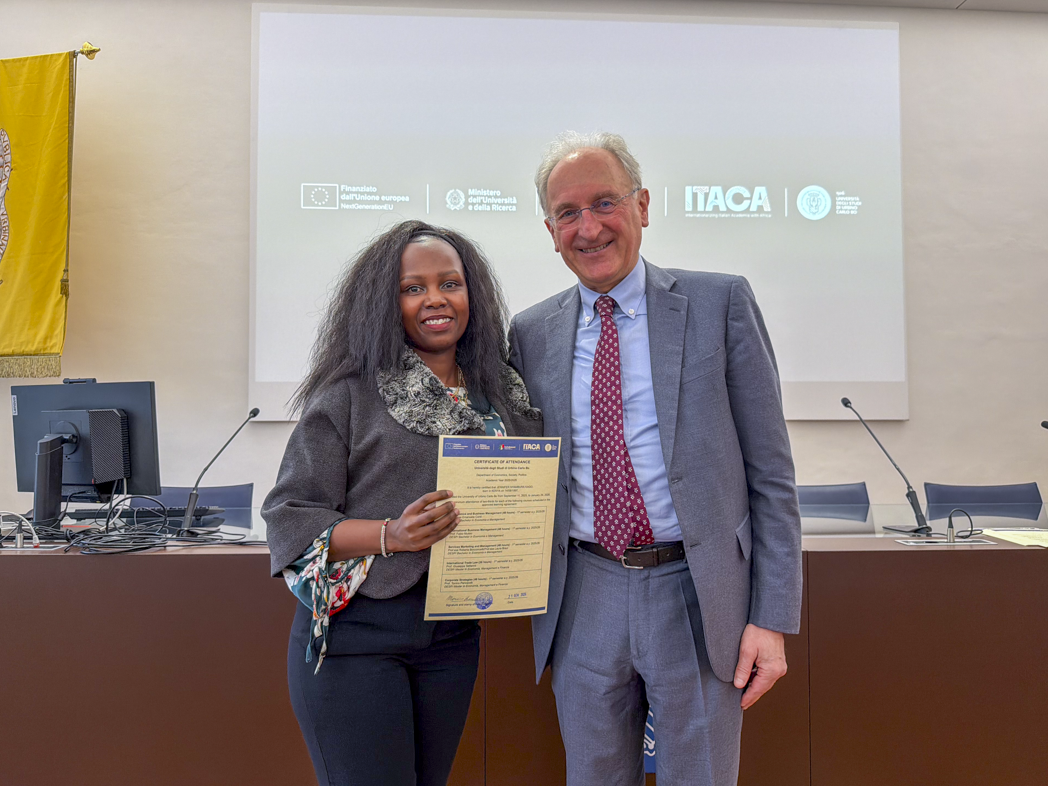
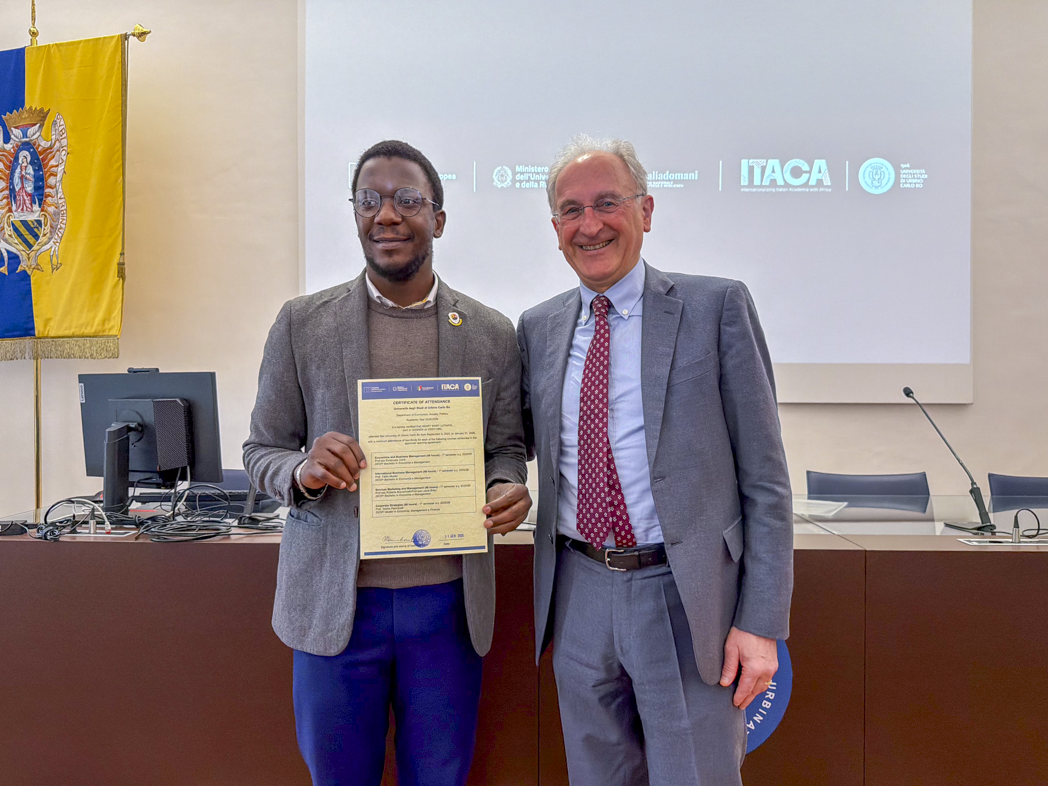
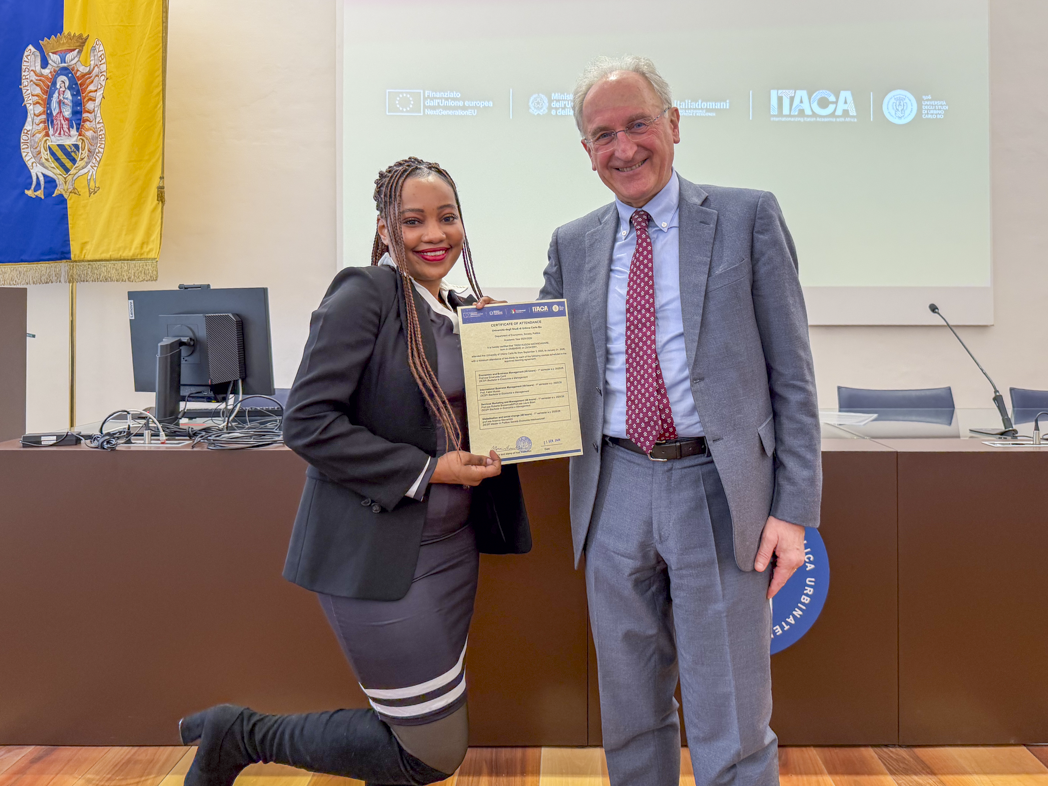
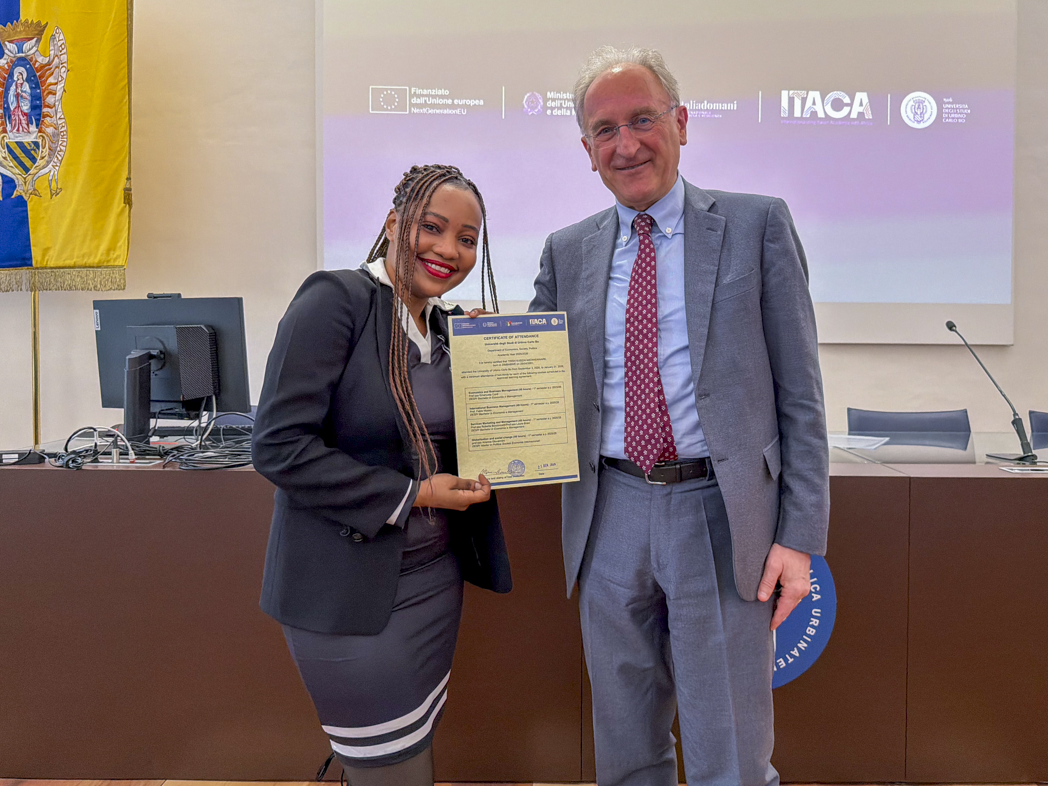
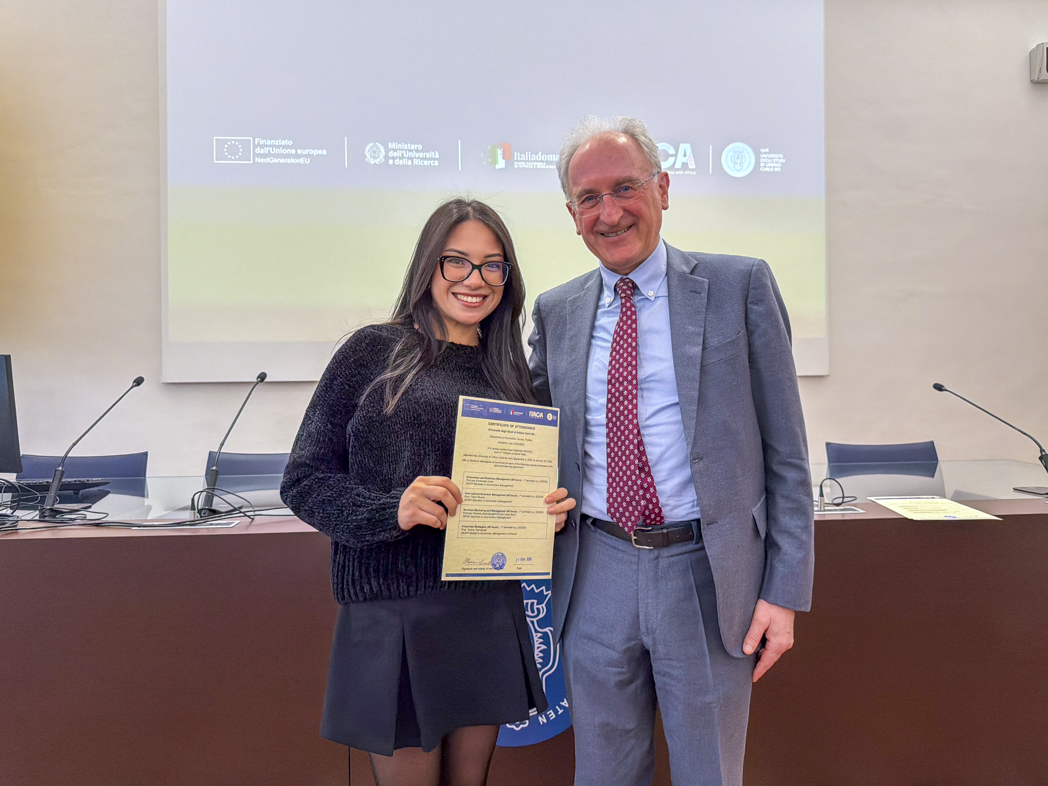
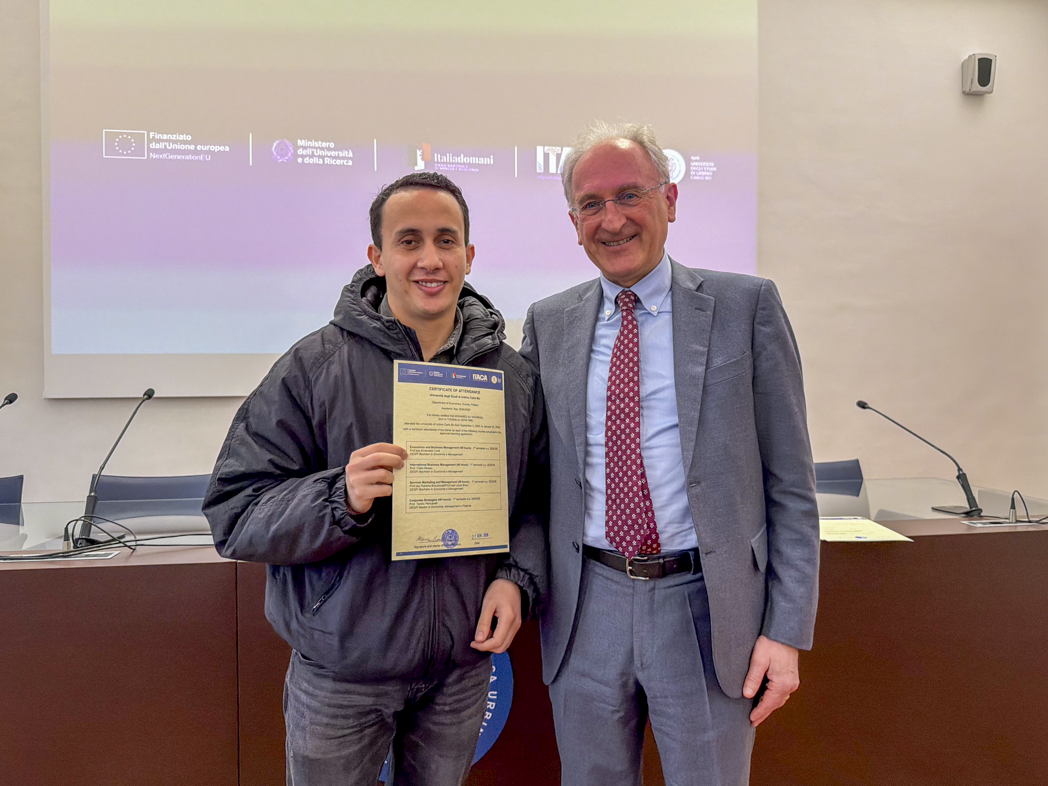
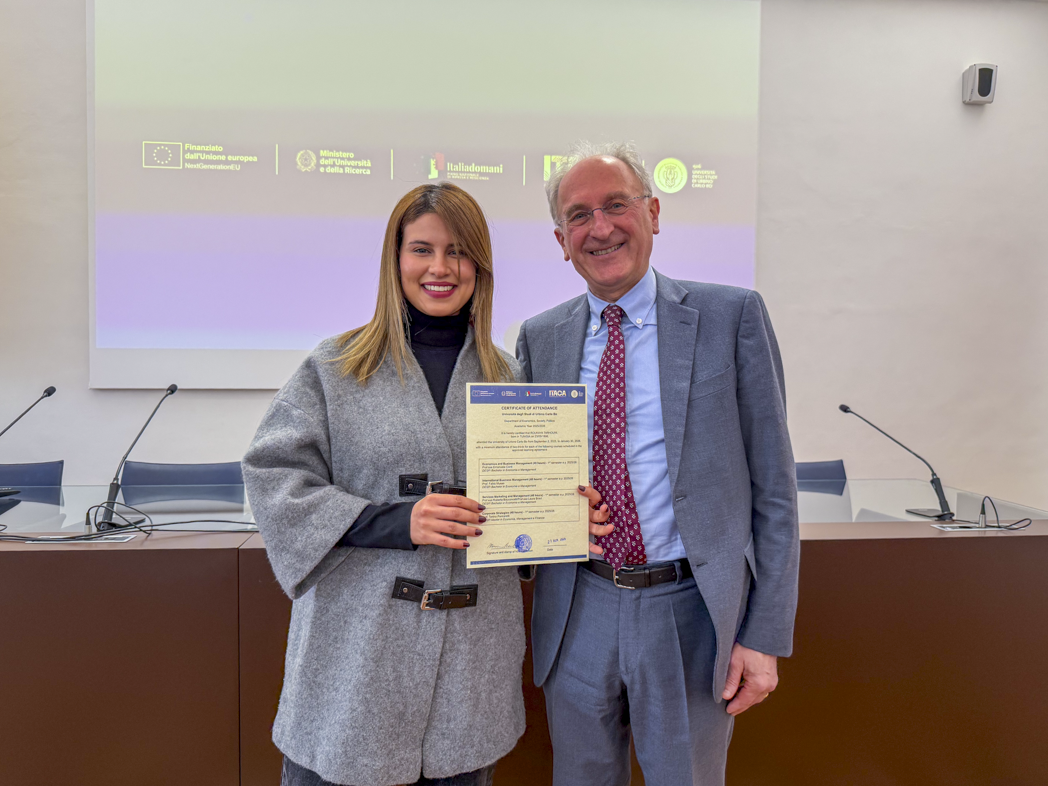
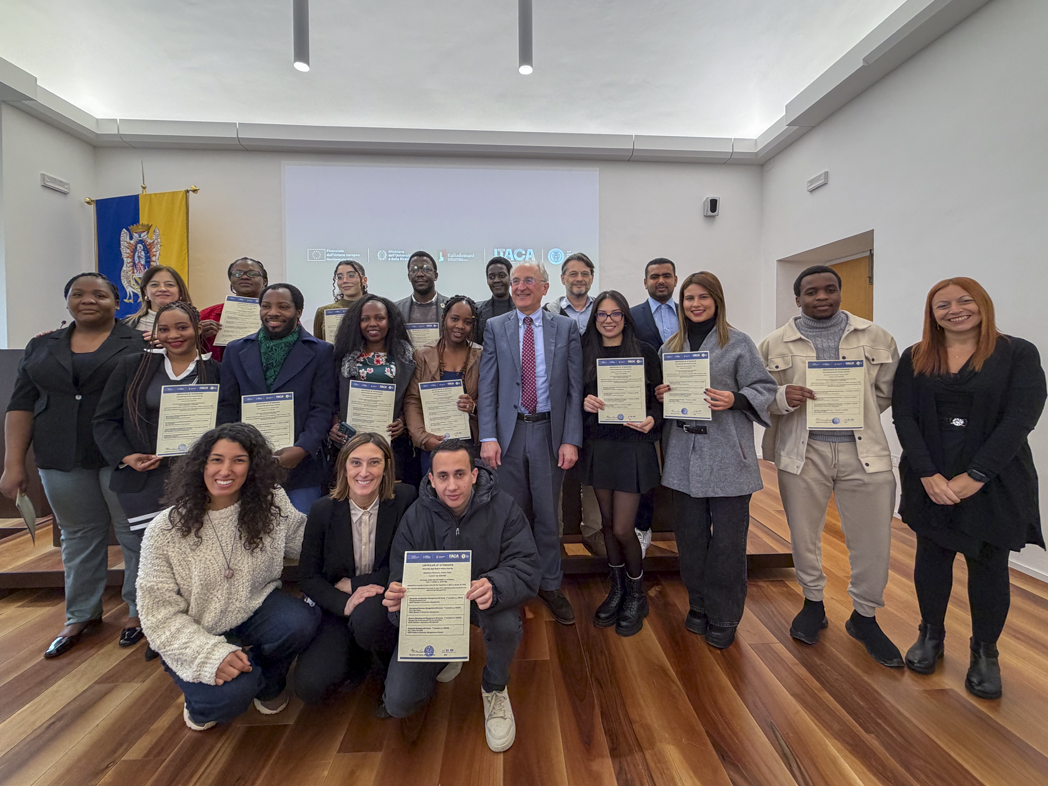
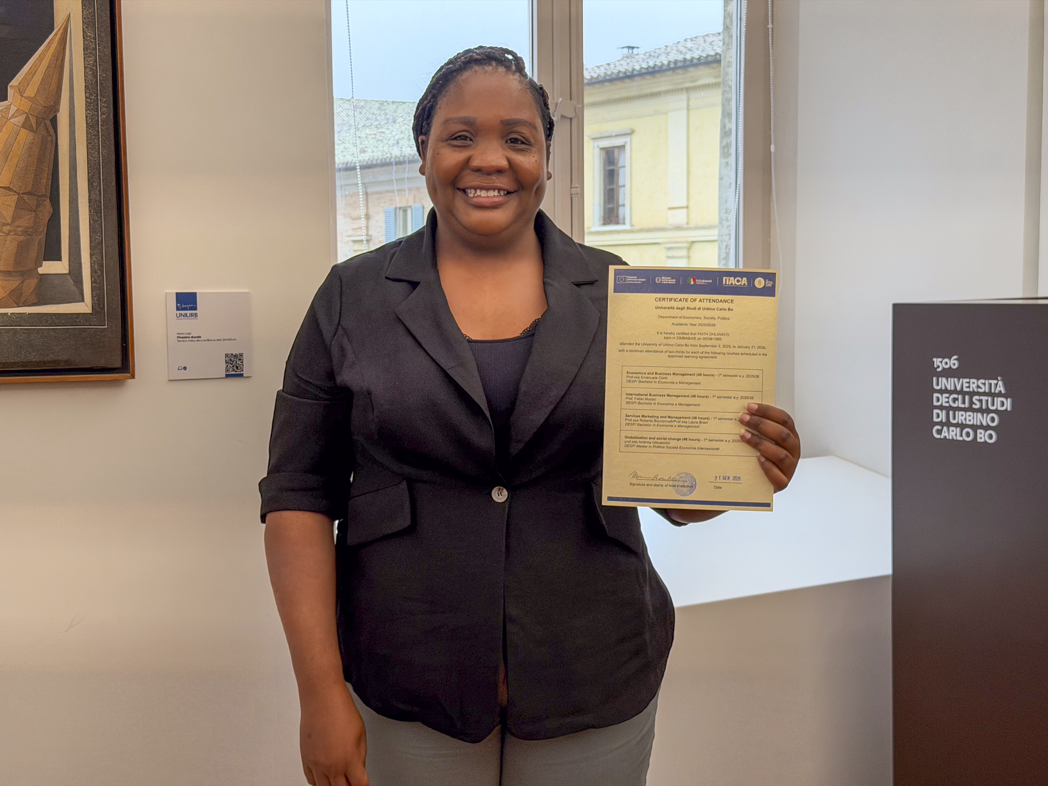
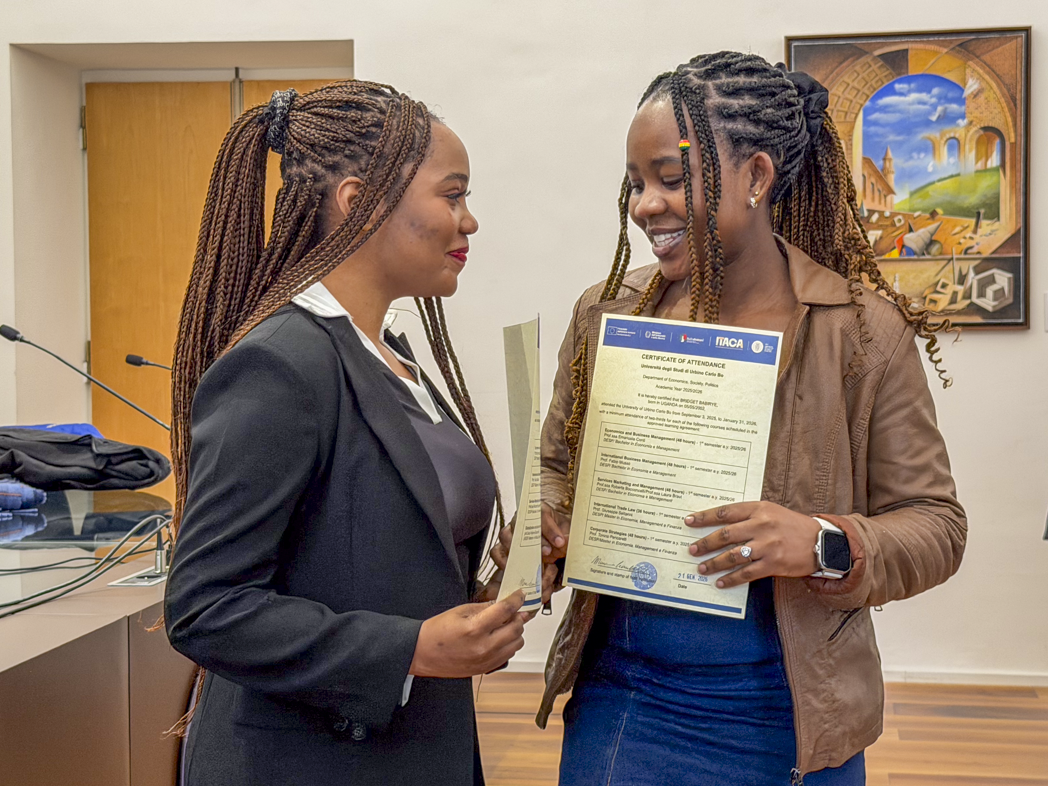
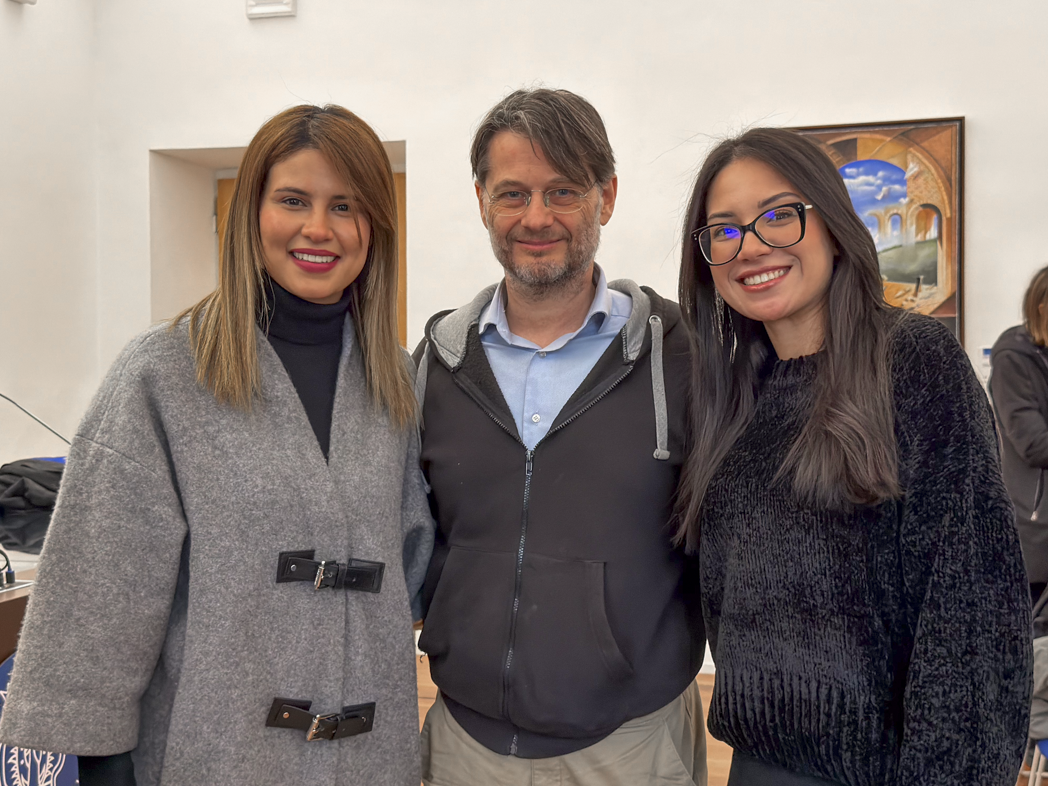
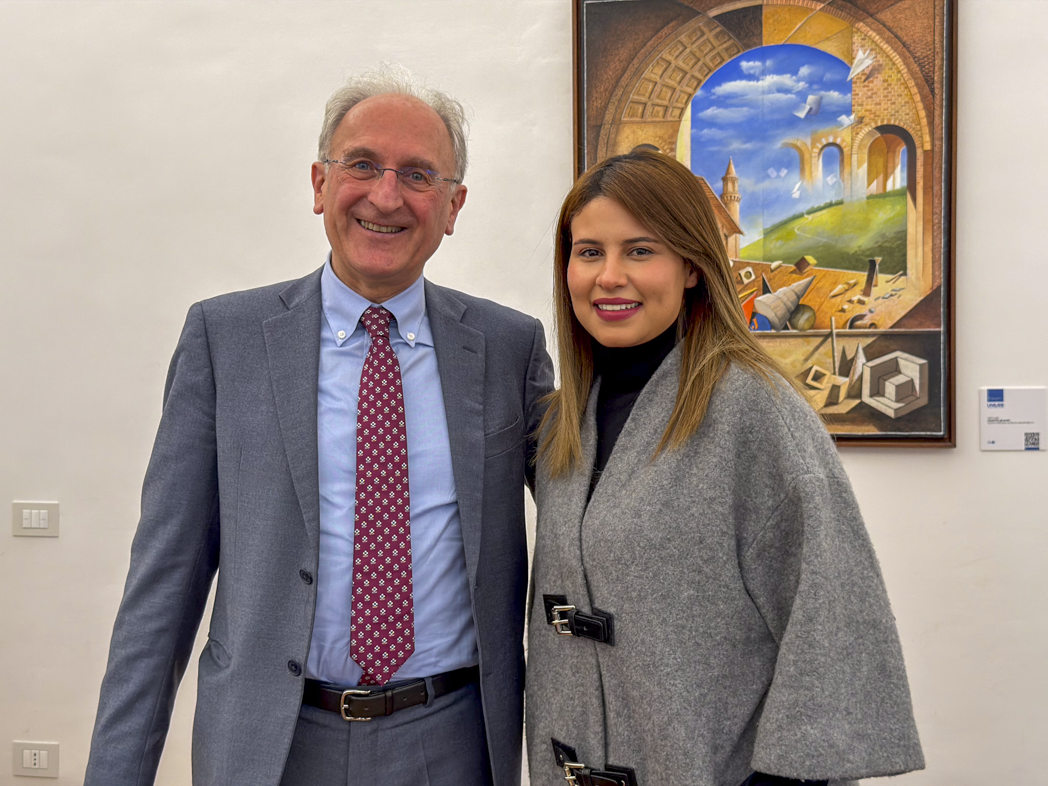
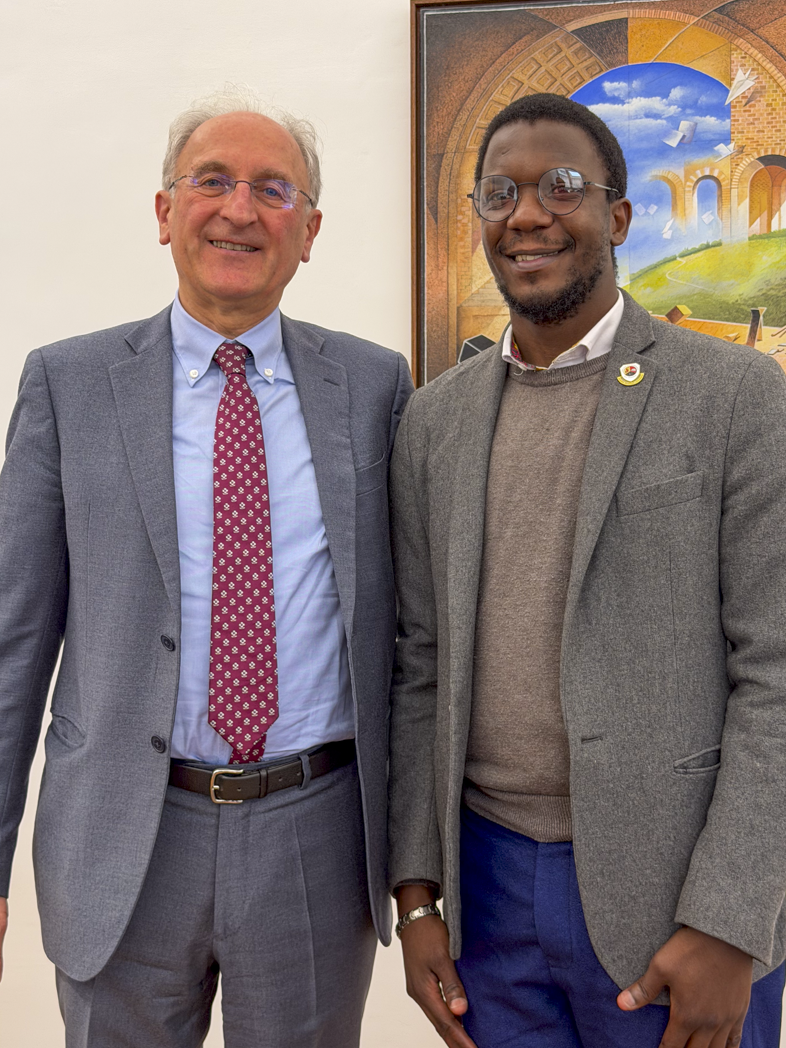
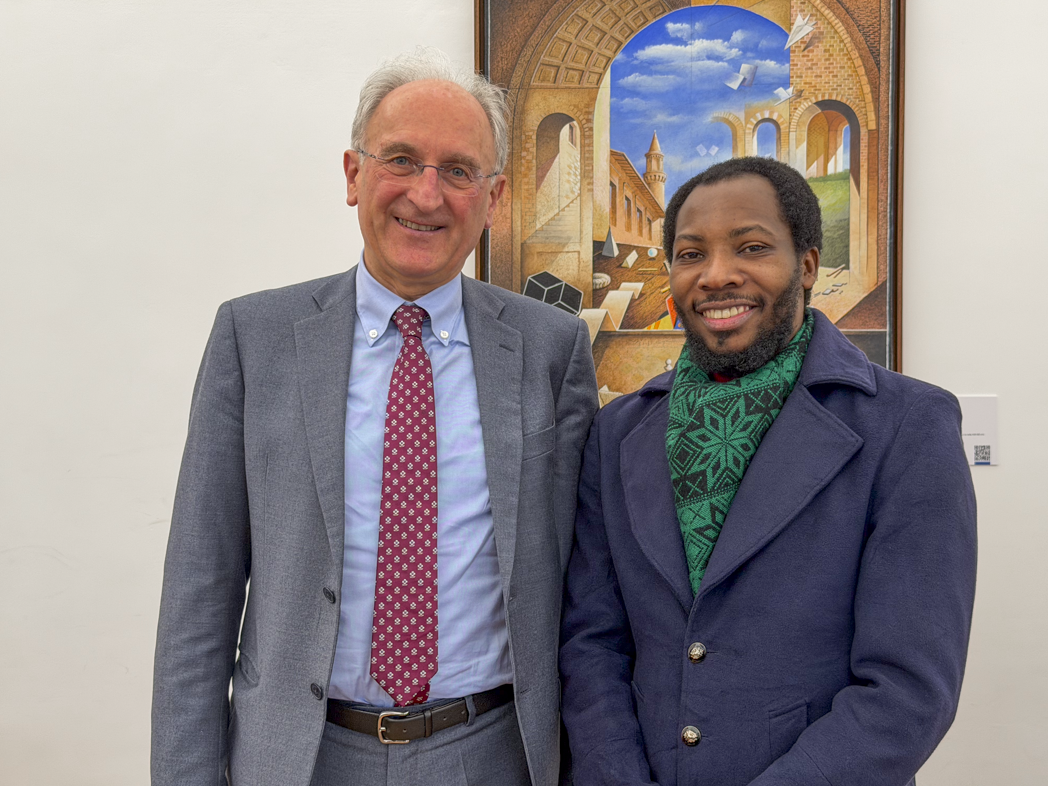
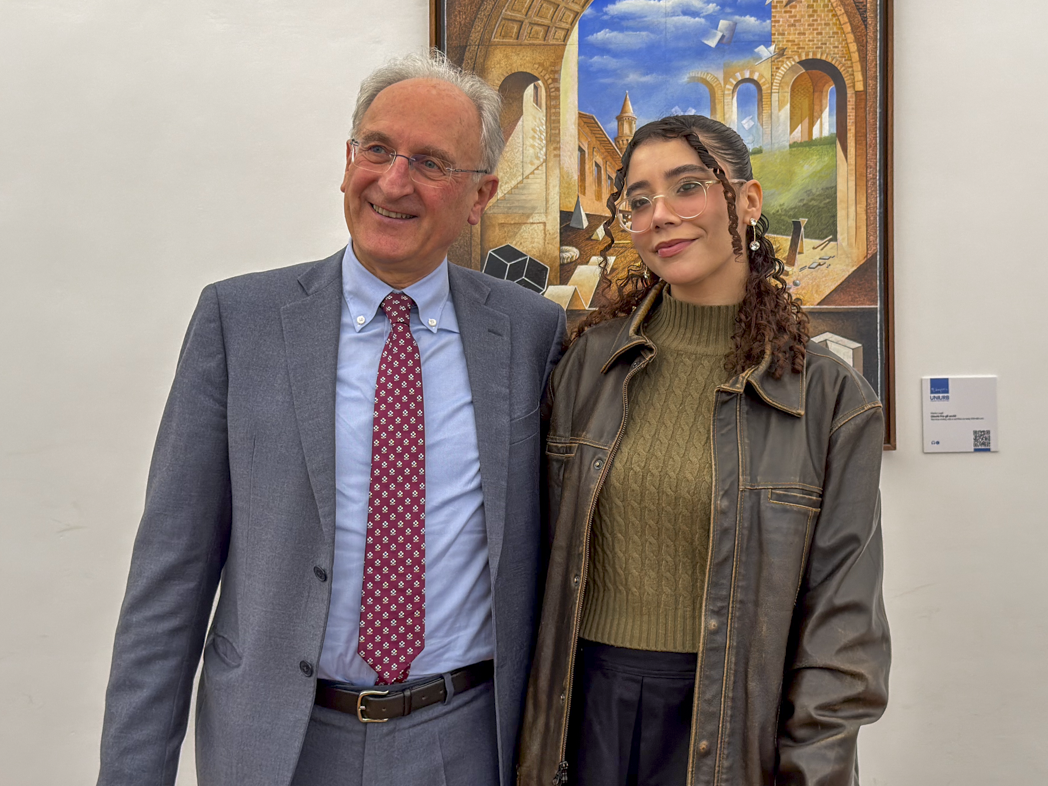
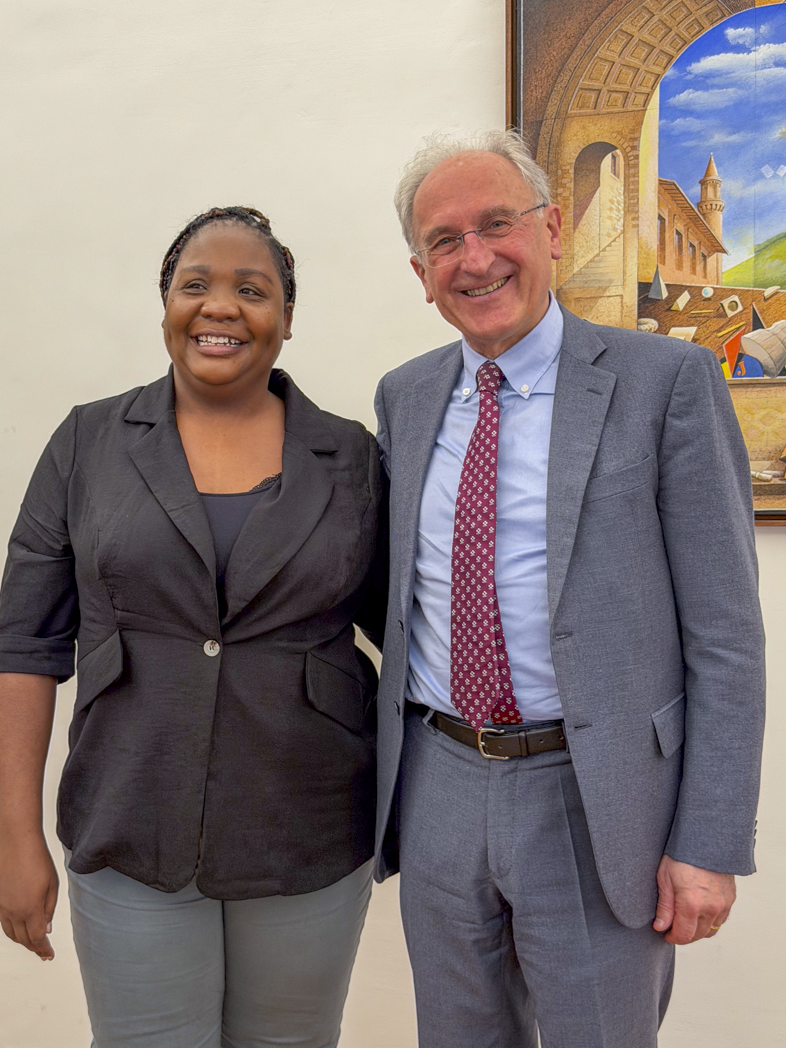
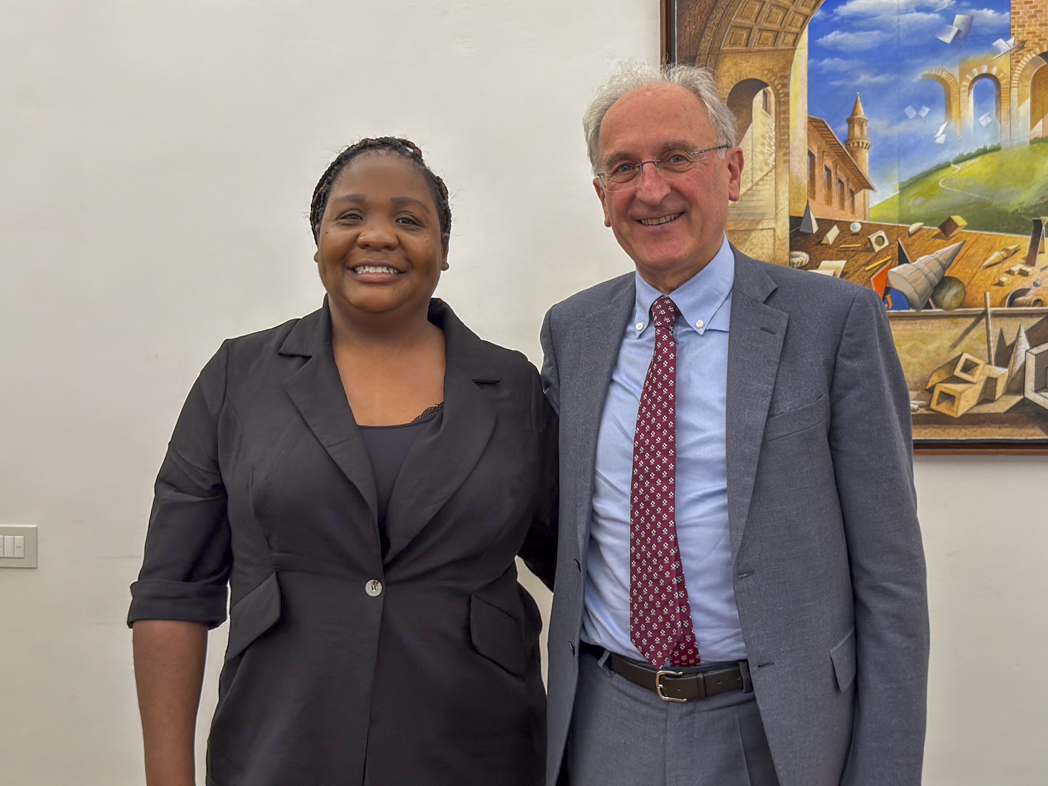
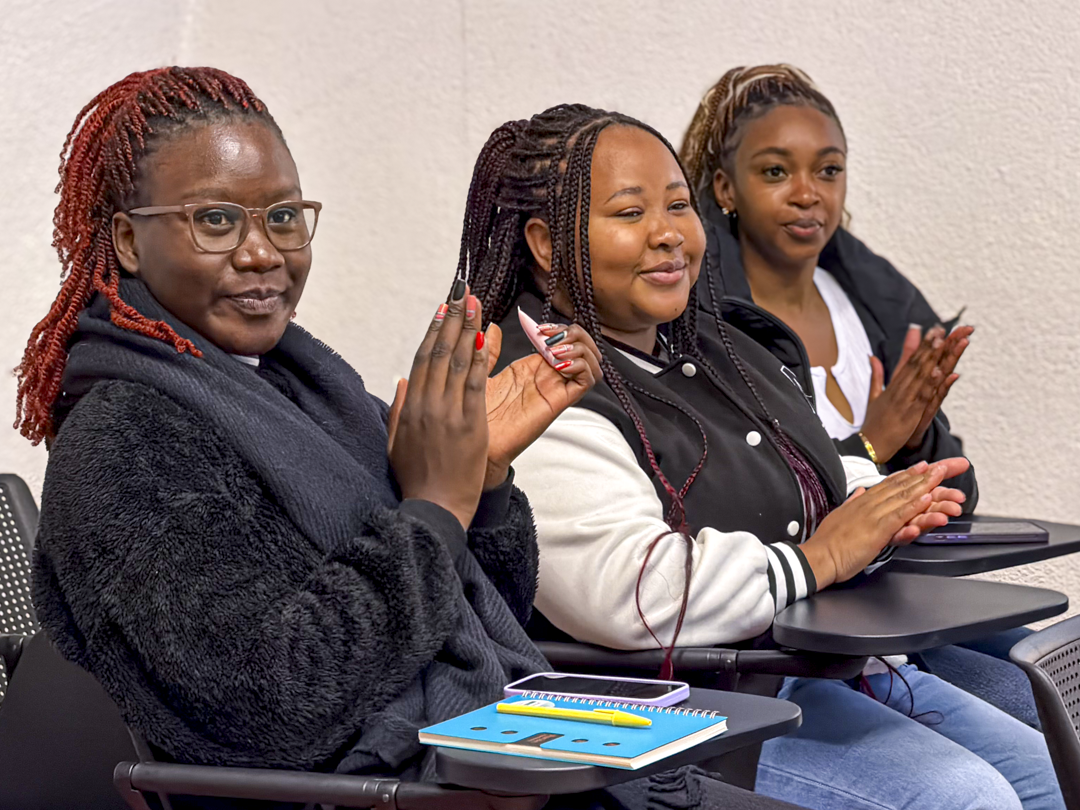
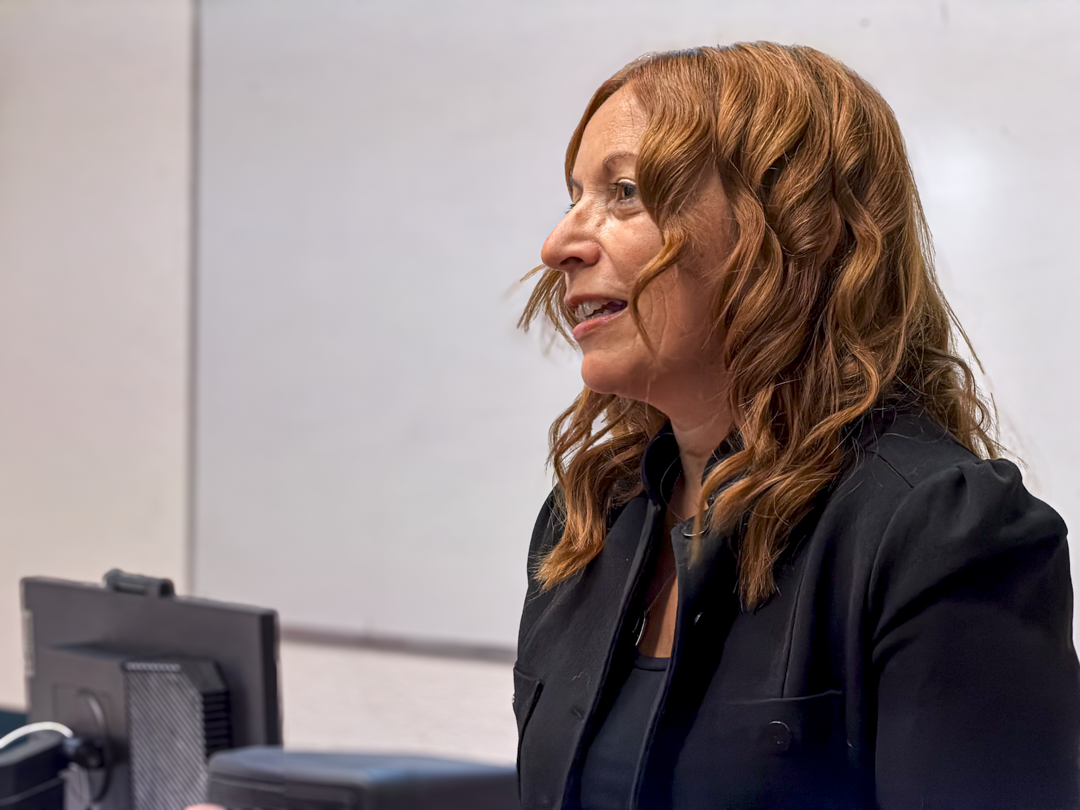
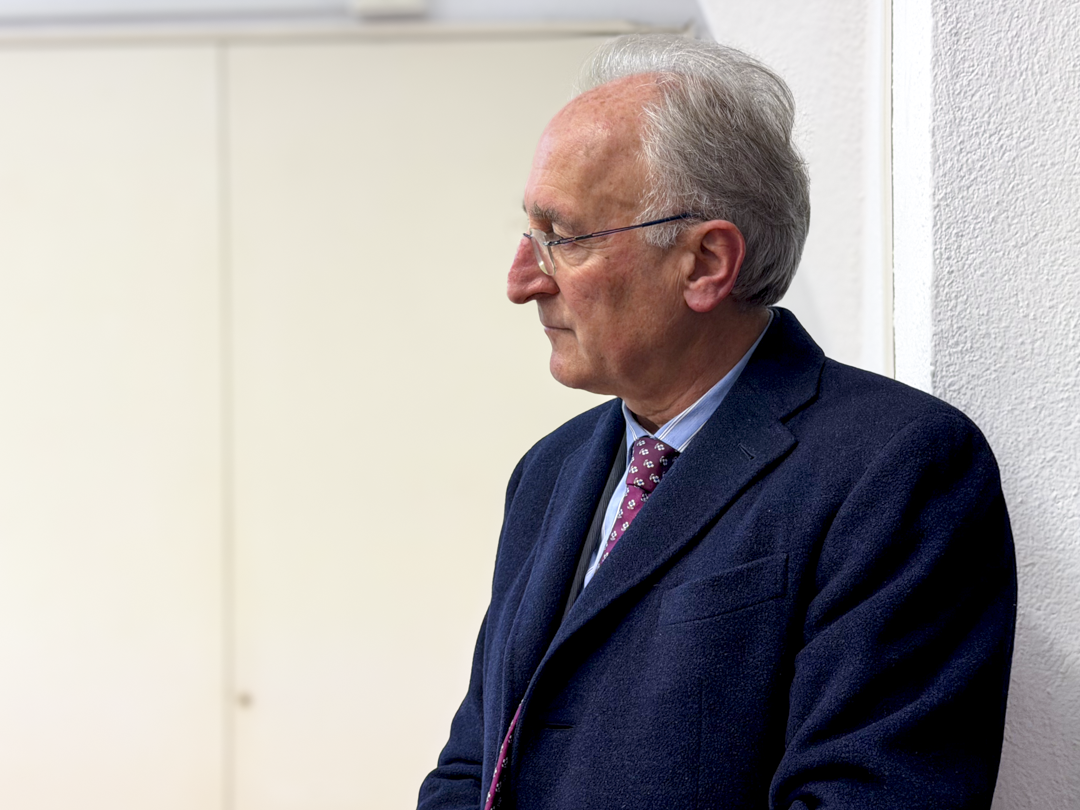
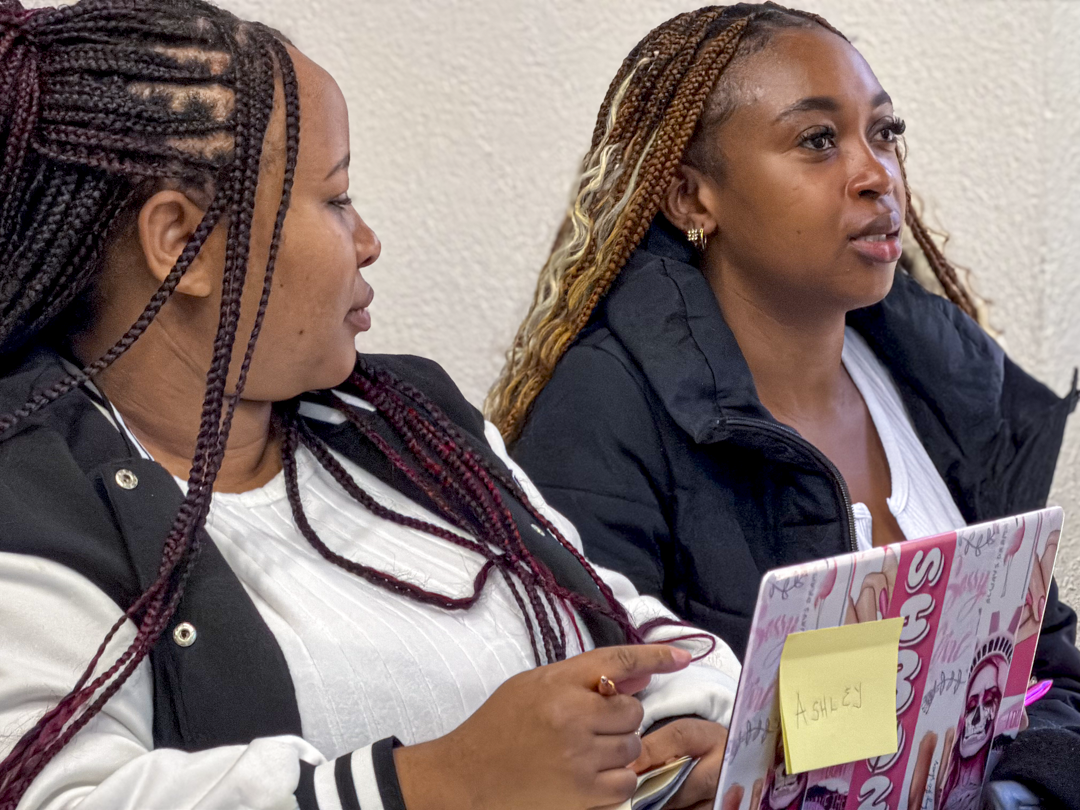
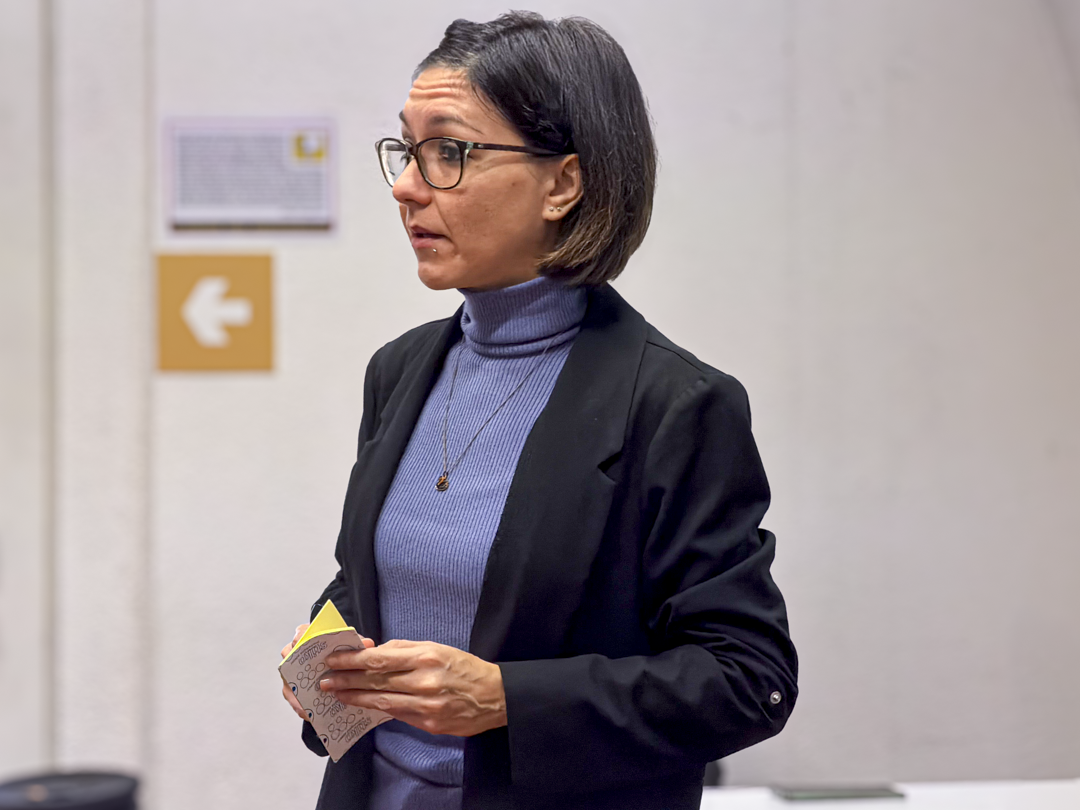
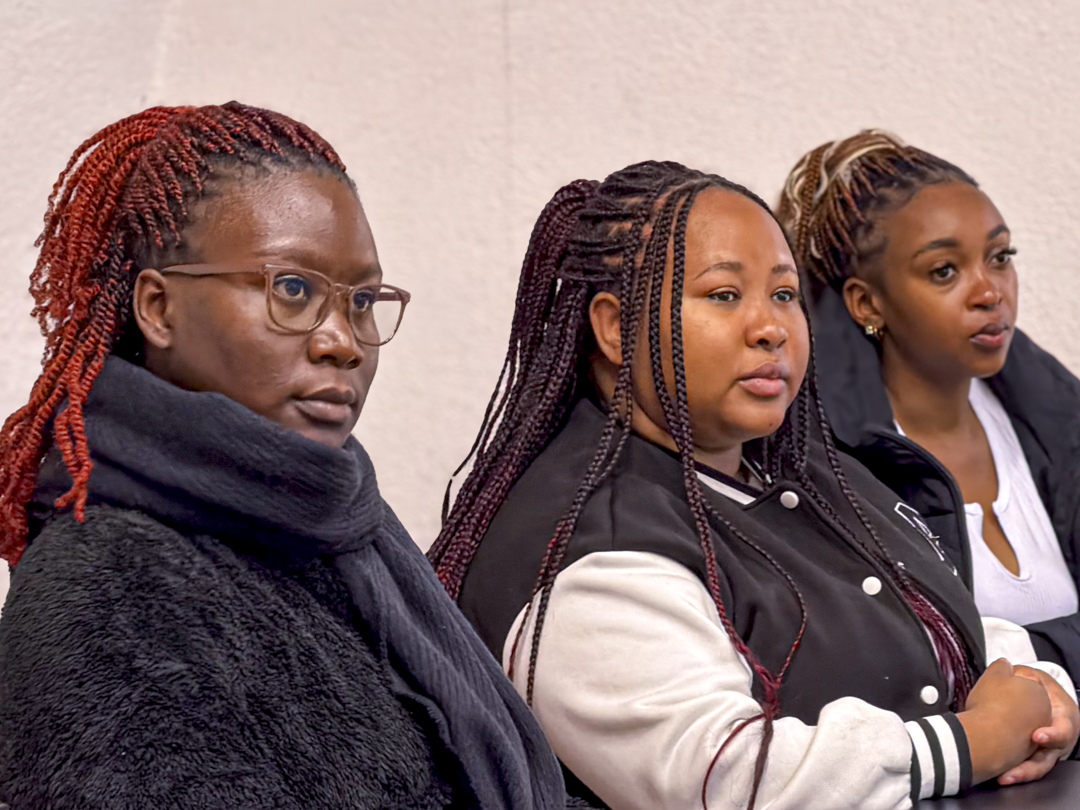
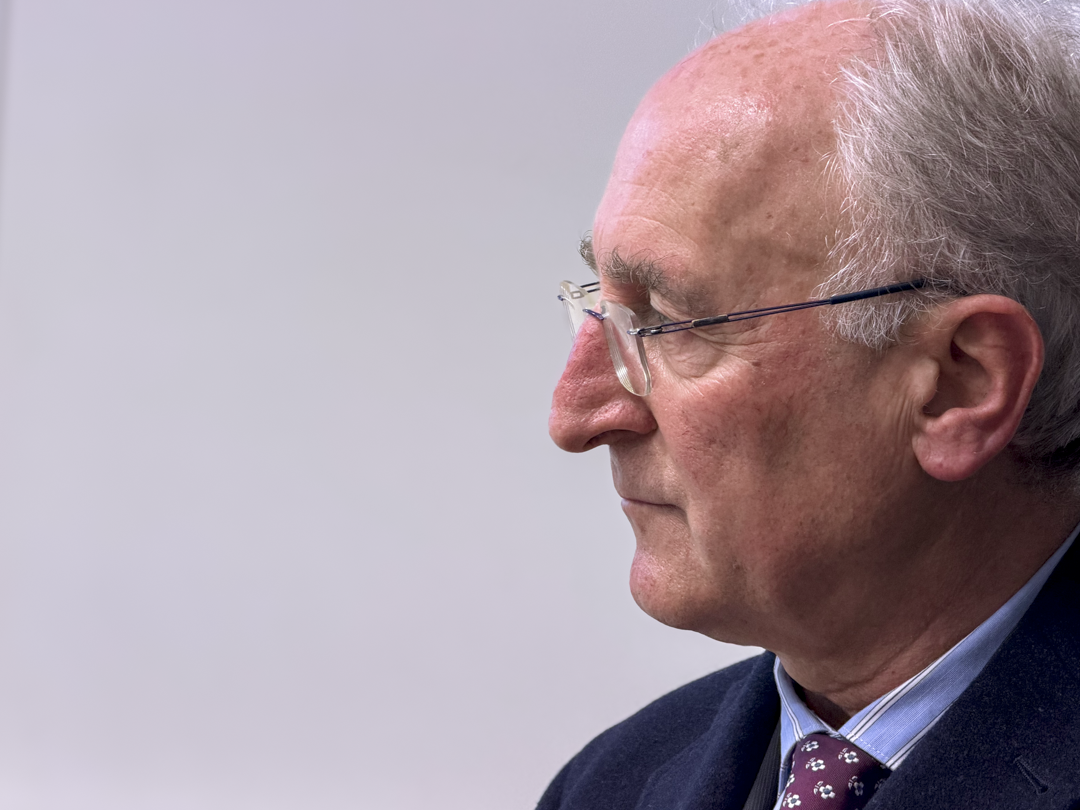
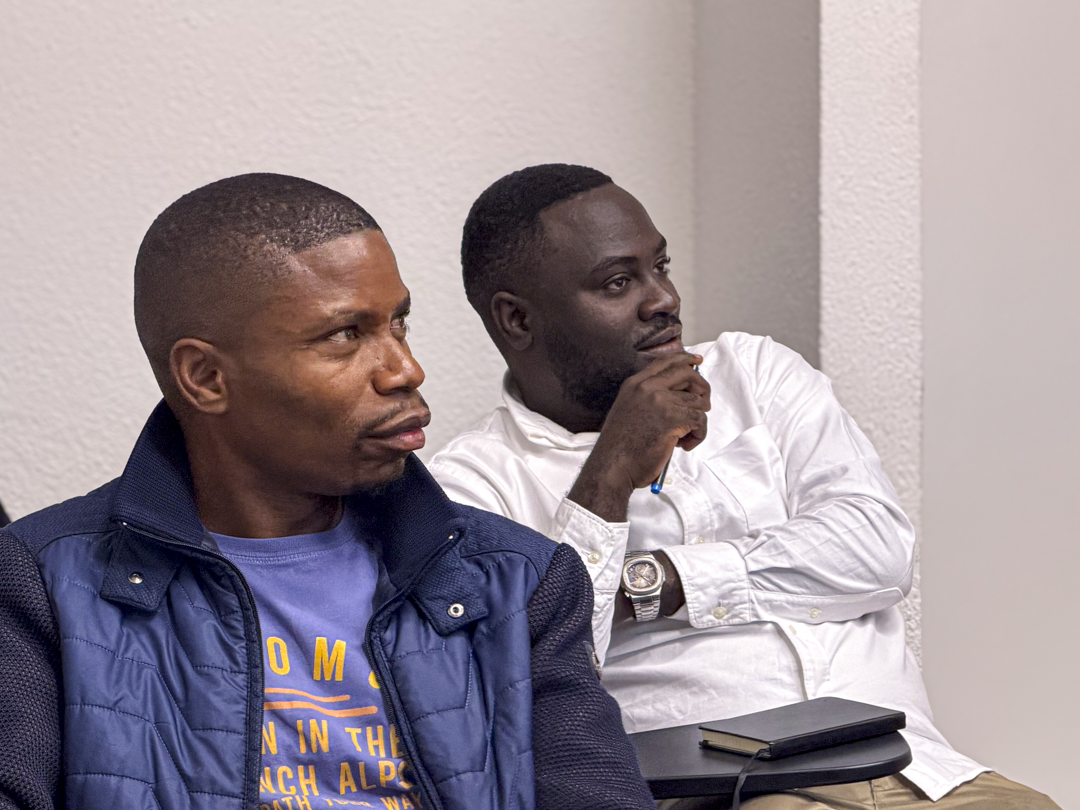
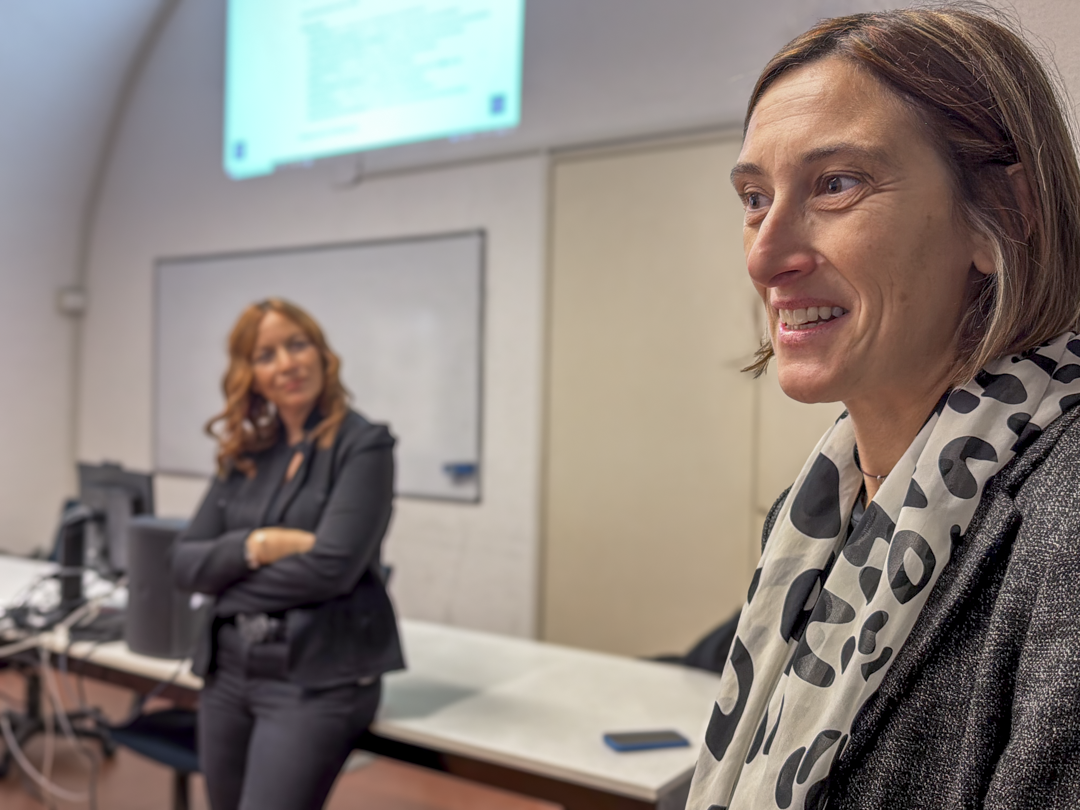
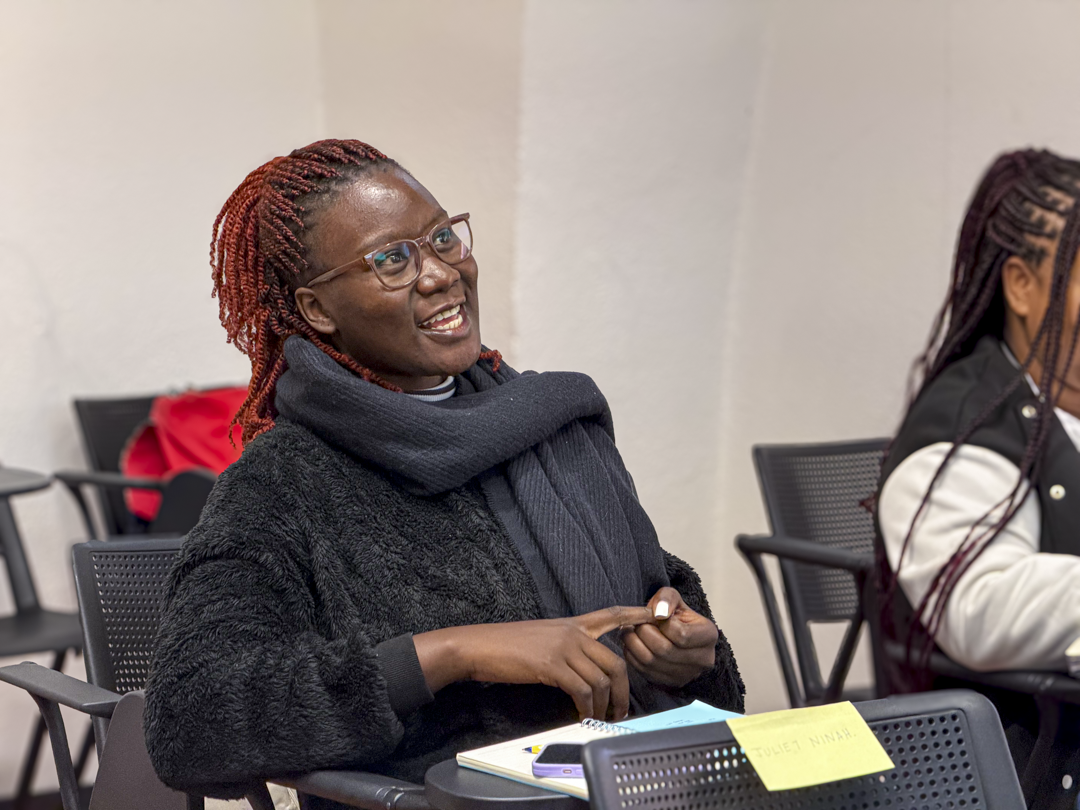
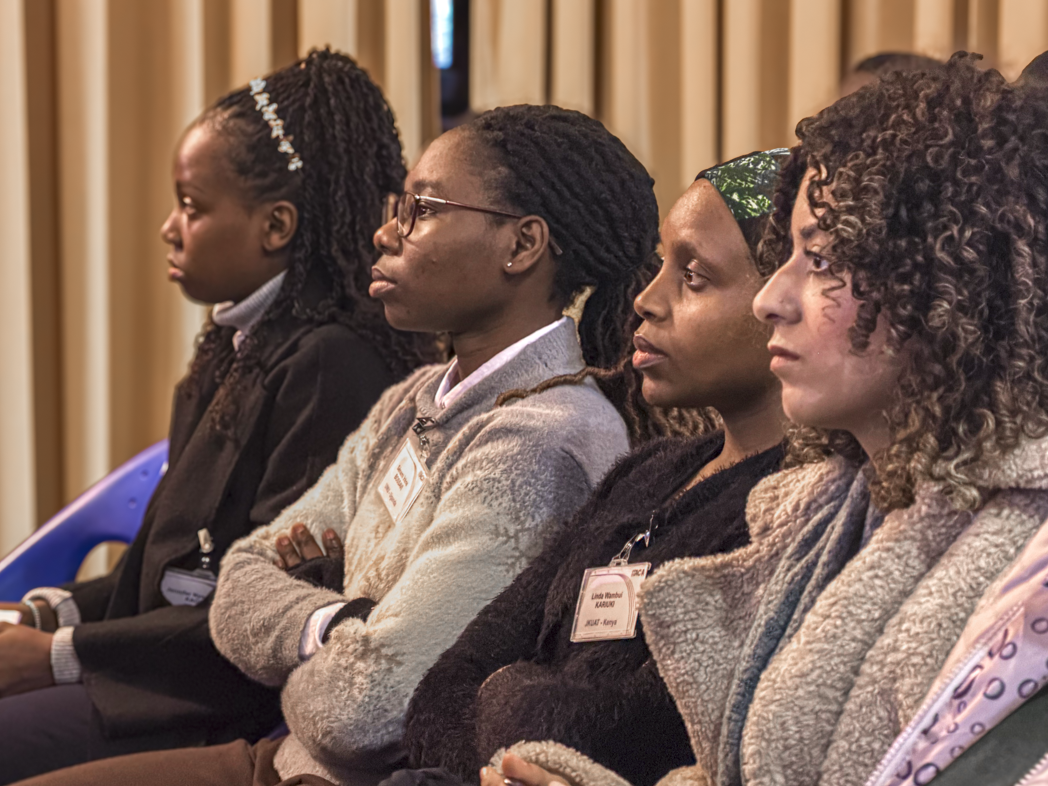
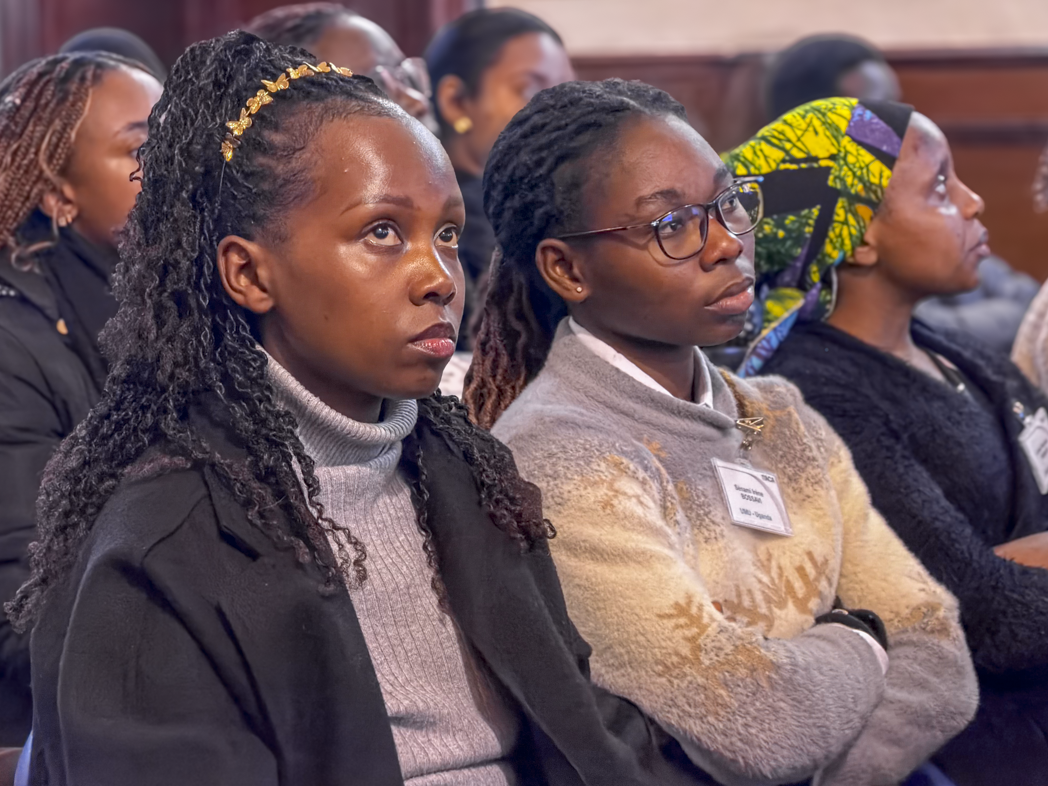
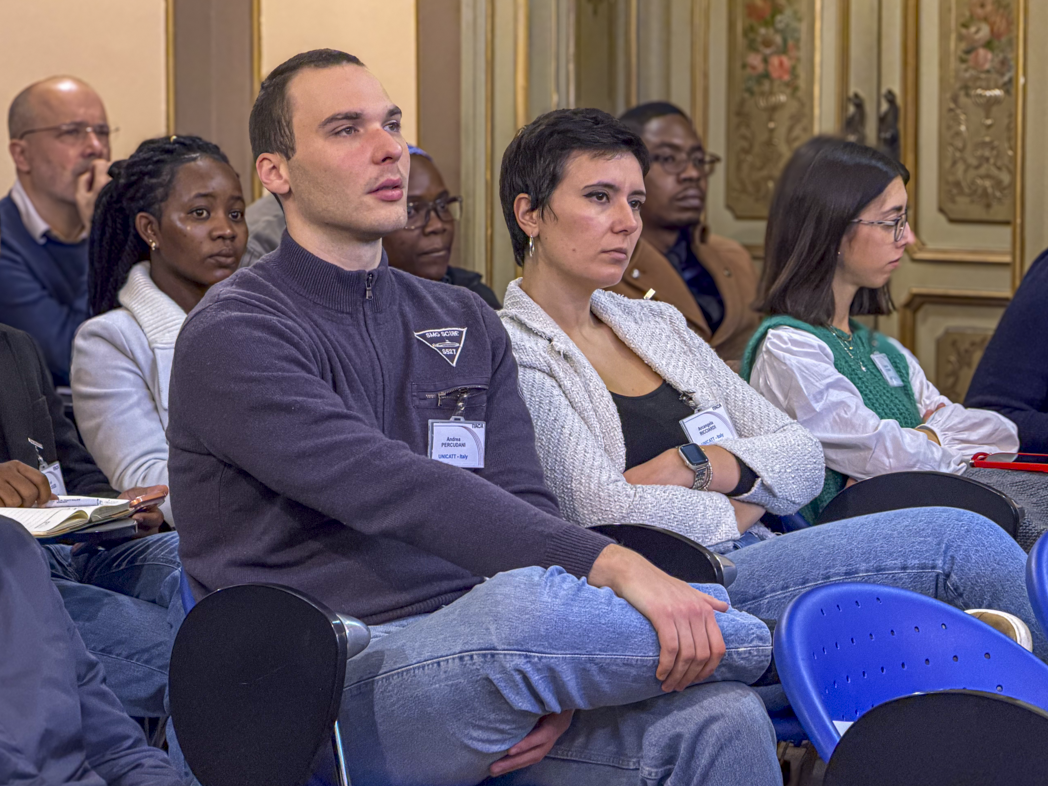
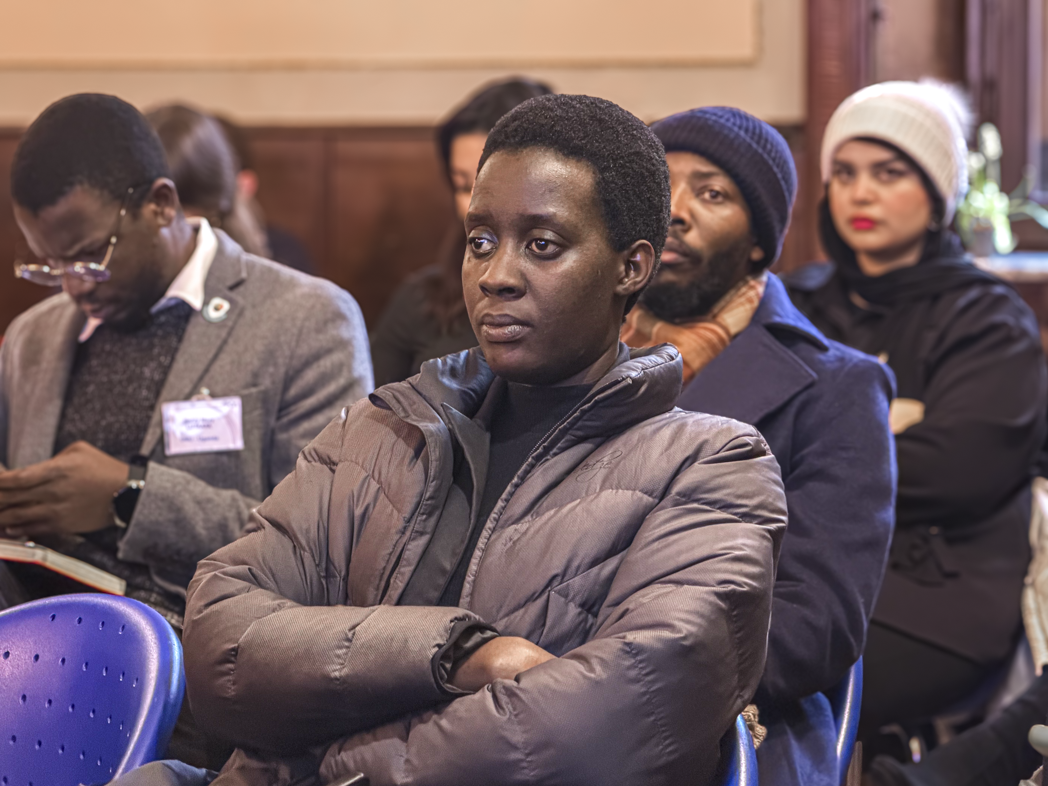
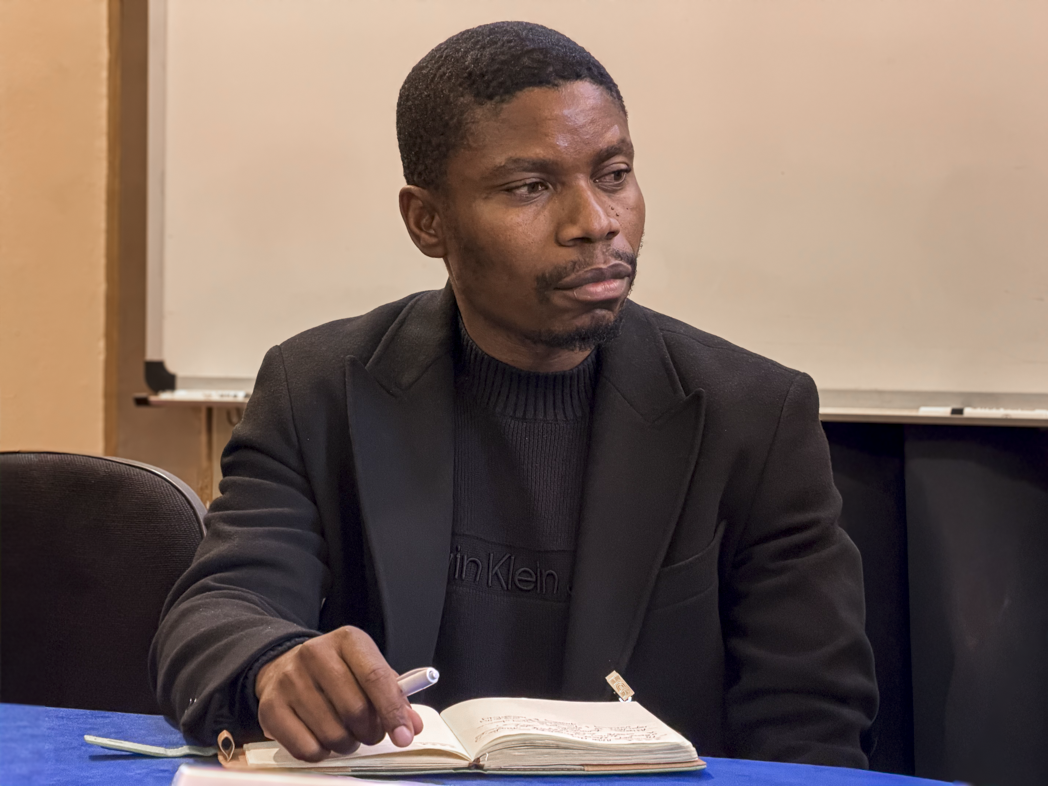
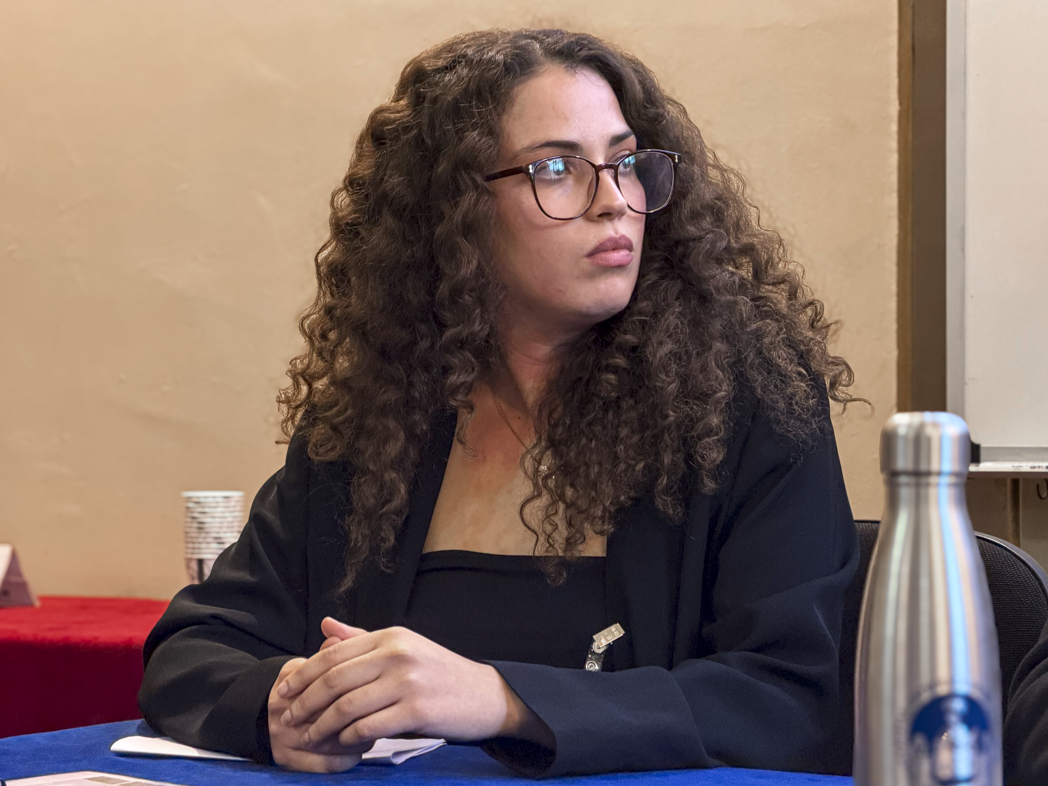
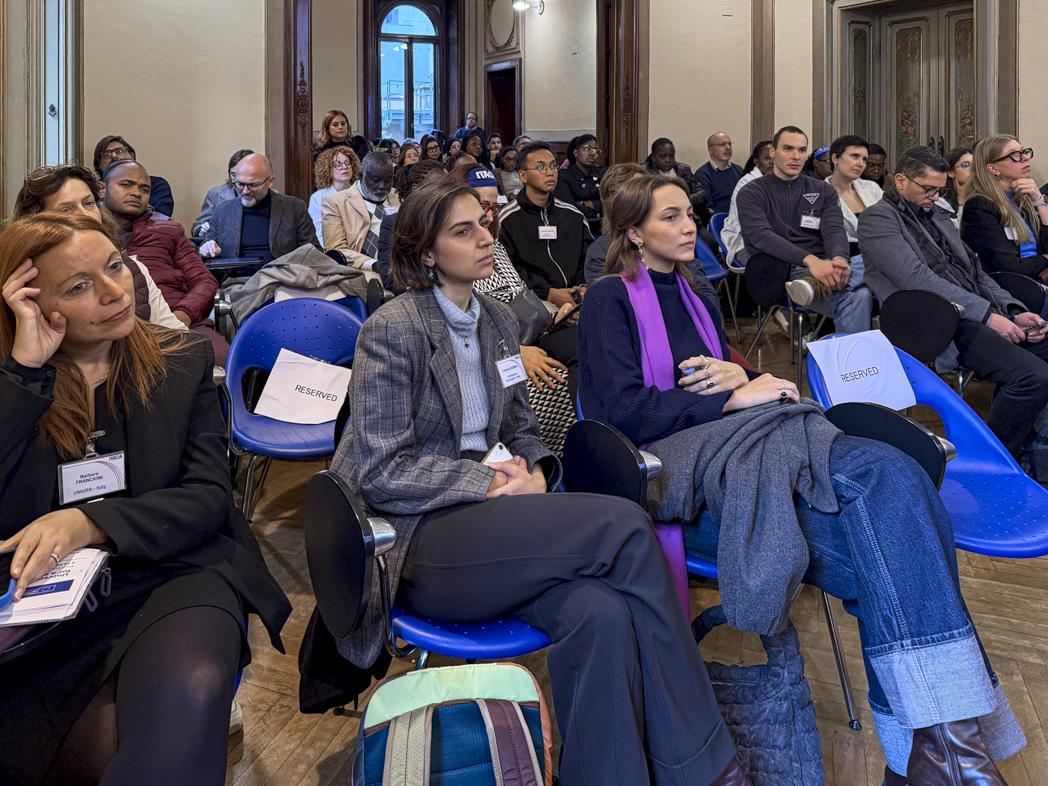
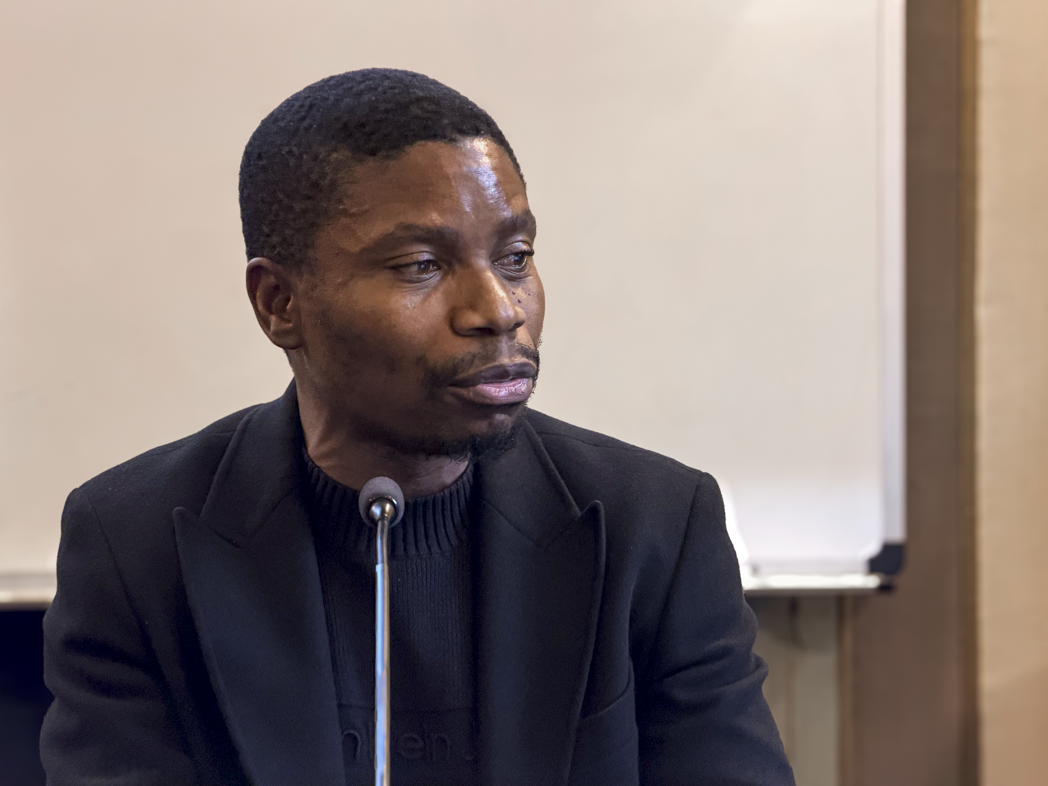
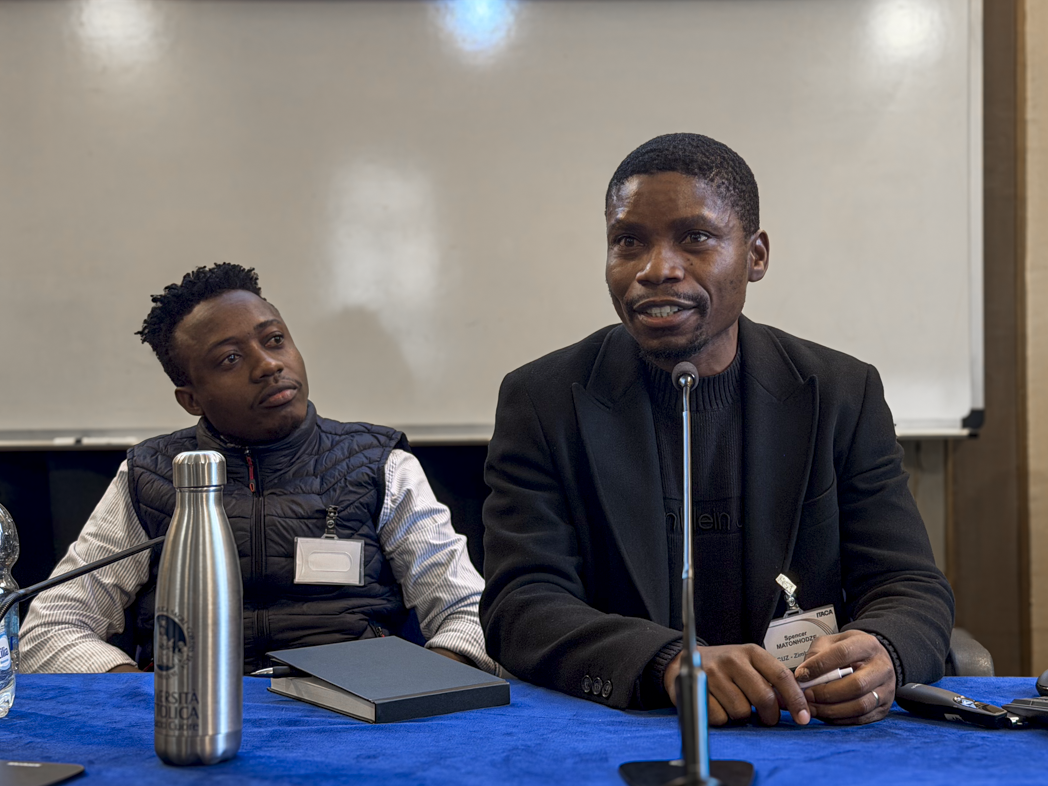
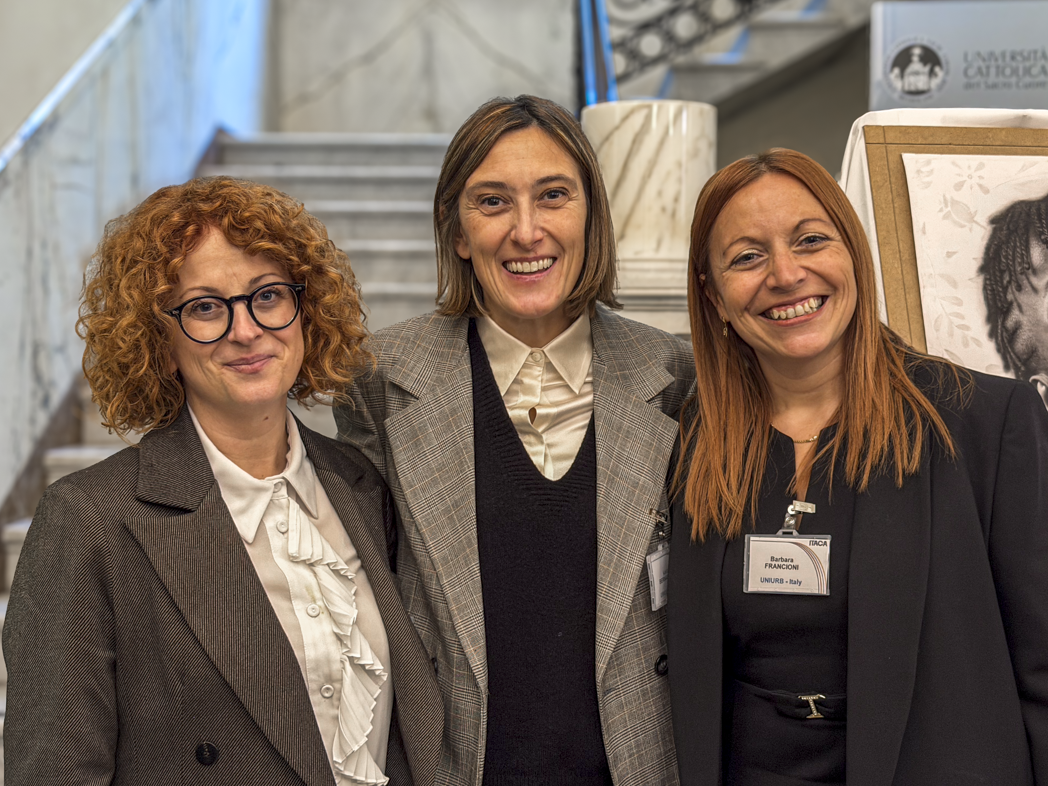
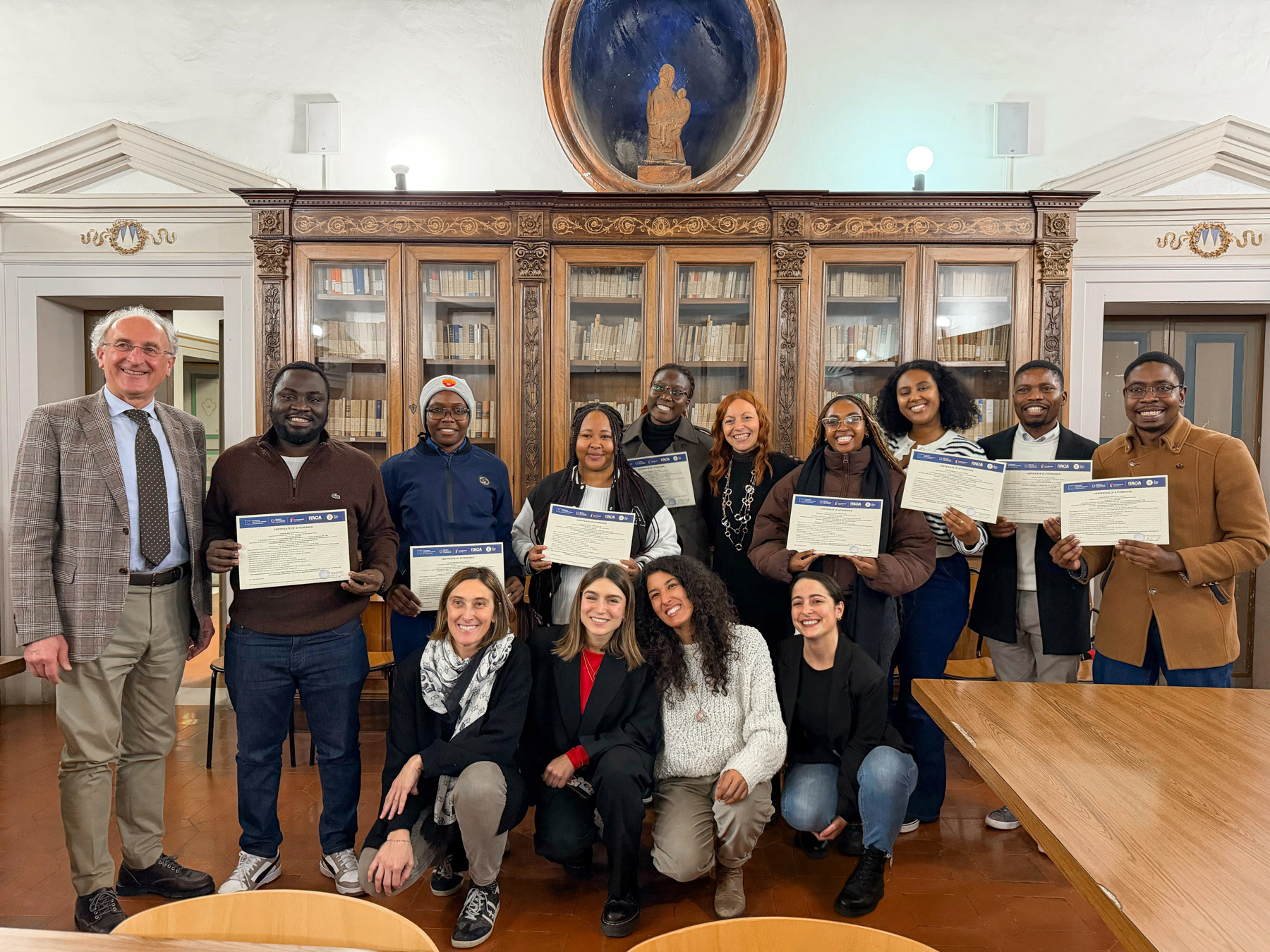
The presentation of certificates to the students of the ITACA Project Winter School represented a particularly valuable final moment. The meeting took place in the presence of the project coordinator, teachers, and students, in a climate of sharing and satisfaction with the training program.

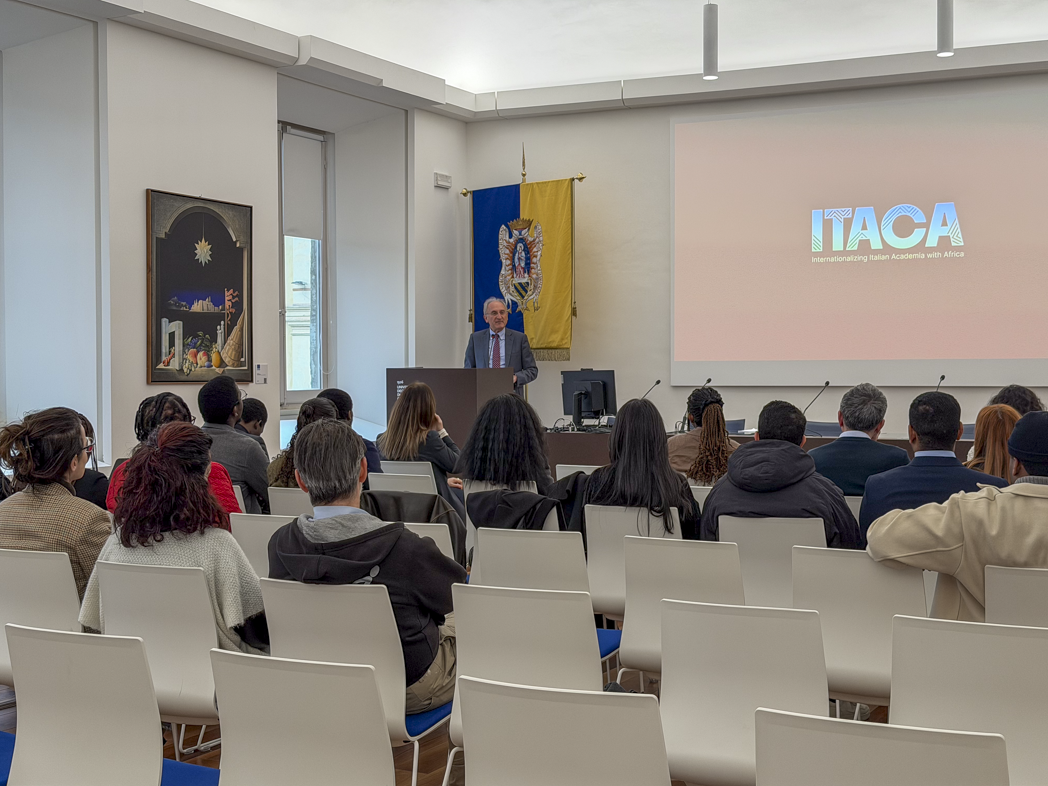
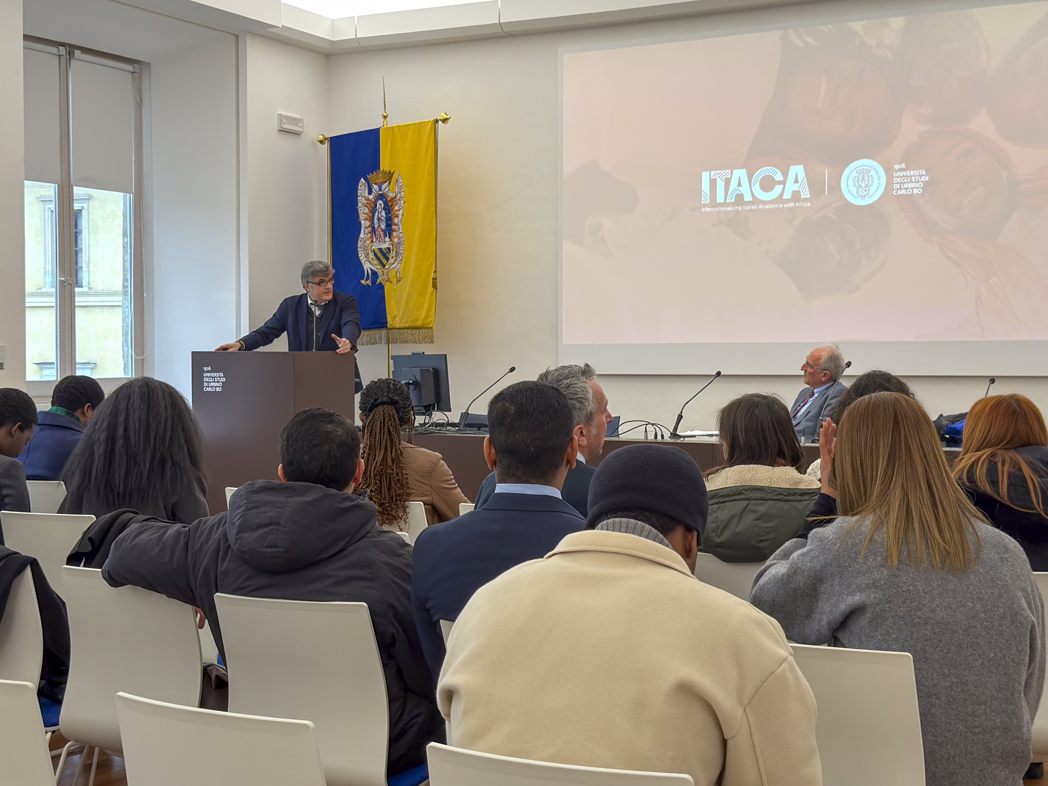
Ceremony for the awarding of ITACA Project certificates

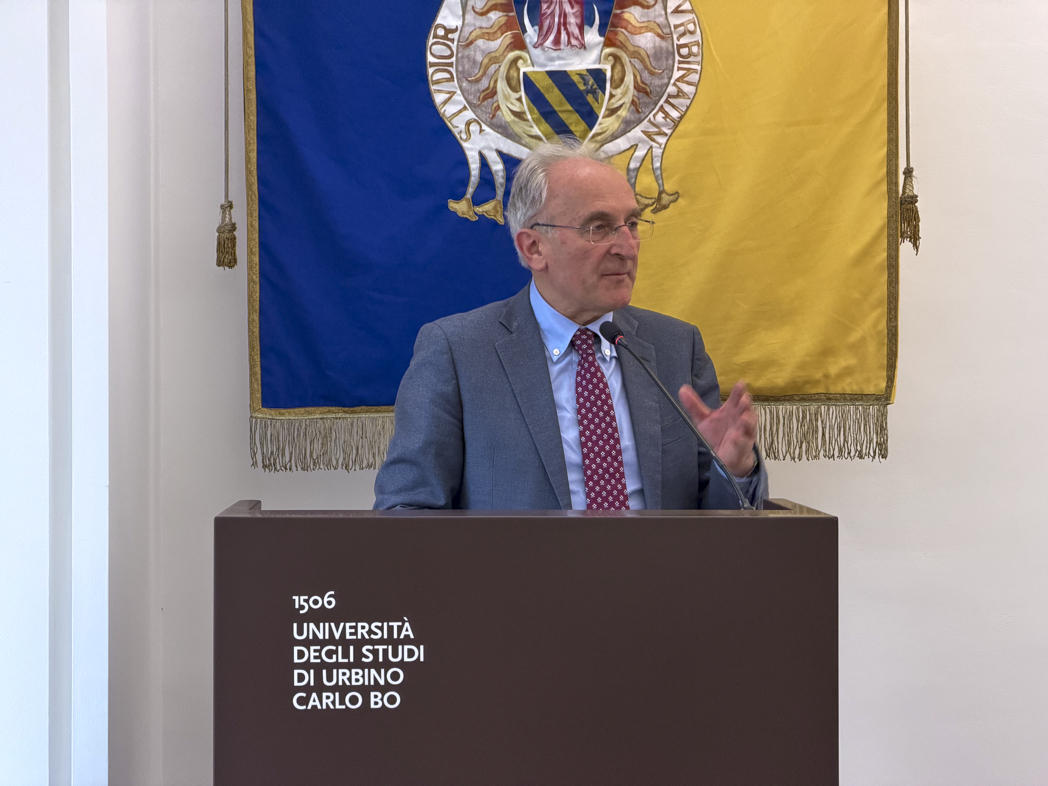
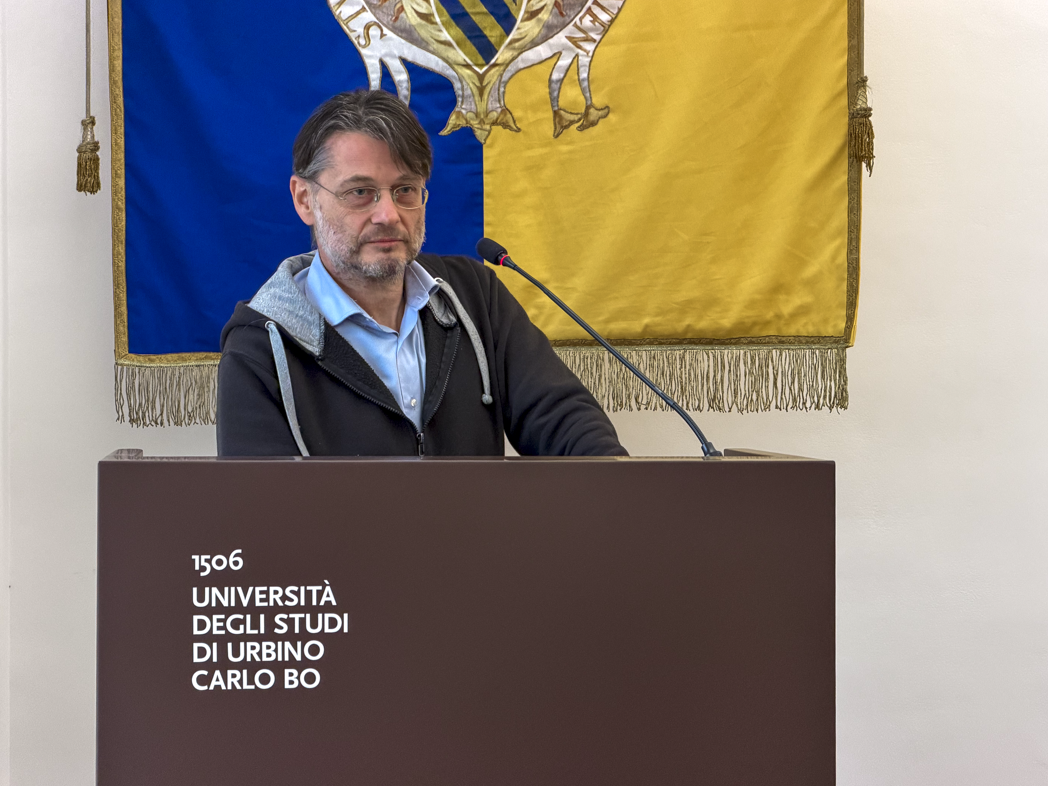
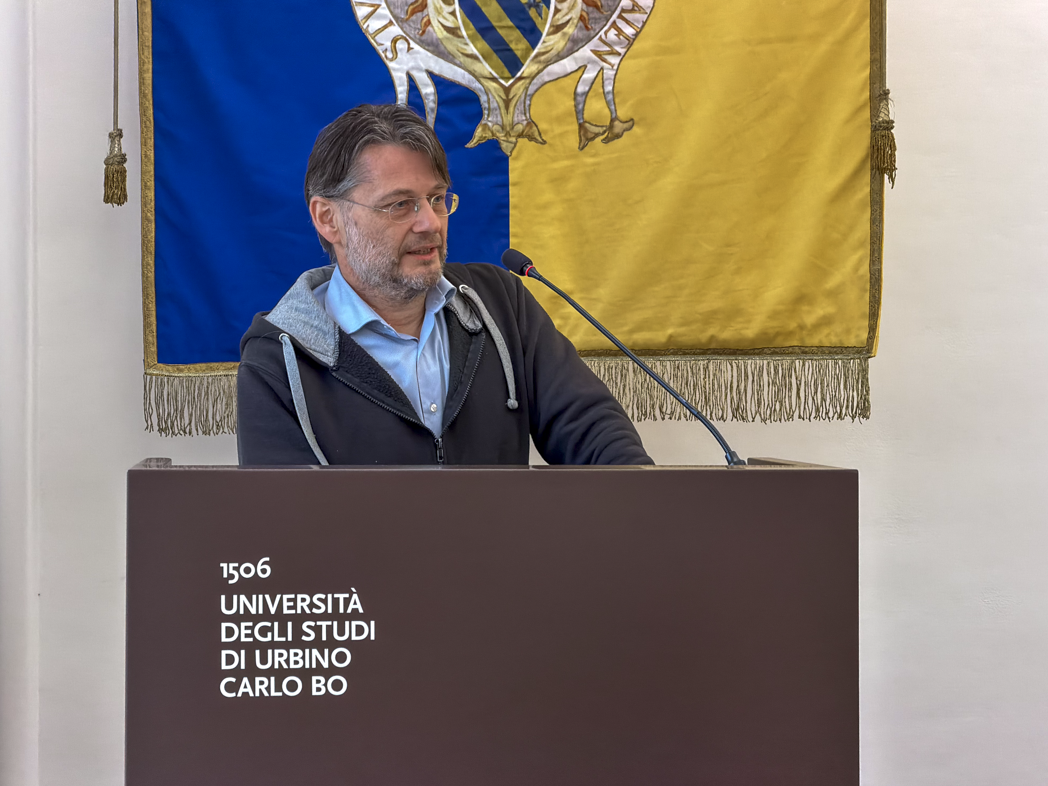
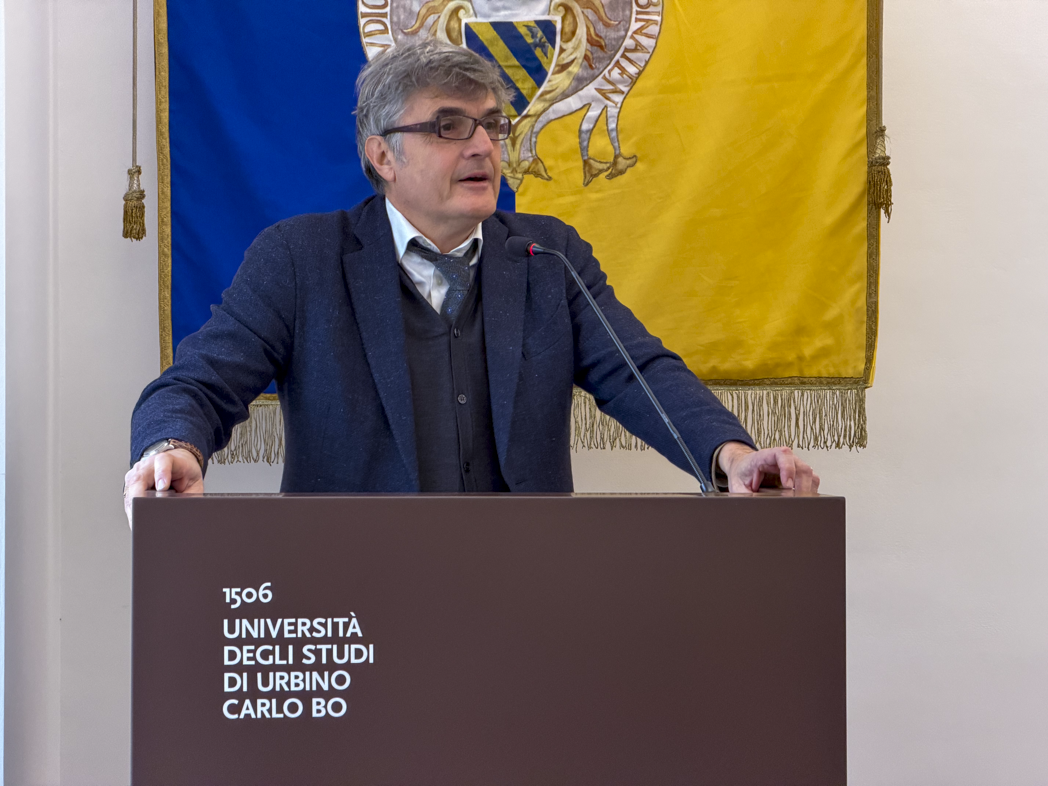
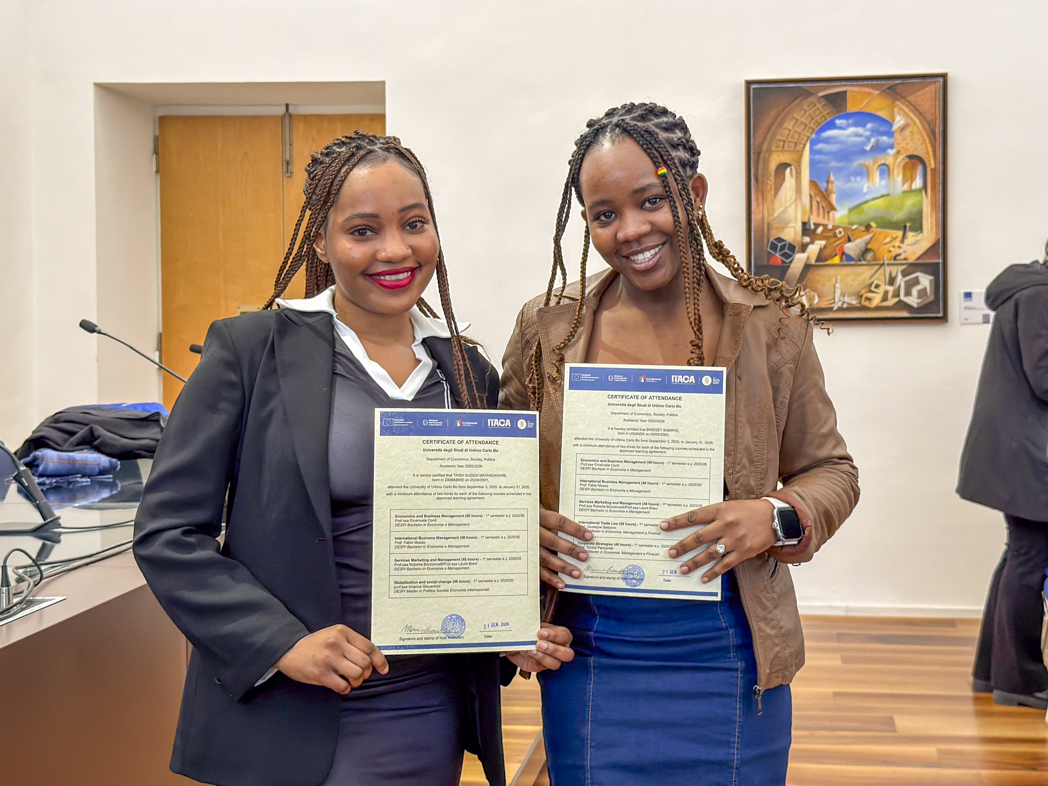
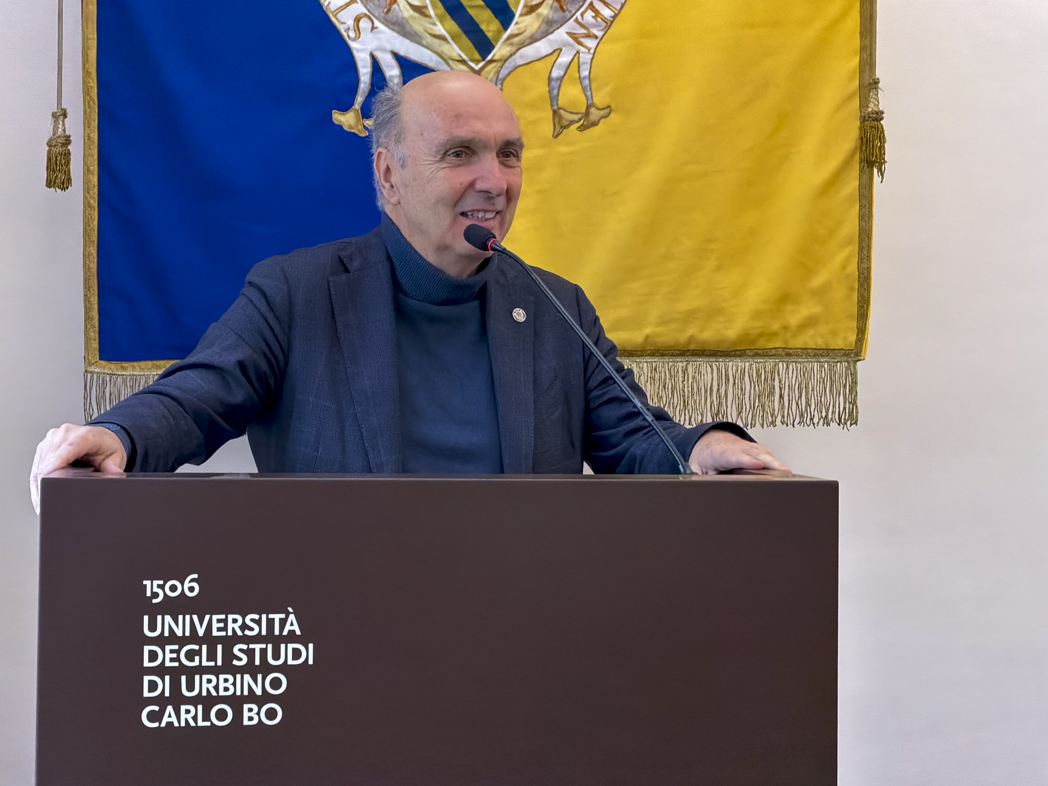
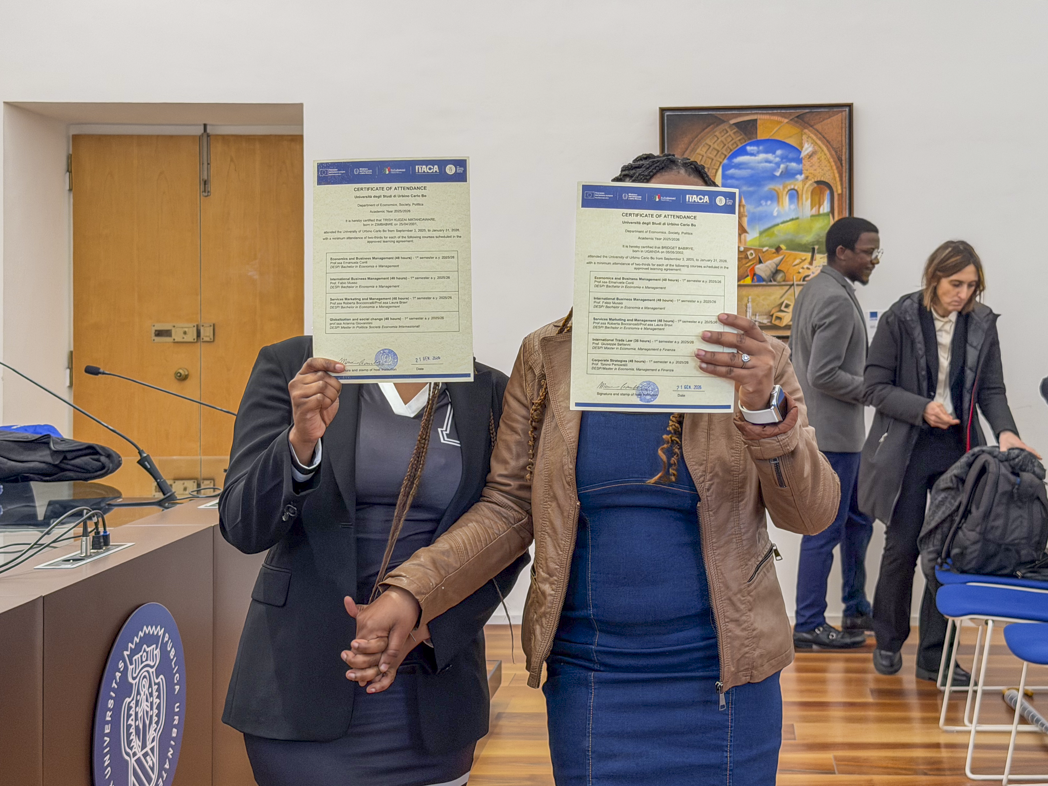
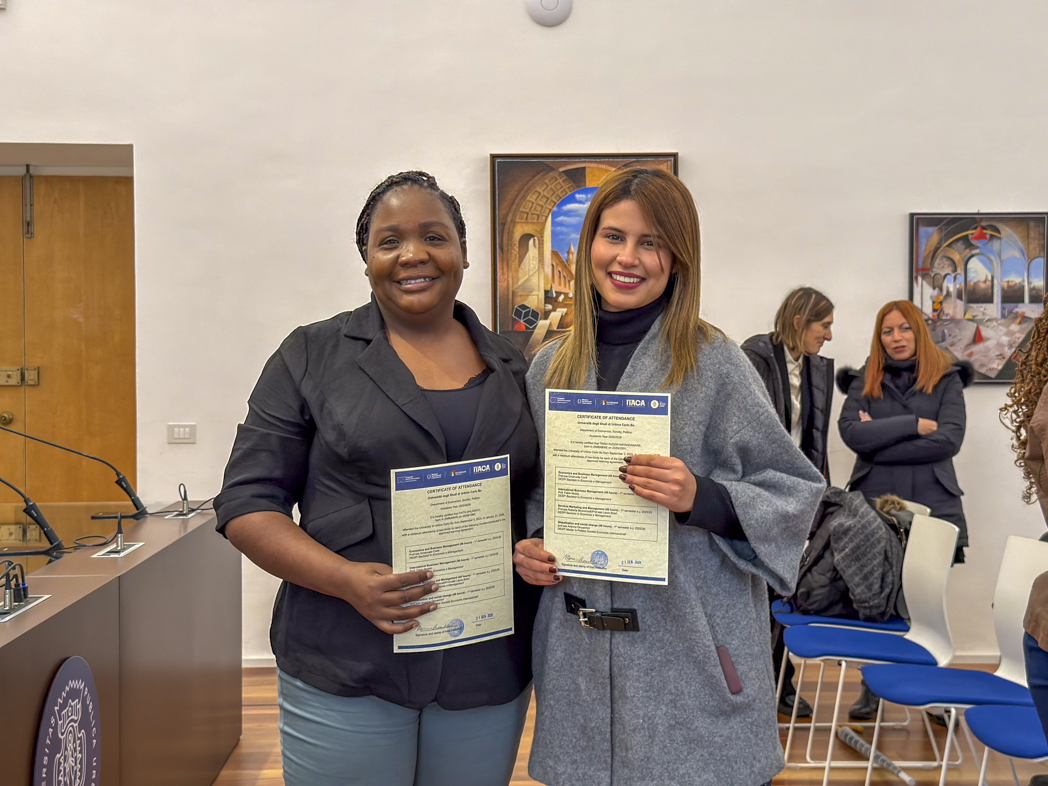
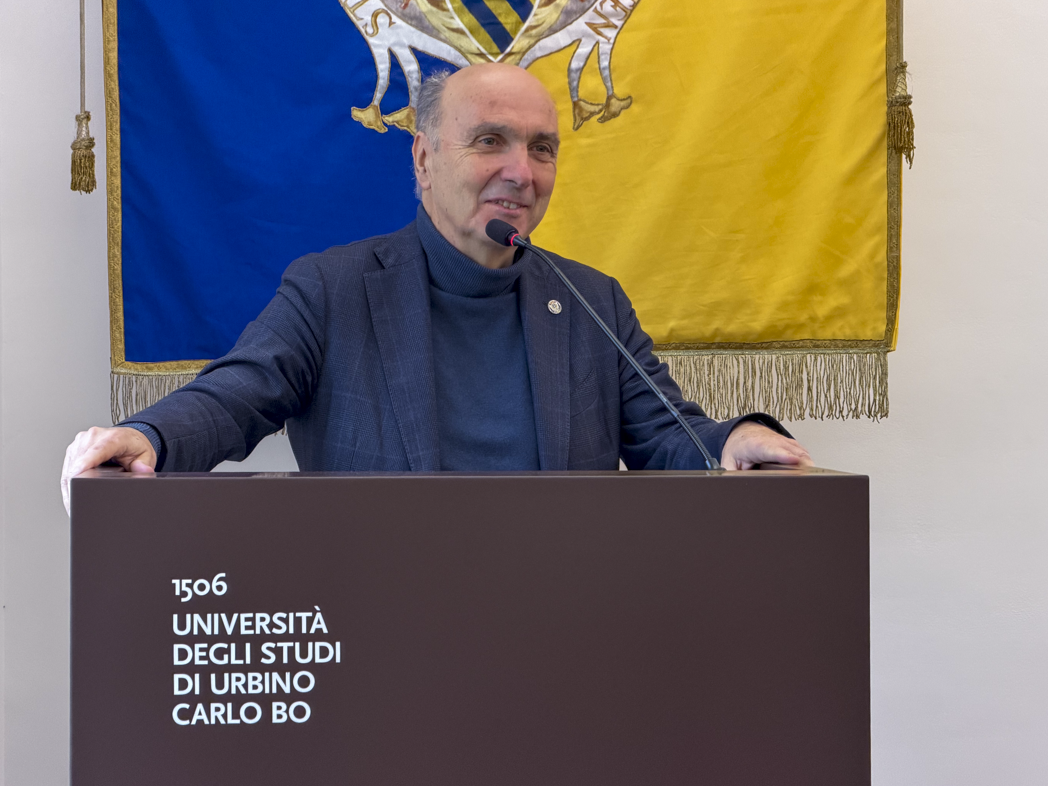
On January 21, 2026, the certificate awarding ceremony took place to the students who participated in the Itaca Project, an important initiative included in the university curriculum.

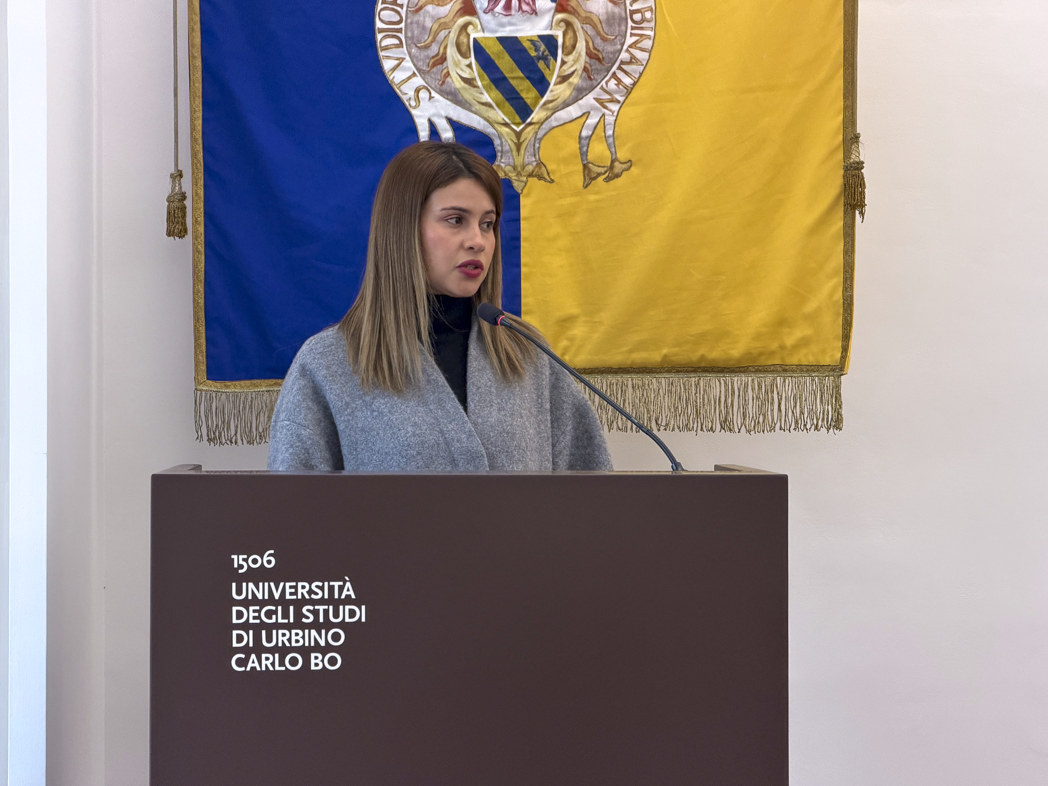
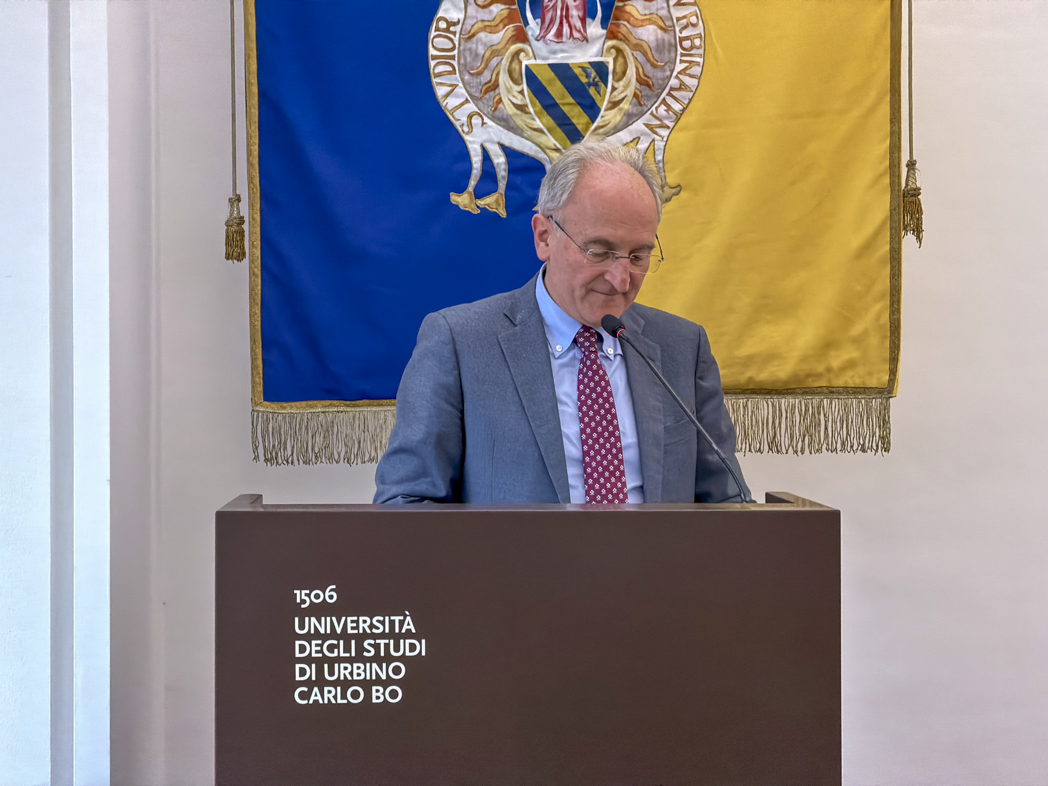
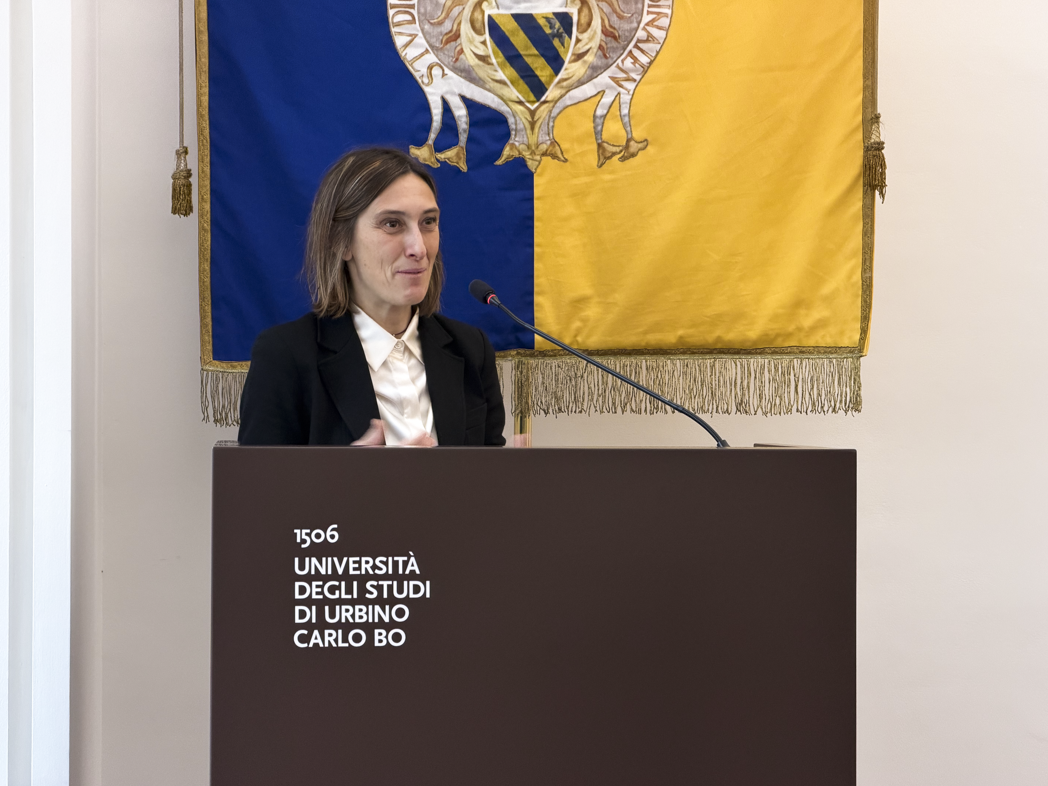
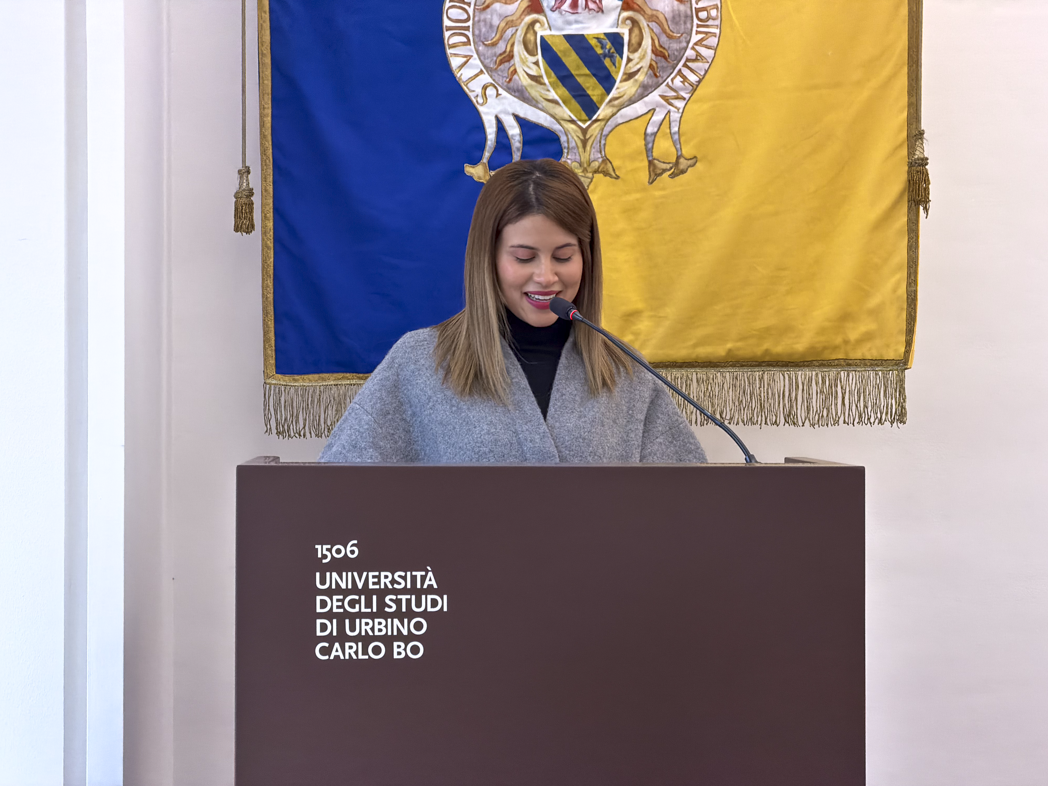
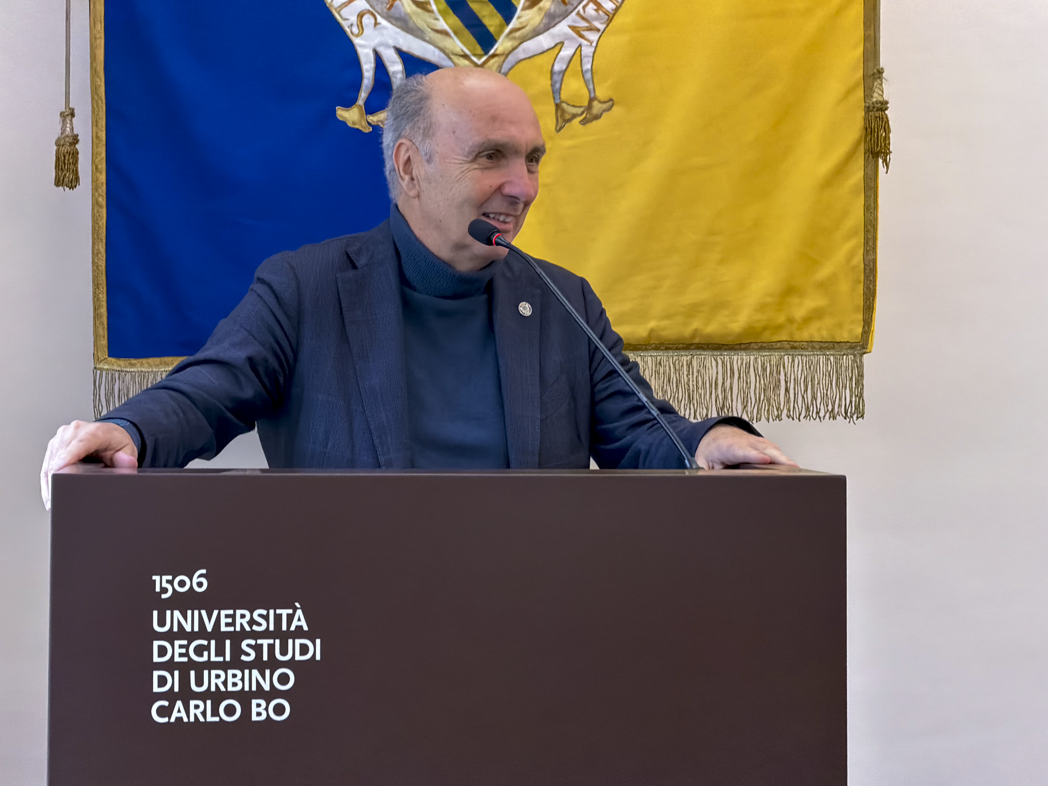
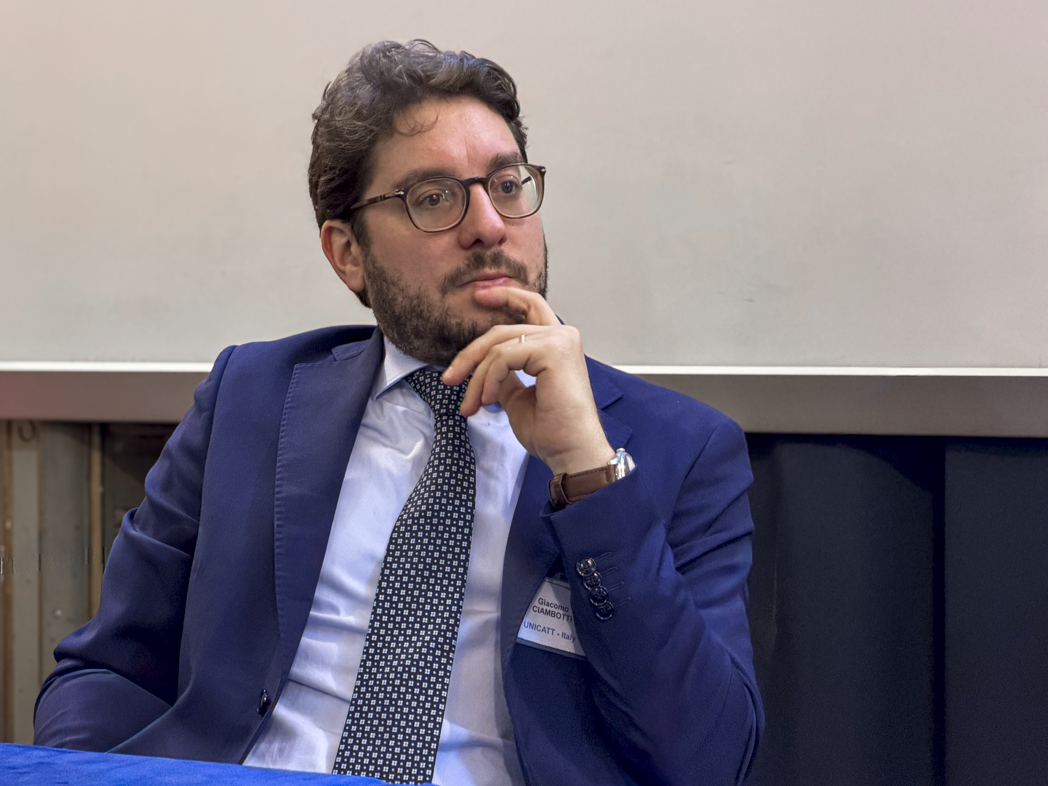
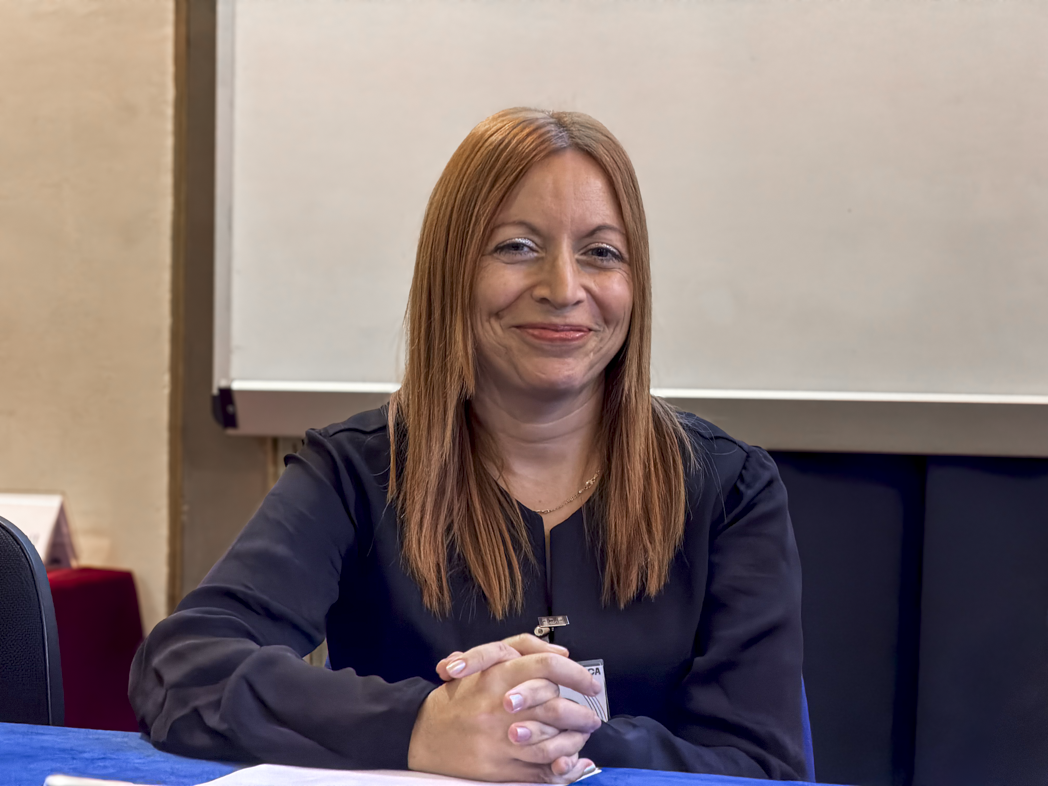
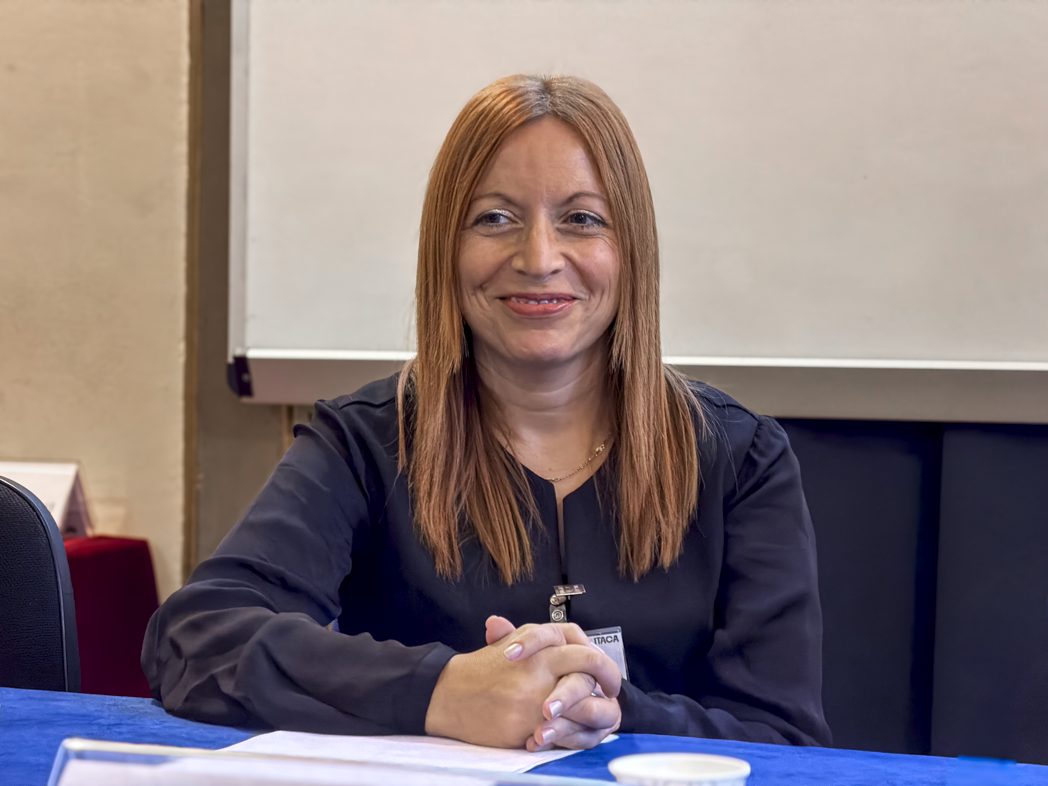
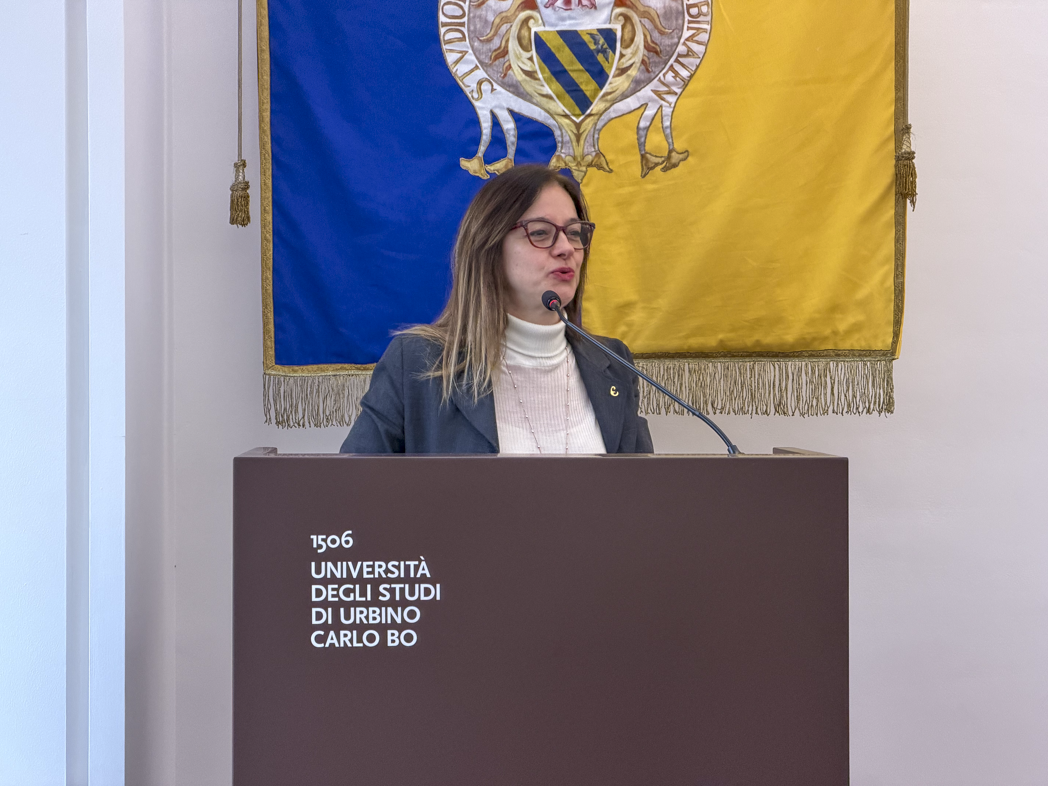
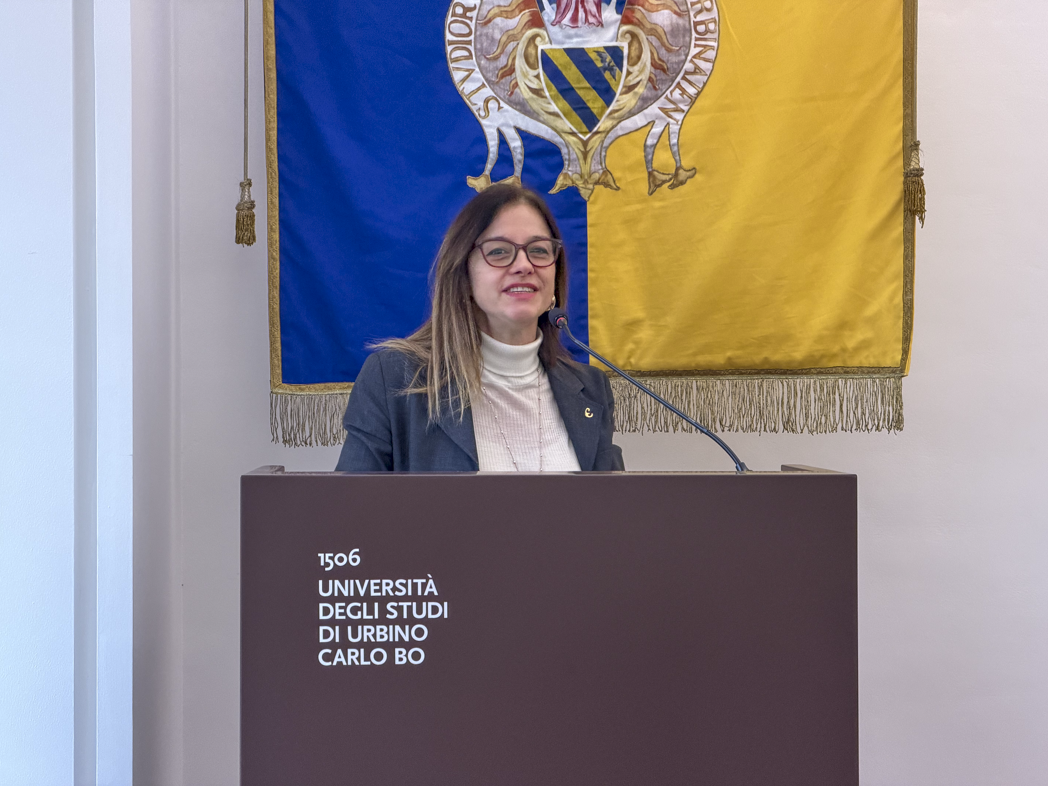
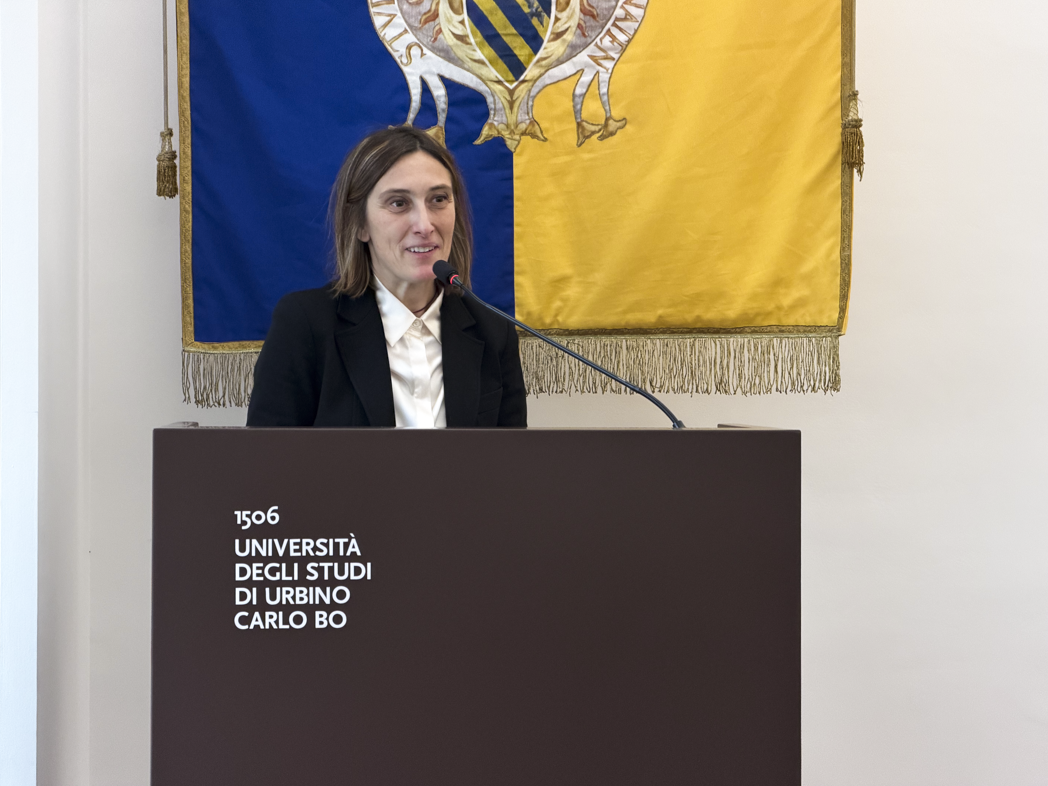
During the event, speakers included the Rector, Giorgio Calcagnini, the Director of the Department, Giuseppe Travaglini, the project coordinator, Massimo Ciambotti, Lucia Bernacchia, member of the technical-administrative staff (PTA) and member of the Ithaca Project working group and the teachers involved.

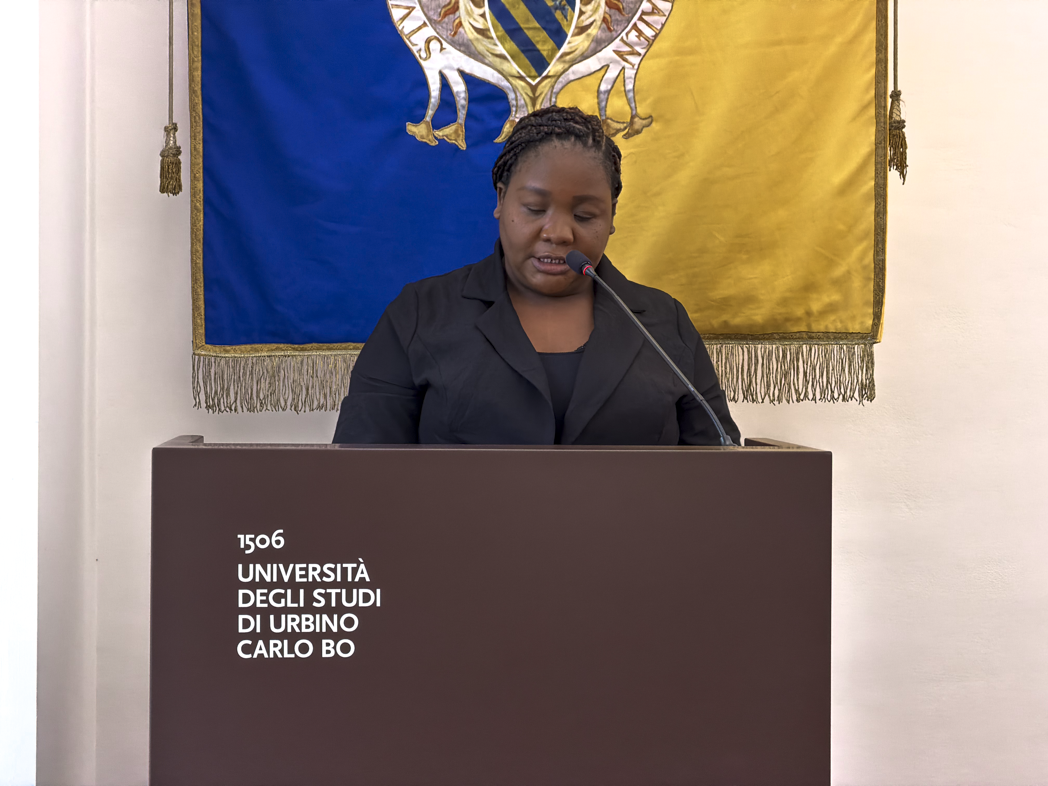
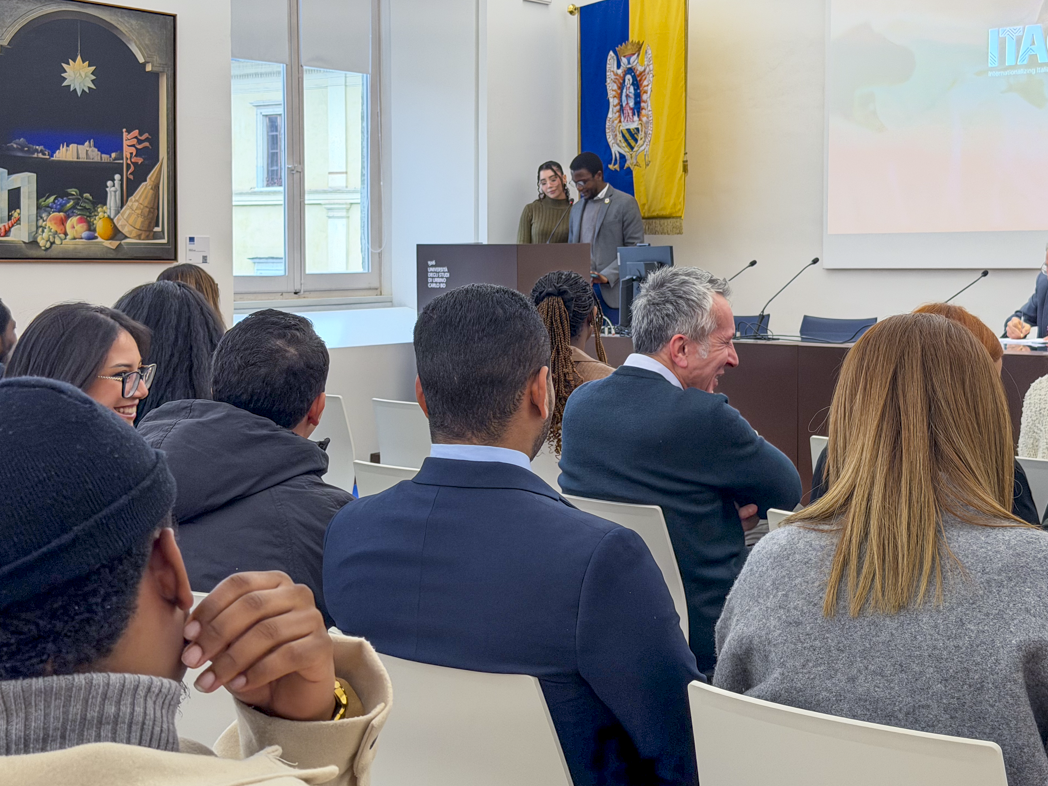
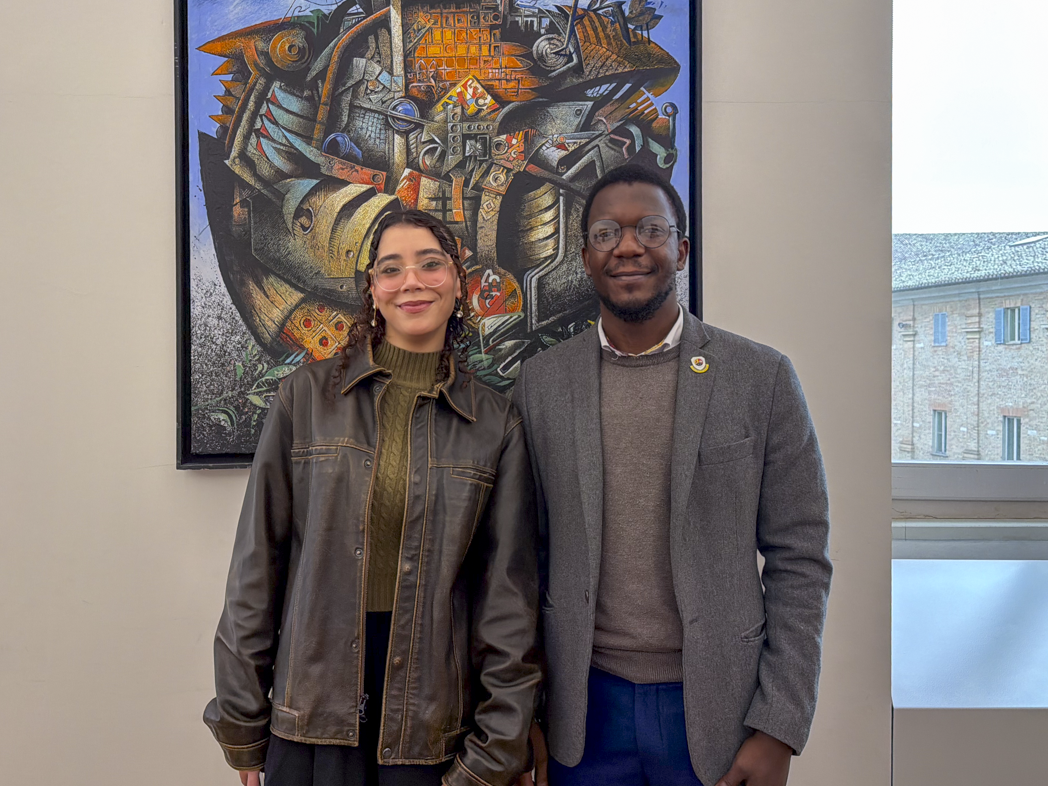
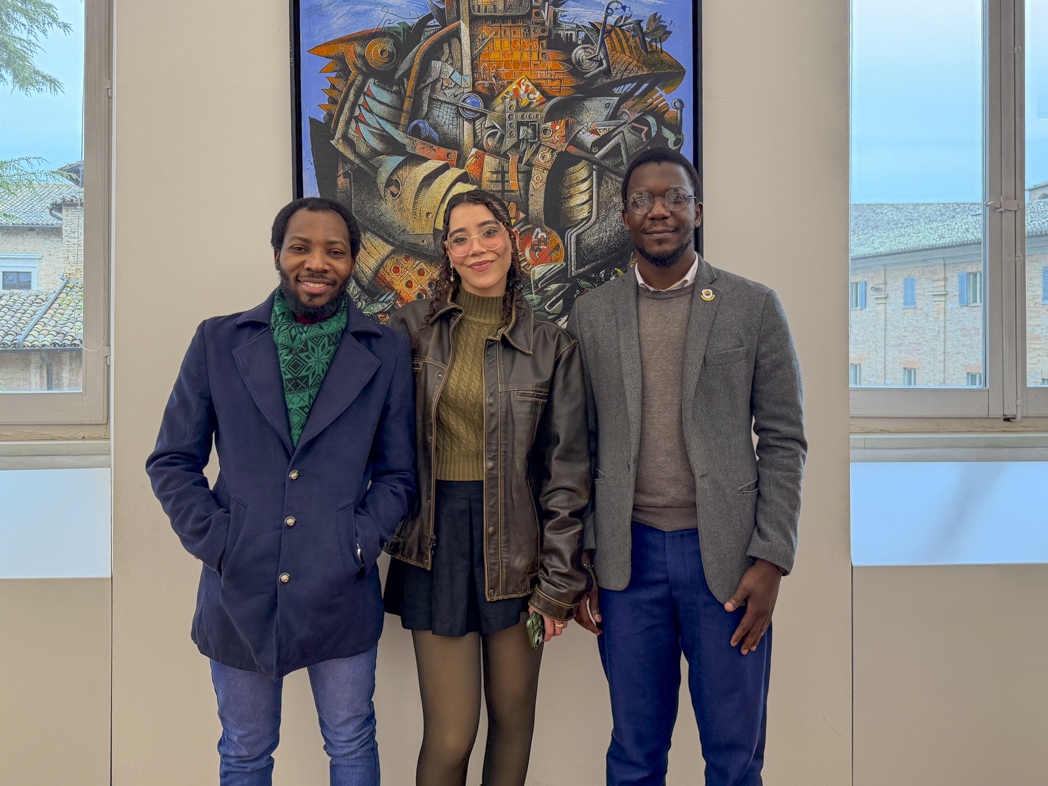
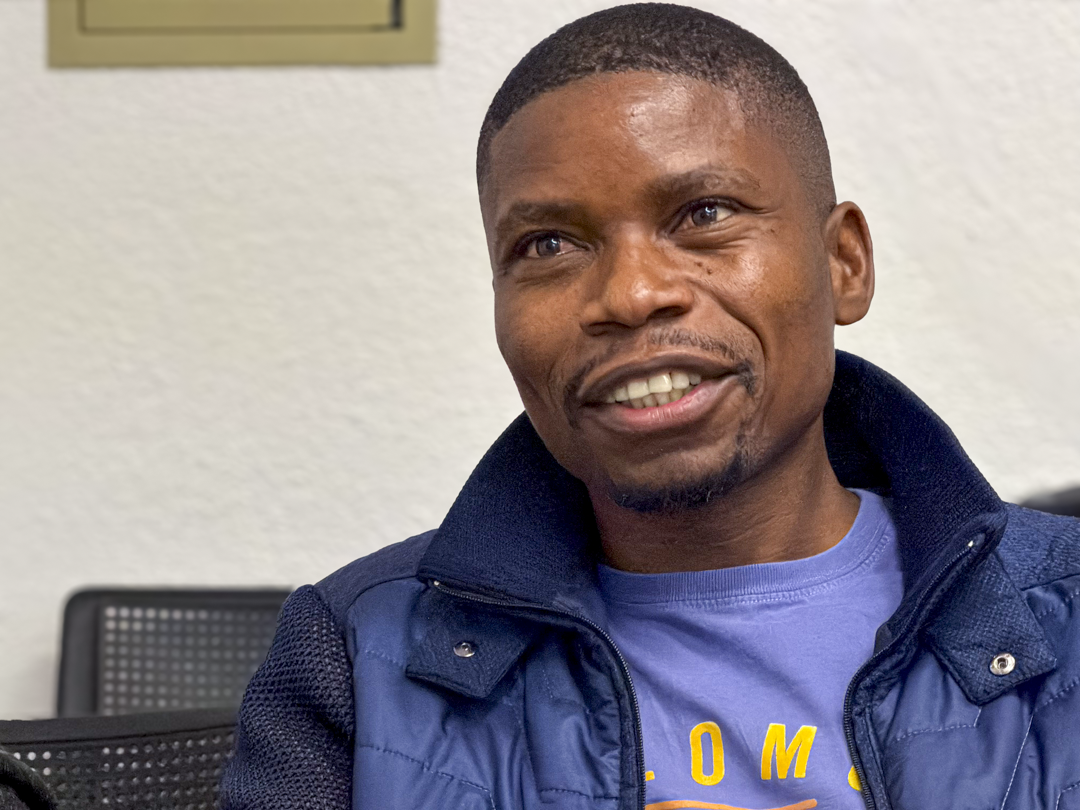
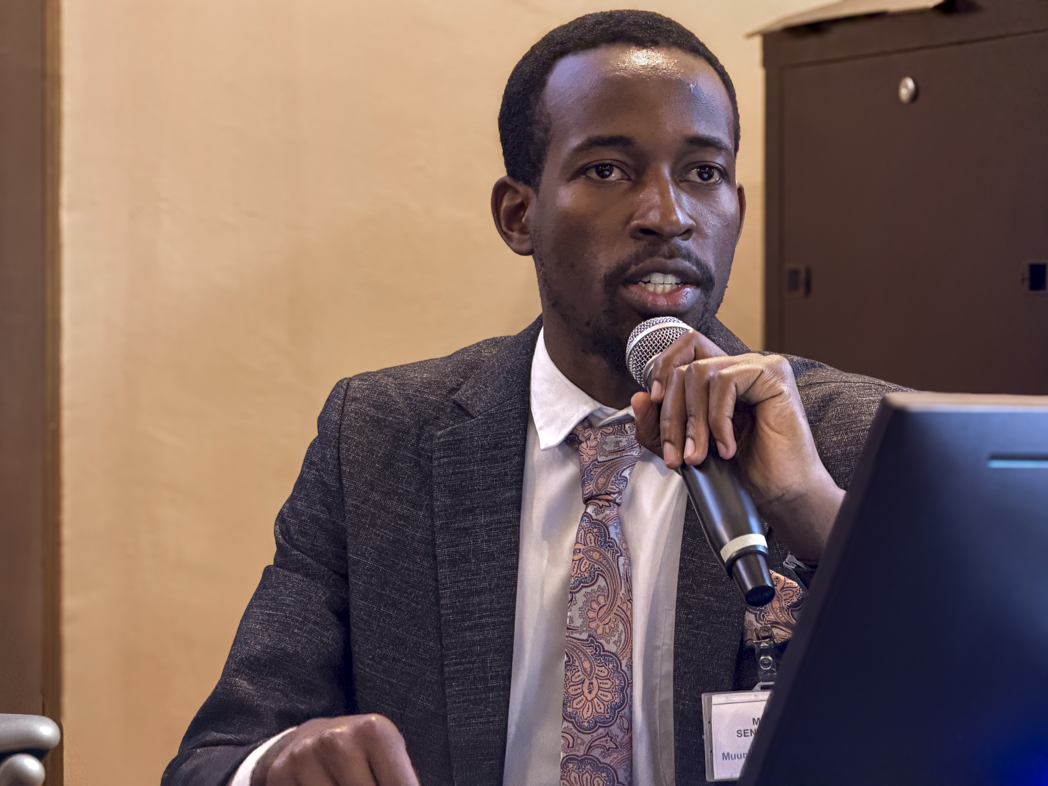
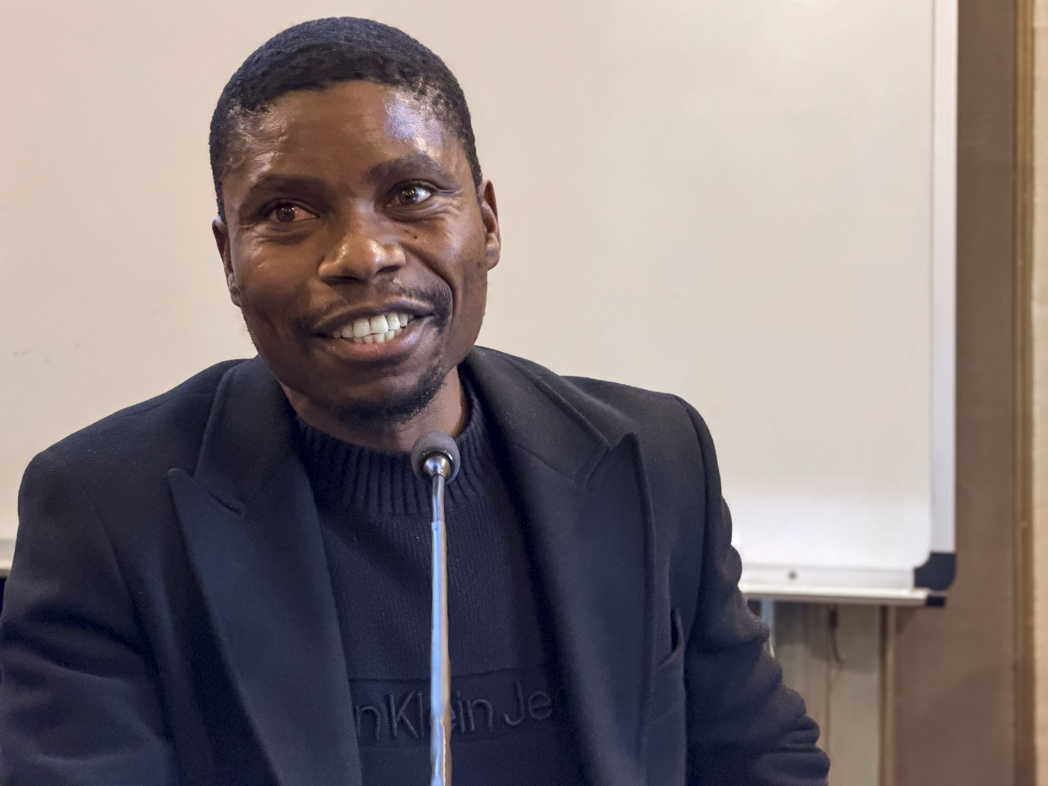
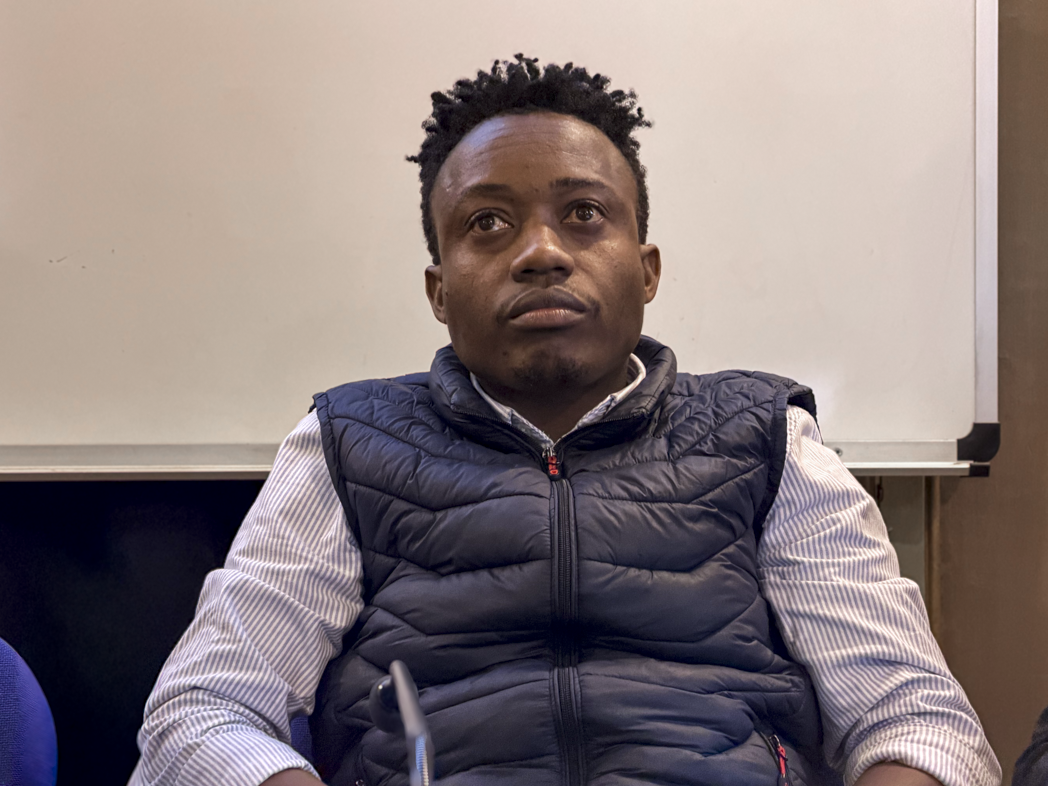
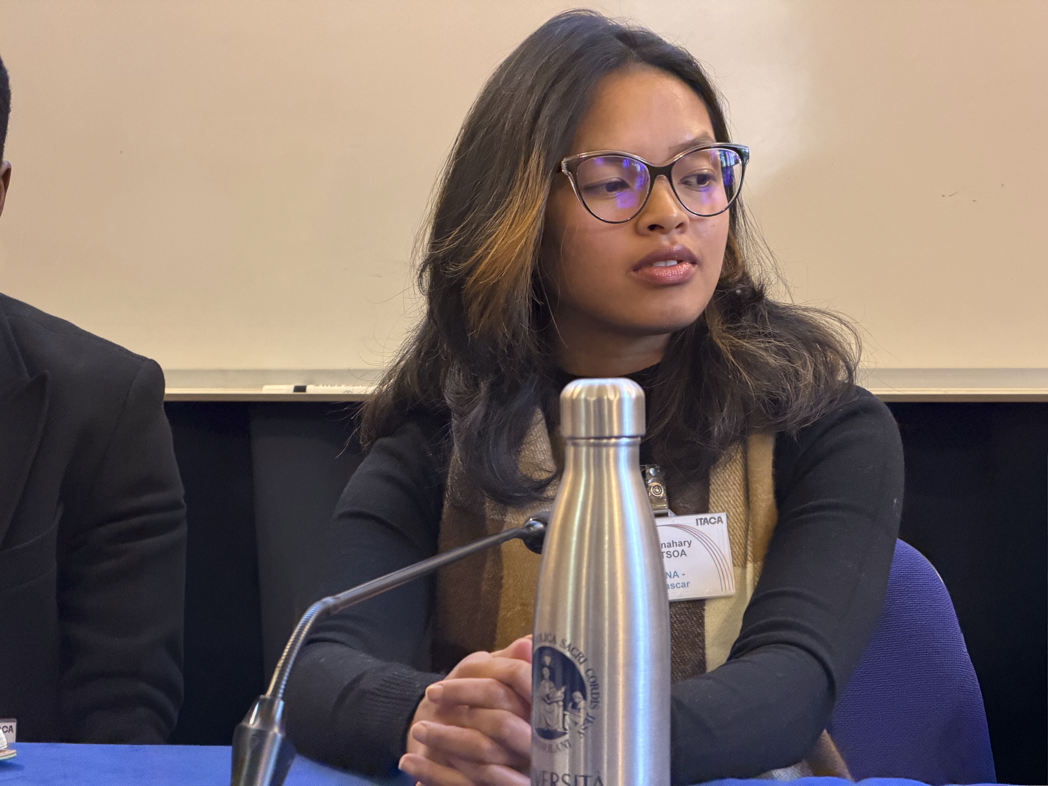
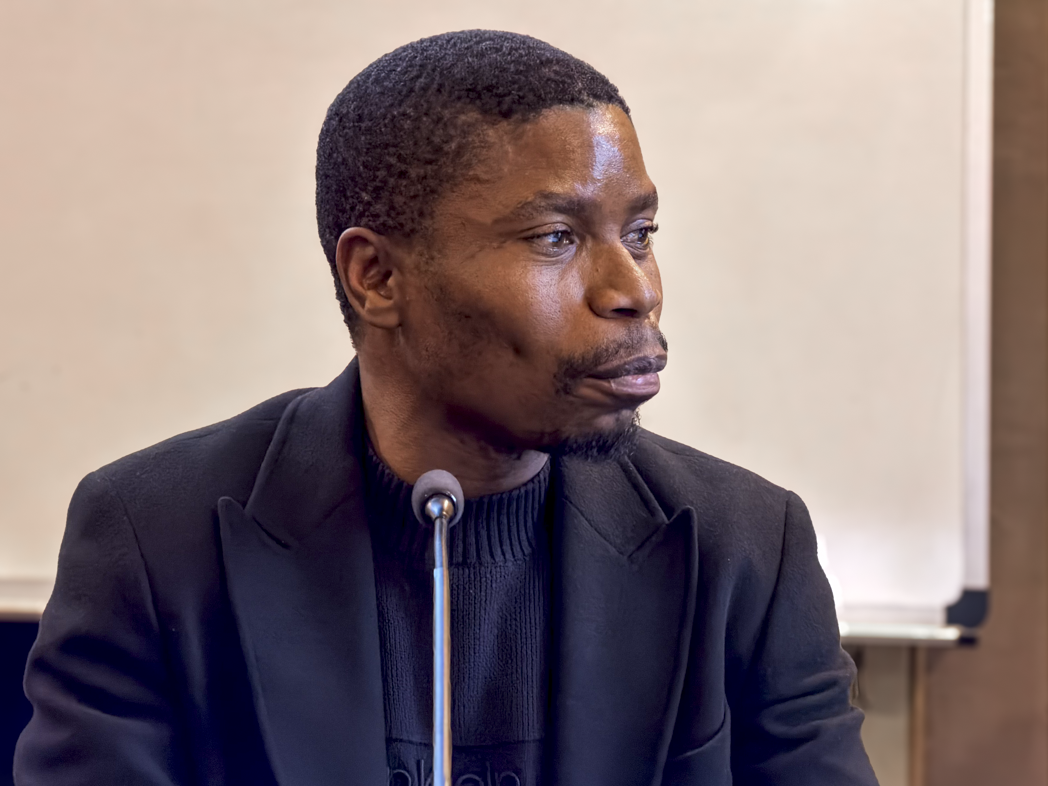
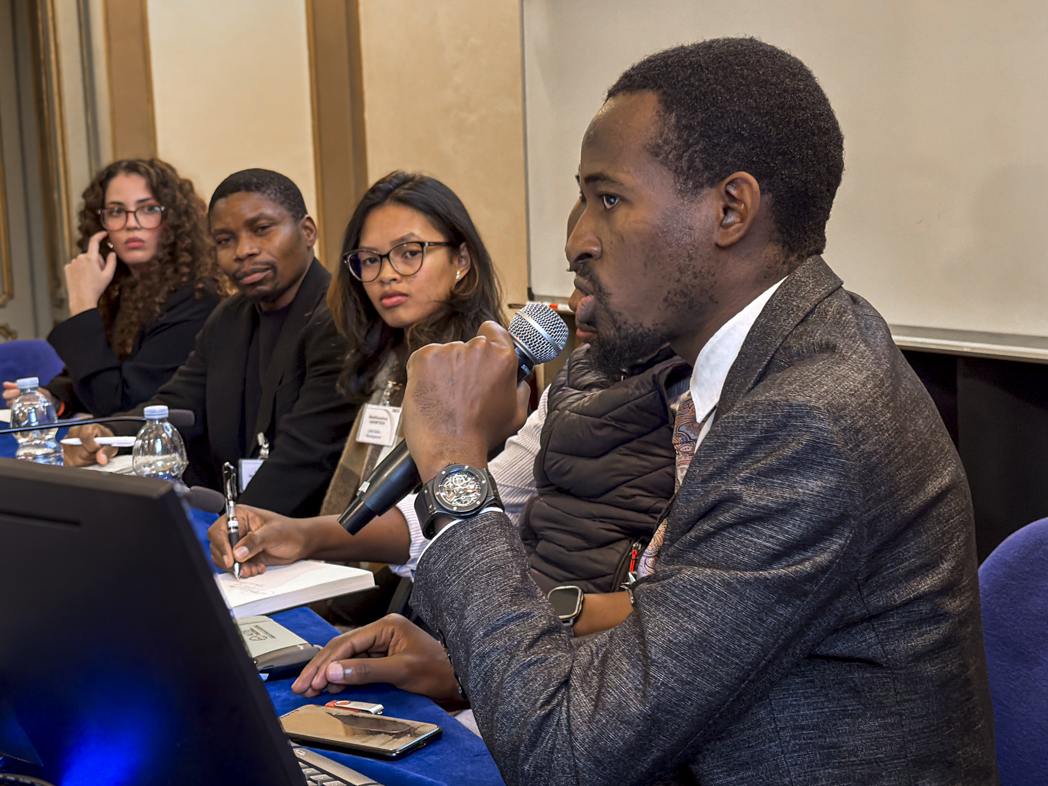
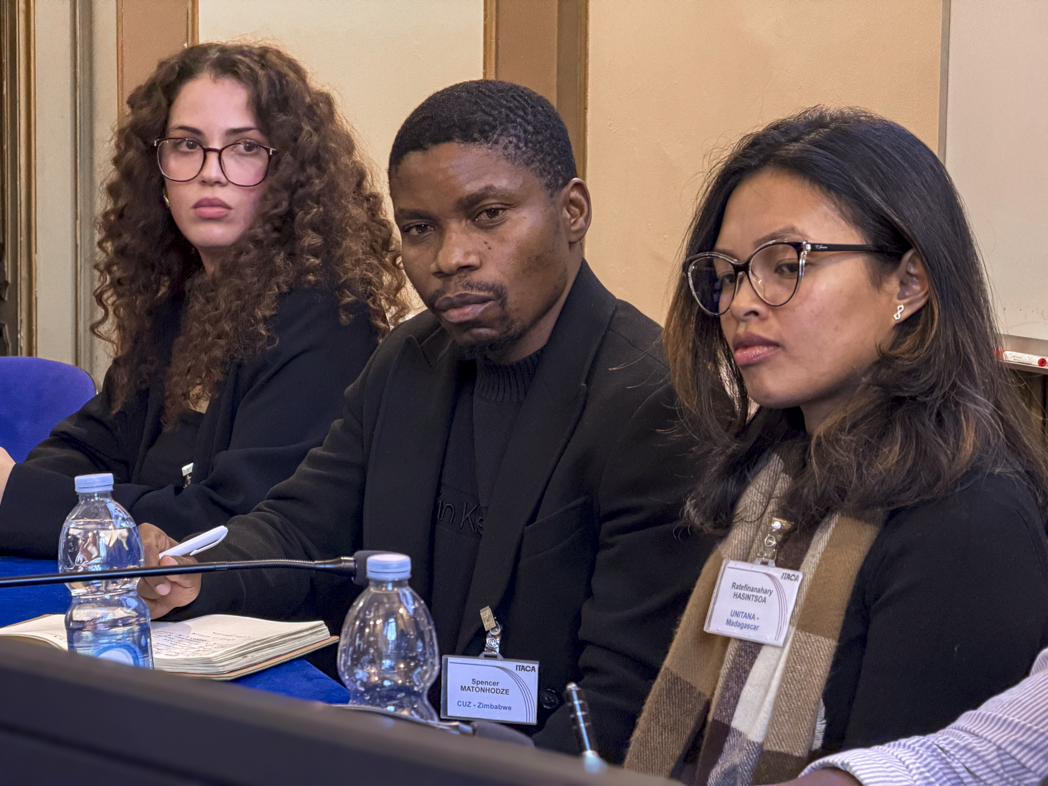
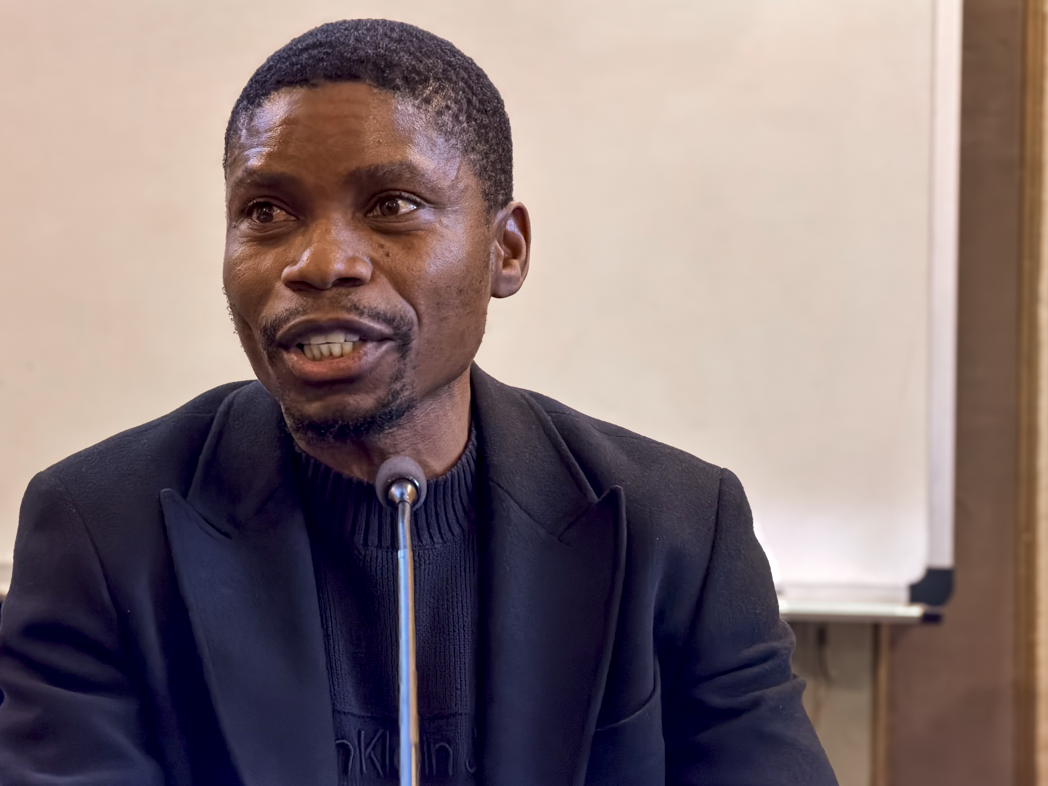
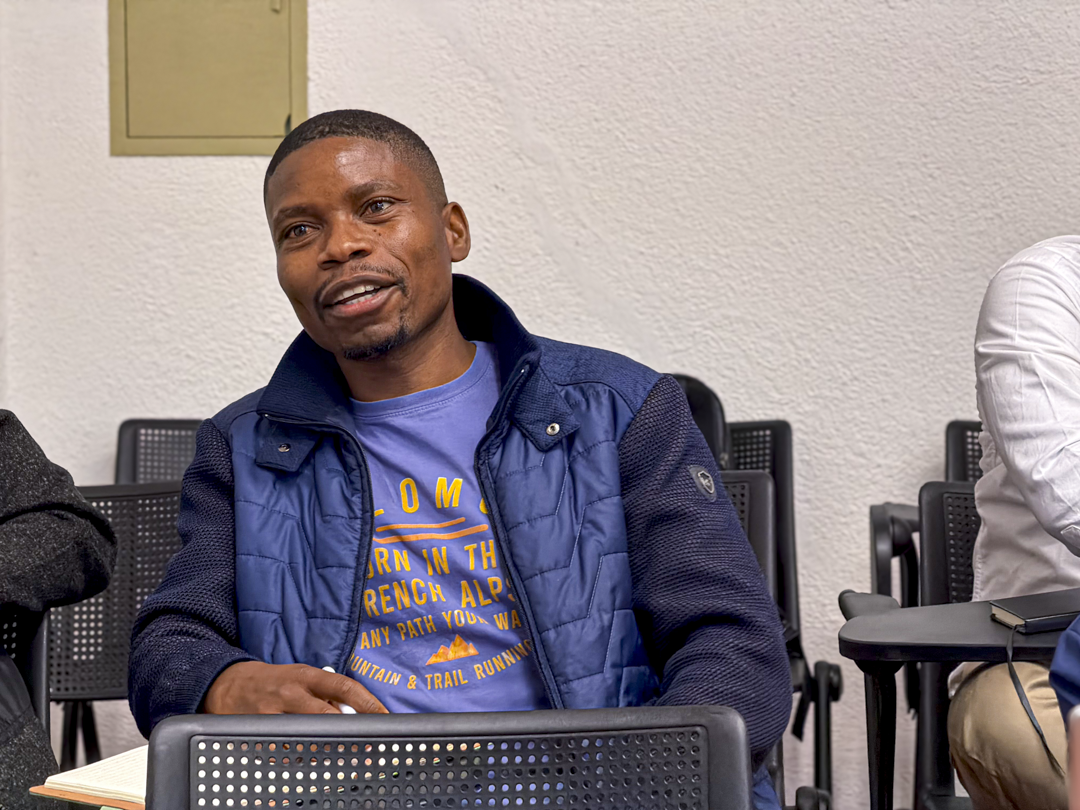
Particularly significant were the interventions of some students, who shared their experience at Uniurb, encapsulating in short testimonies the journey carried out within the Itaca Project.

The ceremony concluded with the awarding of certificates, in an atmosphere of participation and recognition of the commitment demonstrated by all participants.

First Lesson – Winter School “The effects of digitalization on globalization and cross-cultural processes”

The first lesson of the Winter School introduces participants from the ITACA project to the key transformations driven by digitalization in globalization and cross-cultural communication. The program provides students with a multidisciplinary overview of how digital tools, AI, and online platforms reshape economic relations, international marketing, and intercultural interactions. Through an applied and forward-looking approach, ITACA students gain foundational insights that prepare them to understand and navigate global digital dynamics throughout the rest of the course.

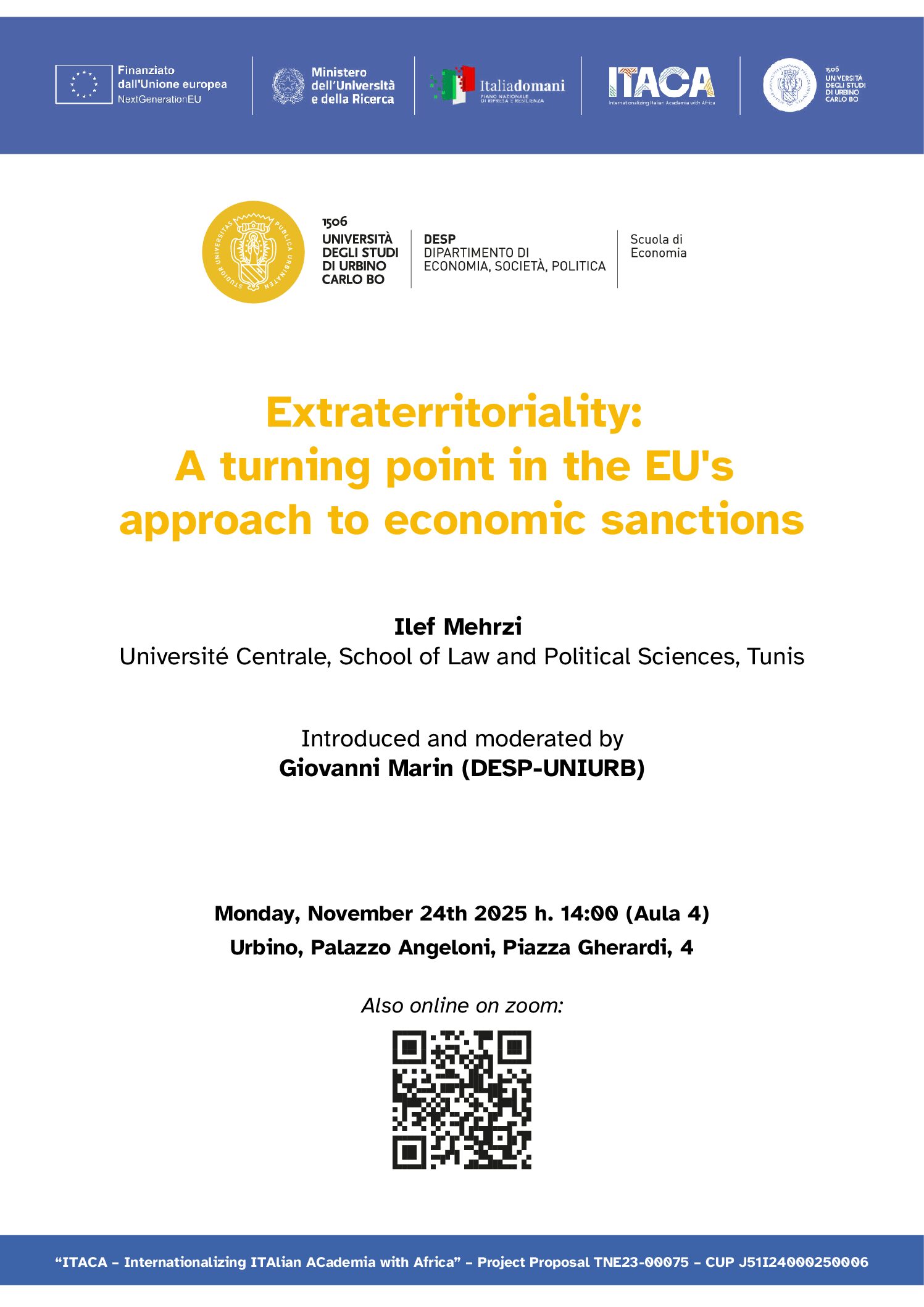
Seminar – Extraterritoriality: a turning point in the EU’s economic sanctions policy?

This presentation examines the growing role of extraterritoriality in the European Union’s sanctions policy, marking a significant departure from its traditional approach. Historically, the EU avoided extraterritorial measures, favoring targeted and proportionate sanctions within its jurisdiction. However, the Russian invasion of Ukraine triggered a paradigm shift: recent packages introduced “ancillary listings” and contractual cascading, compelling foreign operators to comply with EU sanctions beyond EU borders. The discussion explores the conceptual framework of extraterritoriality, contrasts EU and U.S. practices, and assesses the legal and normative implications under international law, including challenges to sovereignty and the principle of non-intervention. By analyzing case studies and enforcement mechanisms, the presentation highlights how extraterritorial sanctions reshape global economic governance and raise questions about legitimacy, effectiveness, and unintended consequences. Ultimately, it argues that this shift represents a turning point in EU foreign policy, with profound strategic and legal ramifications.

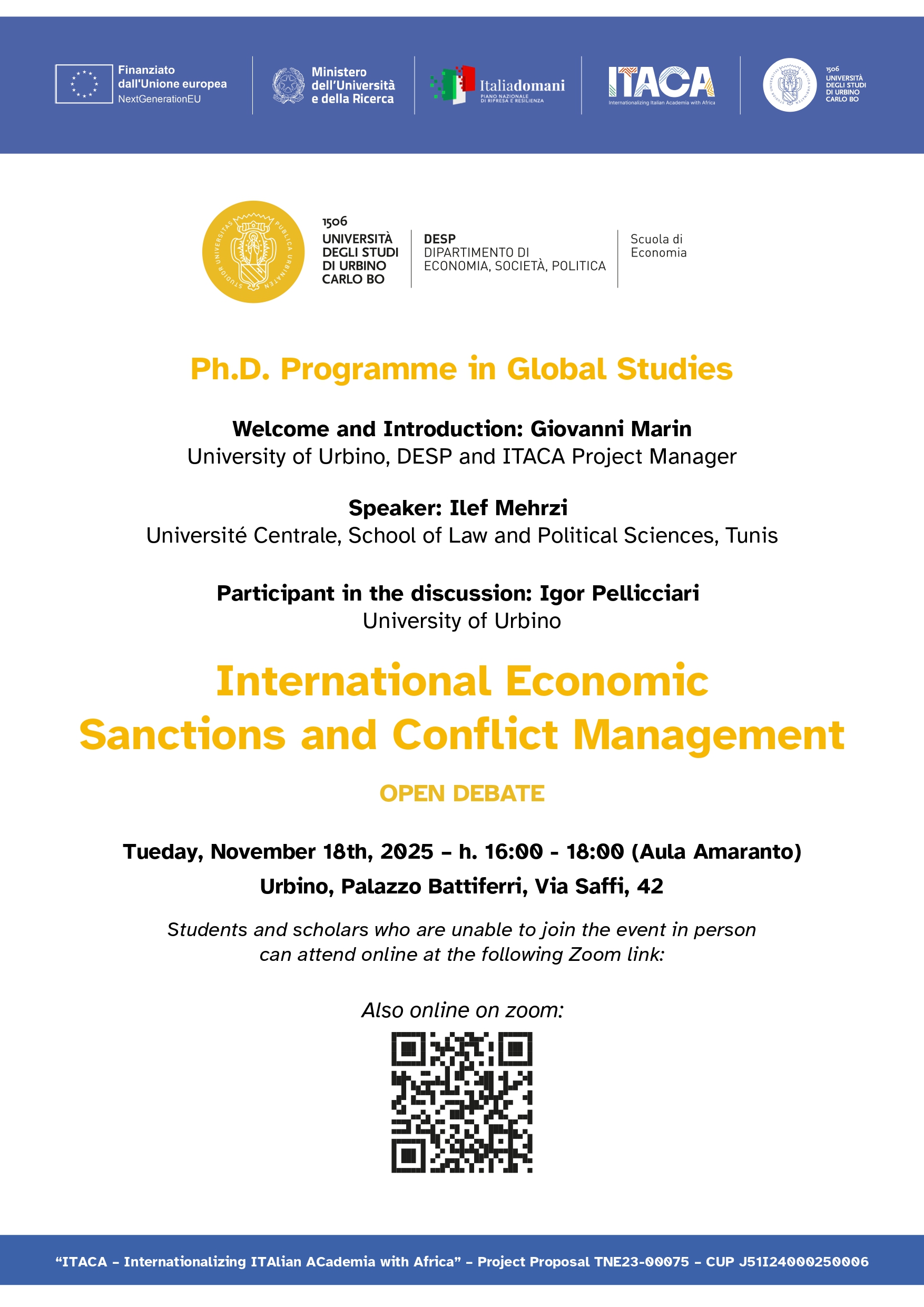
Seminar – International Sanctions and Conflict Management

This presentation explores the interplay between international sanctions and mediation as complementary tools for managing armed conflicts, with a focus on the Yugoslav Wars (1991–1996). It examines the legal foundations of peaceful dispute settlement under the UN Charter and the evolving role of sanctions in international relations. While sanctions are often perceived as coercive measures, this analysis highlights their potential to create conditions conducive to negotiation by exerting economic and diplomatic pressure on belligerents. Through historical and legal insights, the discussion traces how sanctions, combined with mediation efforts by the European Community, the United Nations, and the Contact Group, shaped the dynamics of conflict resolution in the Balkans. The case demonstrates that sanctions can reinforce diplomatic initiatives when integrated into a coherent strategy, provided timing, consent, and mediator credibility align. Lessons drawn underscore the importance of coordination and minimizing humanitarian harm in future conflict management frameworks.

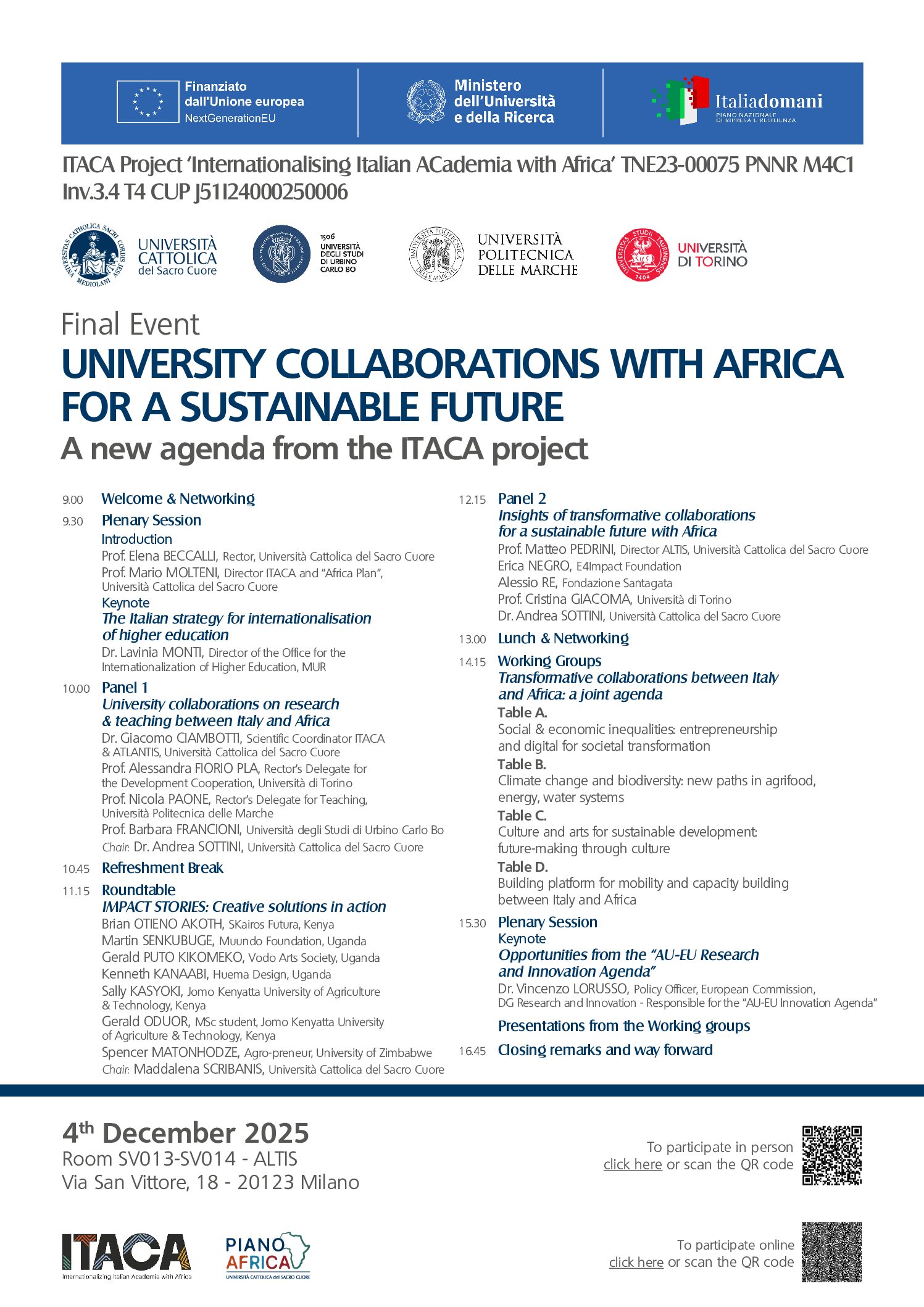
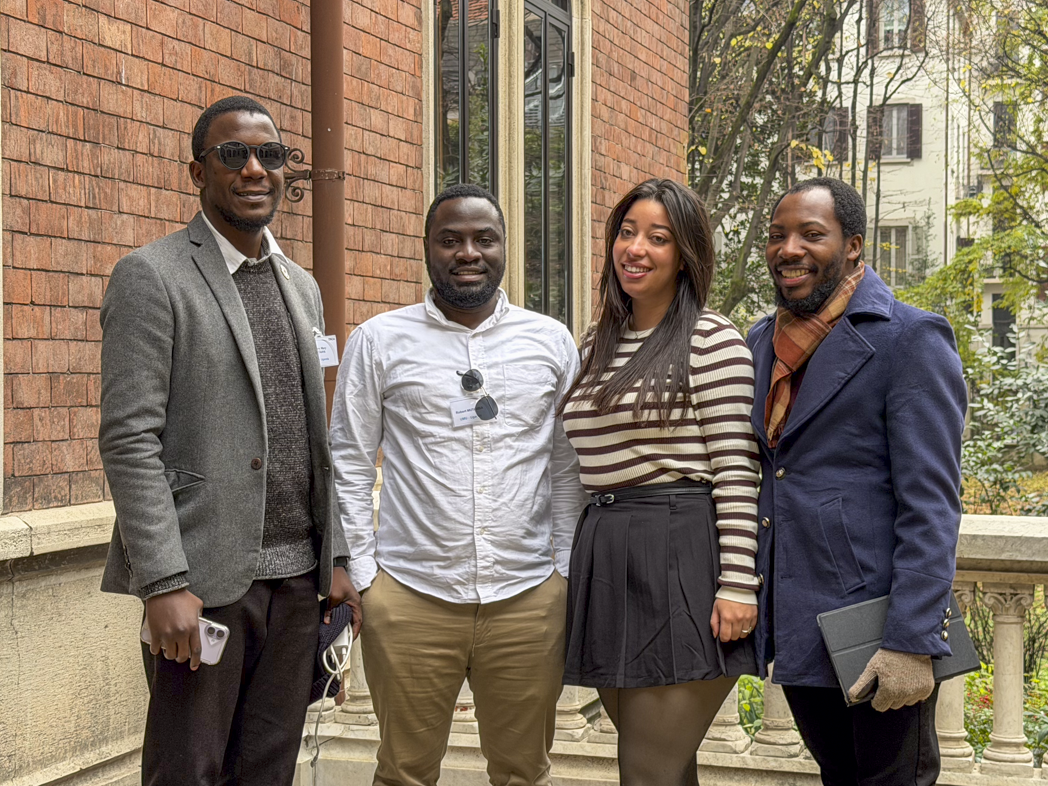
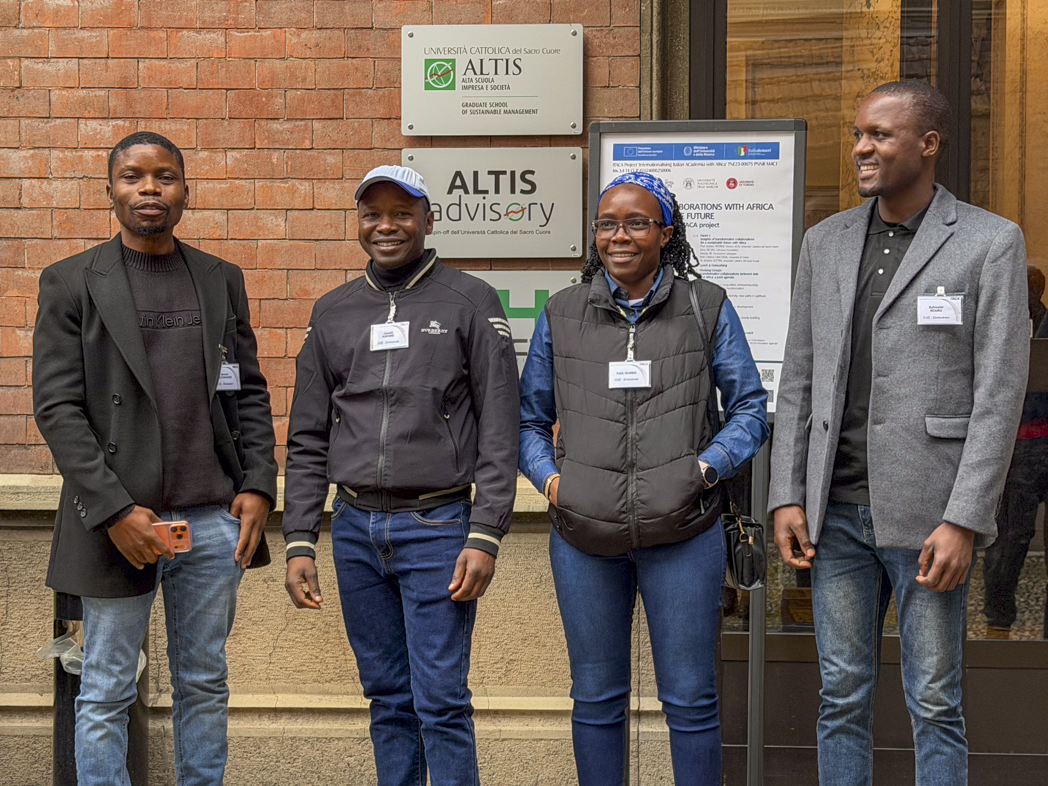
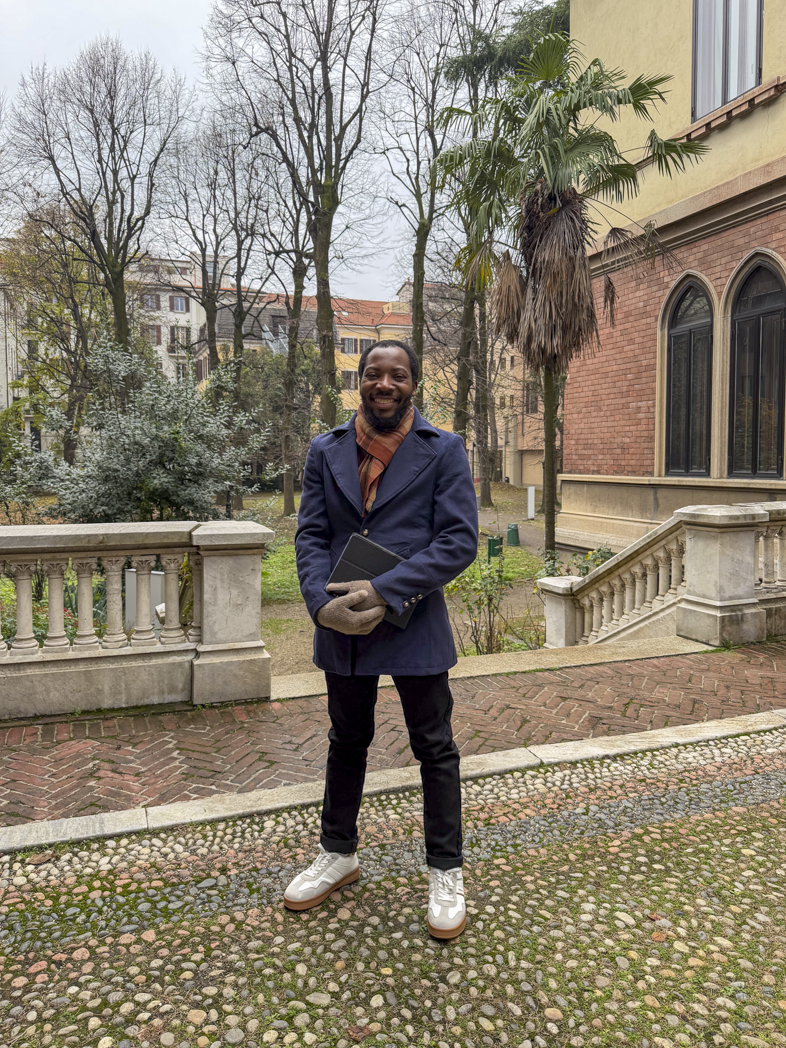
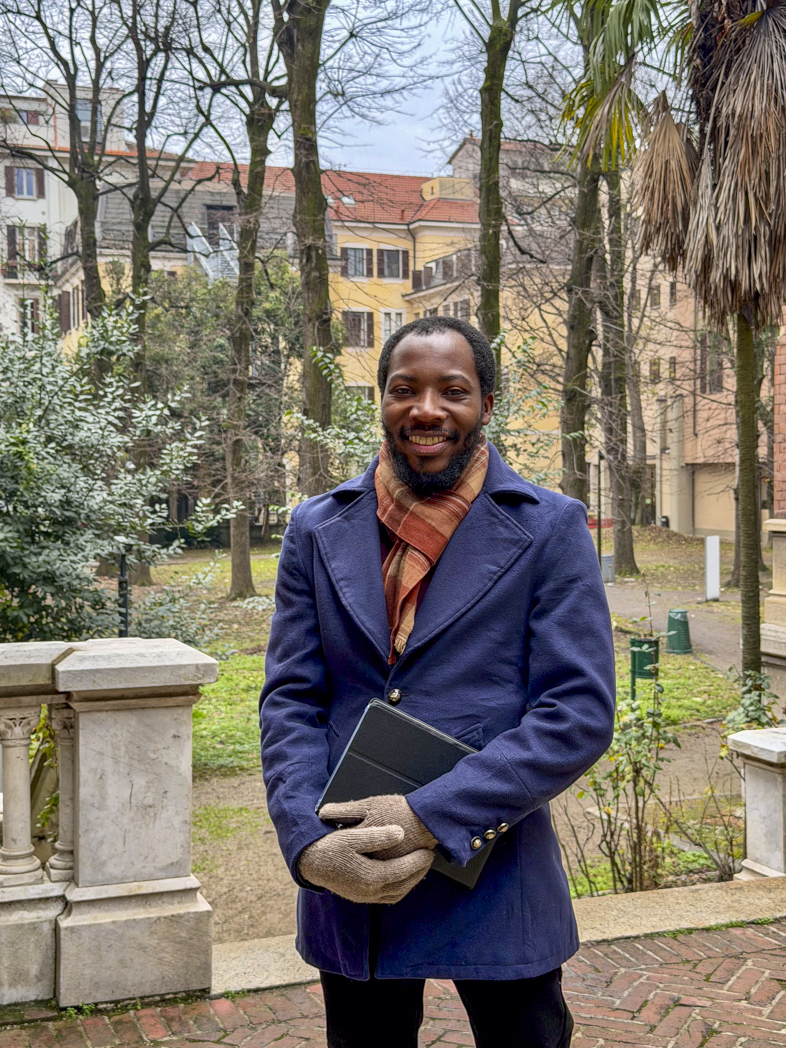
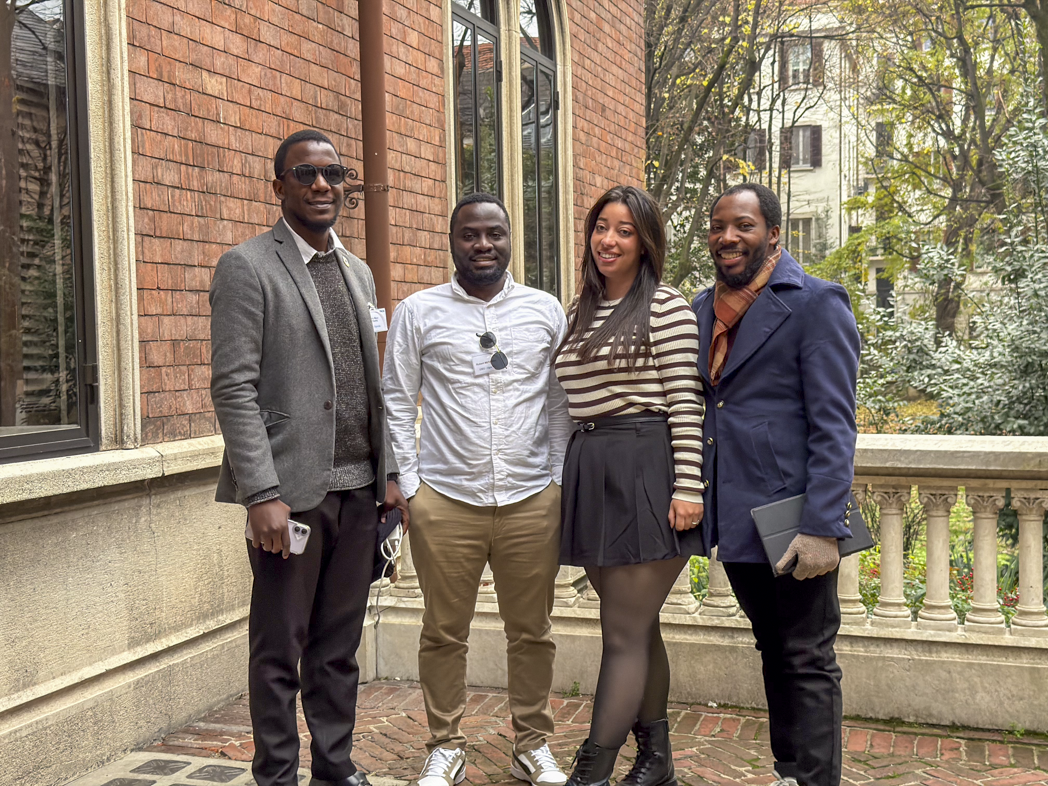
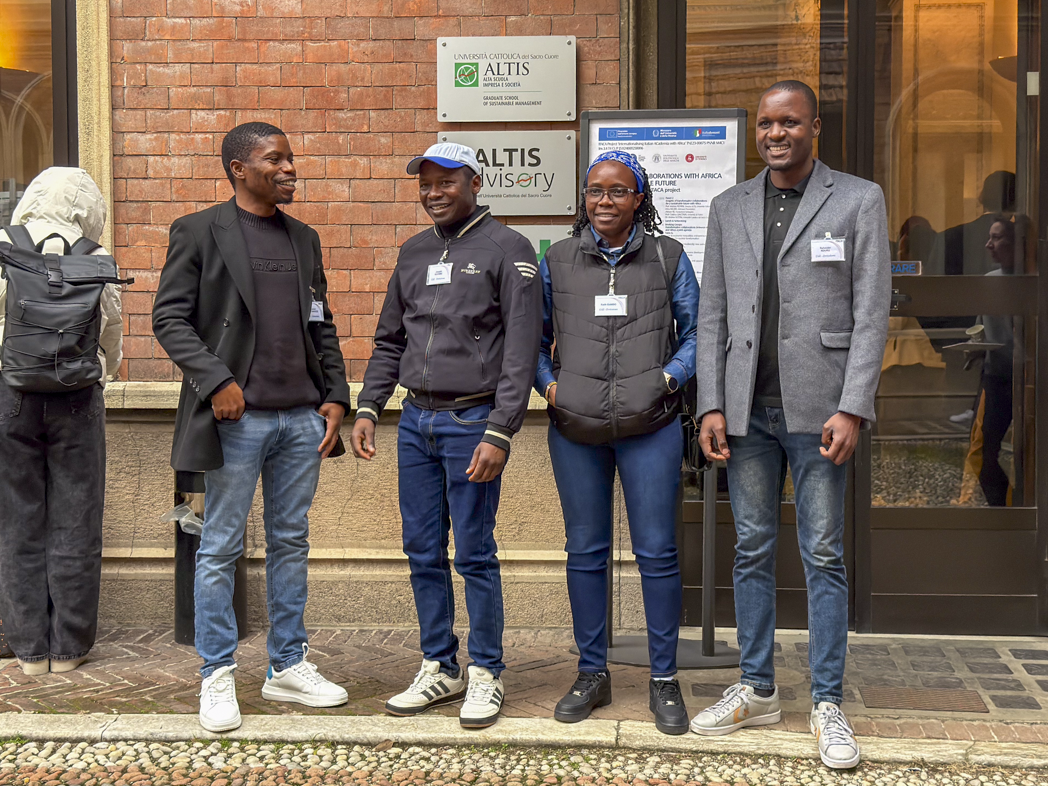
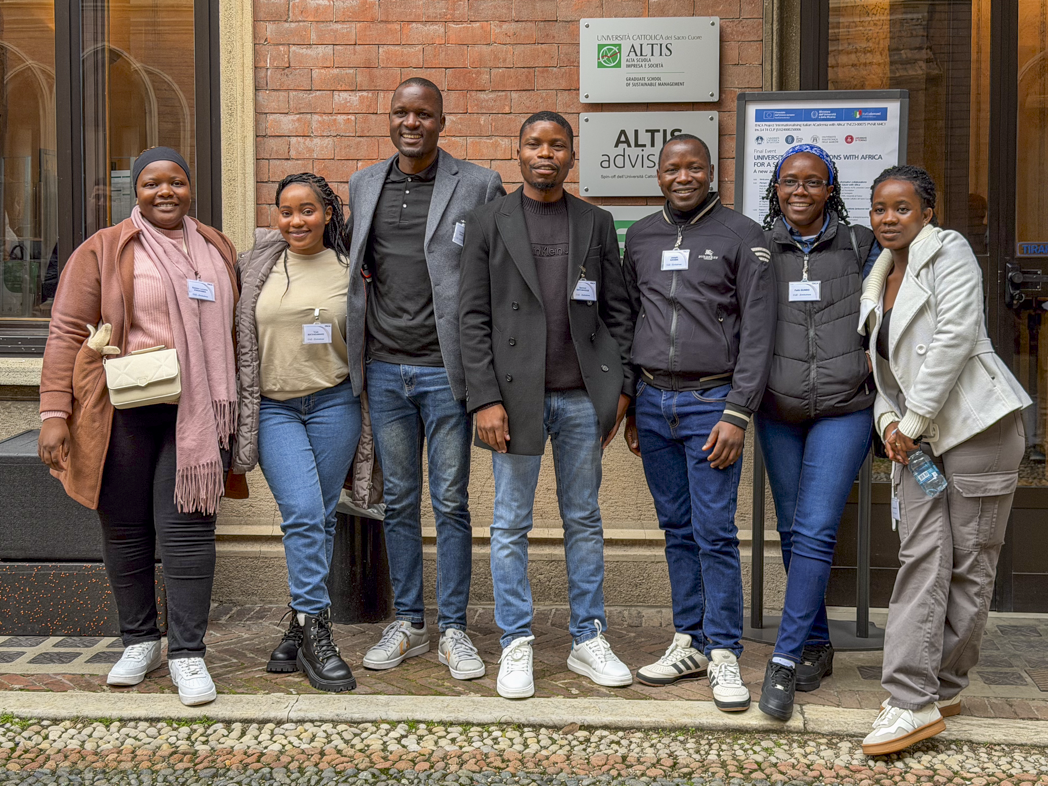
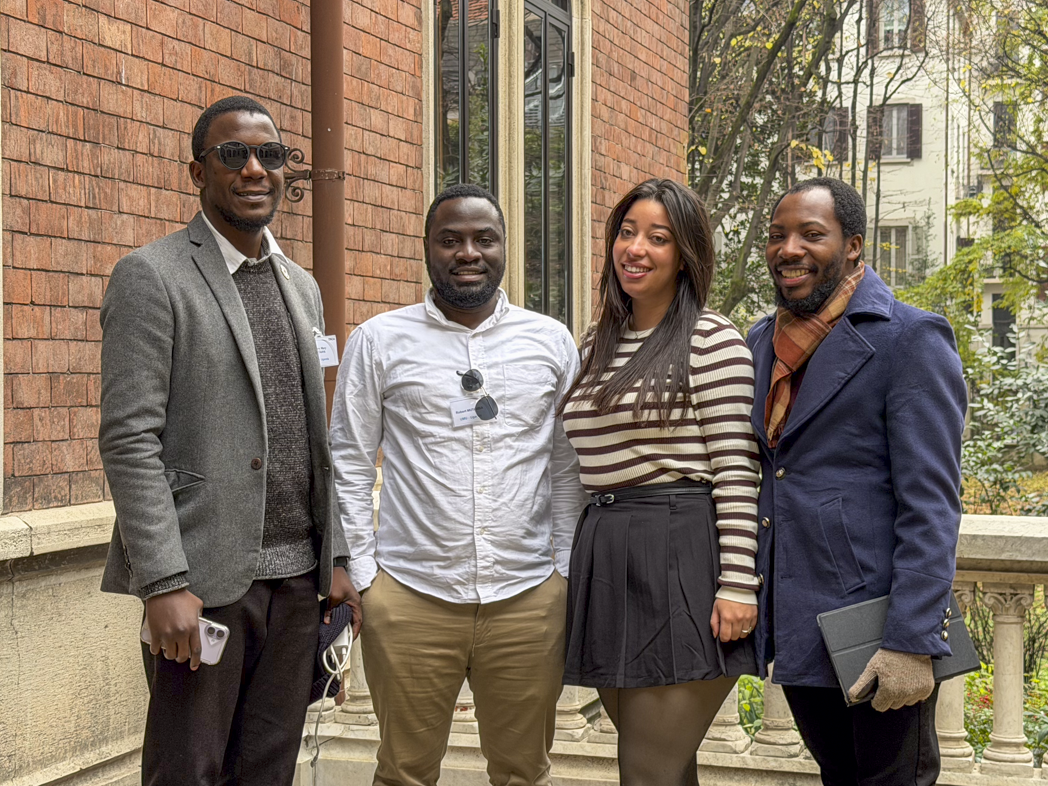
Final Event of the ITACA Project – 4 December 2025, Milan

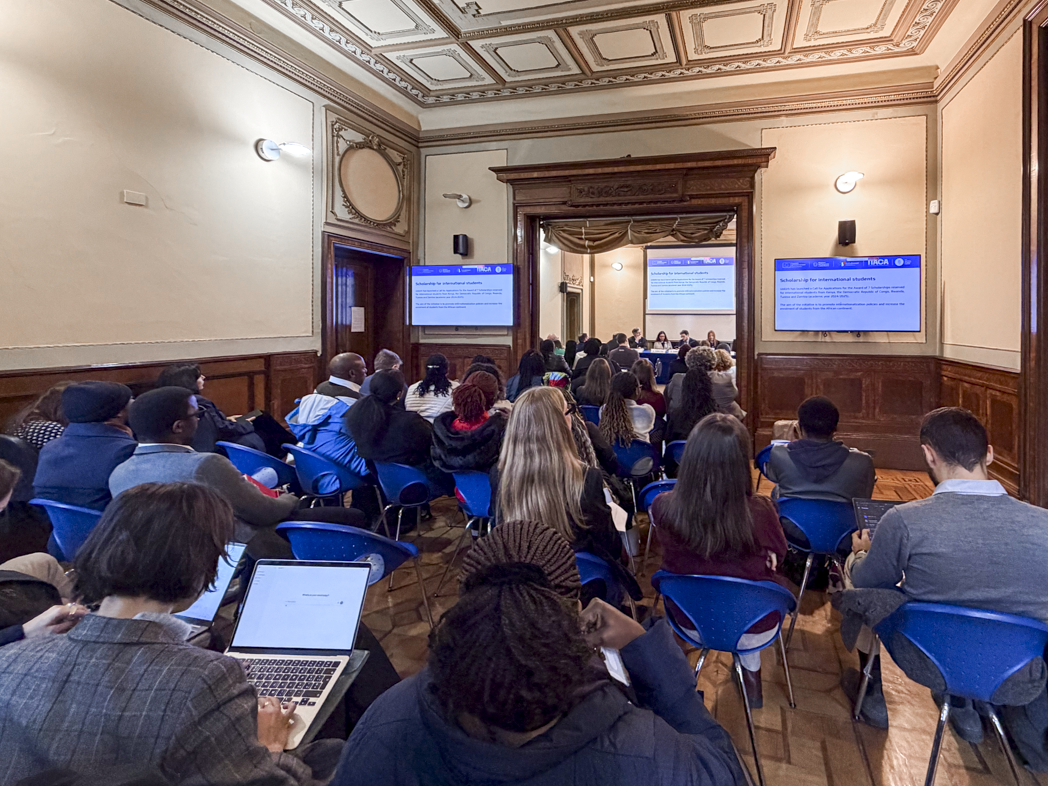
The event, titled “UNIVERSITY COLLABORATIONS WITH AFRICA FOR A SUSTAINABLE FUTURE: A new agenda from the ITACA project”, will take place on December 4, 2025, in Milan, at ALTIS, Aula SV013-SV014, Via San Vittore 18, starting at 9:00 AM and concluding at 5:00 PM.
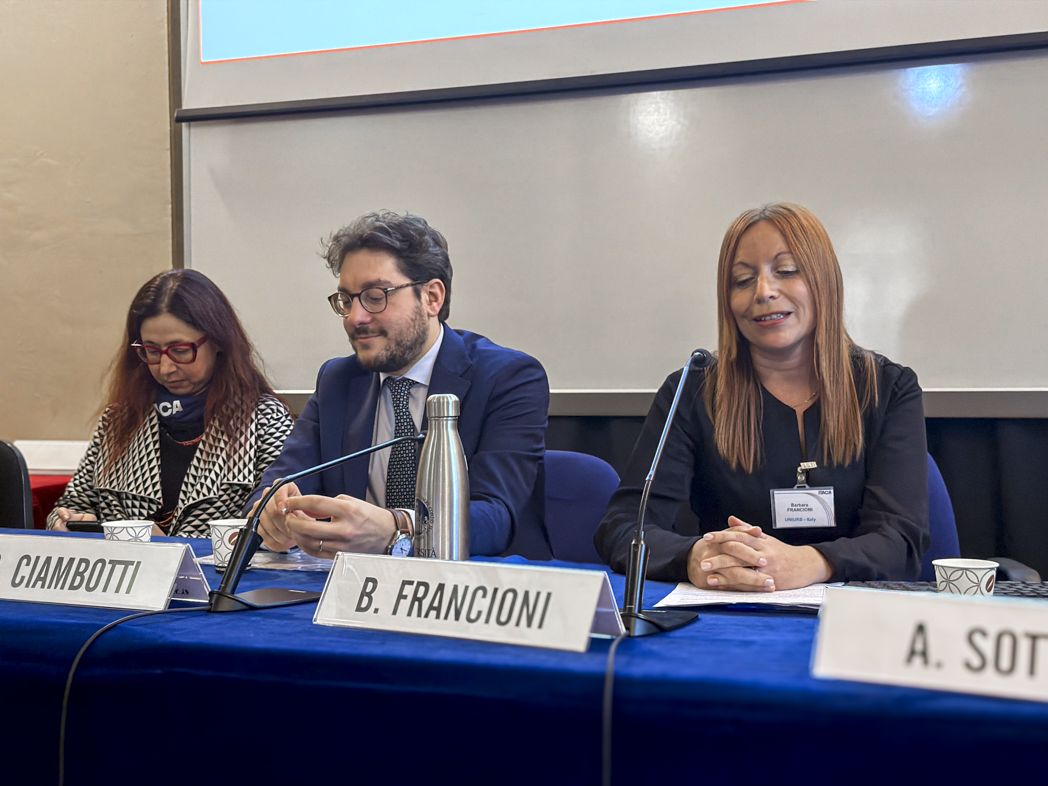
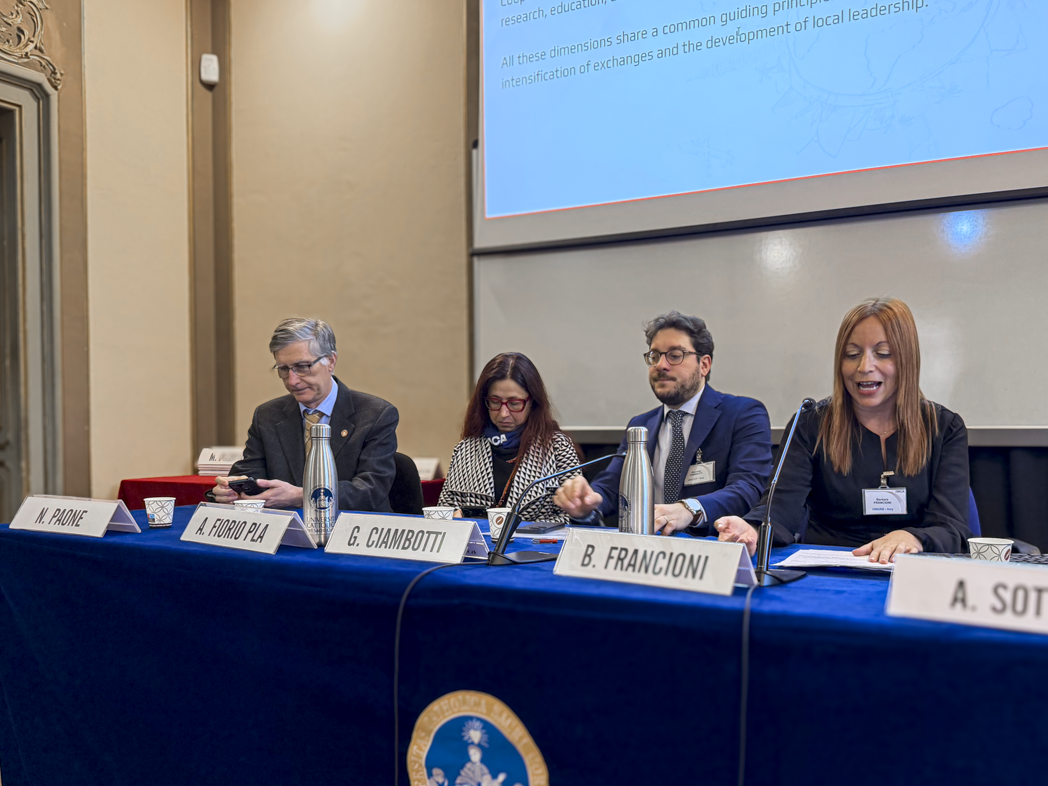
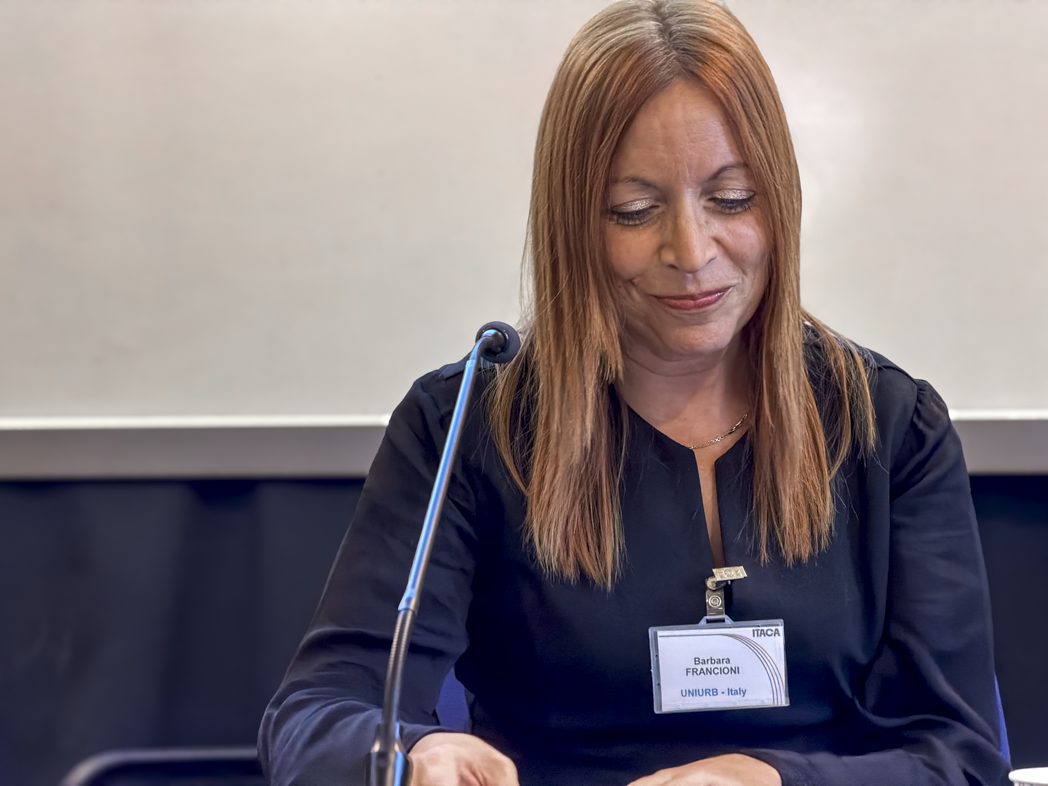
Uniurb is directly involved in the program: Prof. Barbara Francioni (Associate Professor, UNIURB) will participate in Panel 1 (10:00 – 10:45 AM), focusing on university collaborations on research & teaching between Italy and Africa.

The day’s program includes:

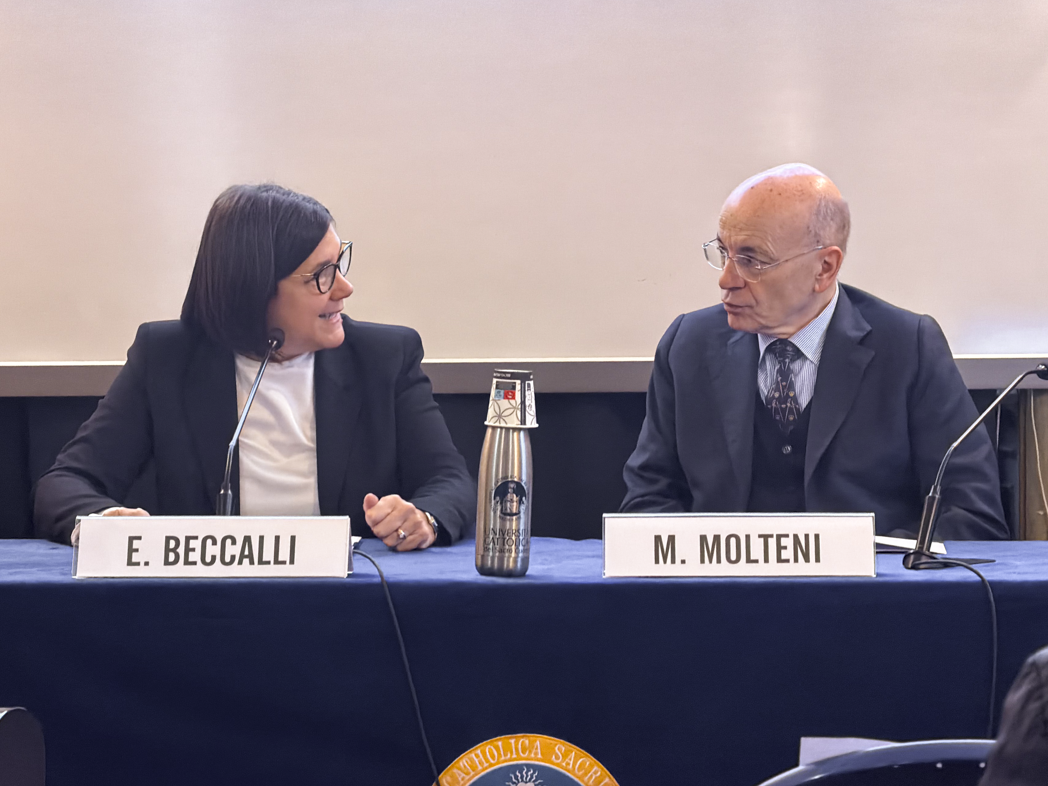
  • Institutional introduction with the participation of Rector Prof. Elena Beccalli, the Director of ITACA and the Piano Africa Unicatt Prof. Mario Molteni, and representatives from the MUR

  • Panel dedicated to Italy–Africa academic collaborations, with interventions from UNITO, UNIVPM, UNIURB, and UCSC

  • Impact stories from partners and students involved in the activities

  • Panel on innovative models of cooperation

  • Thematic working tables on inequalities, climate change, culture, and academic mobility between Italy and Africa

  • Keynote by the European Commission on the opportunities of the AU–EU Research and Innovation Agenda

Photo Gallery