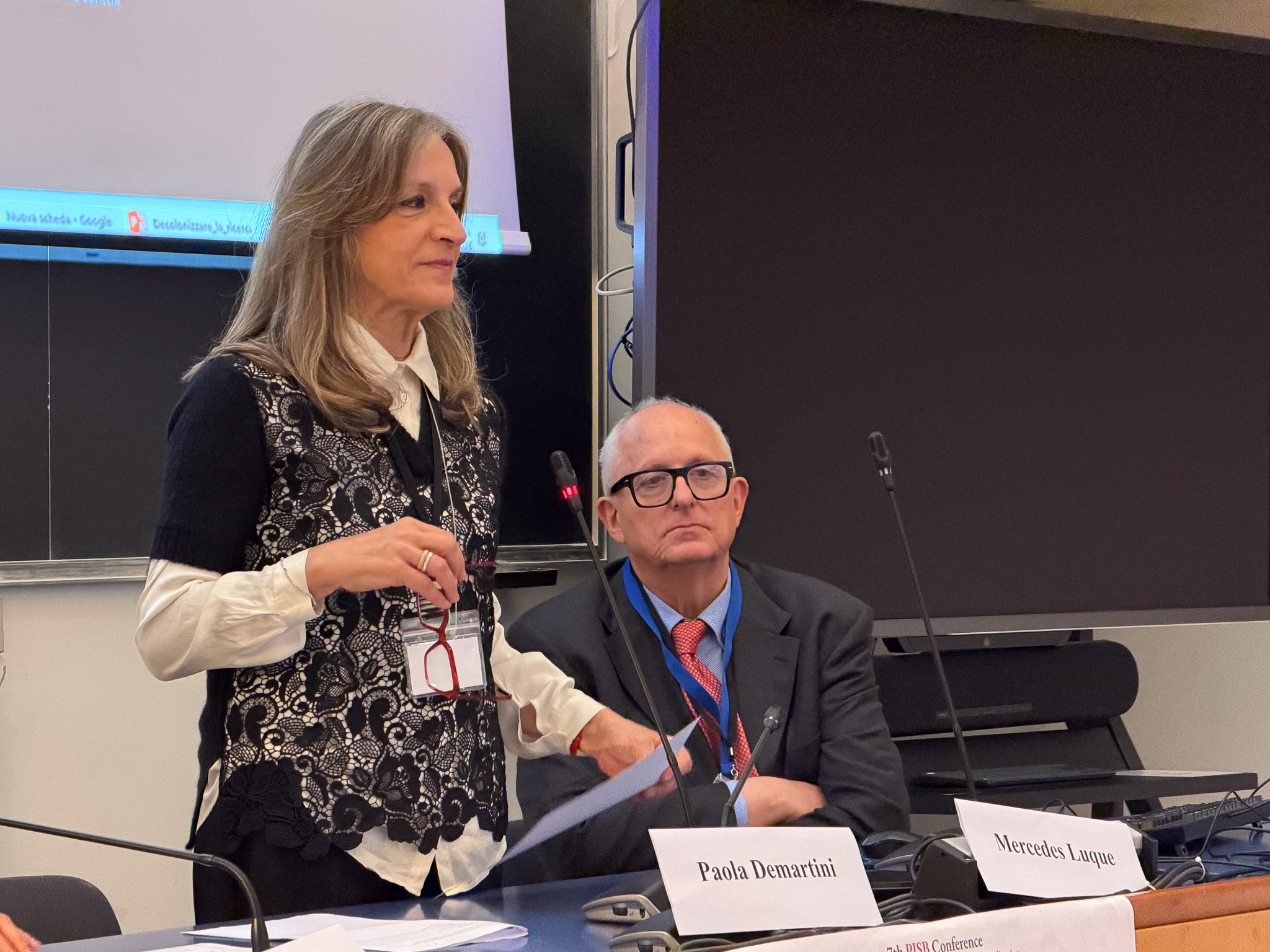
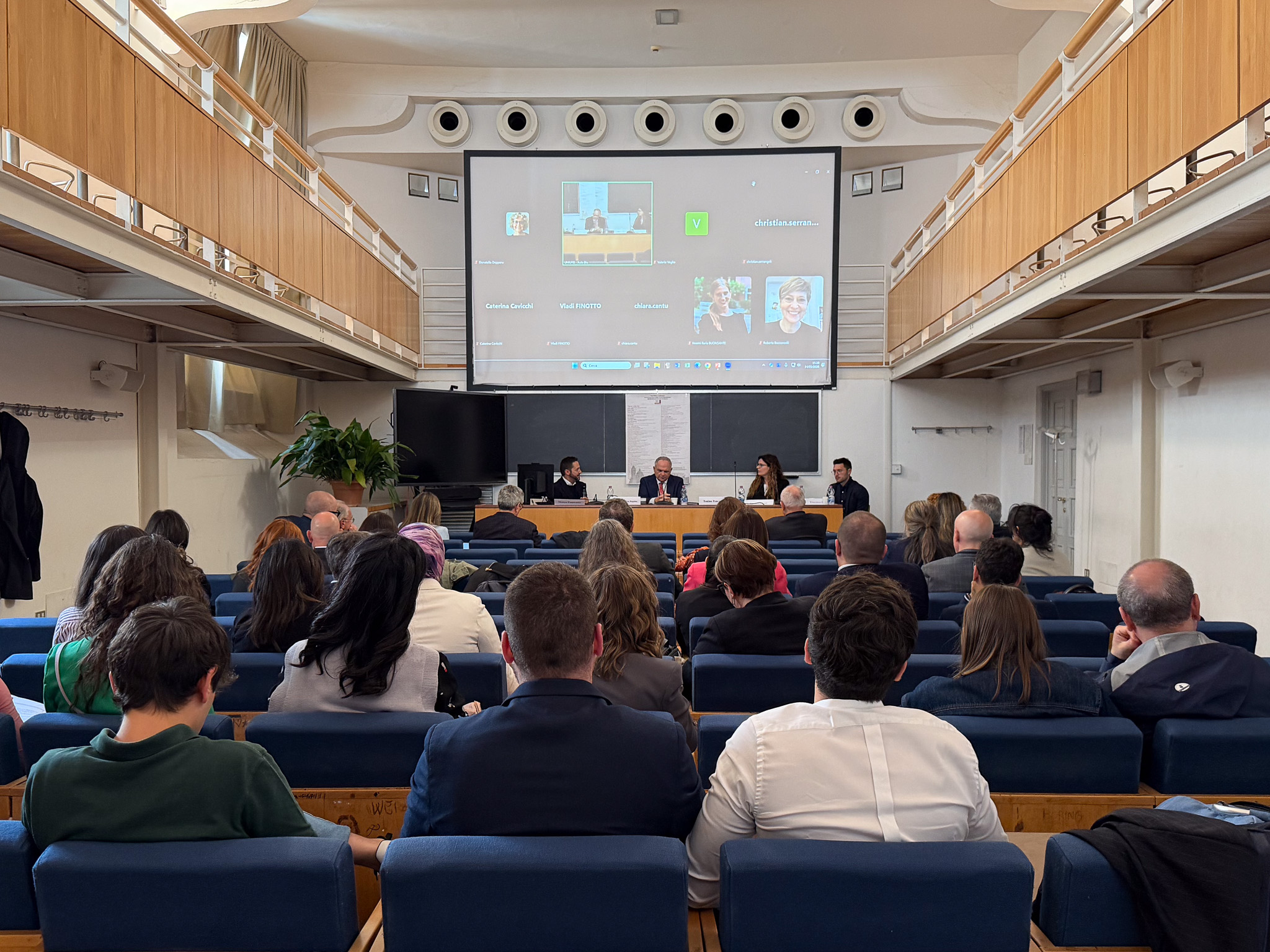
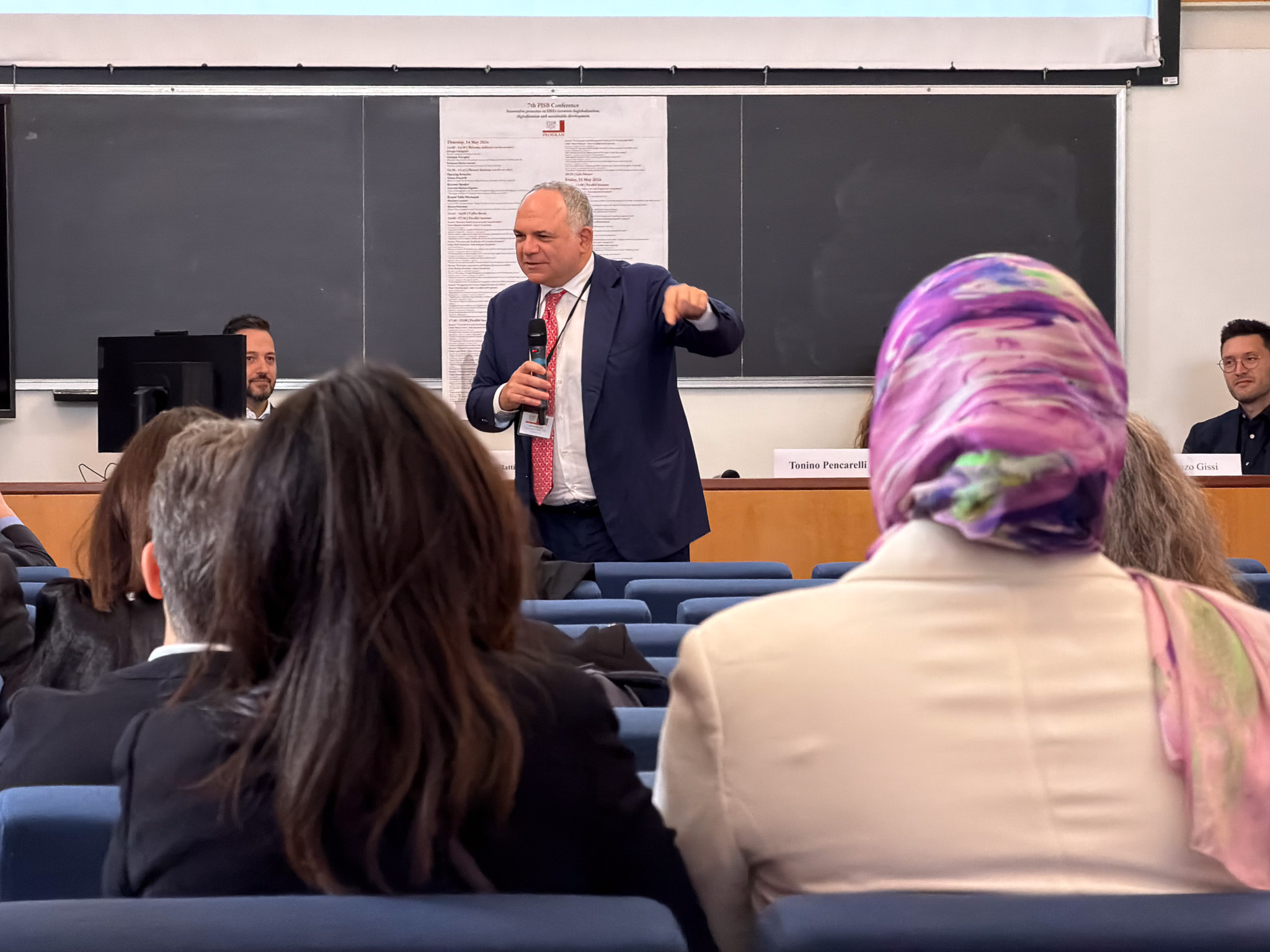
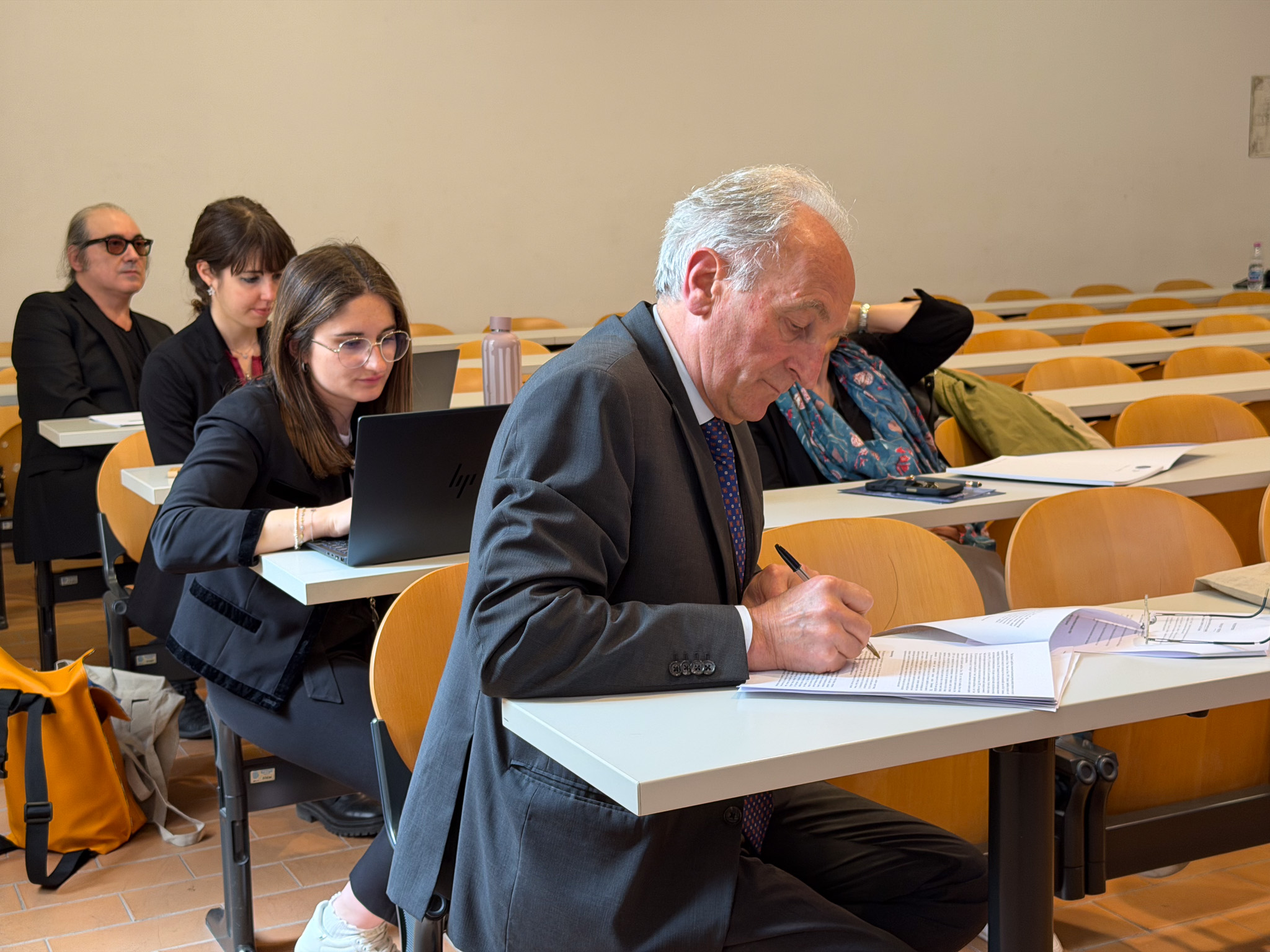
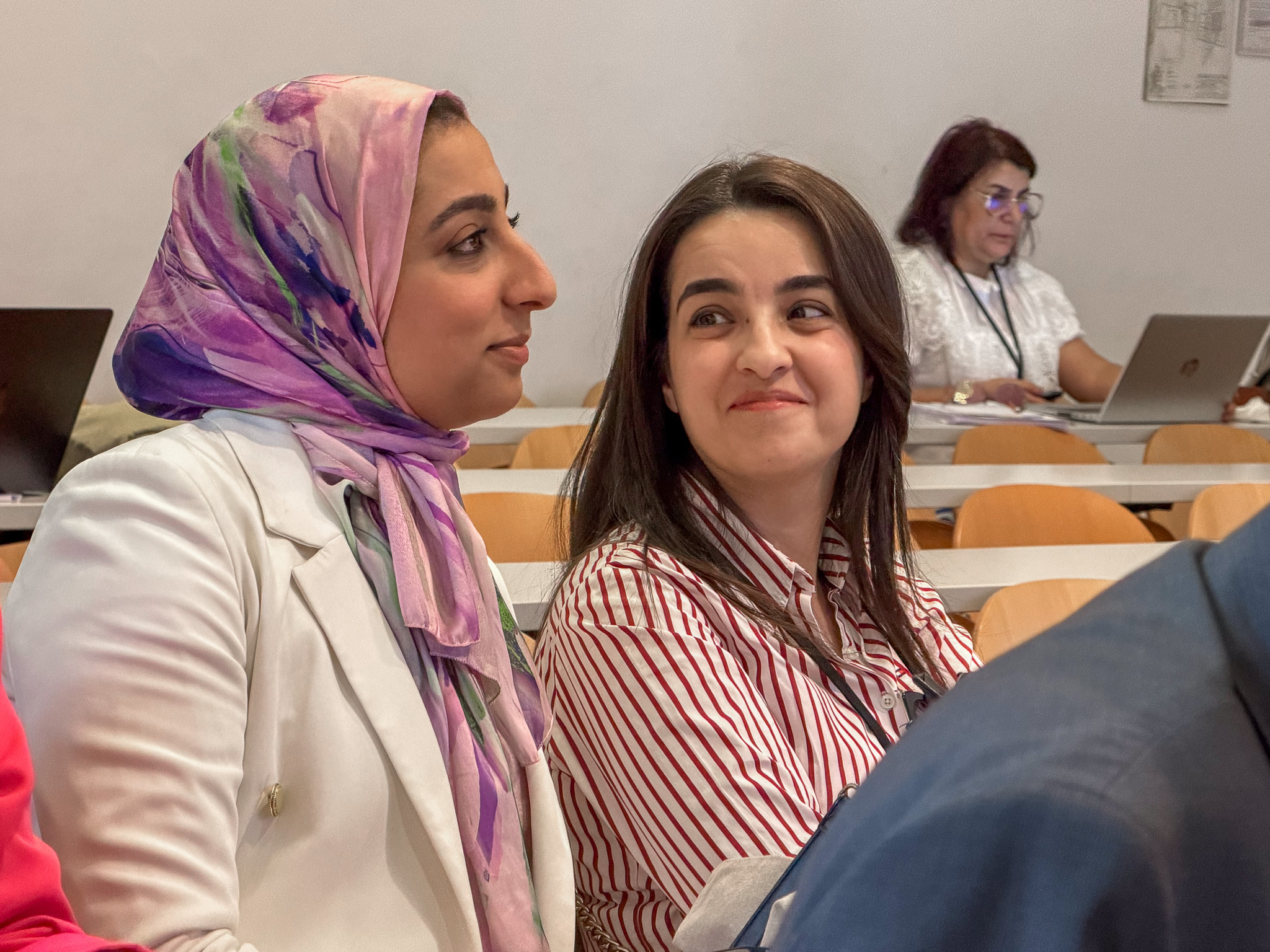
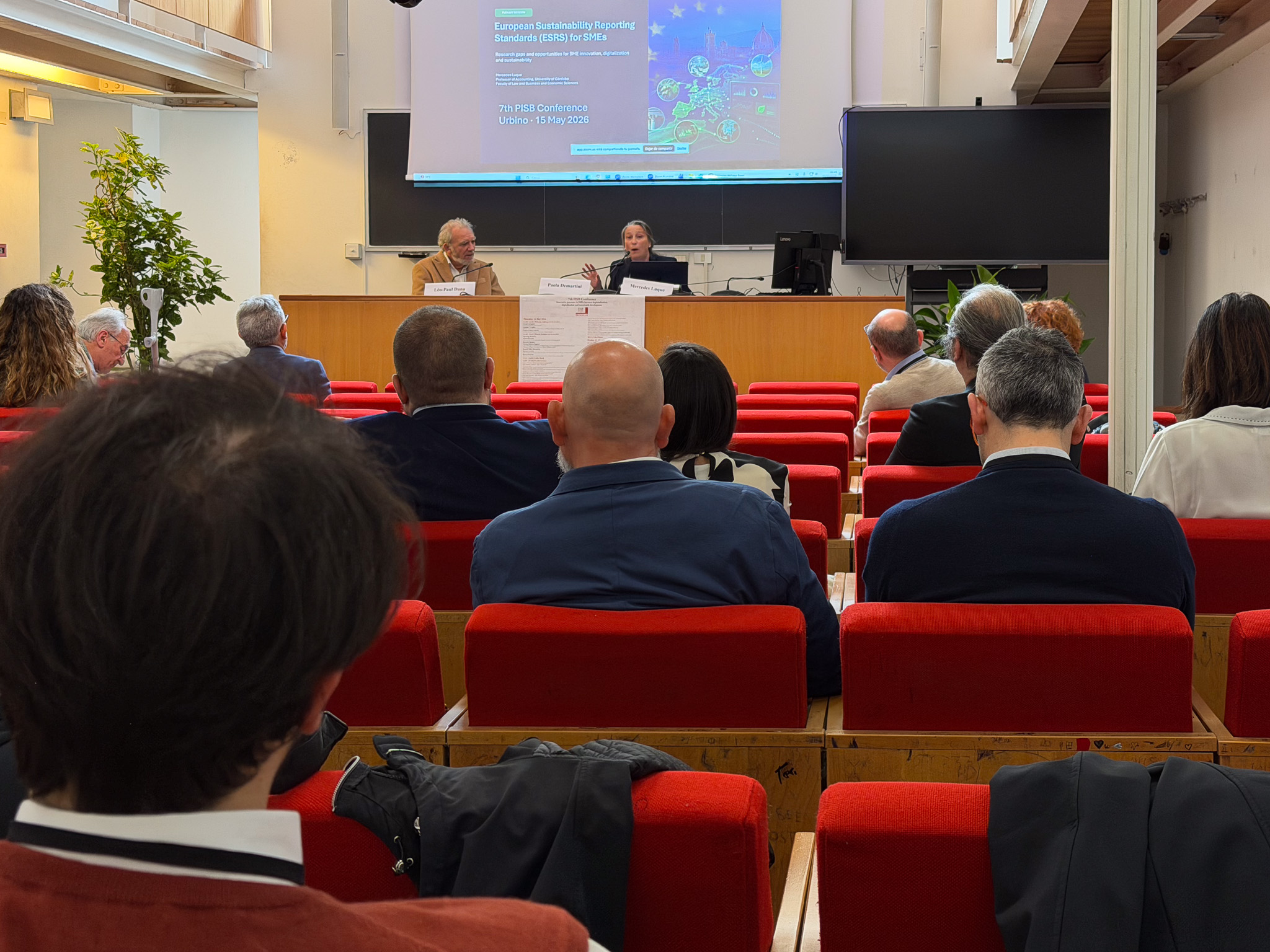
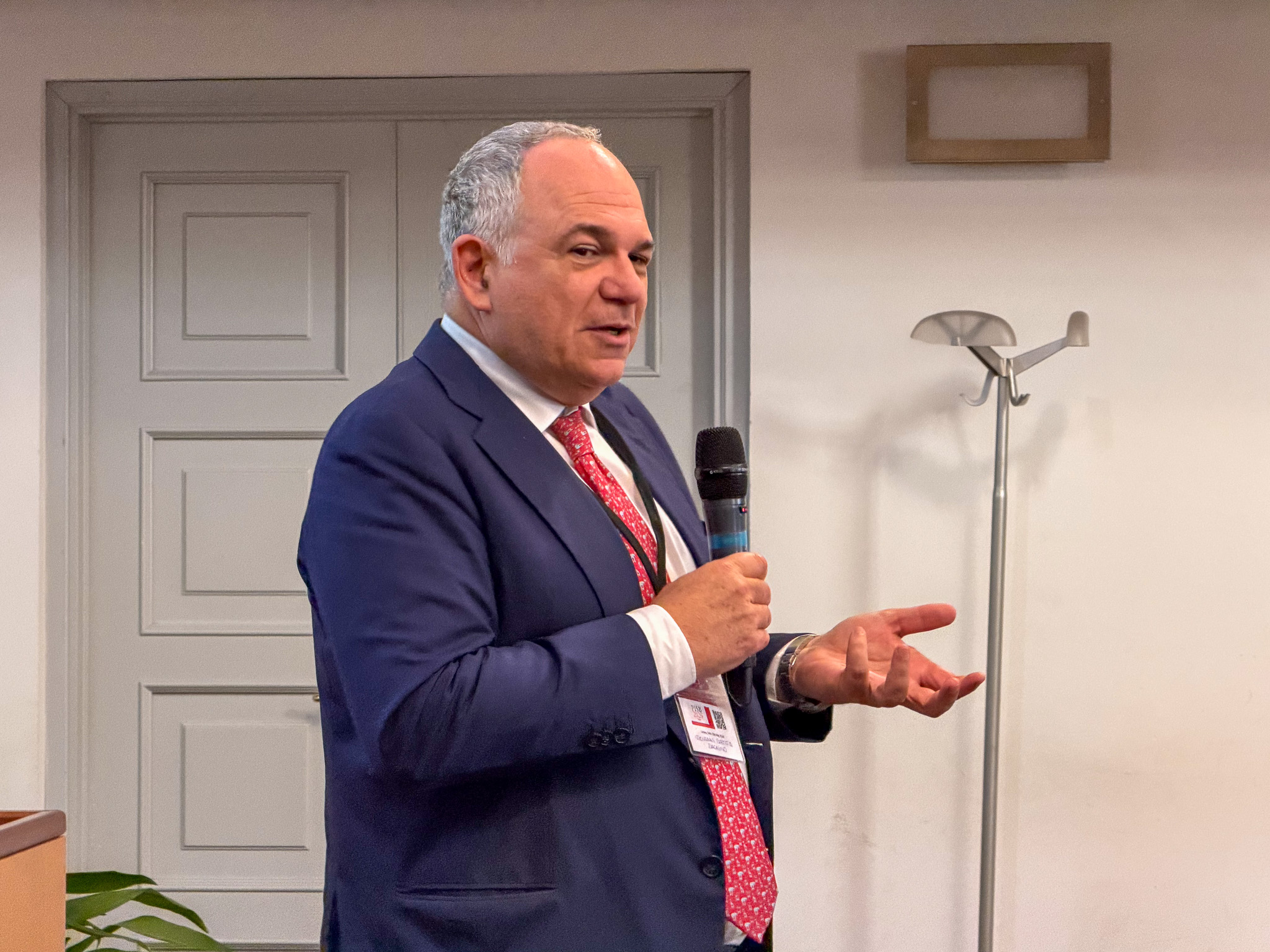
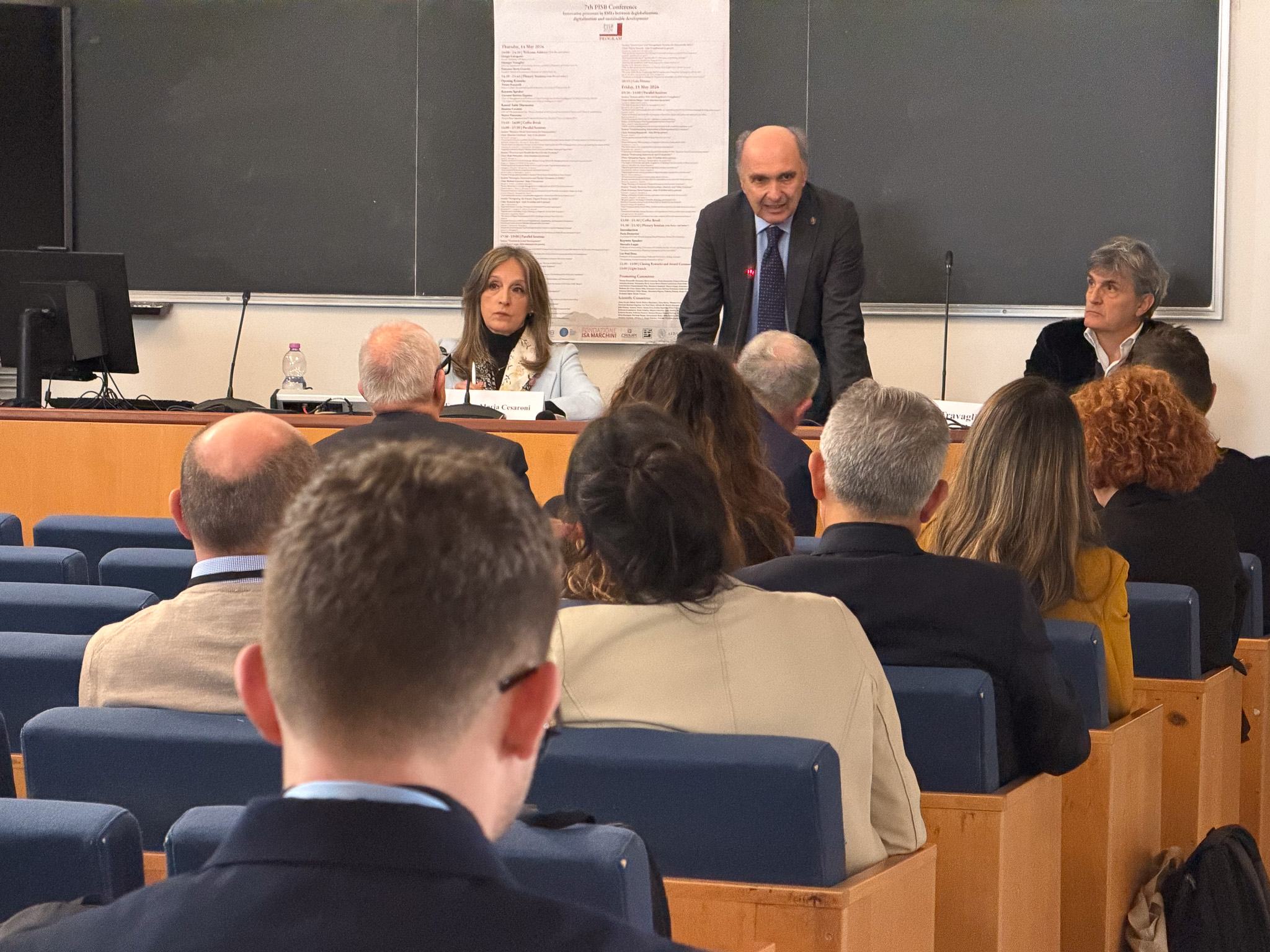
7th PISB Conference Innovative processes in SMEs between deglobalization, digitalization and sustainable development

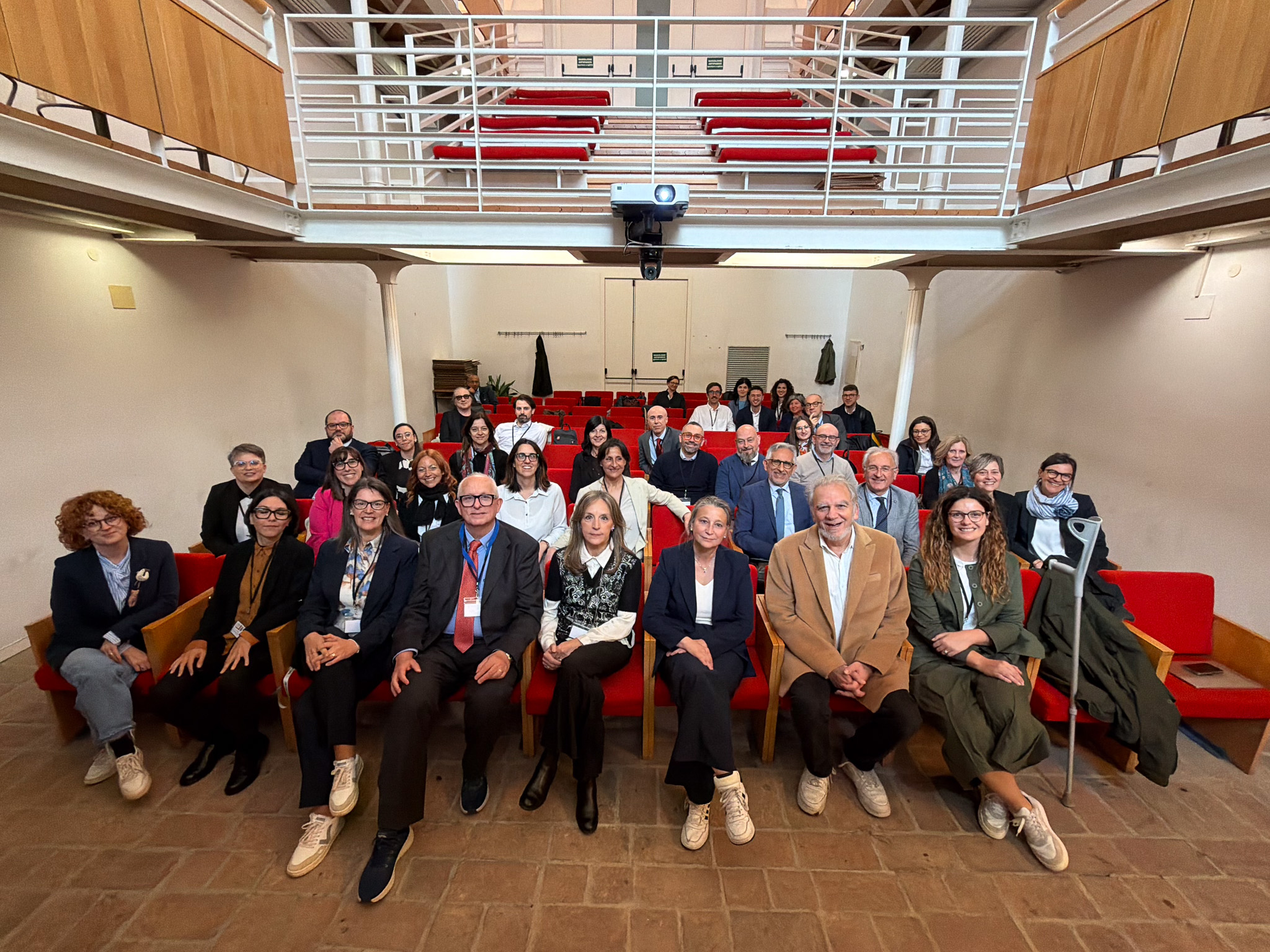
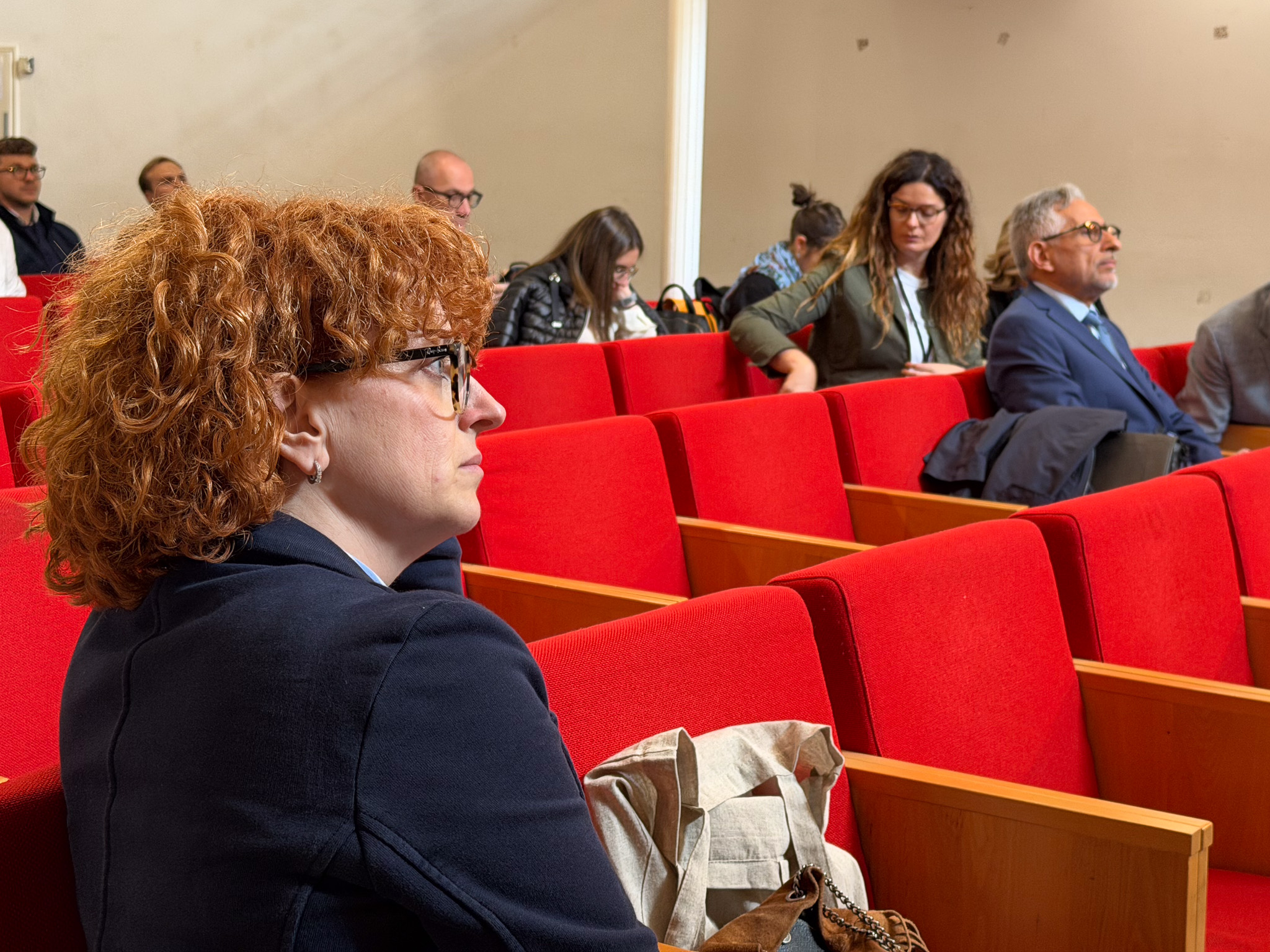
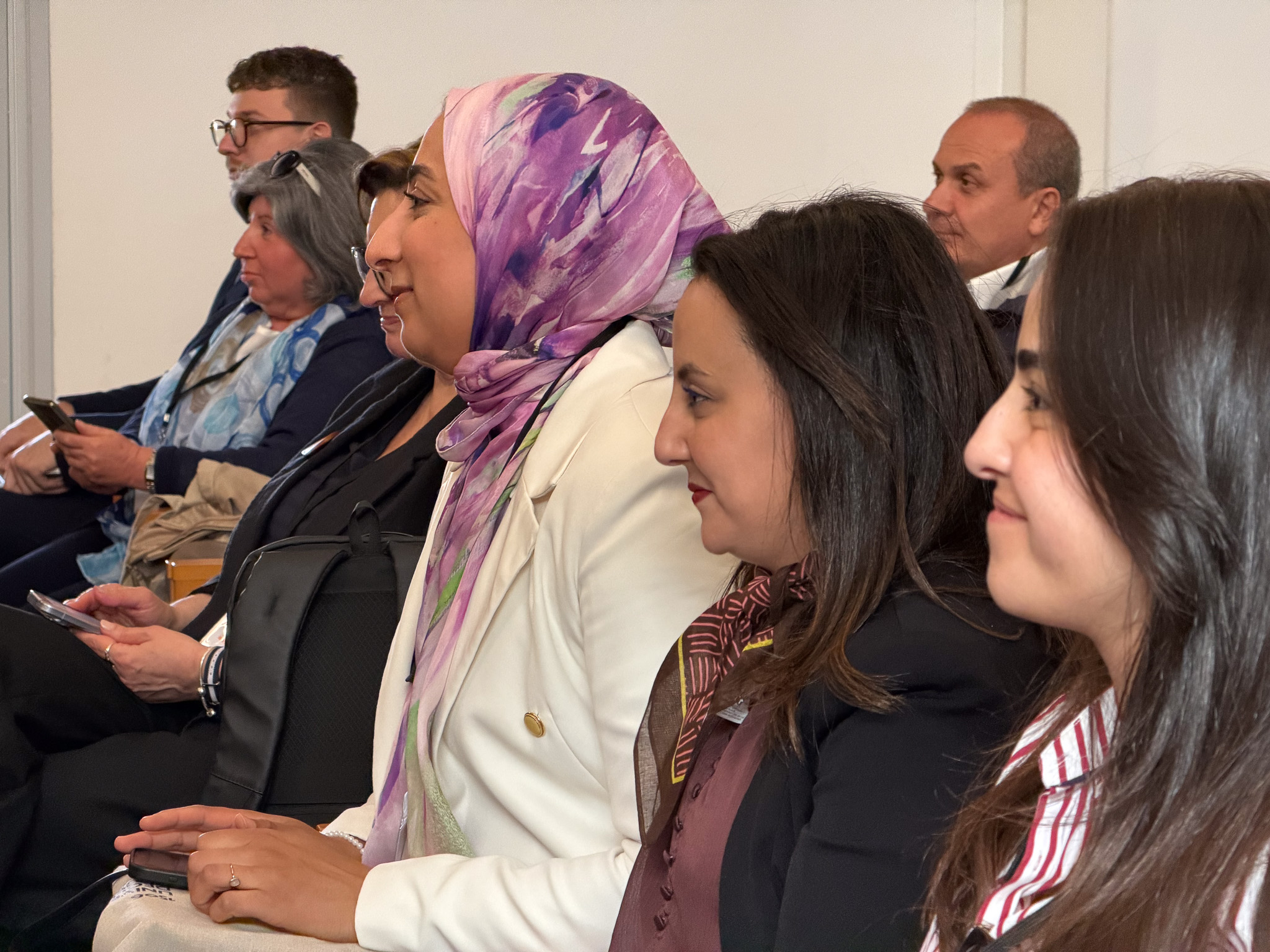
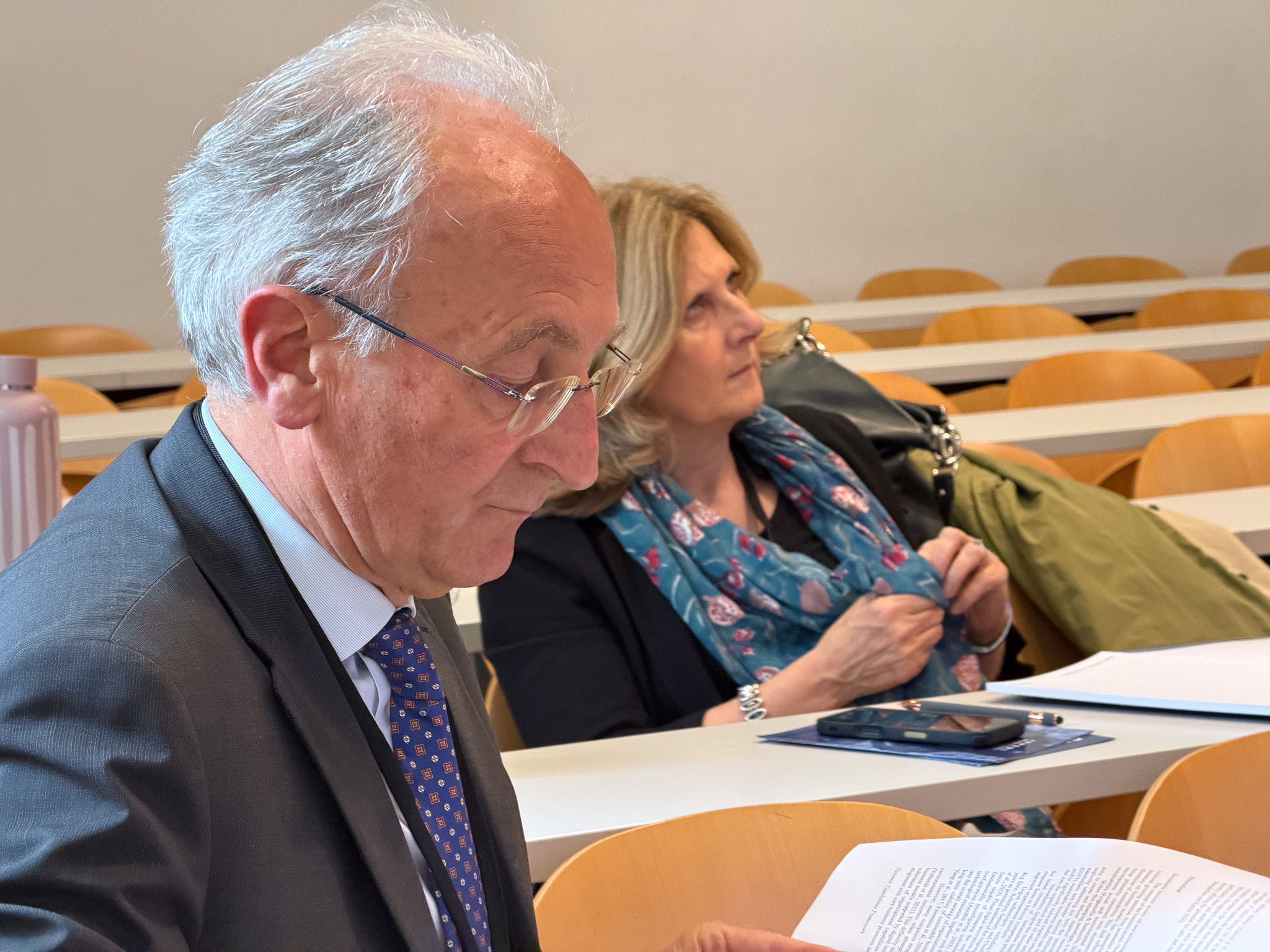
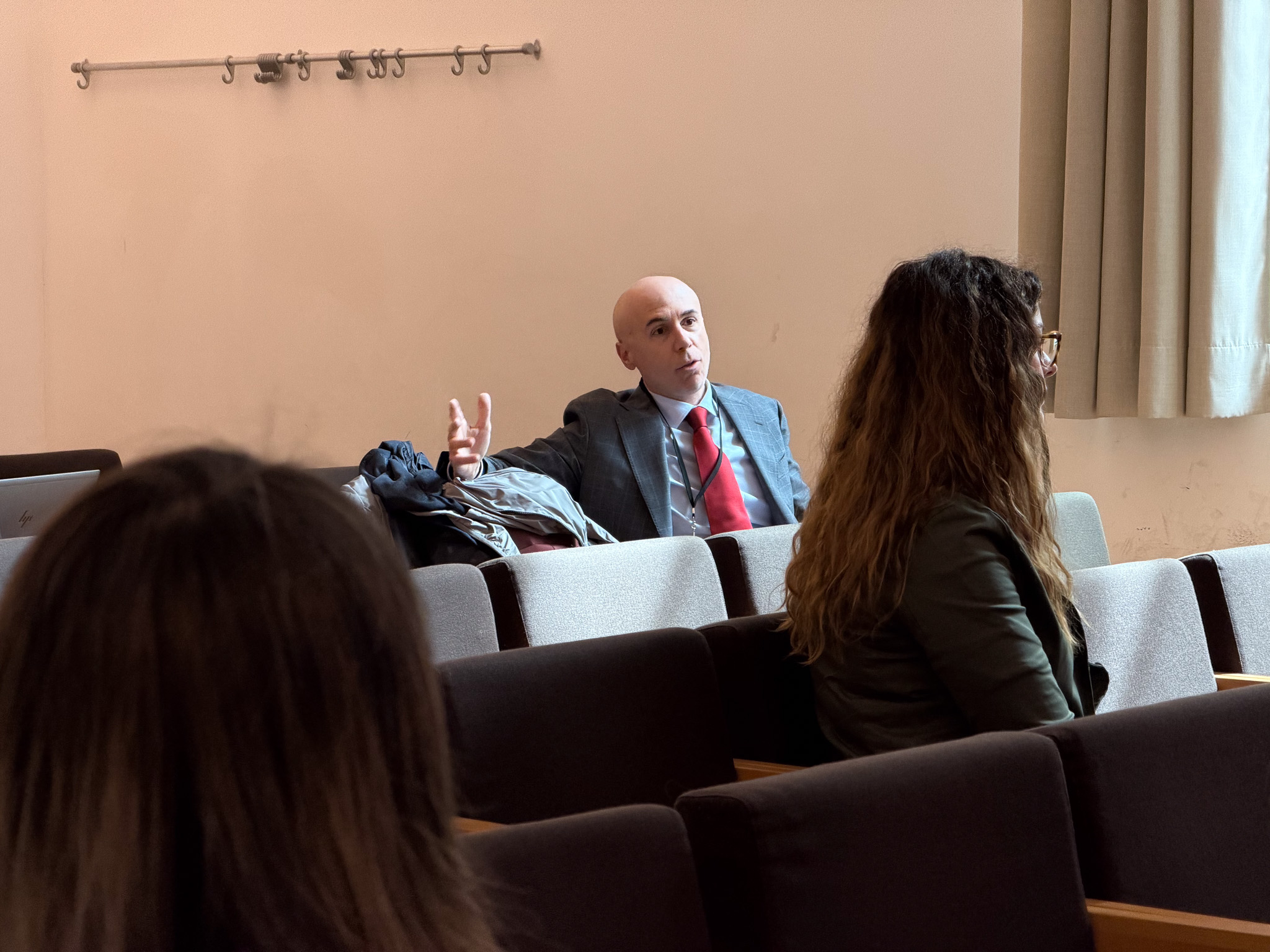
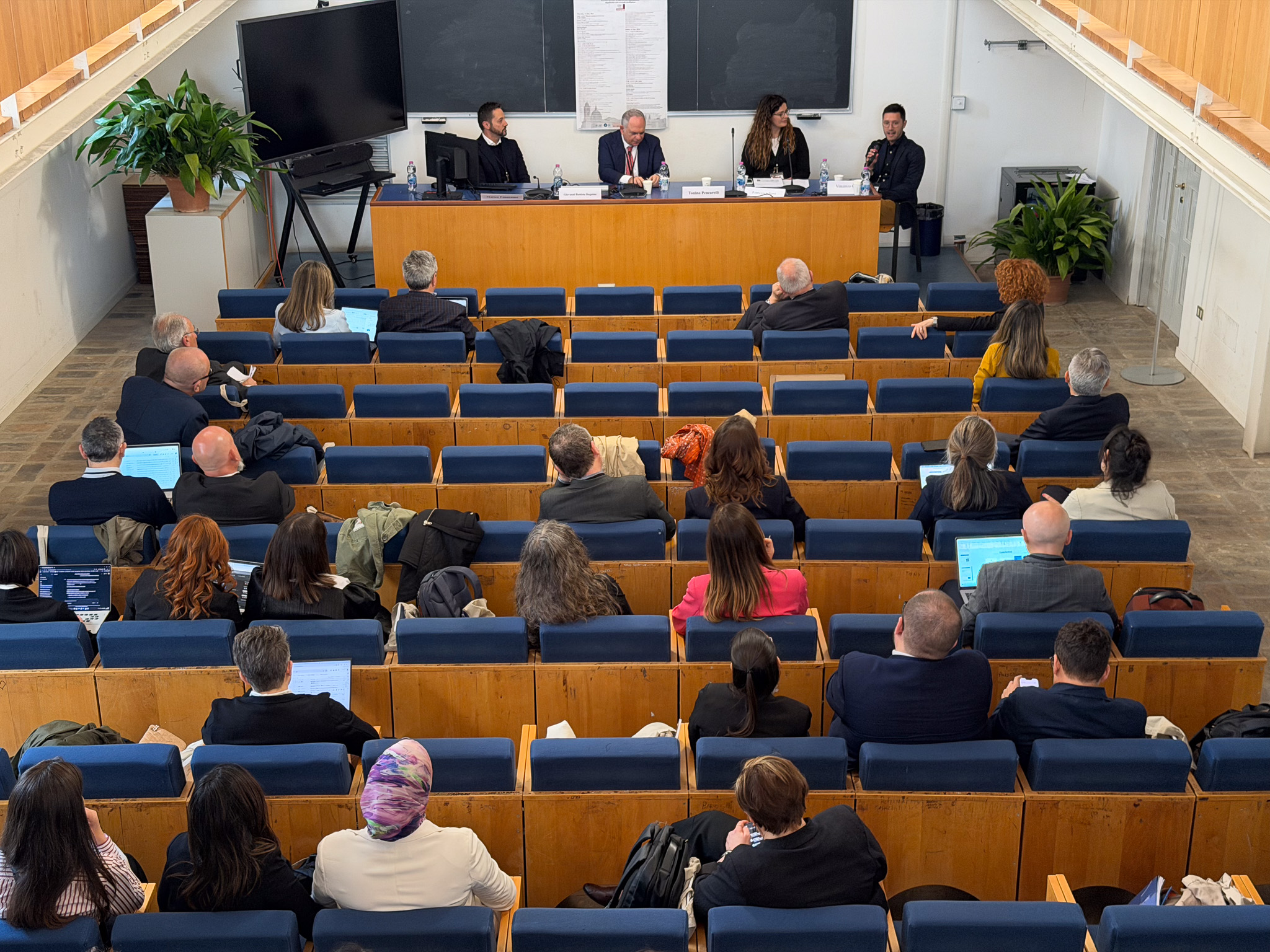
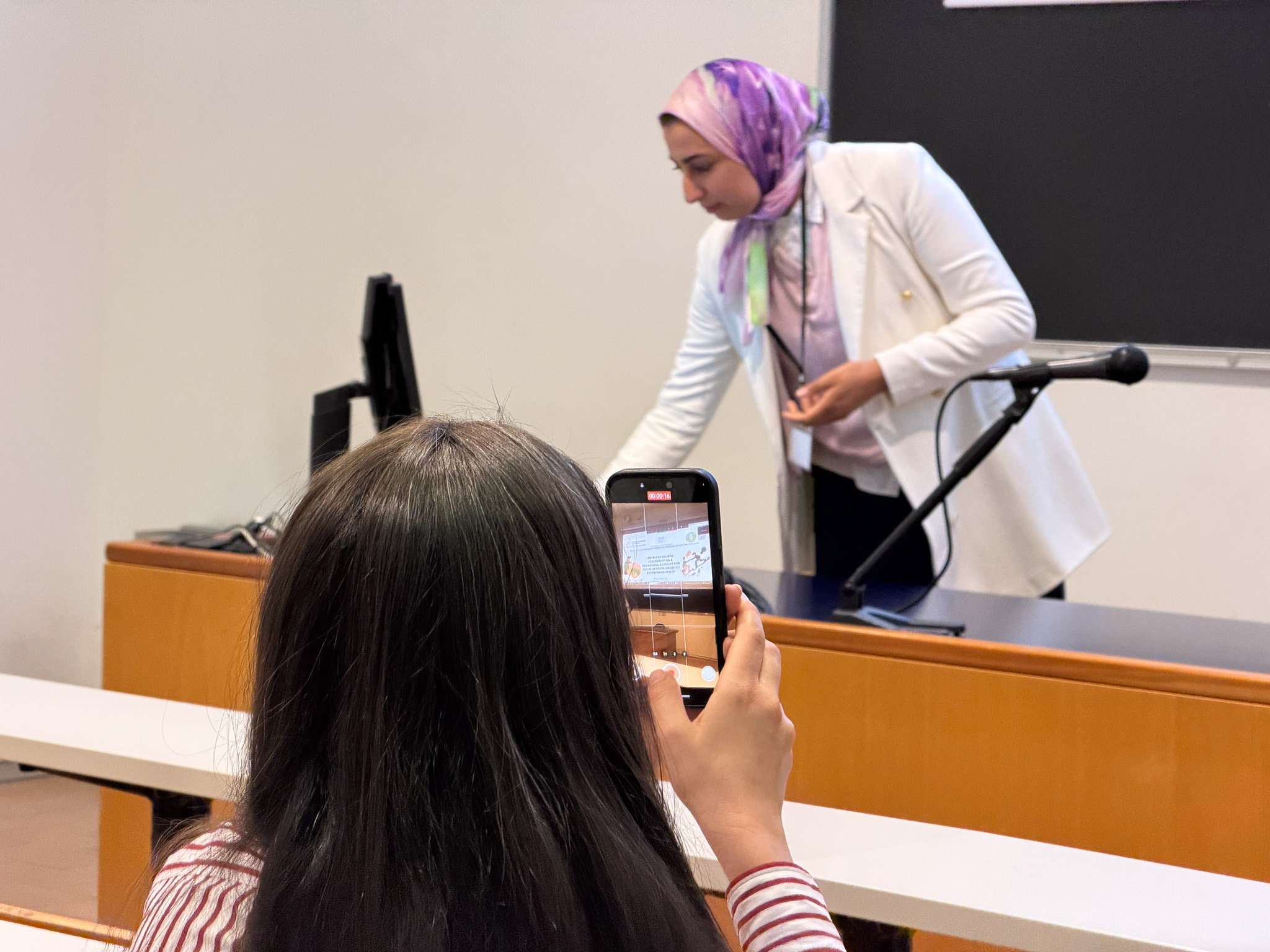
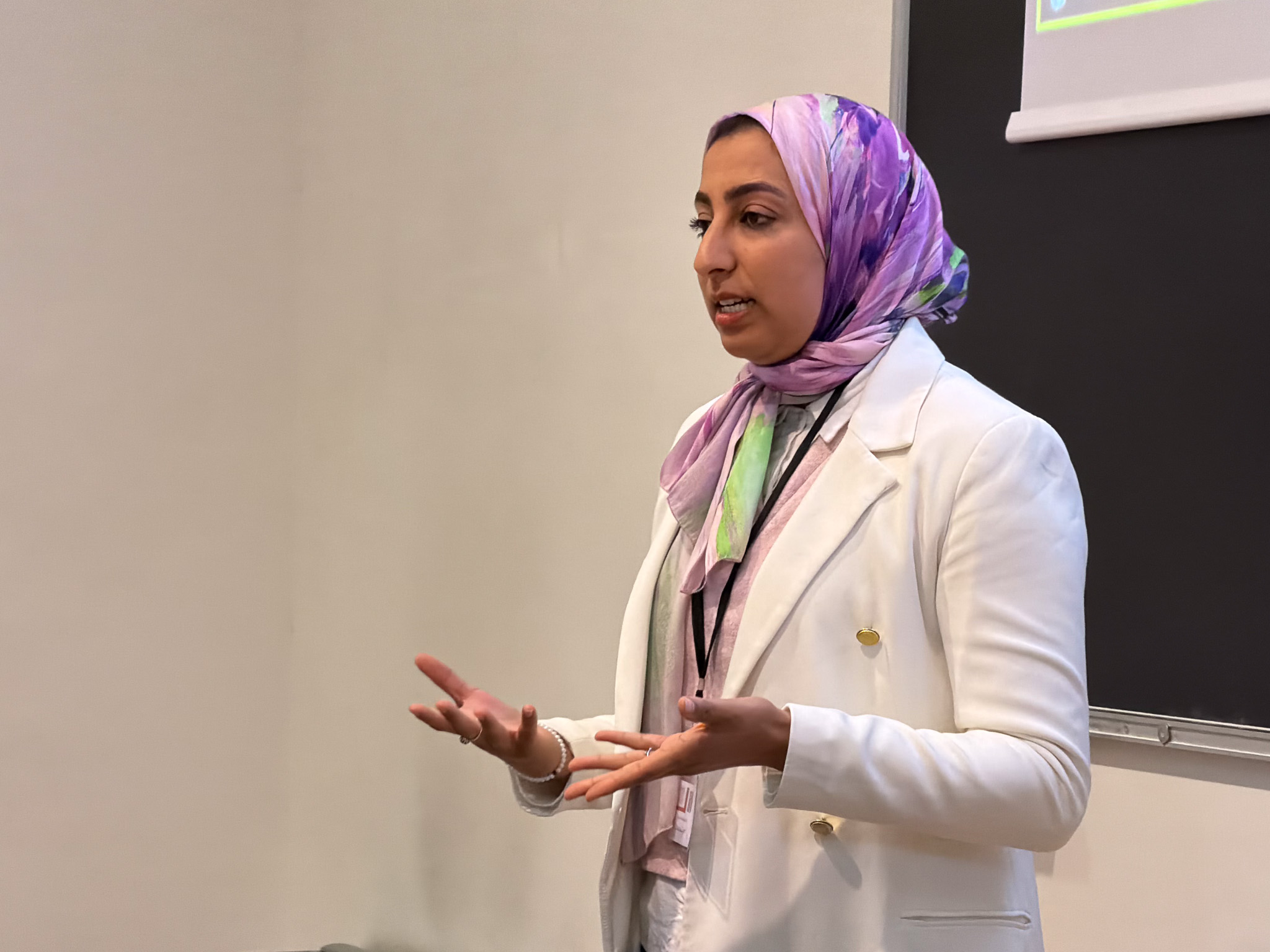
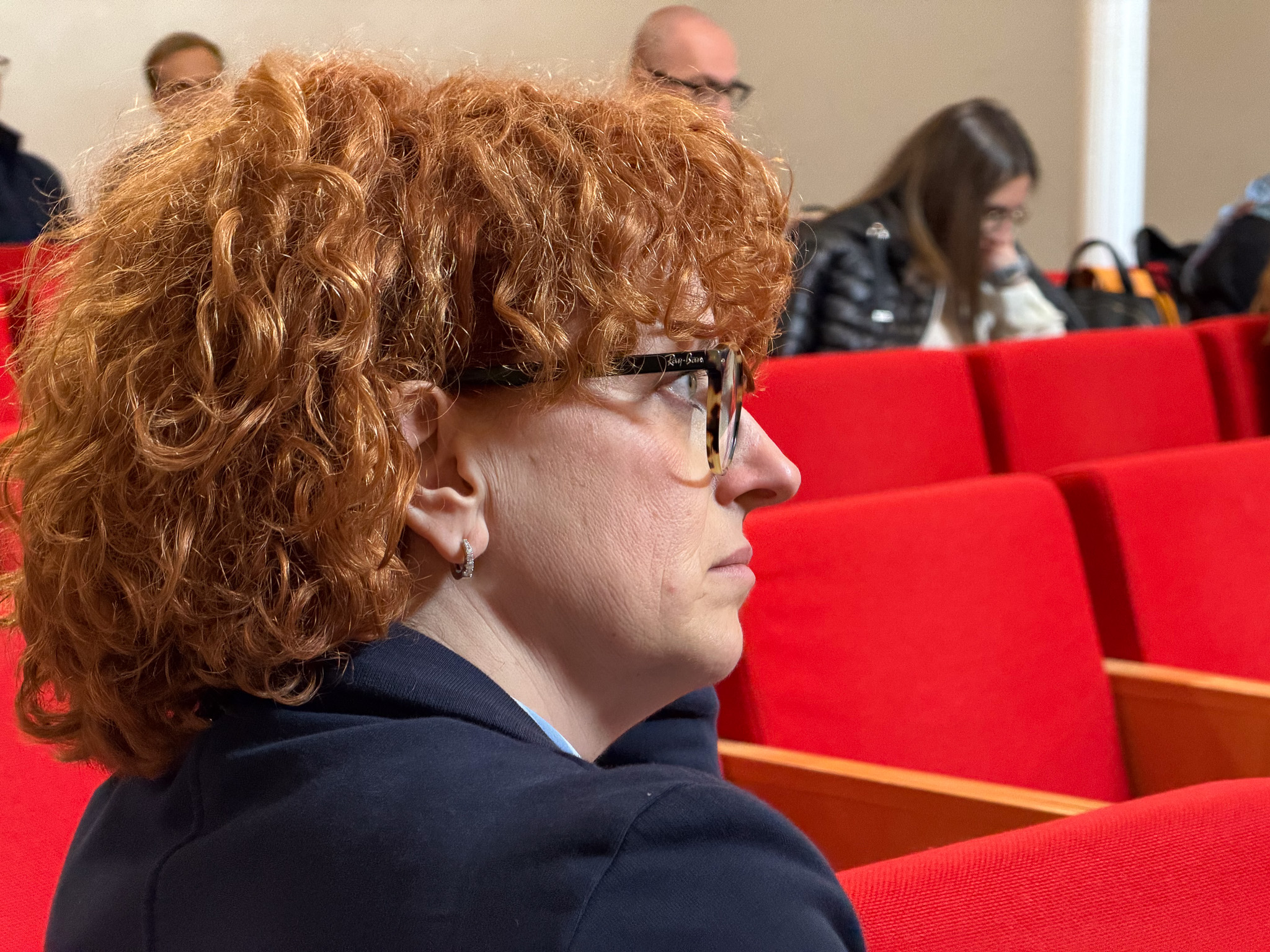
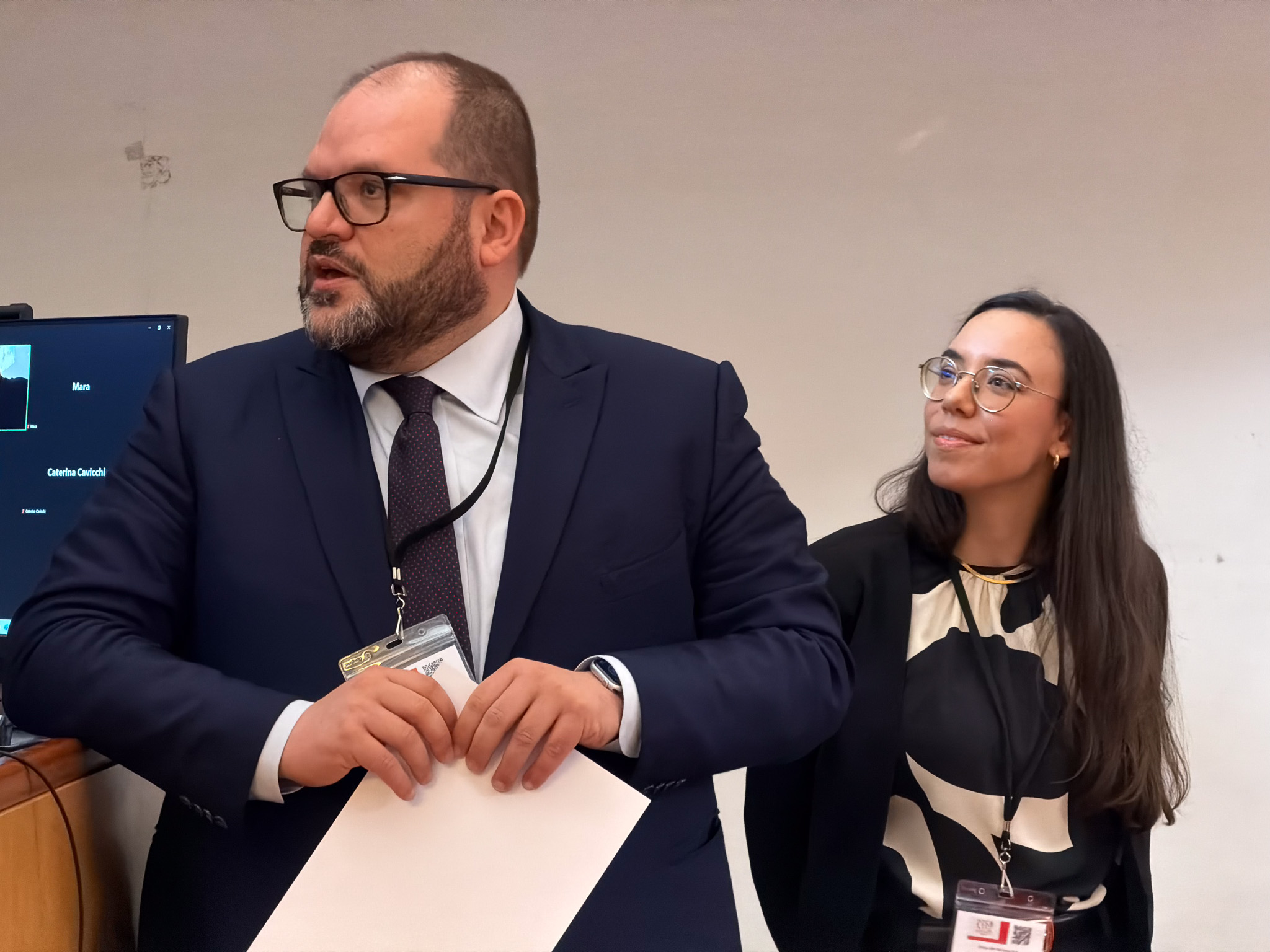
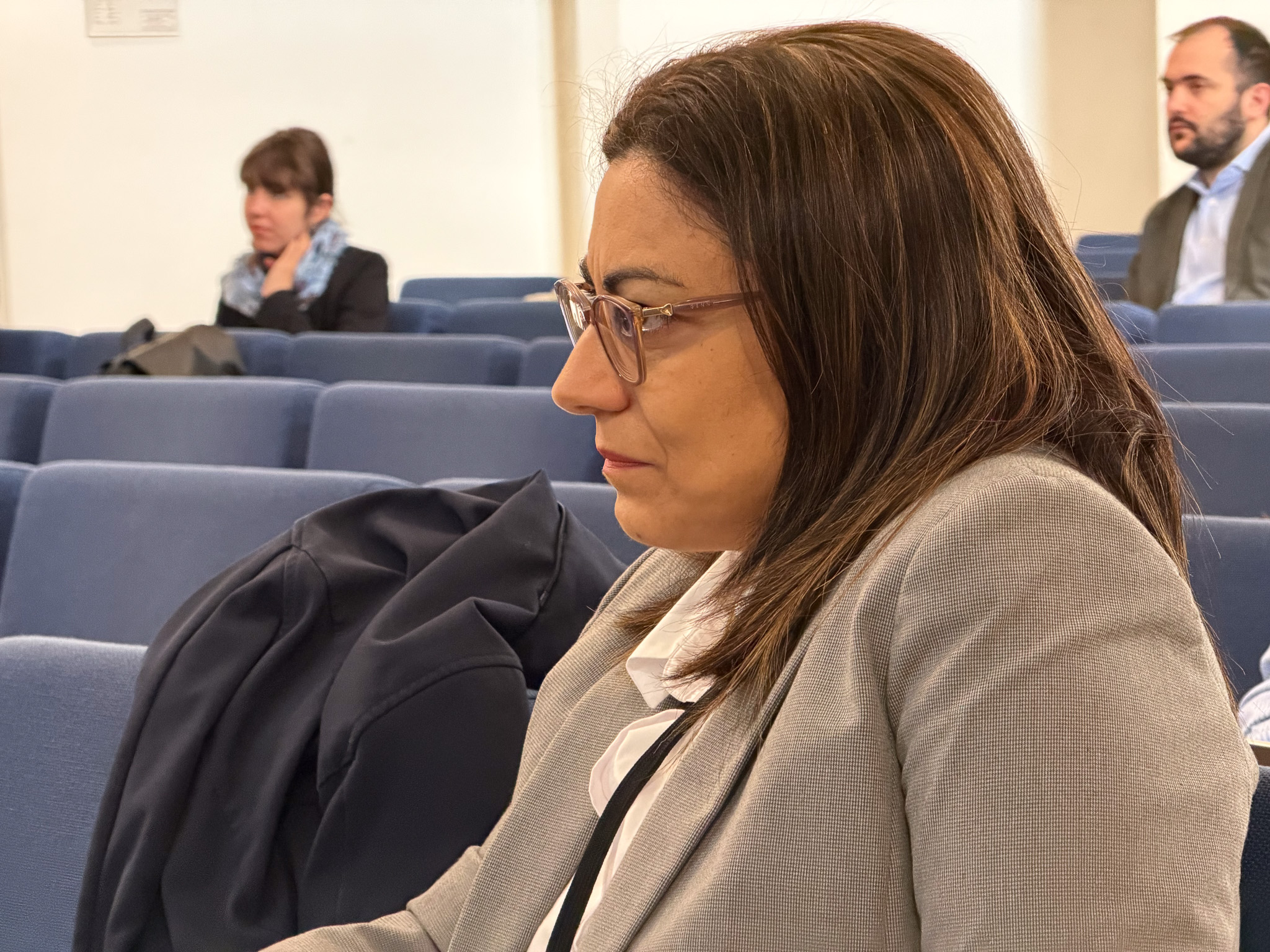
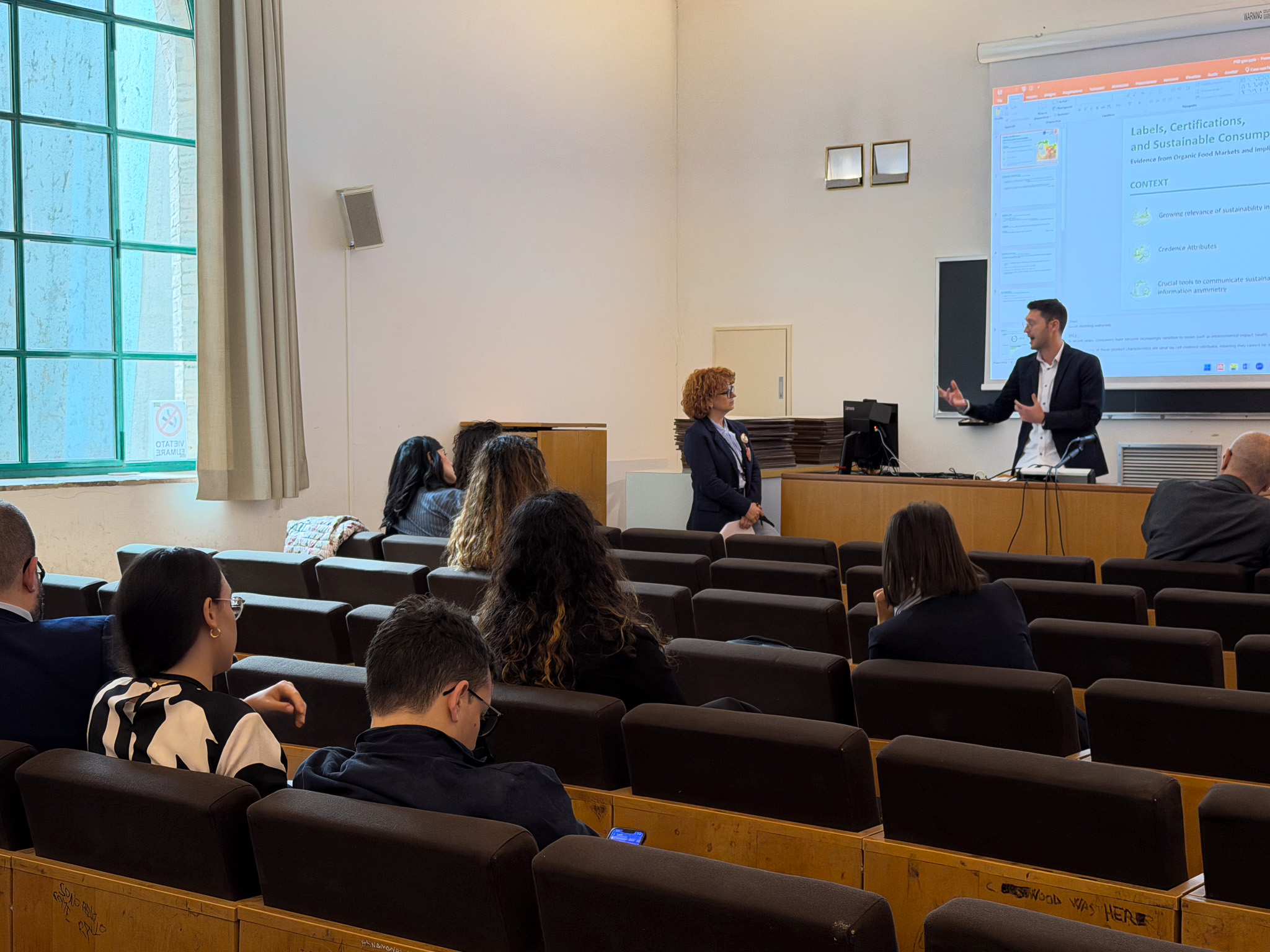
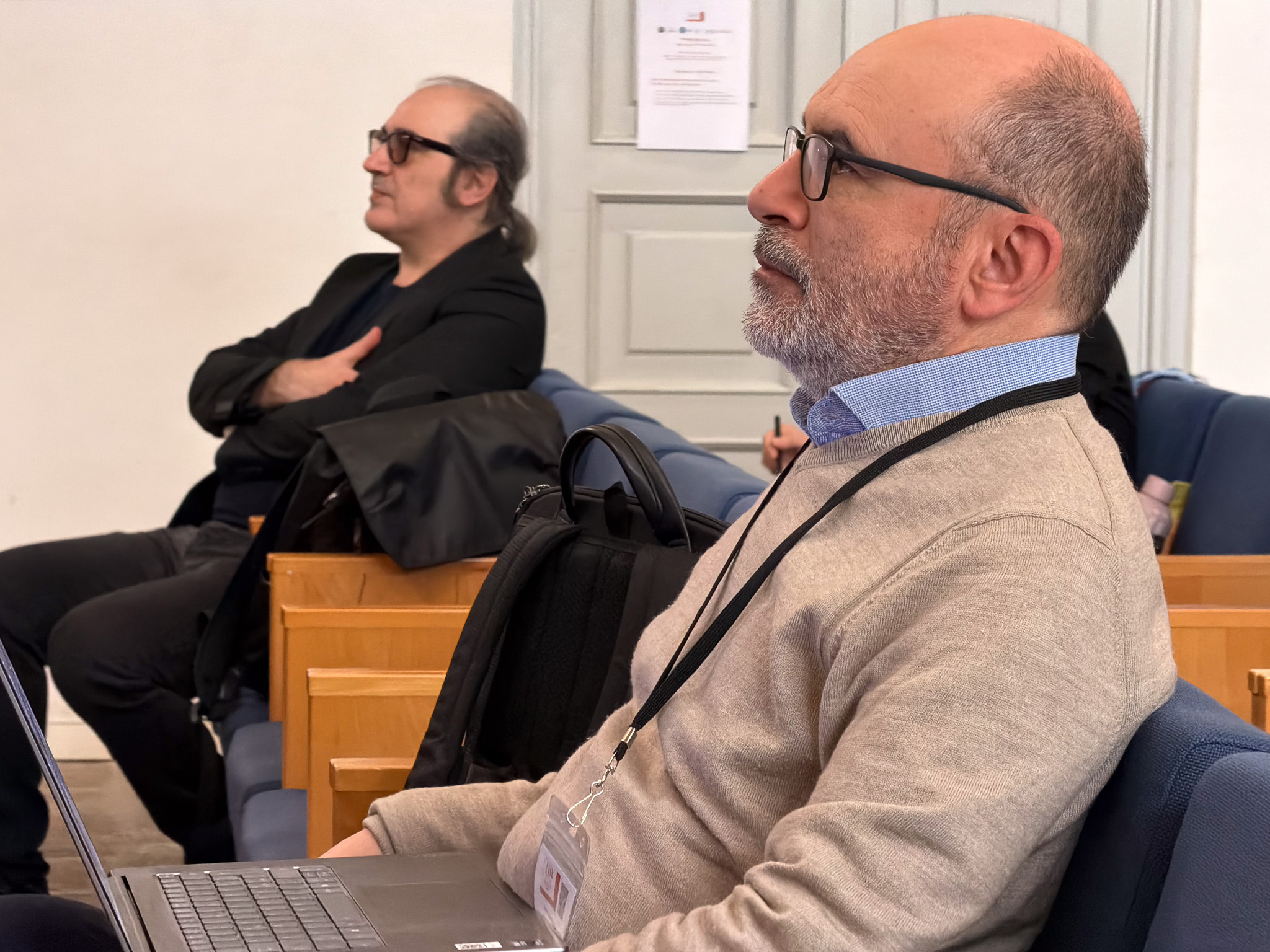
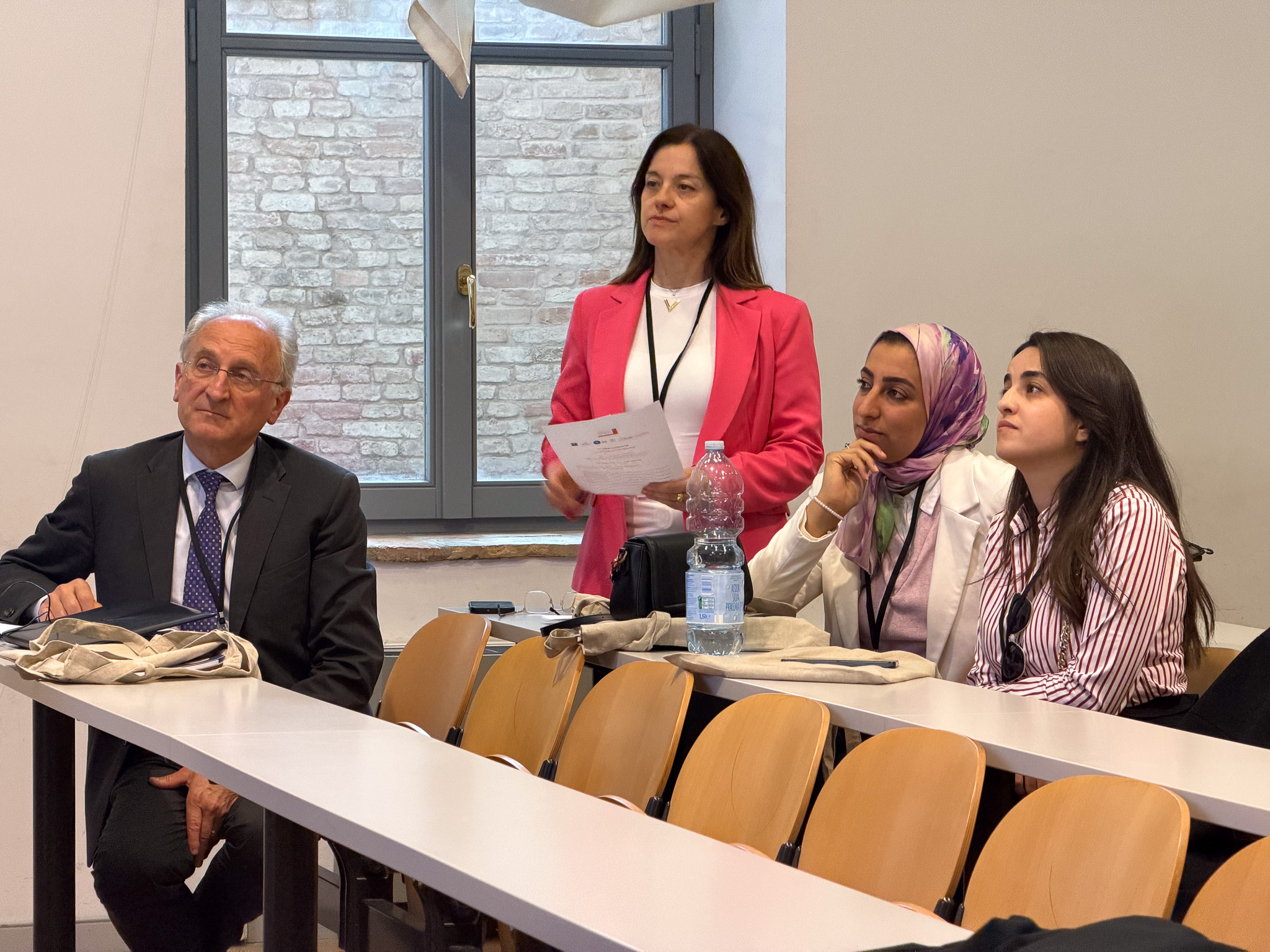
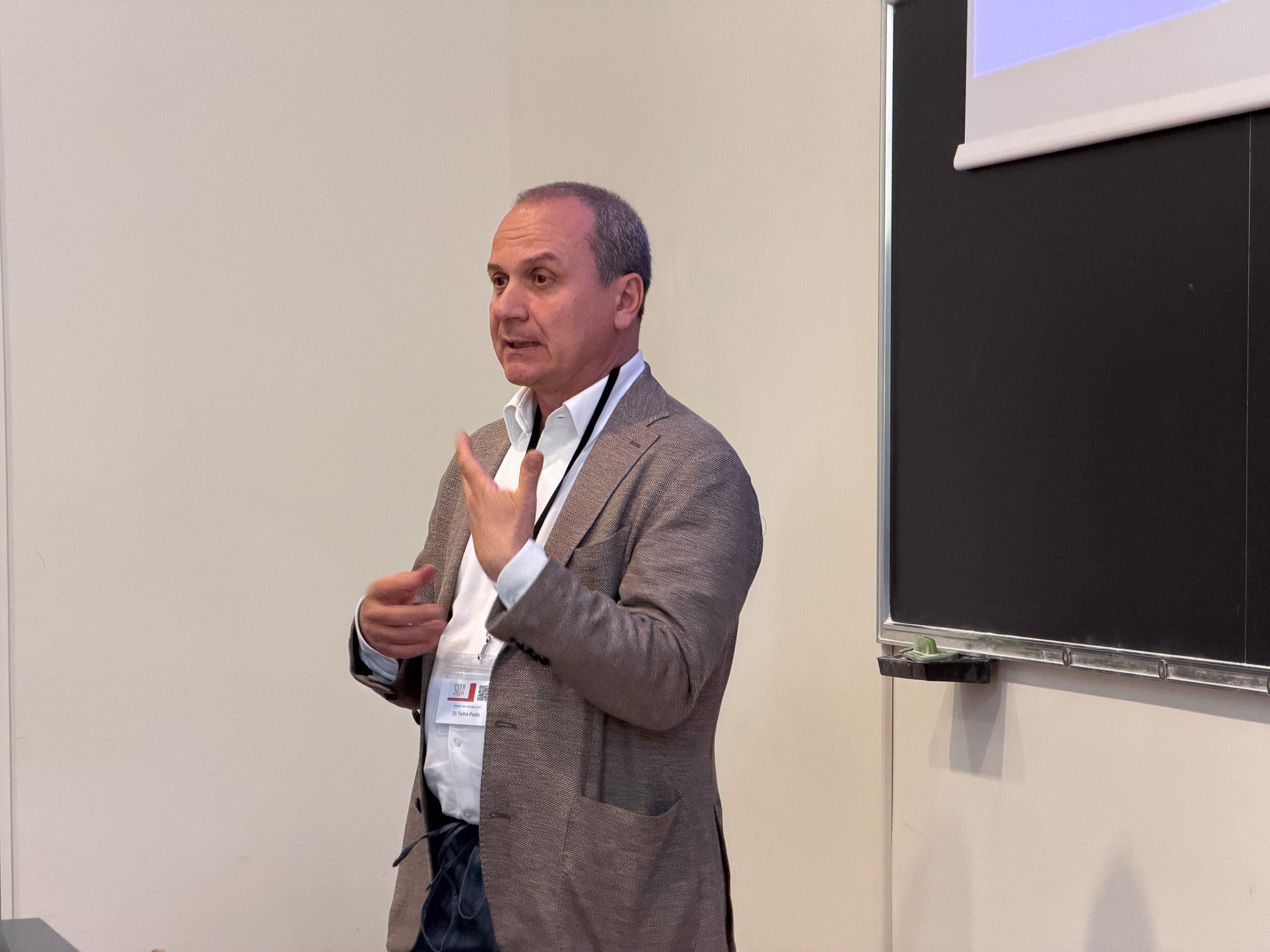
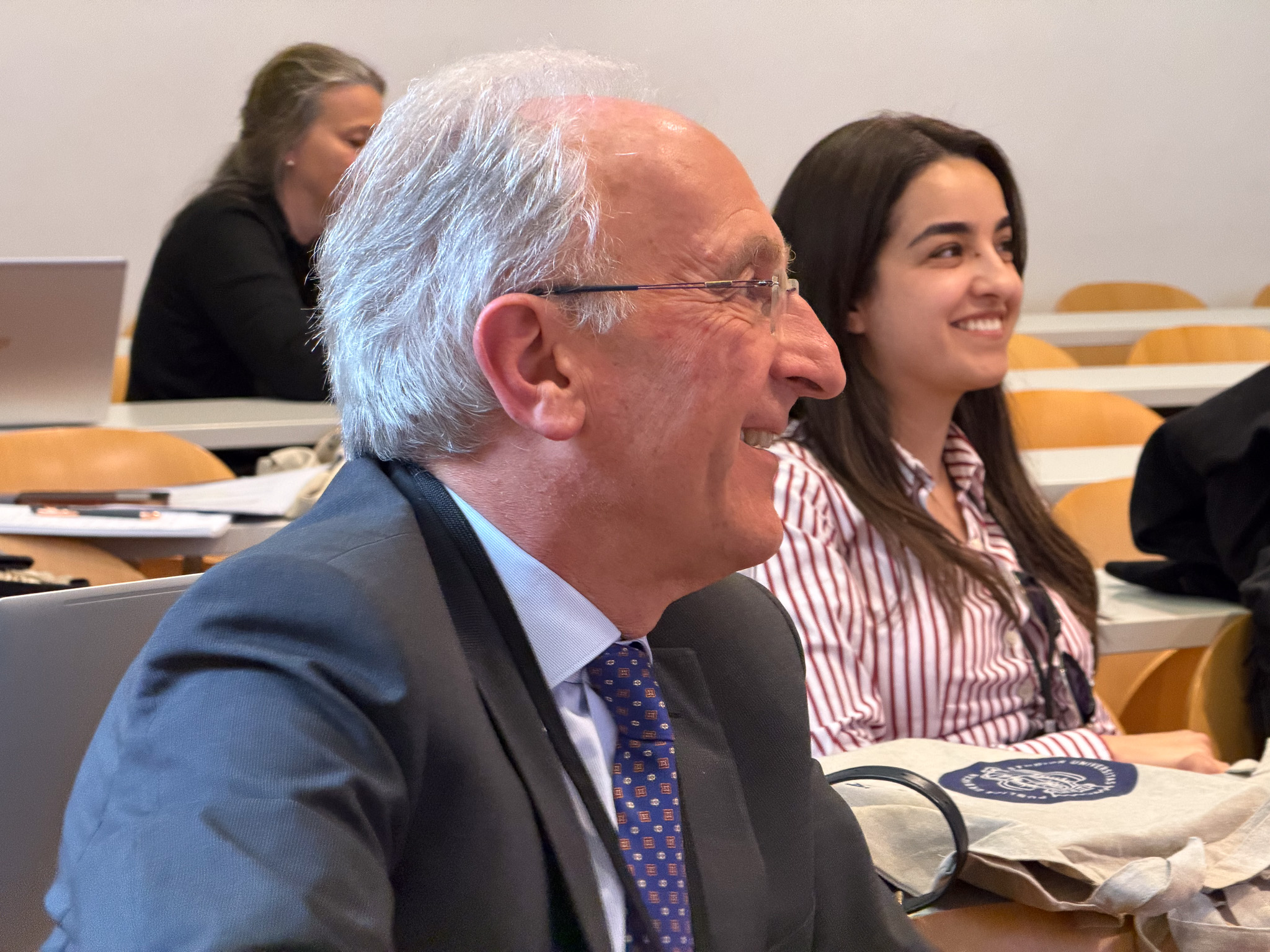
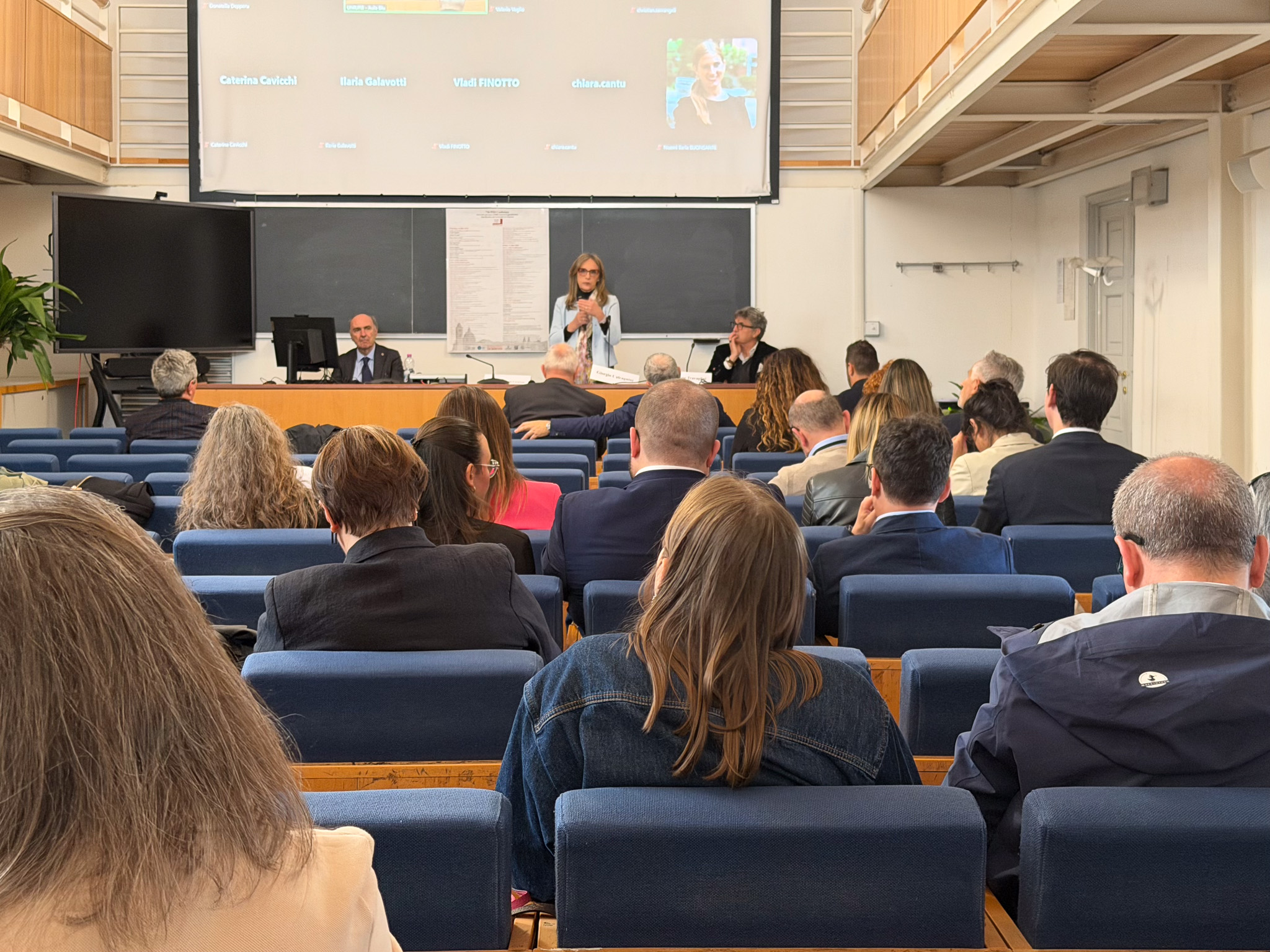
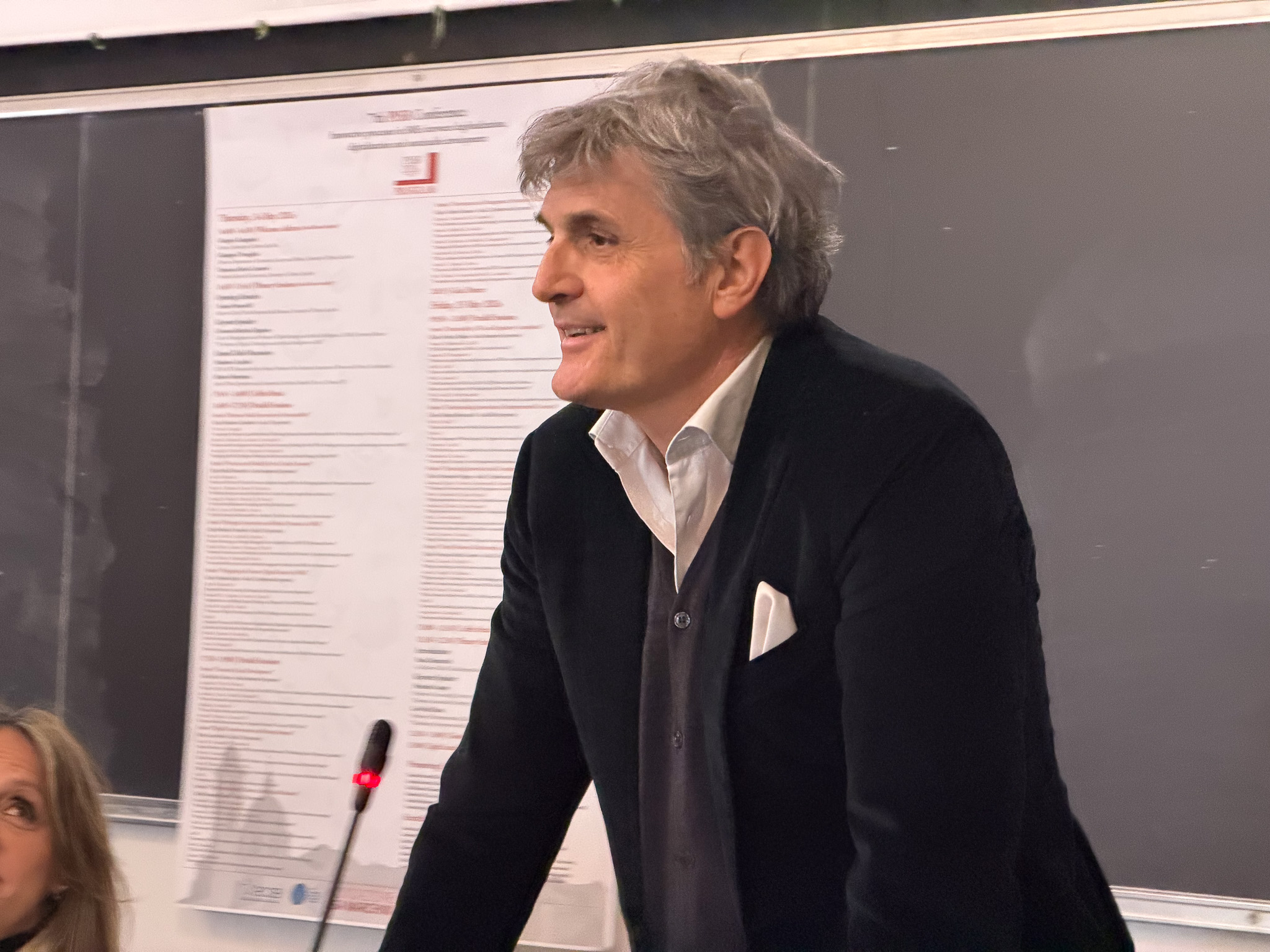
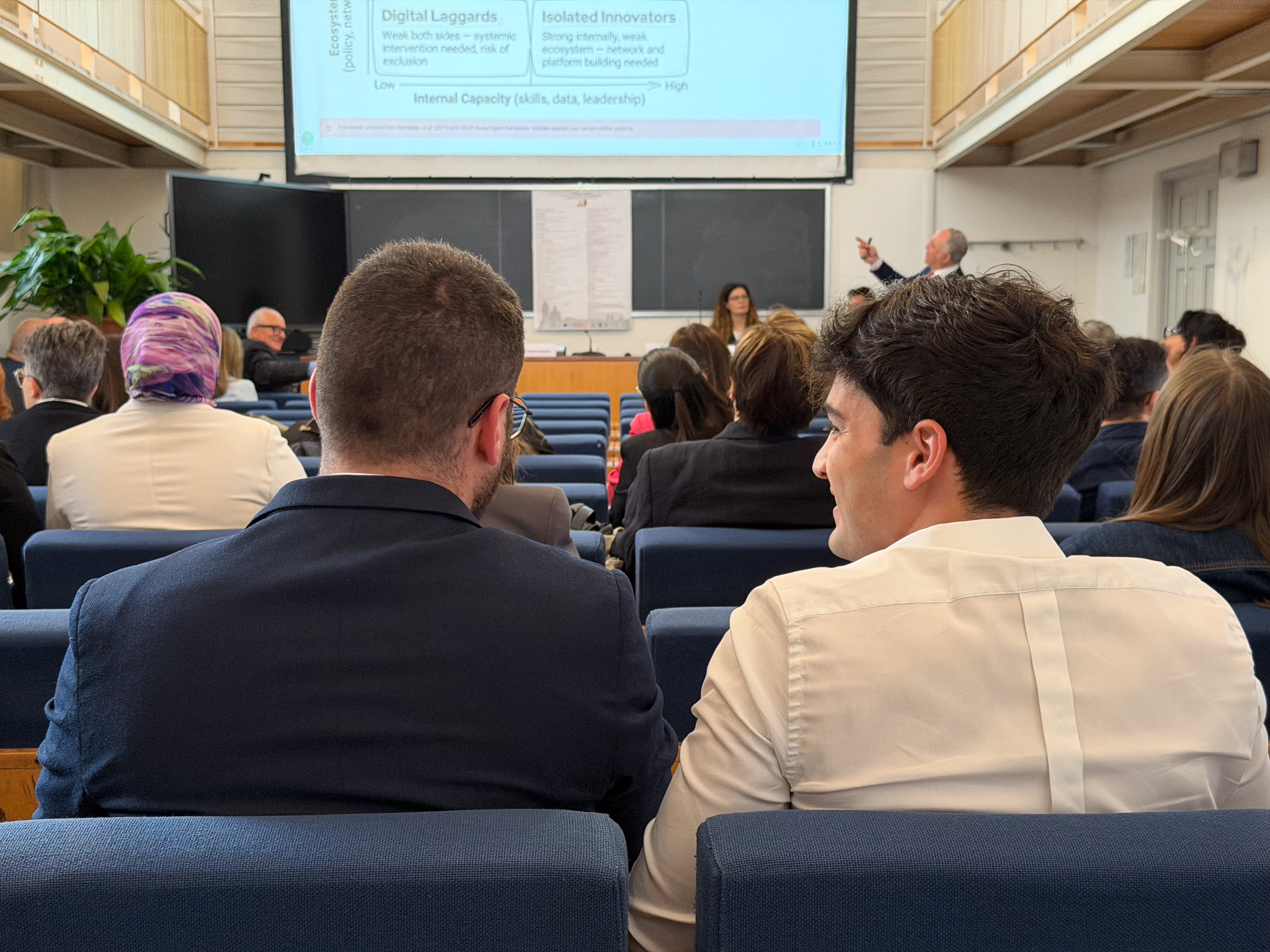
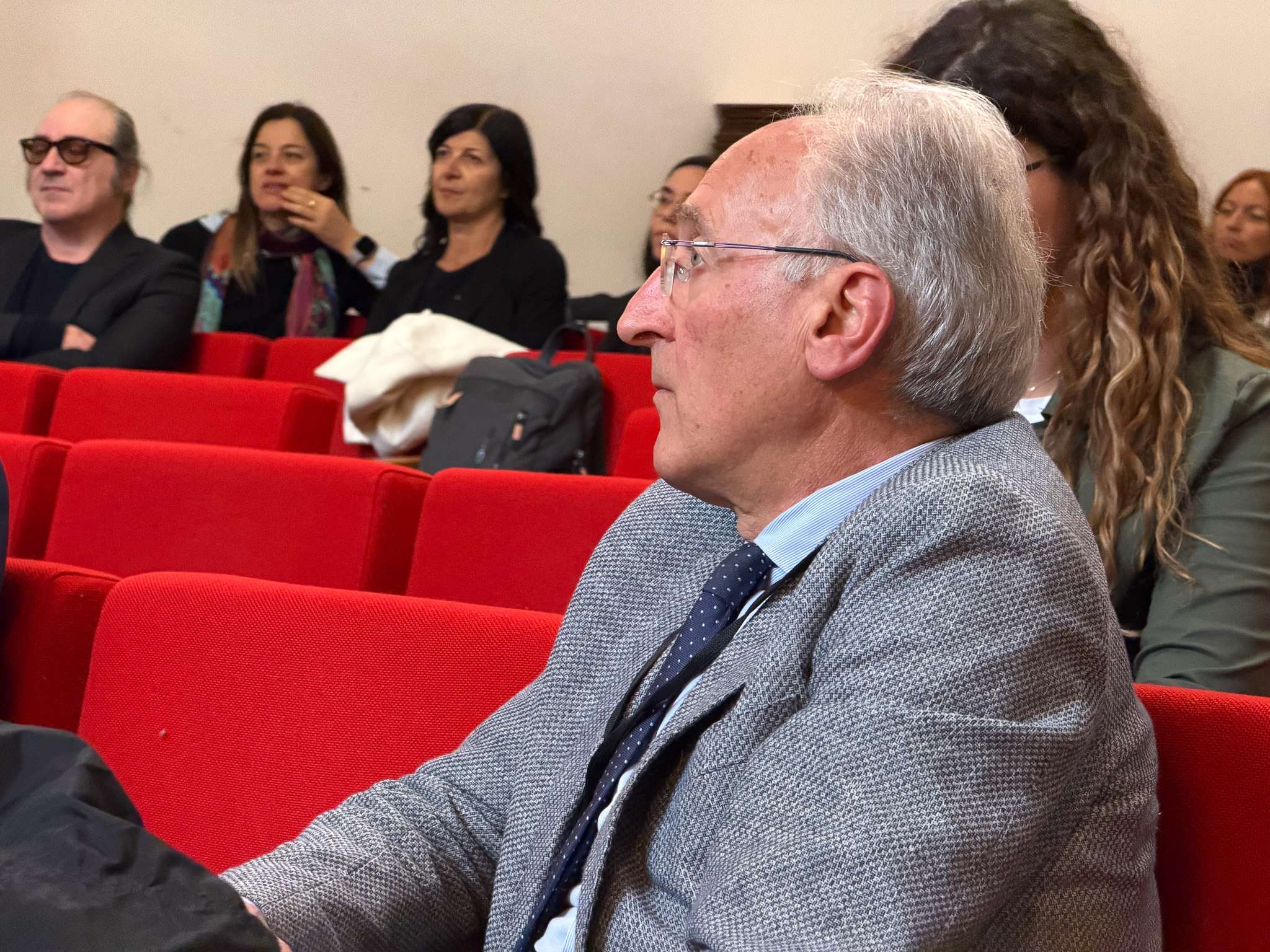
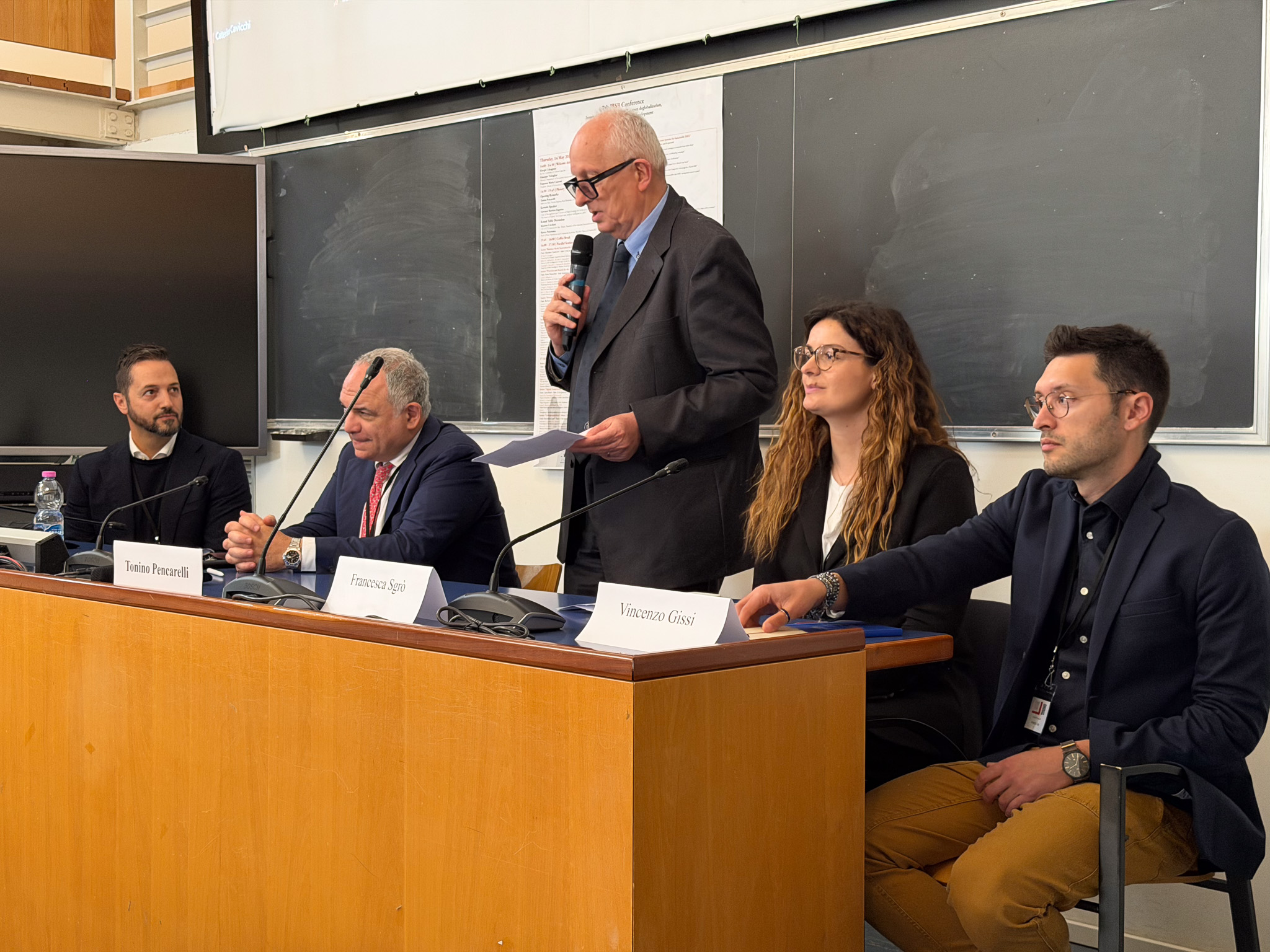
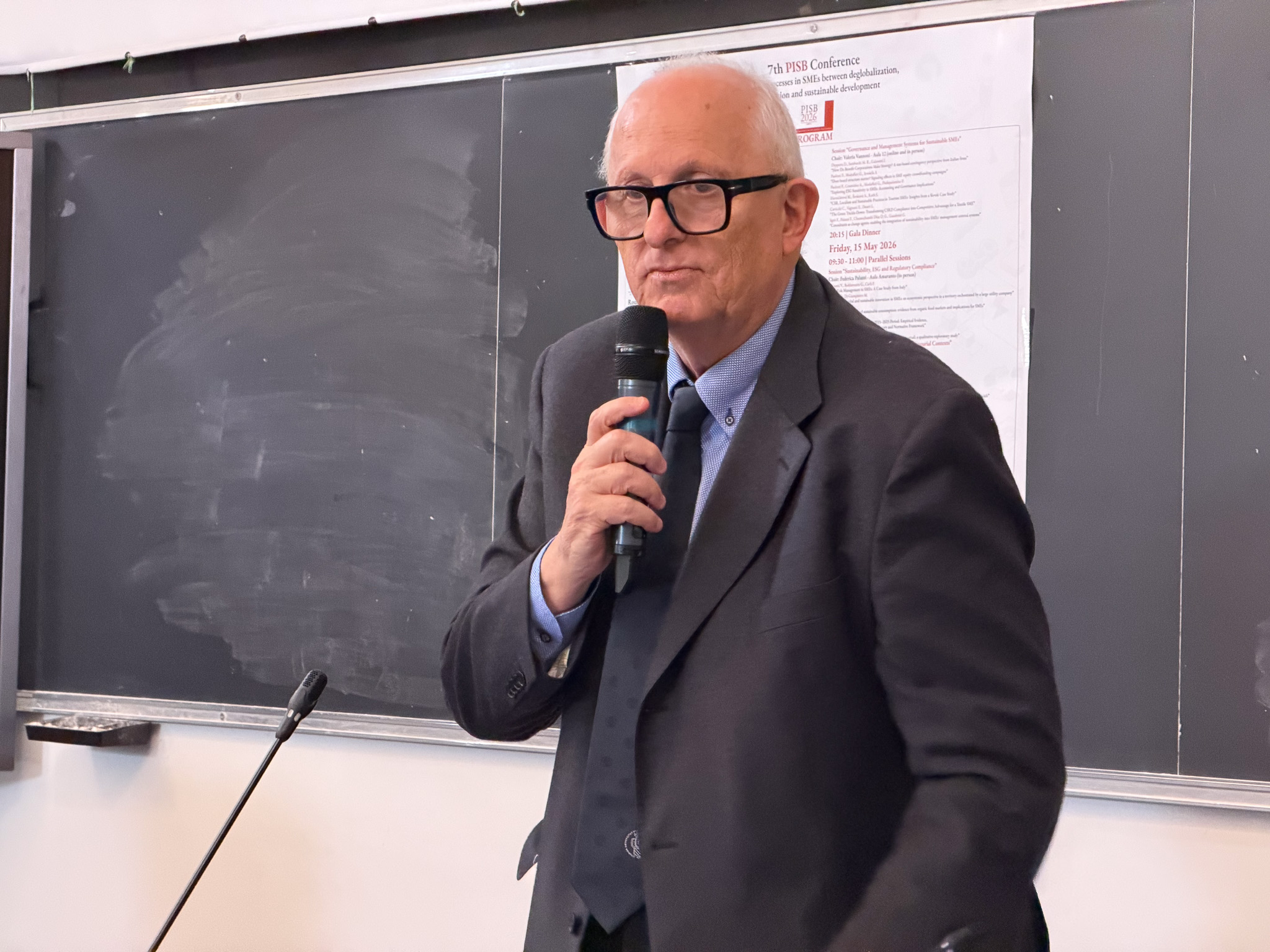
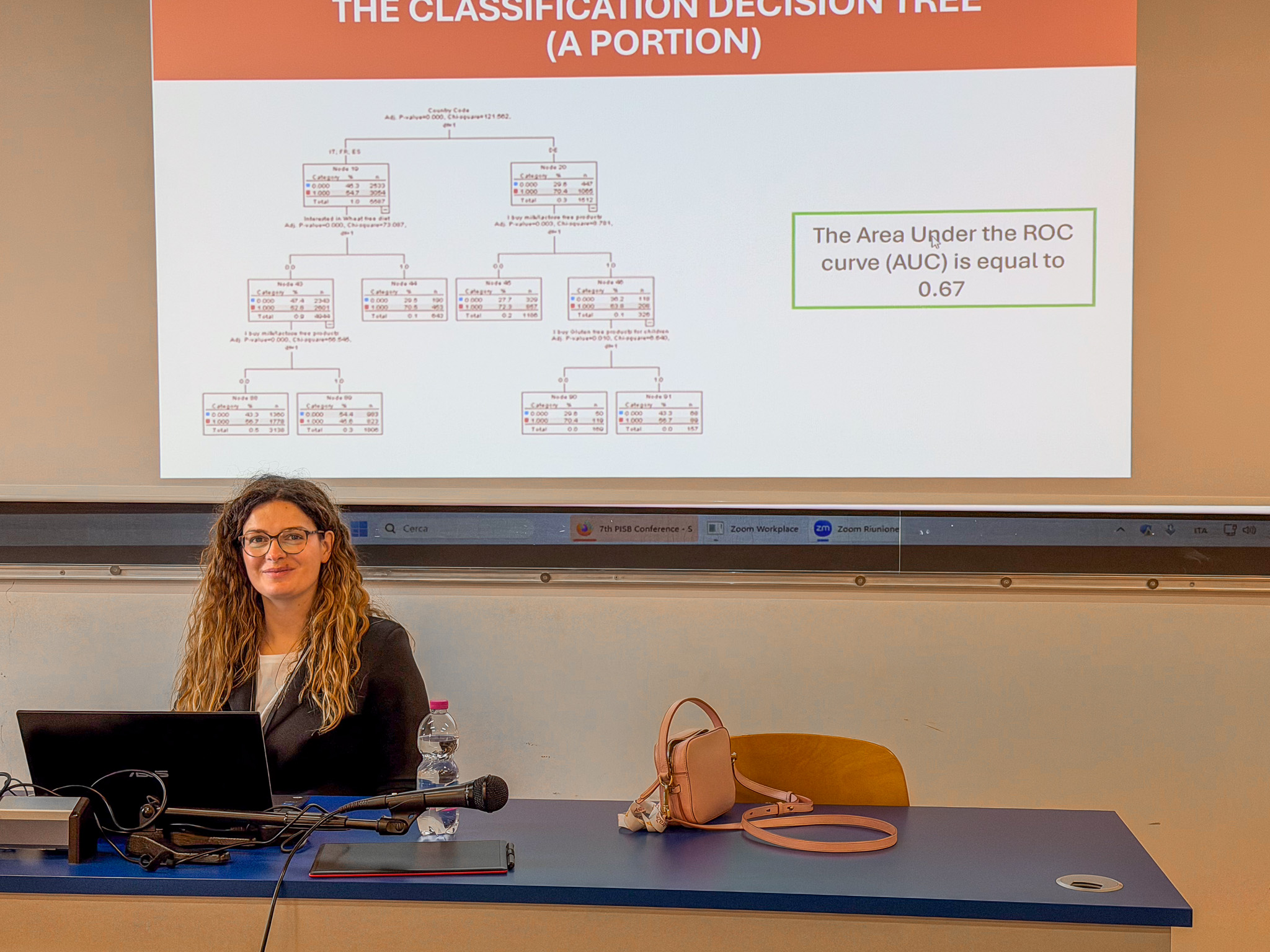
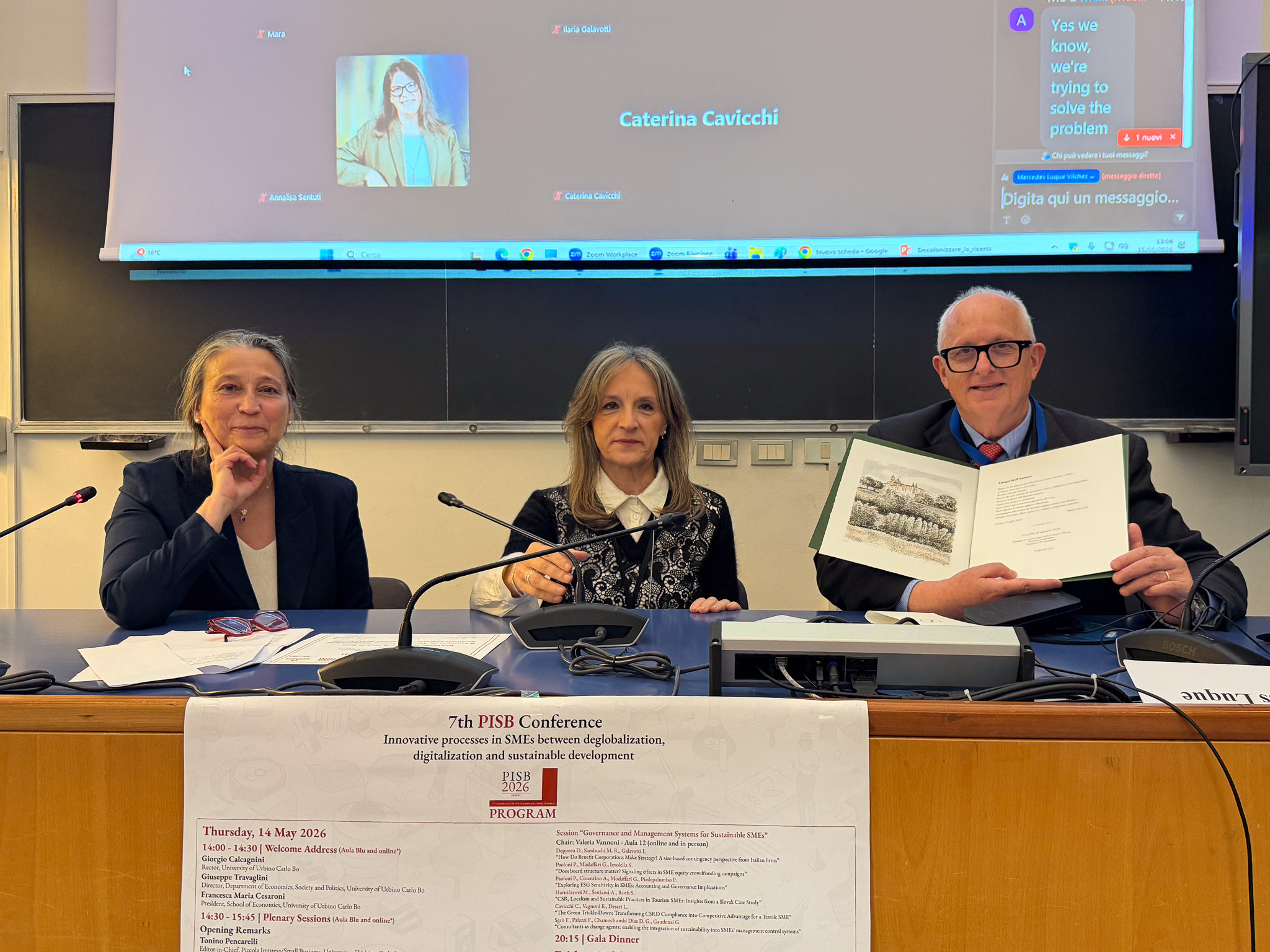
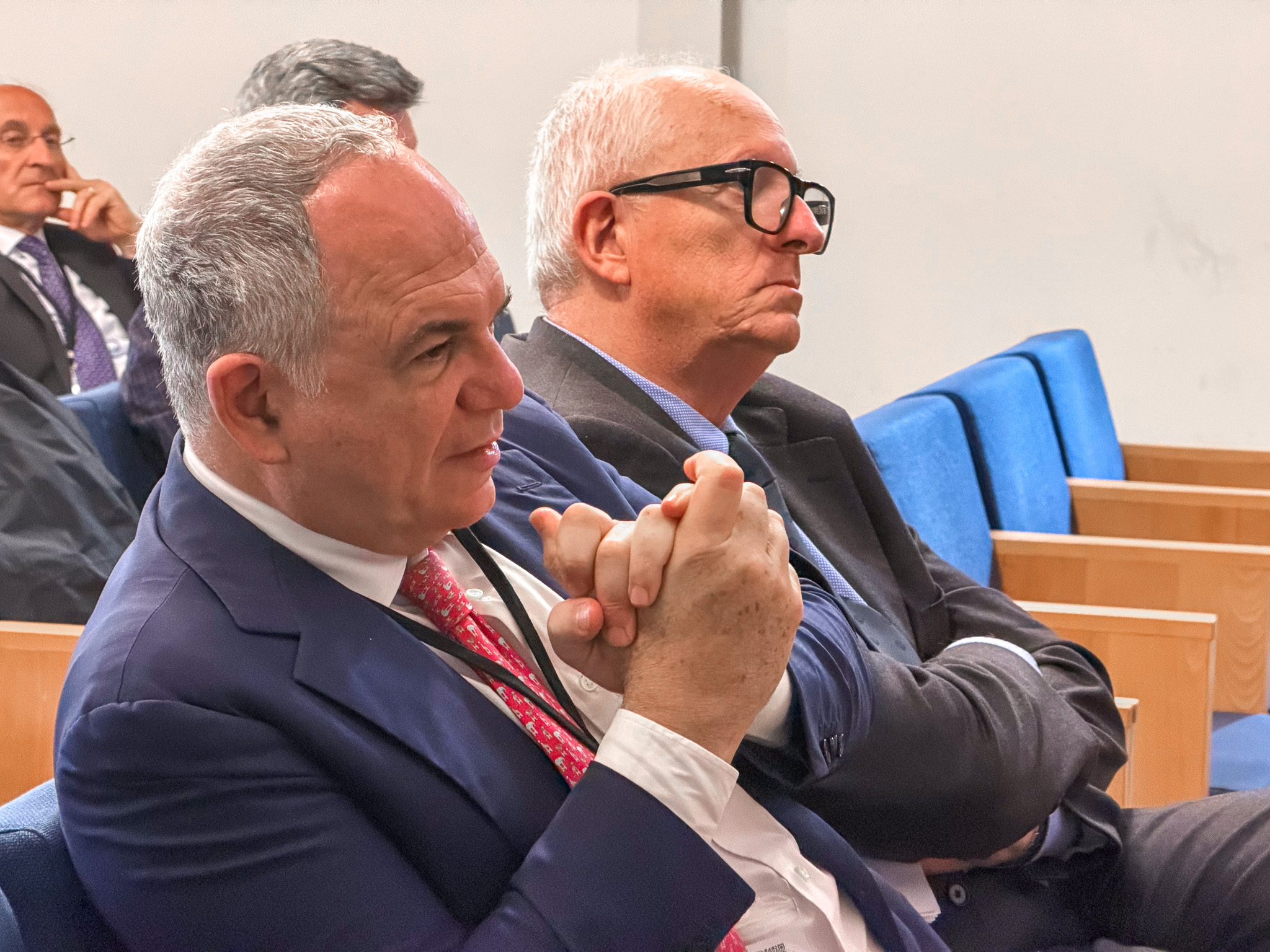
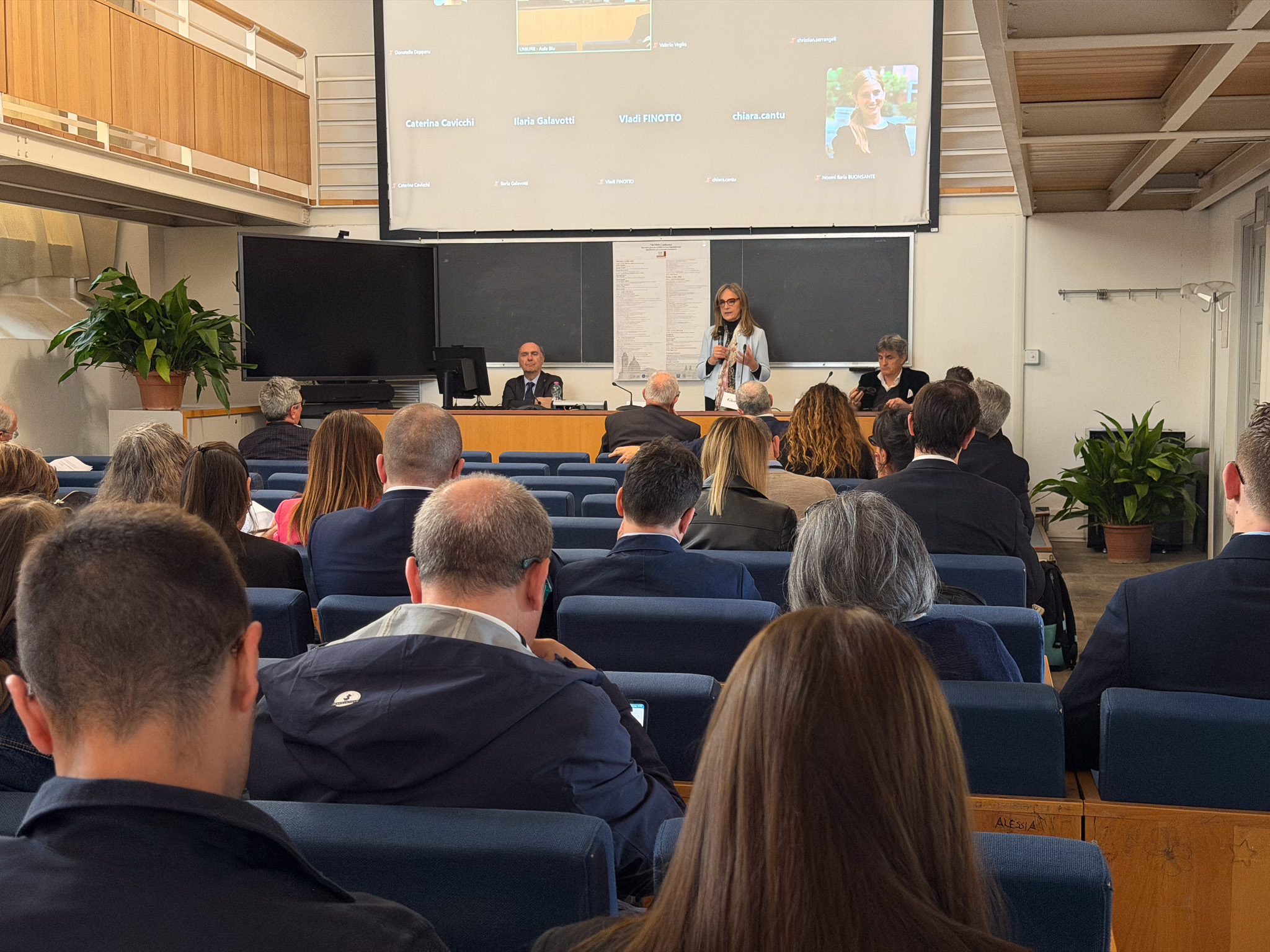
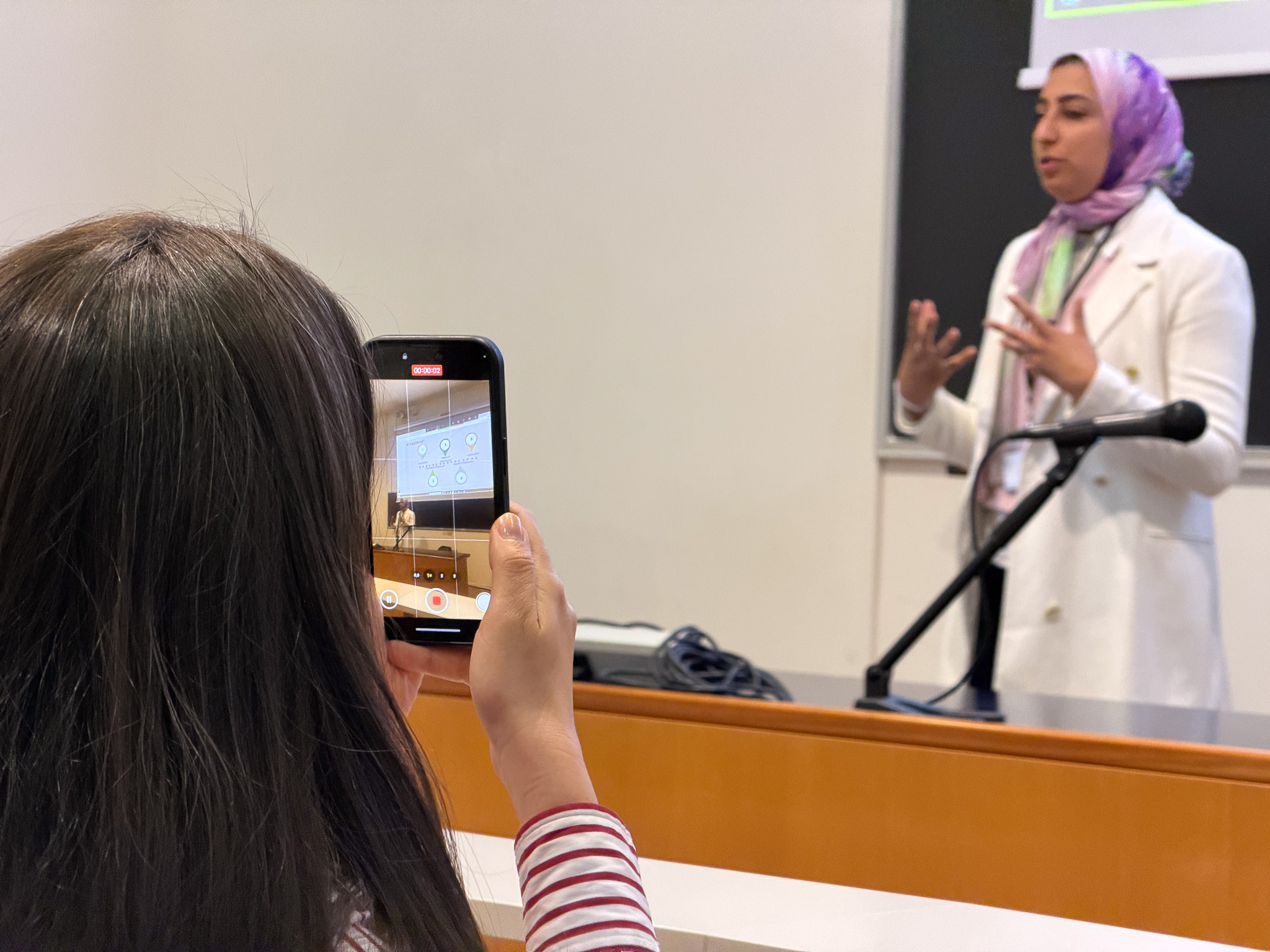
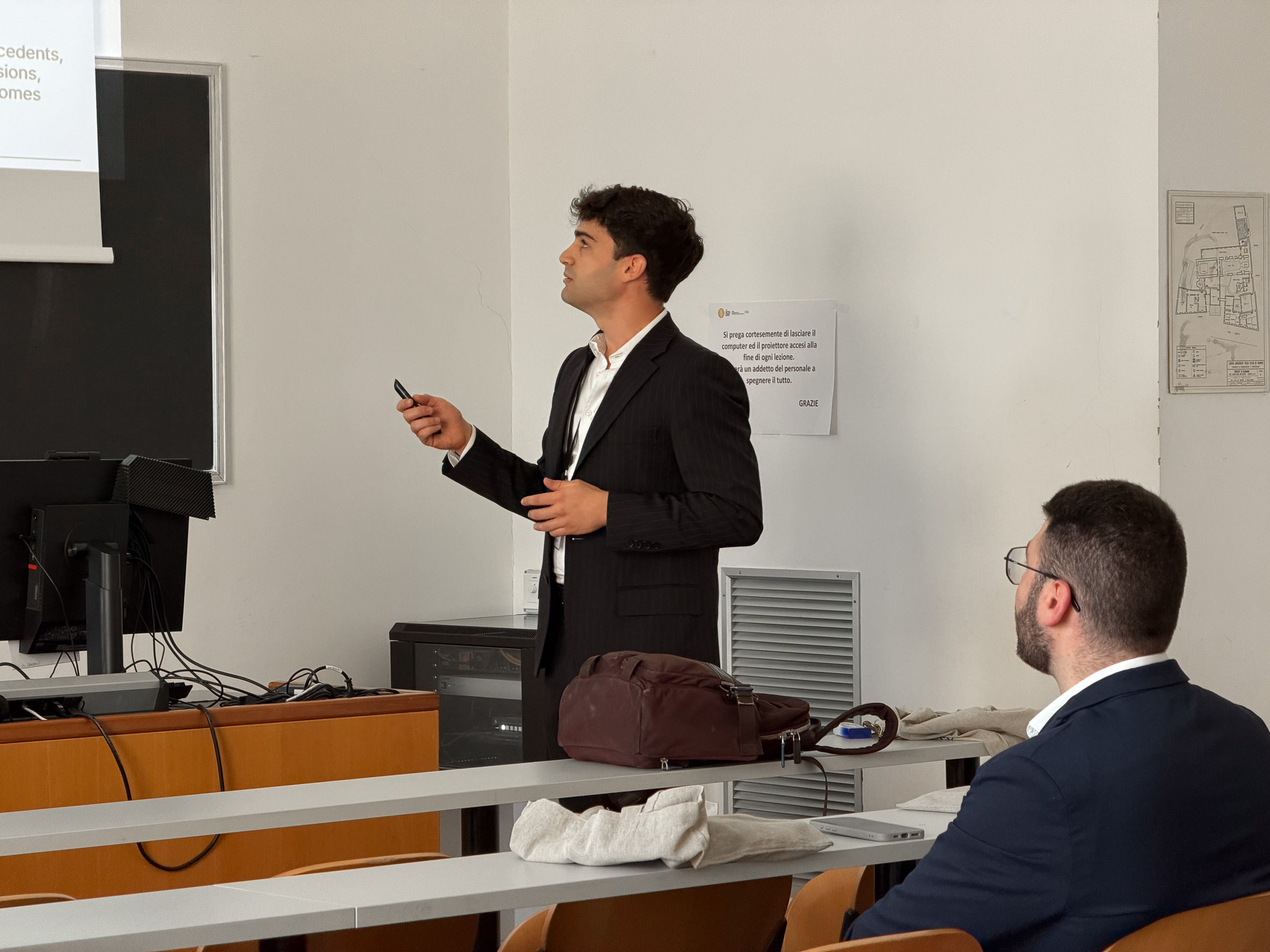
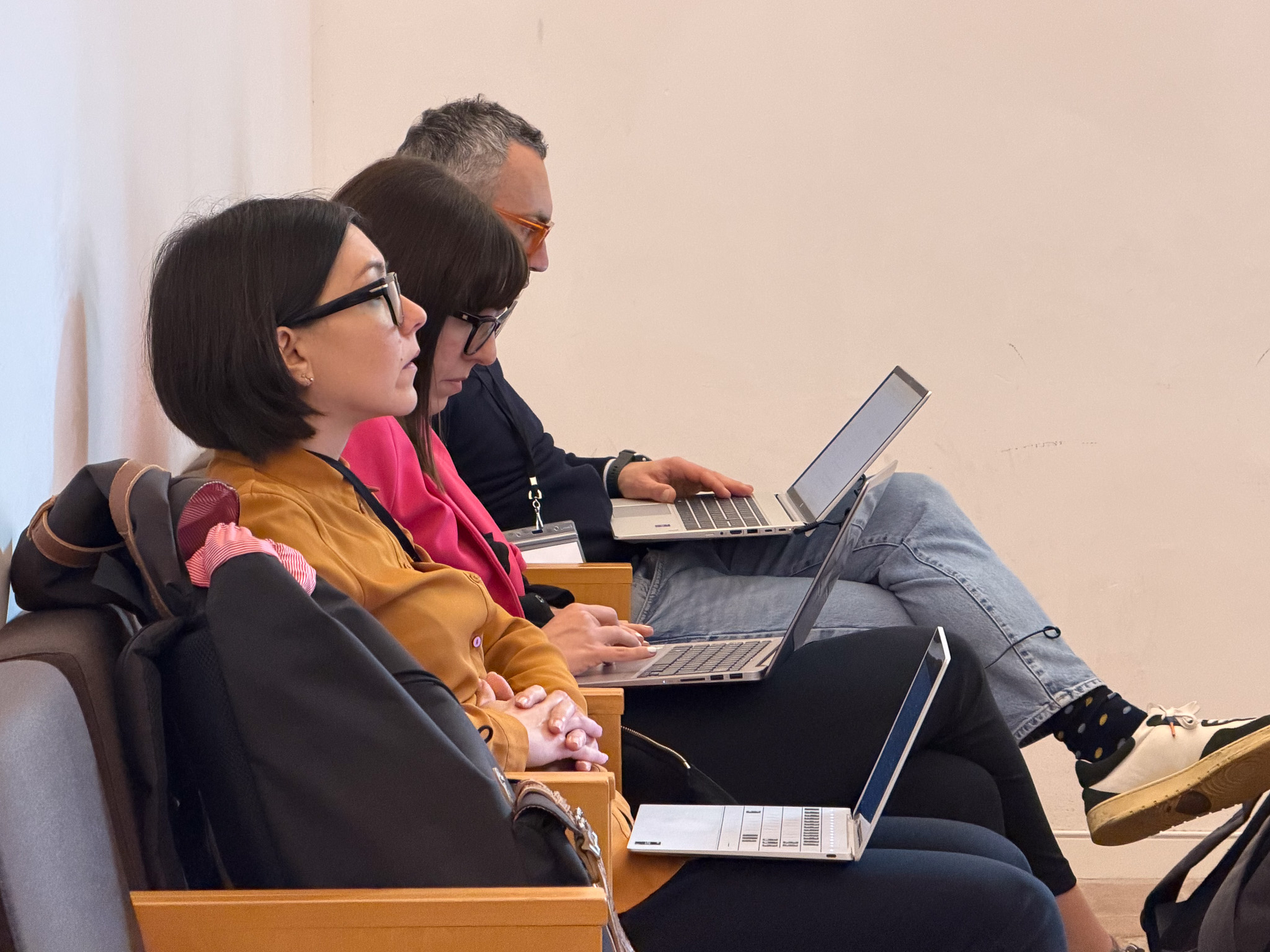
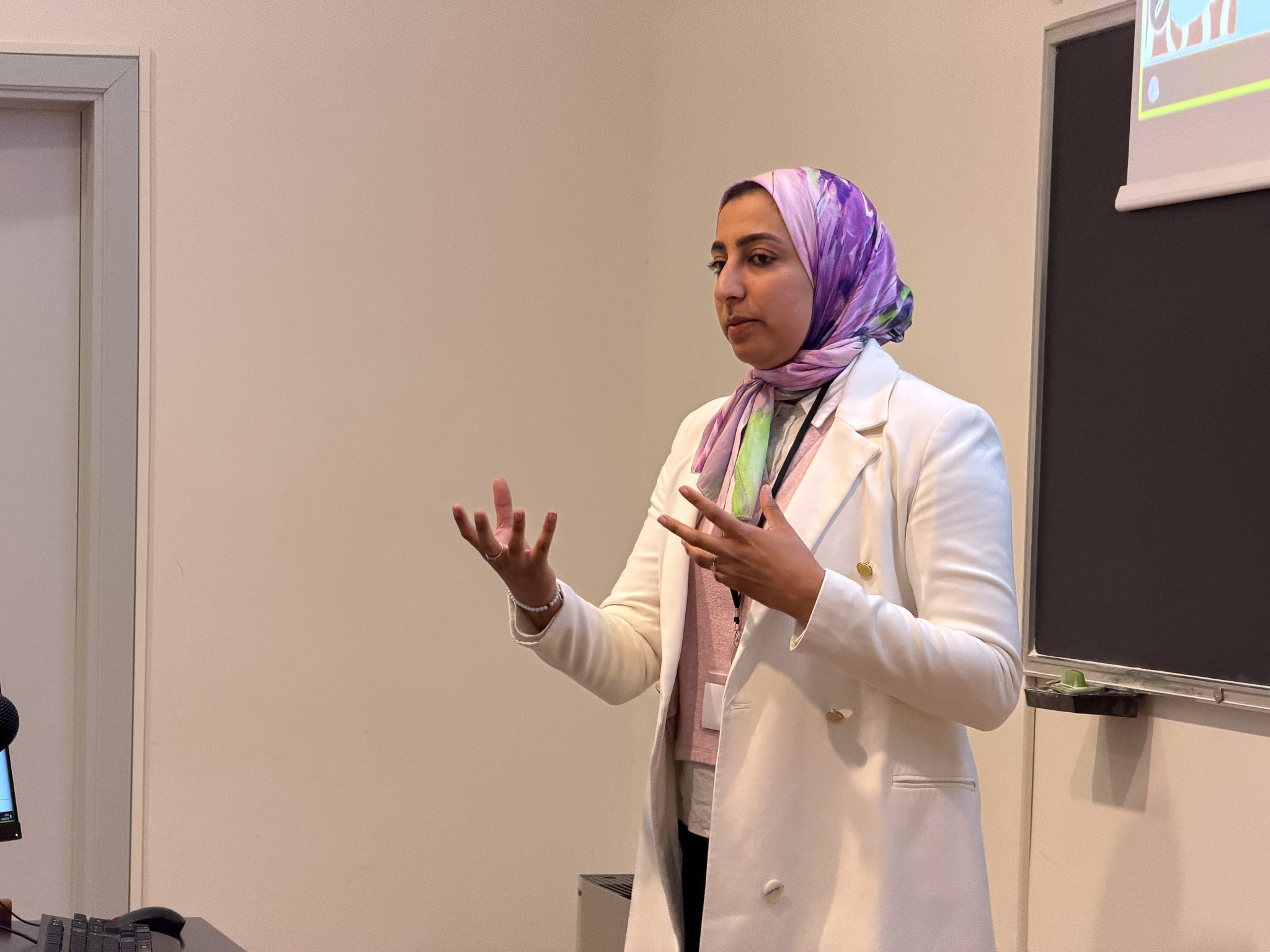
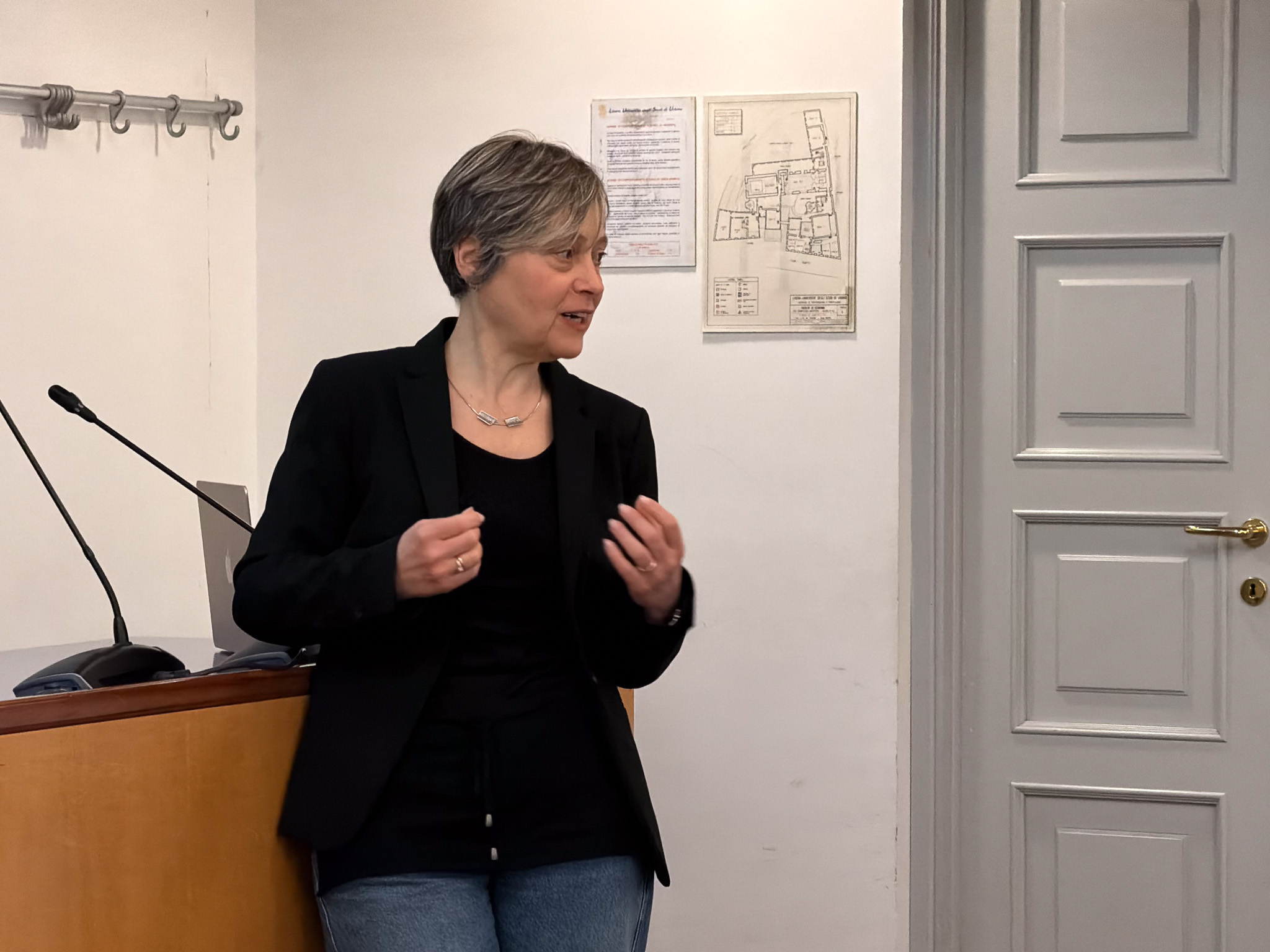
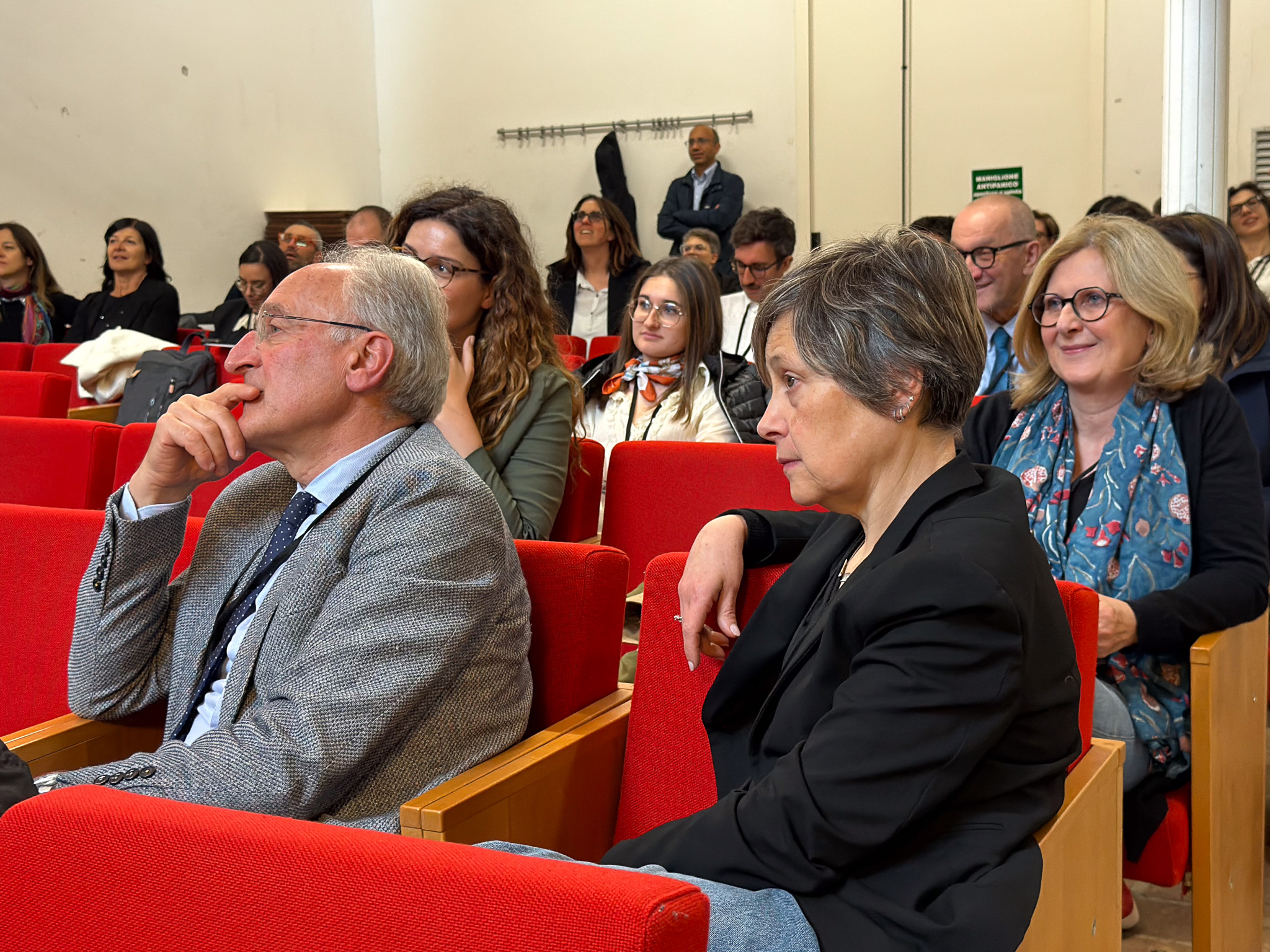
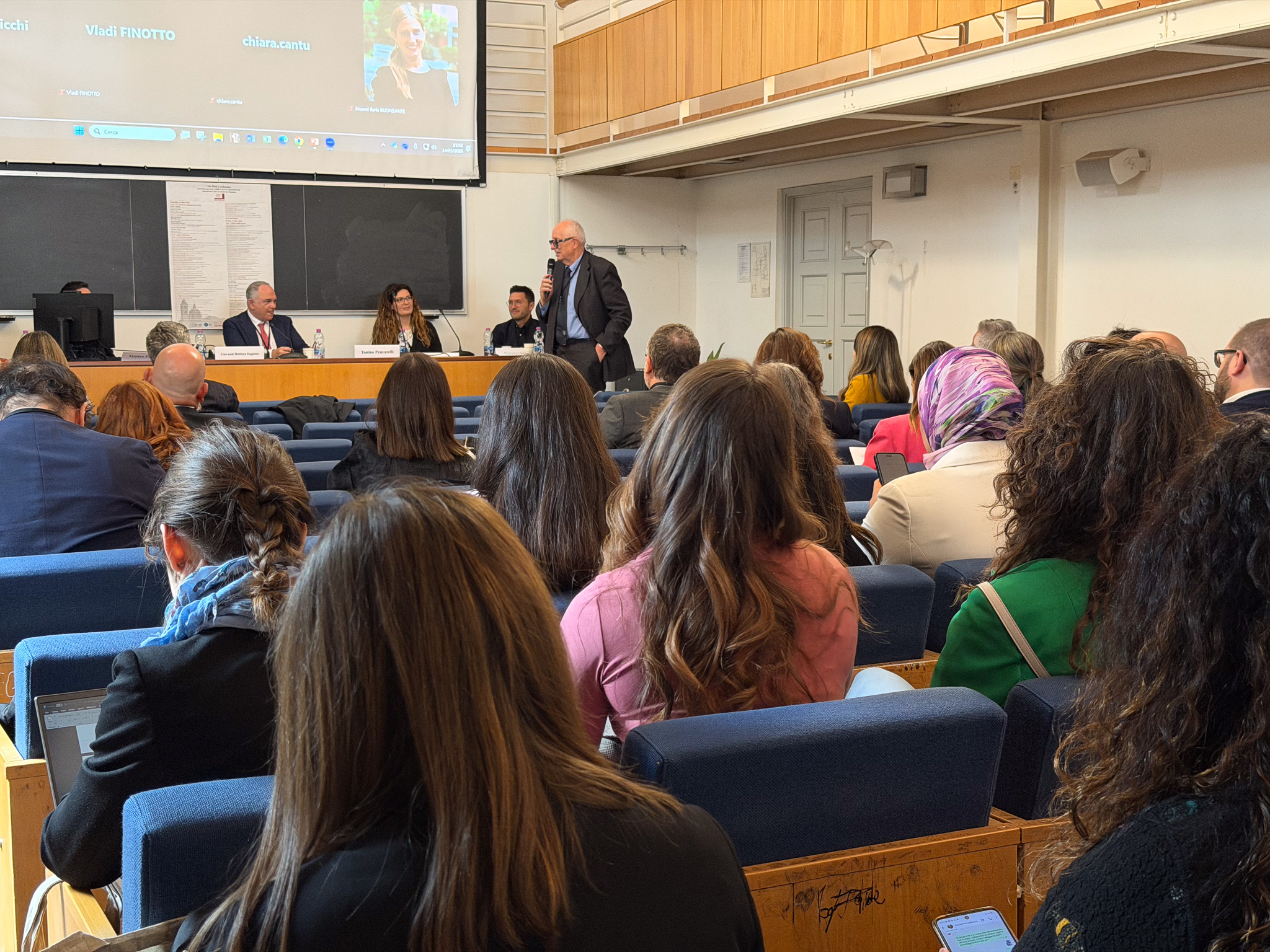
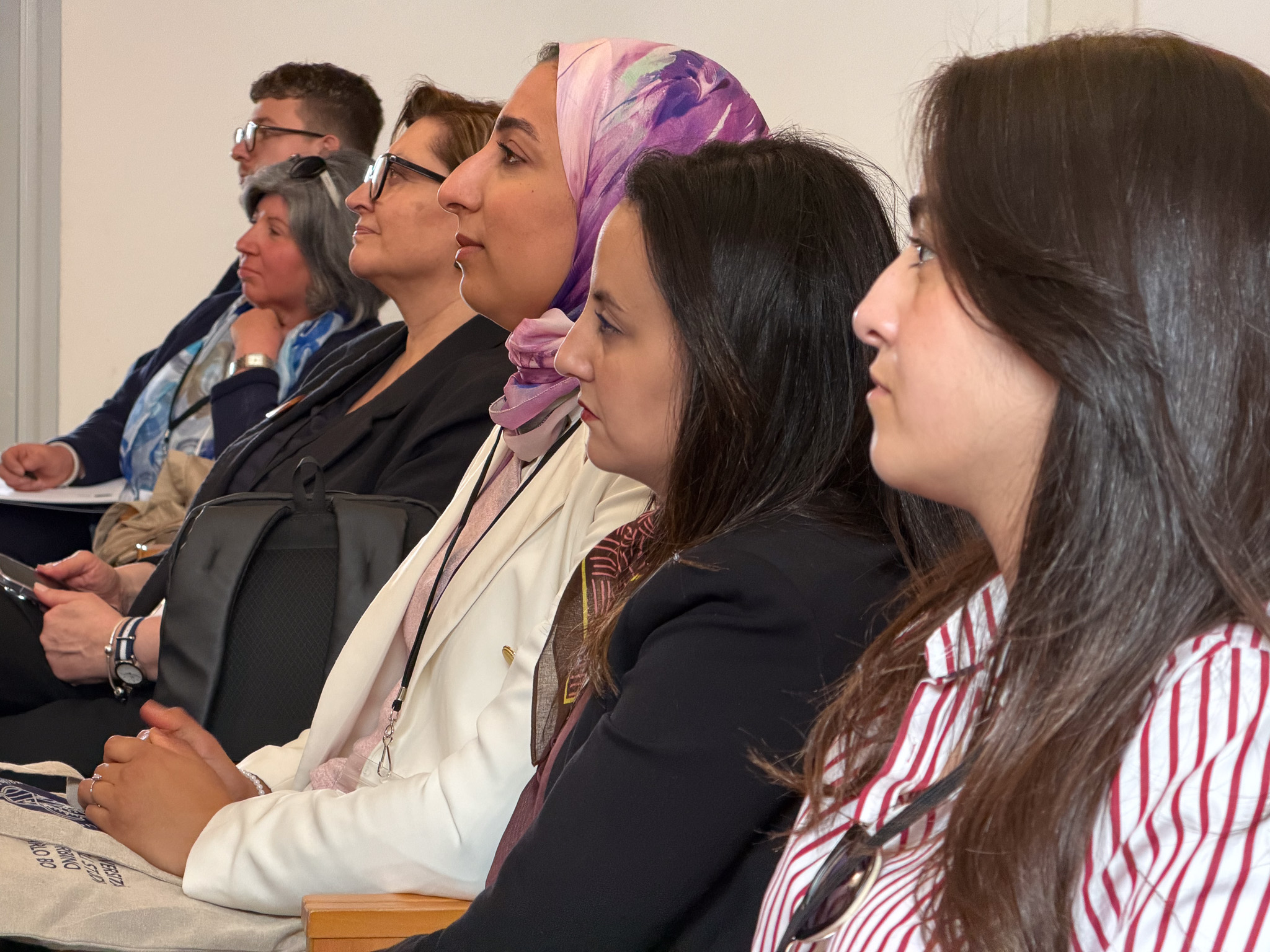
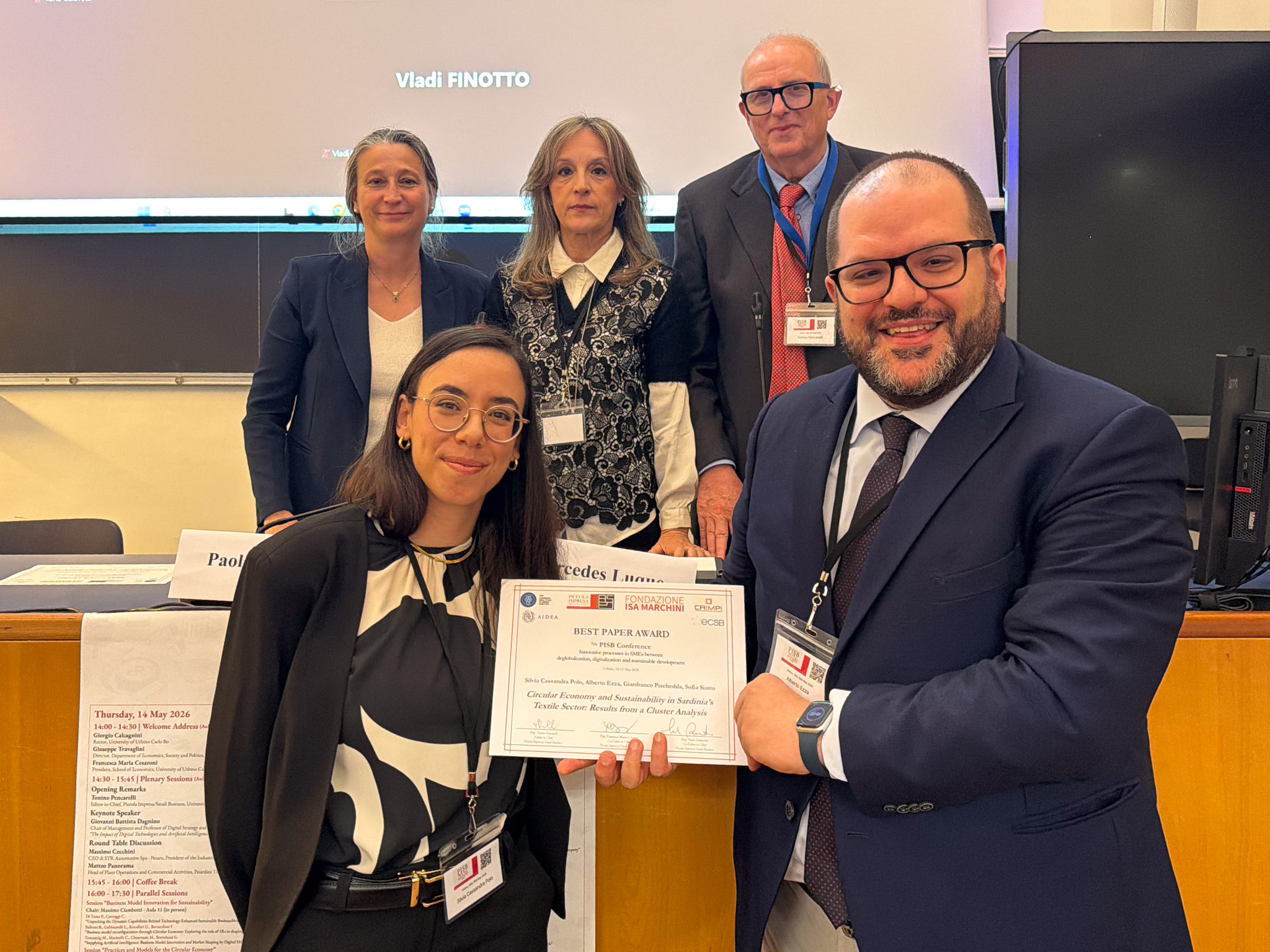
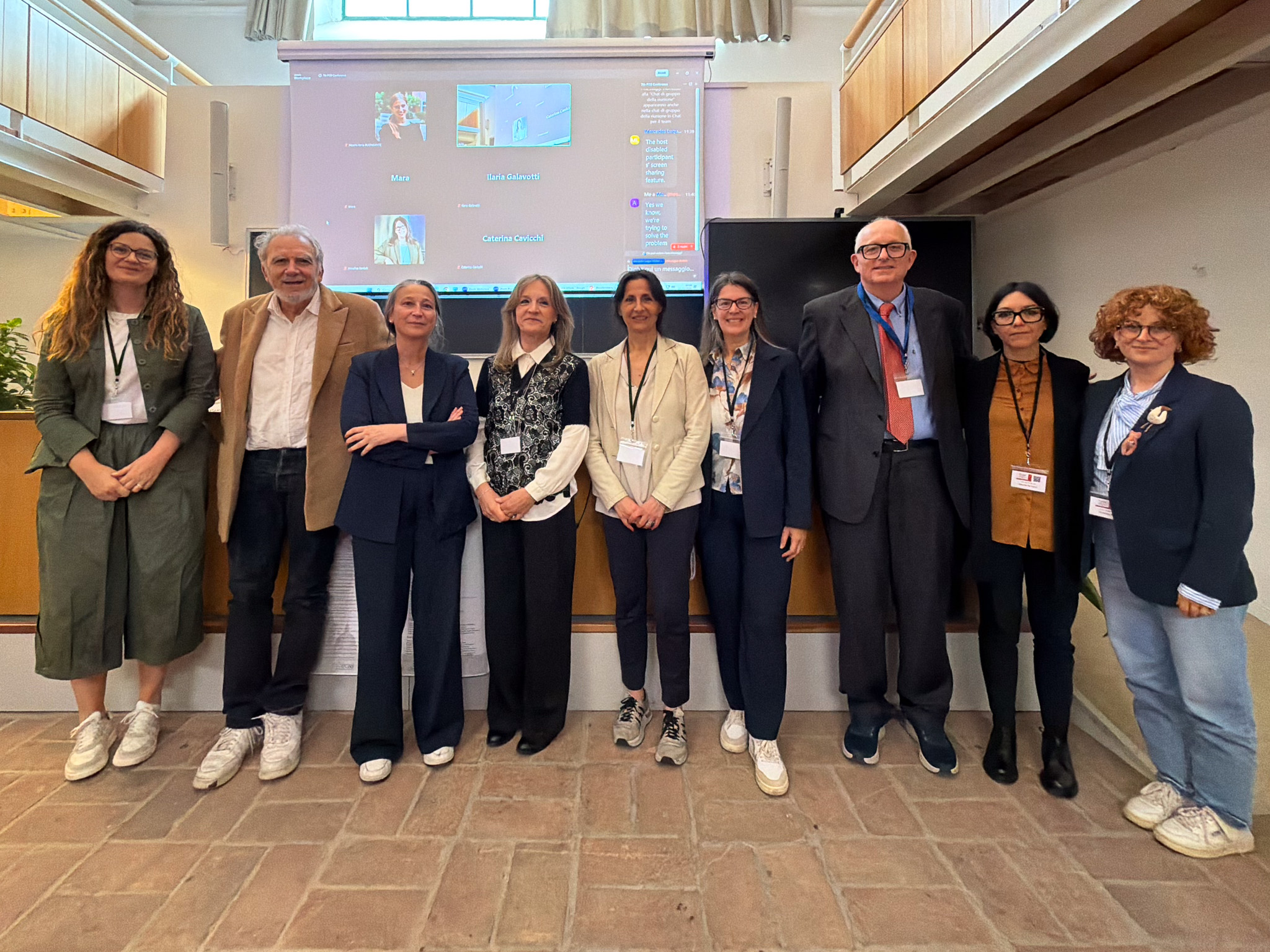
The seventh PISB 2026 Conference was held in Urbino on 14–15 May 2026 to examine the evolution of small and medium-sized enterprises within a changing global context. The event explored how businesses can integrate digitalization and sustainable development in order to address the challenges posed by deglobalization. Organized by the University of Urbino together with ASPI and the journal Piccola Impresa, the initiative continued a thirty-year tradition of research dedicated to innovation. The main objective of the conference was to understand how enterprises can generate social and environmental value through responsible and transformative processes, offering an important opportunity for academic and practical discussion aimed at redefining the balances of modern economies.

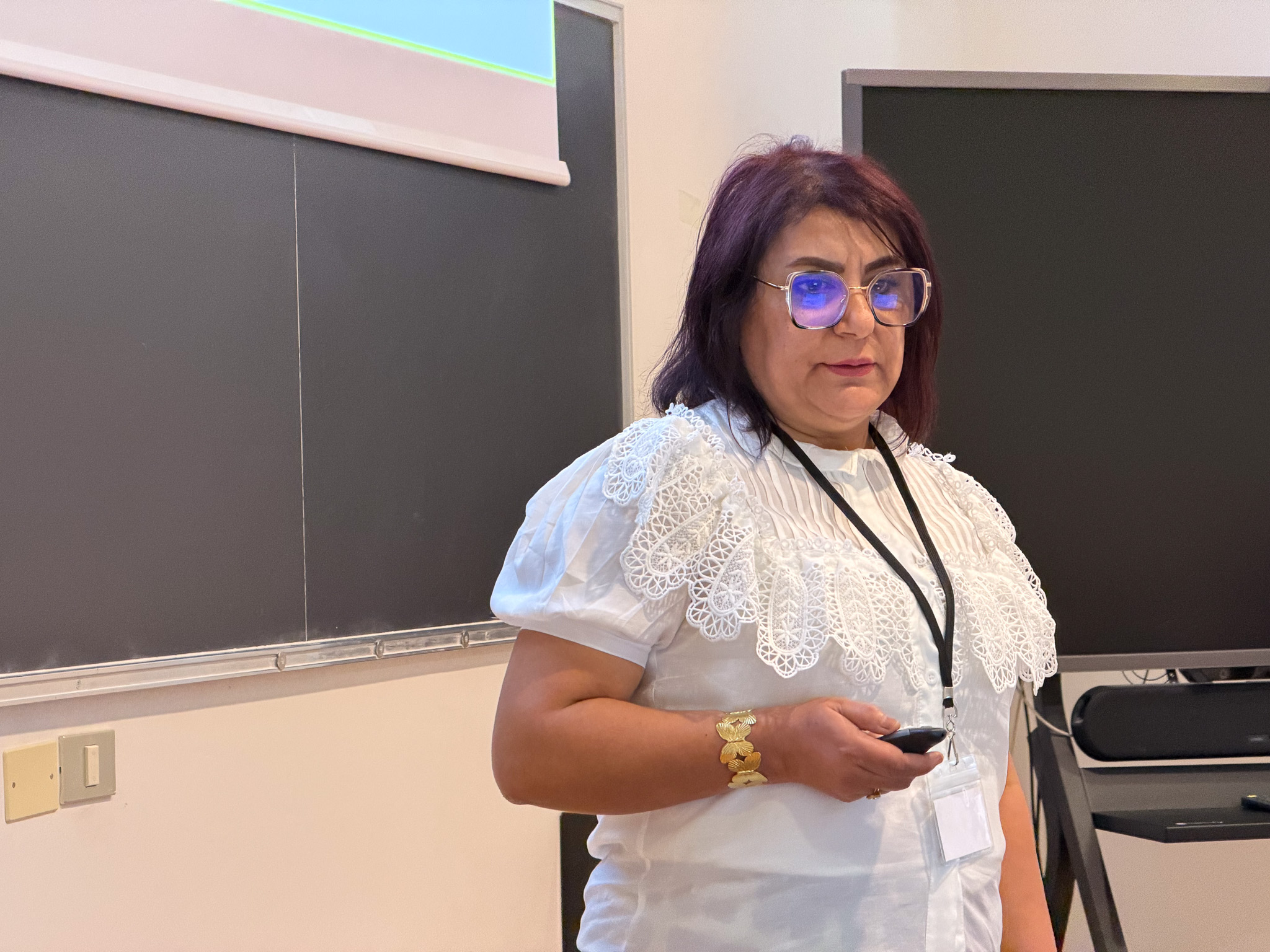
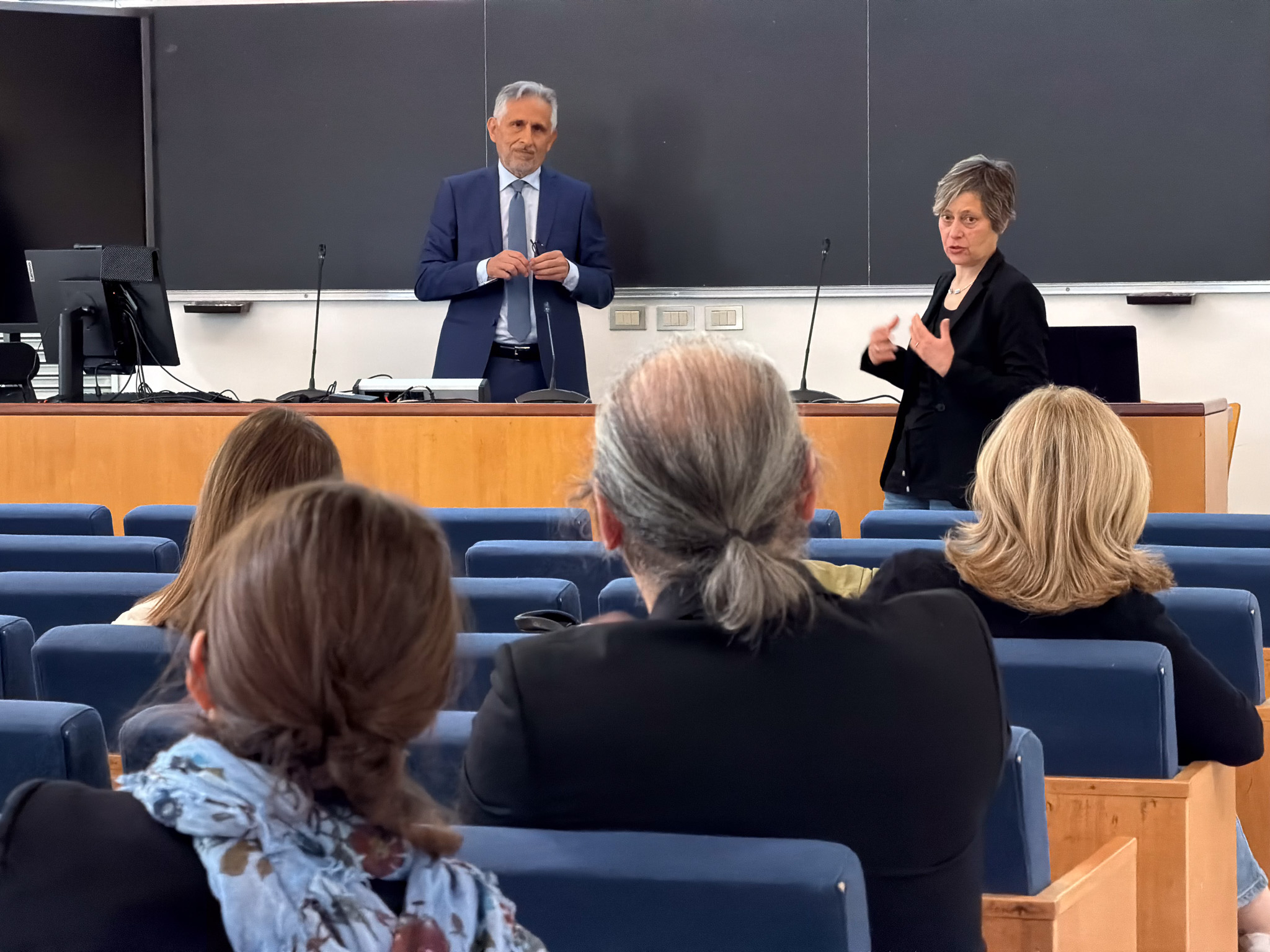
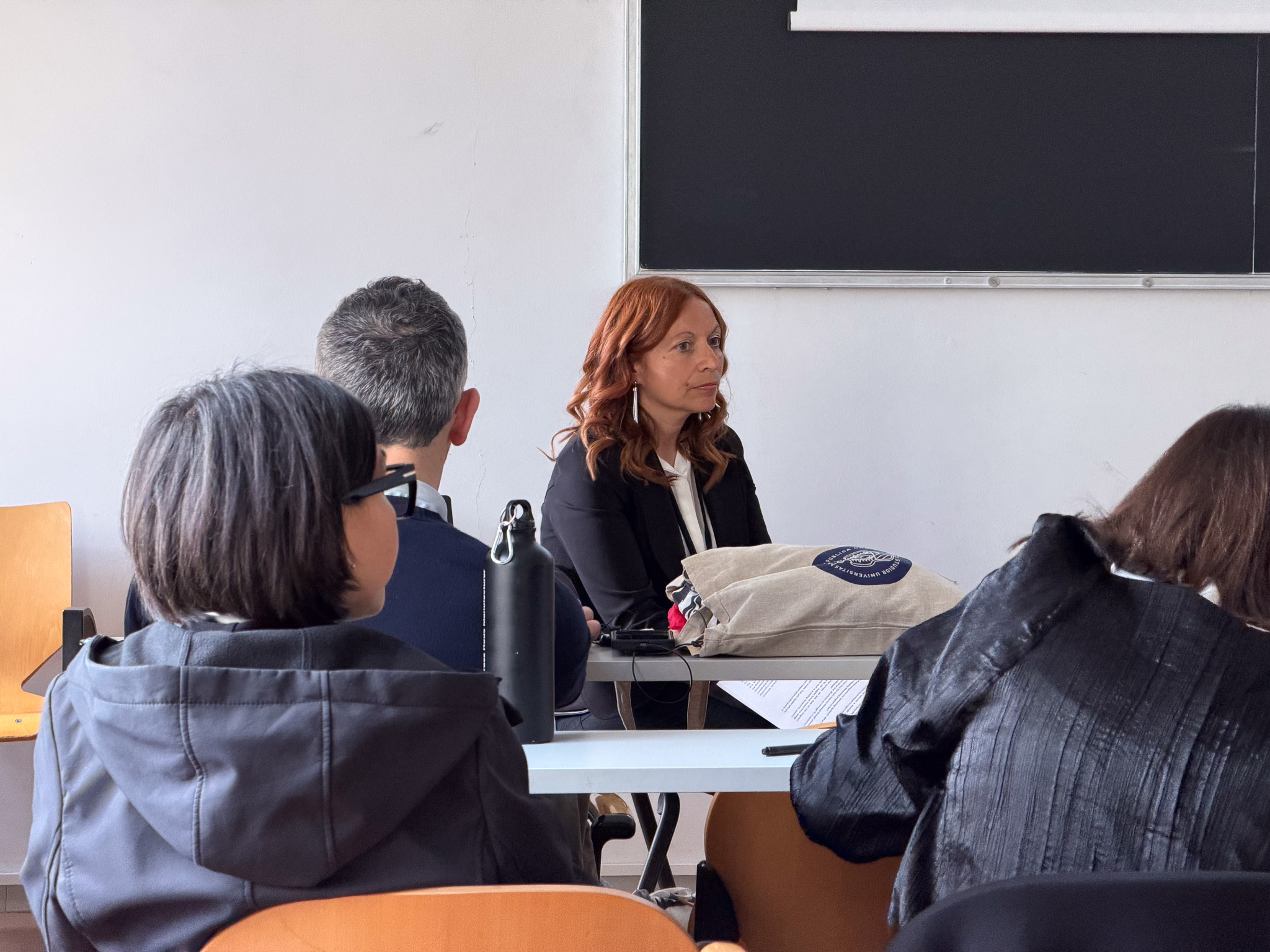
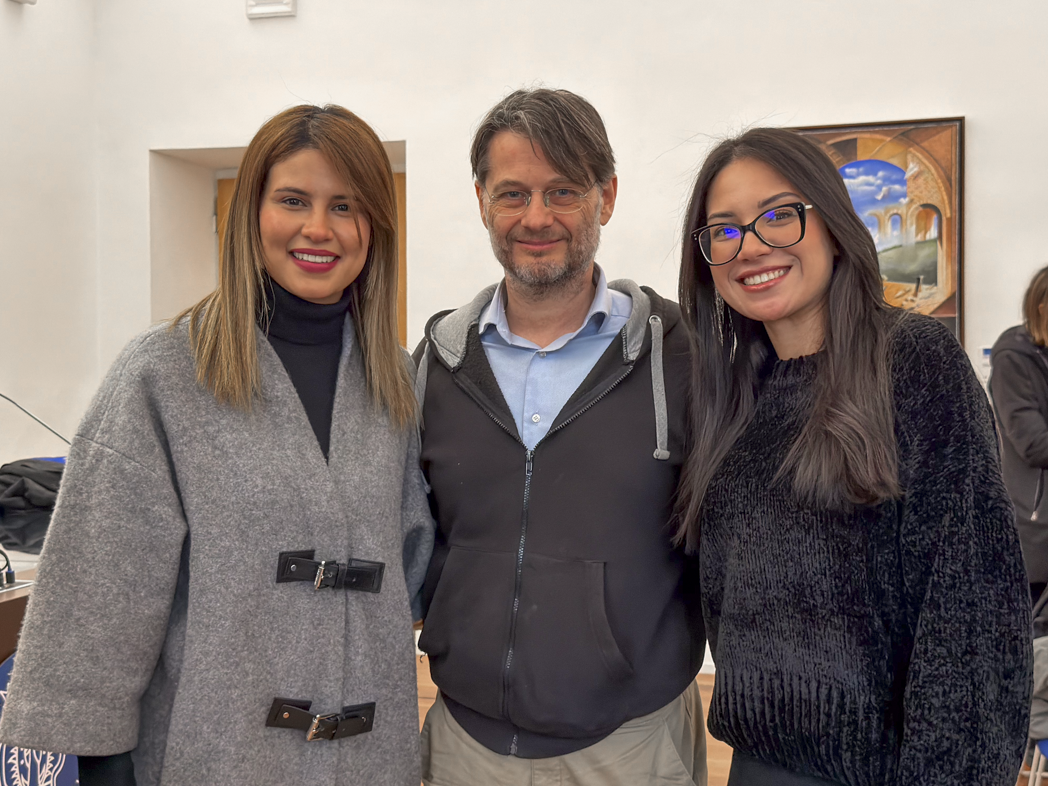
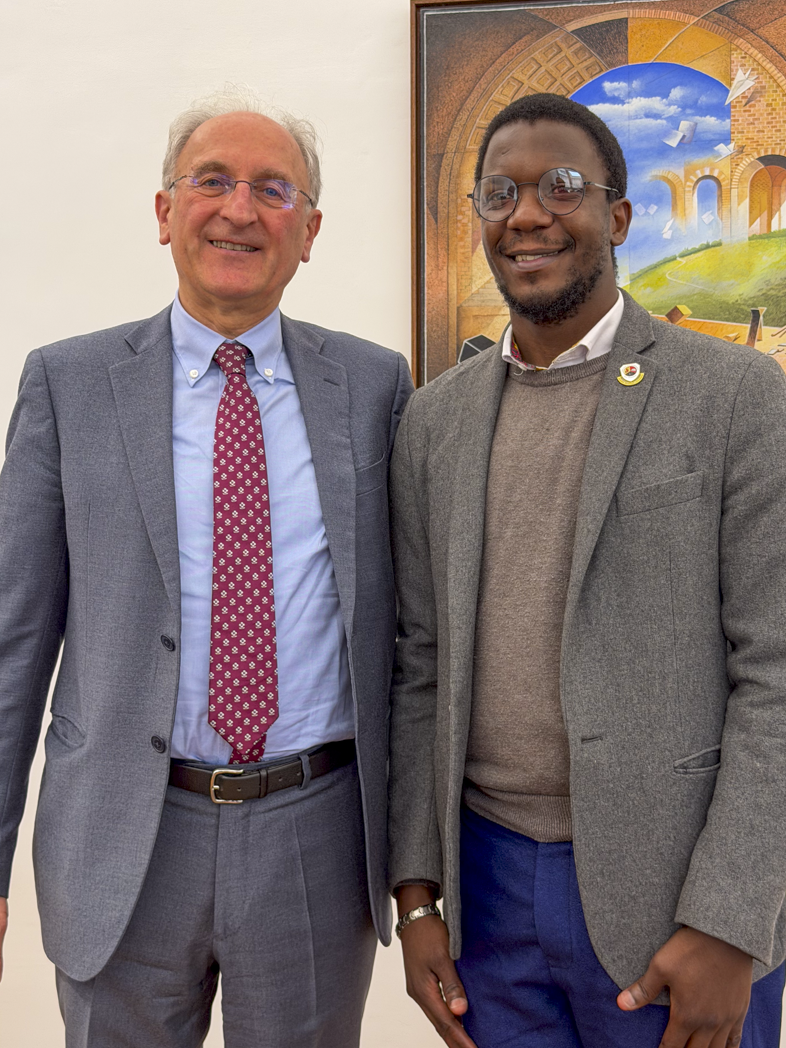
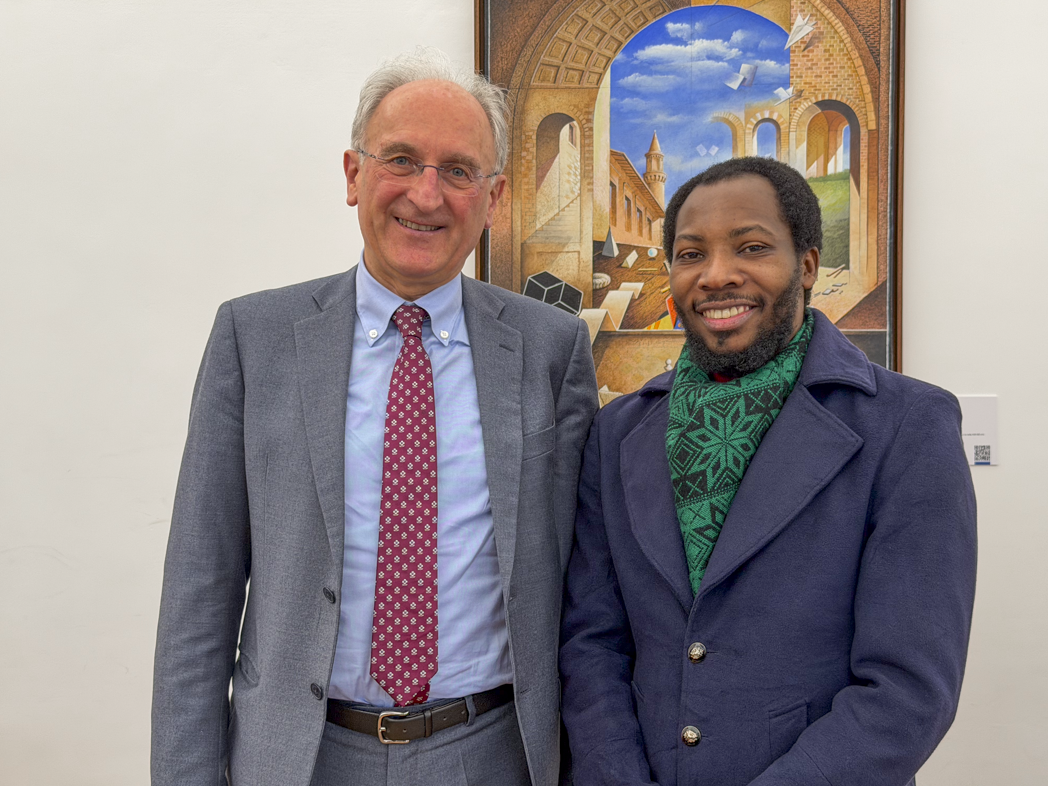
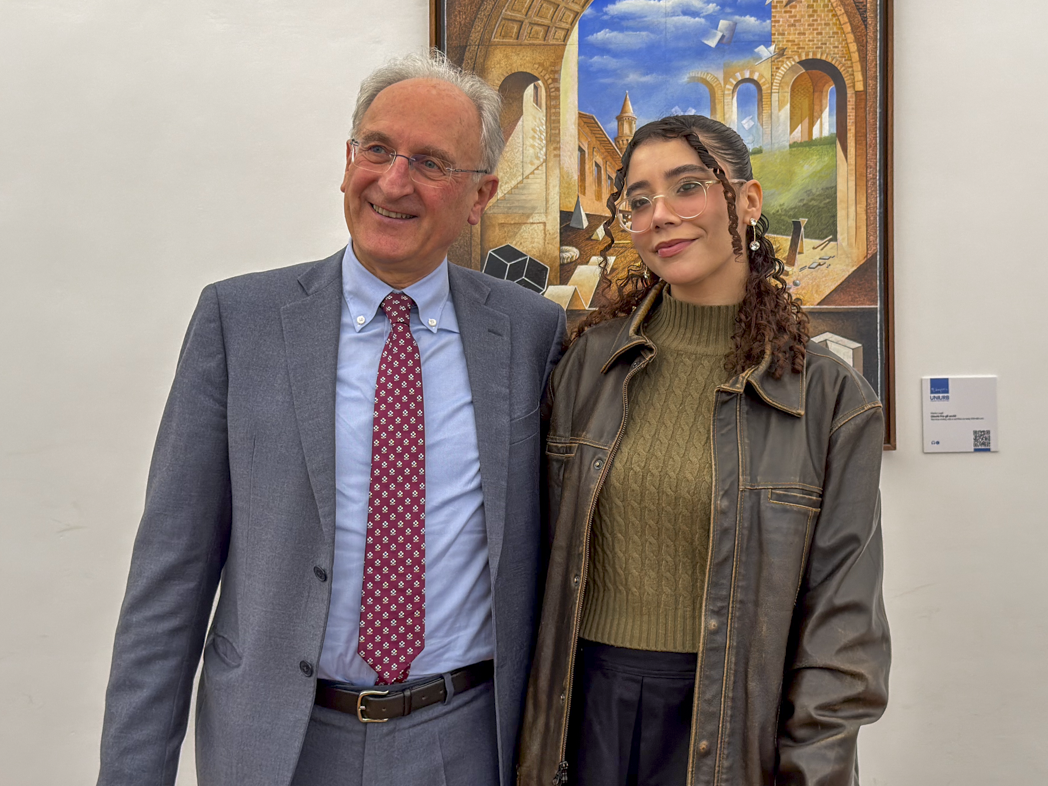
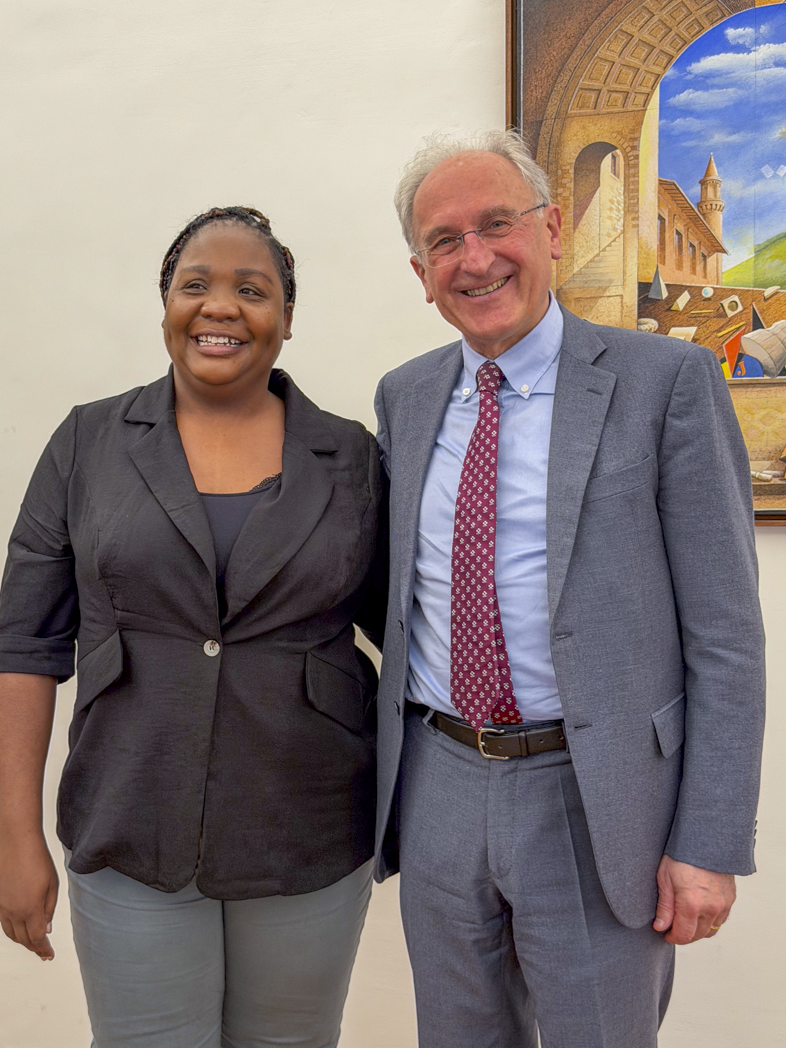
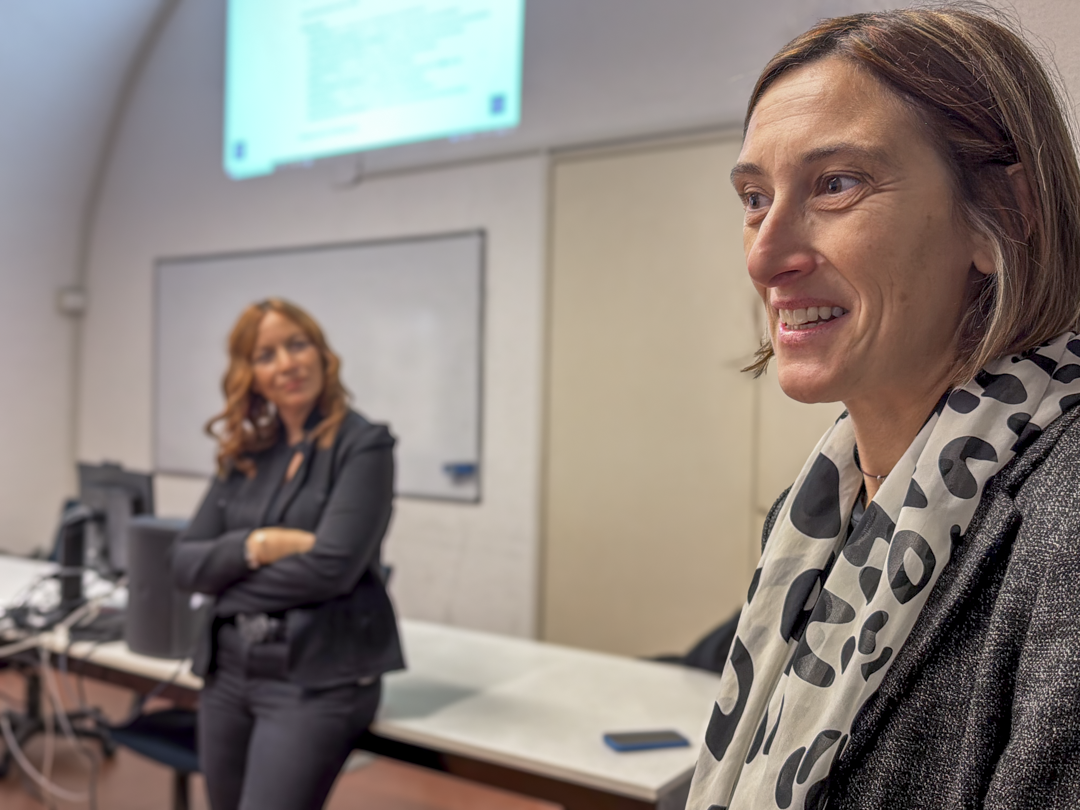
The lecturers involved in the ITACA project participated in the conference, contributing to the dialogue on innovation, digitalization, and sustainable development in small and medium-sized enterprises. Their participation represented an important opportunity for sharing perspectives and fostering discussion within the framework of research activities and the responsible transformation of contemporary businesses.
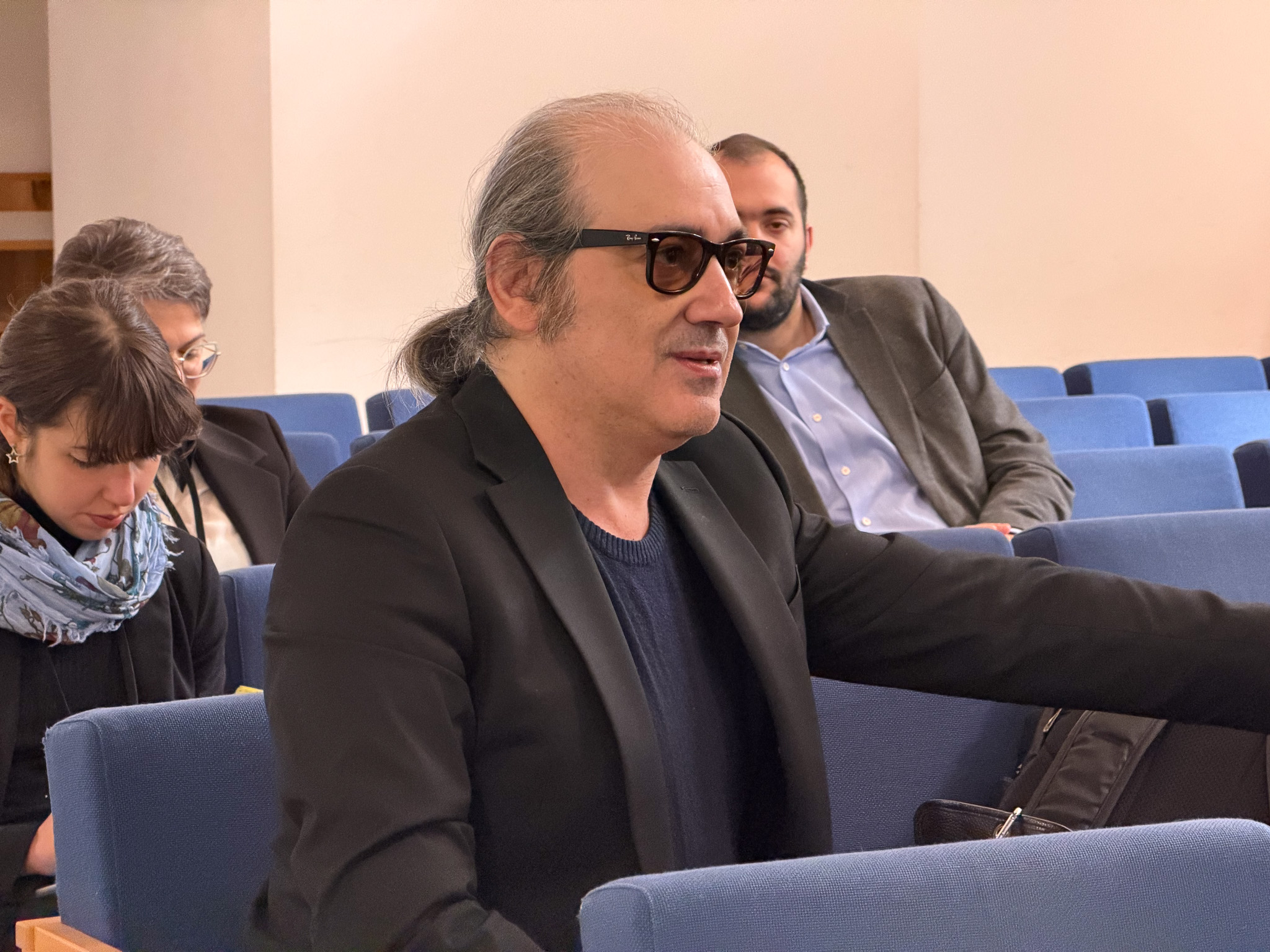
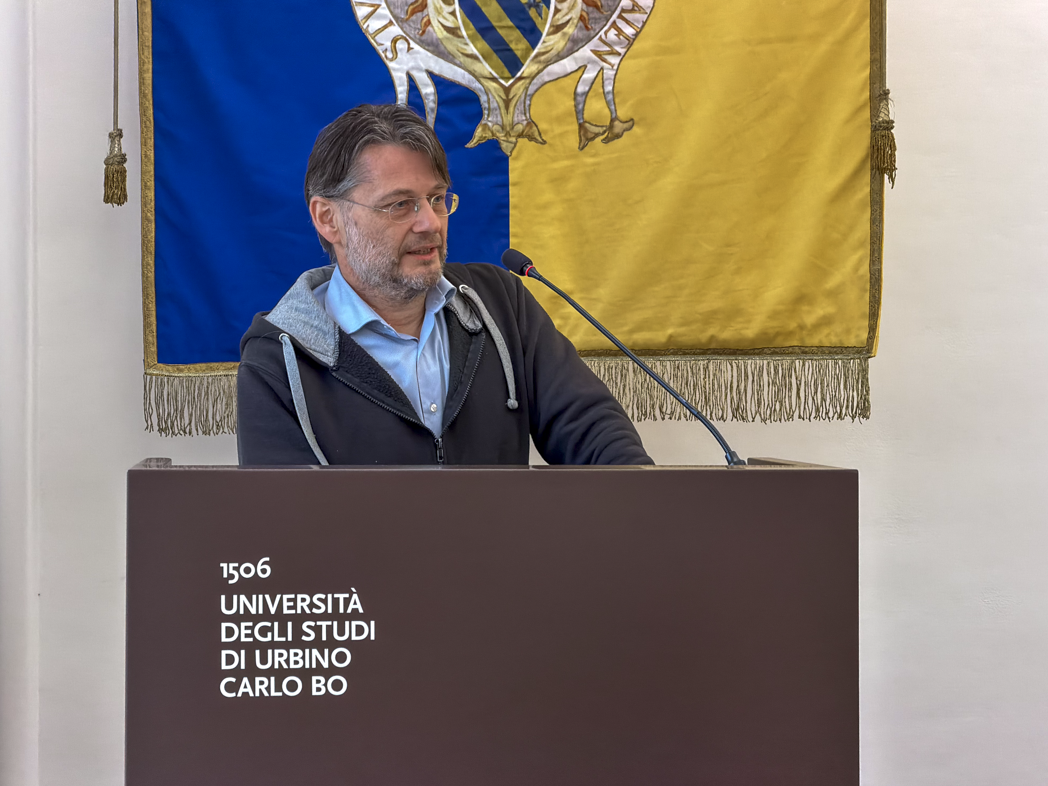
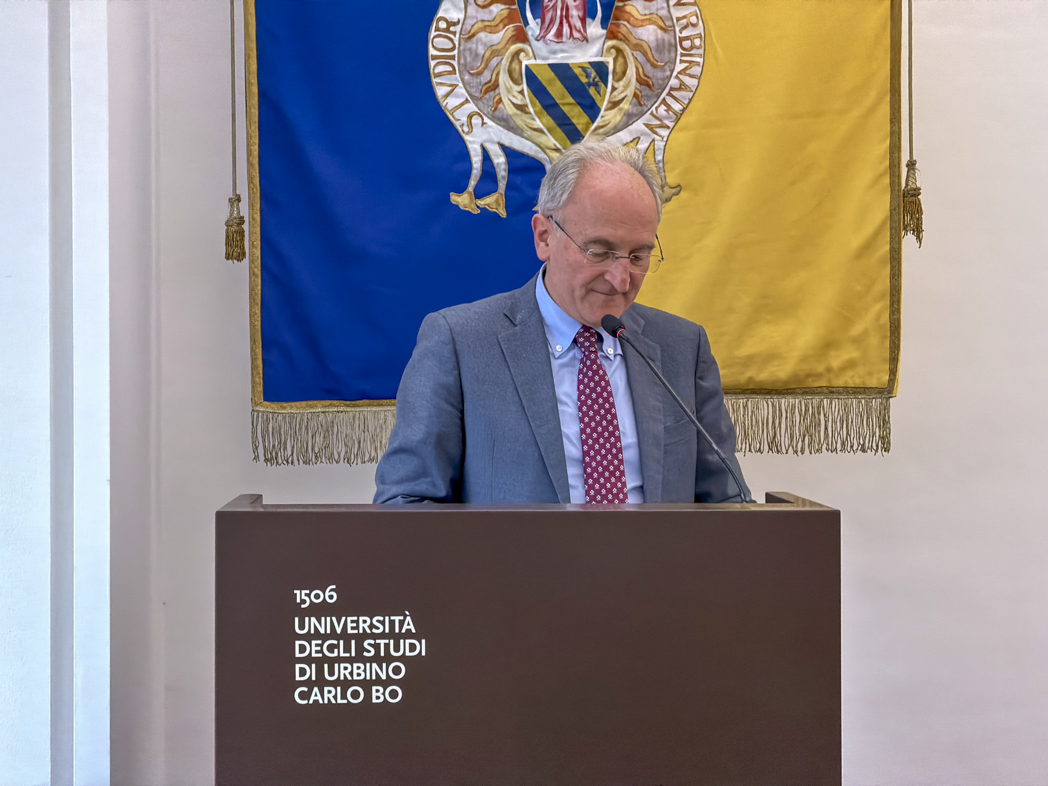
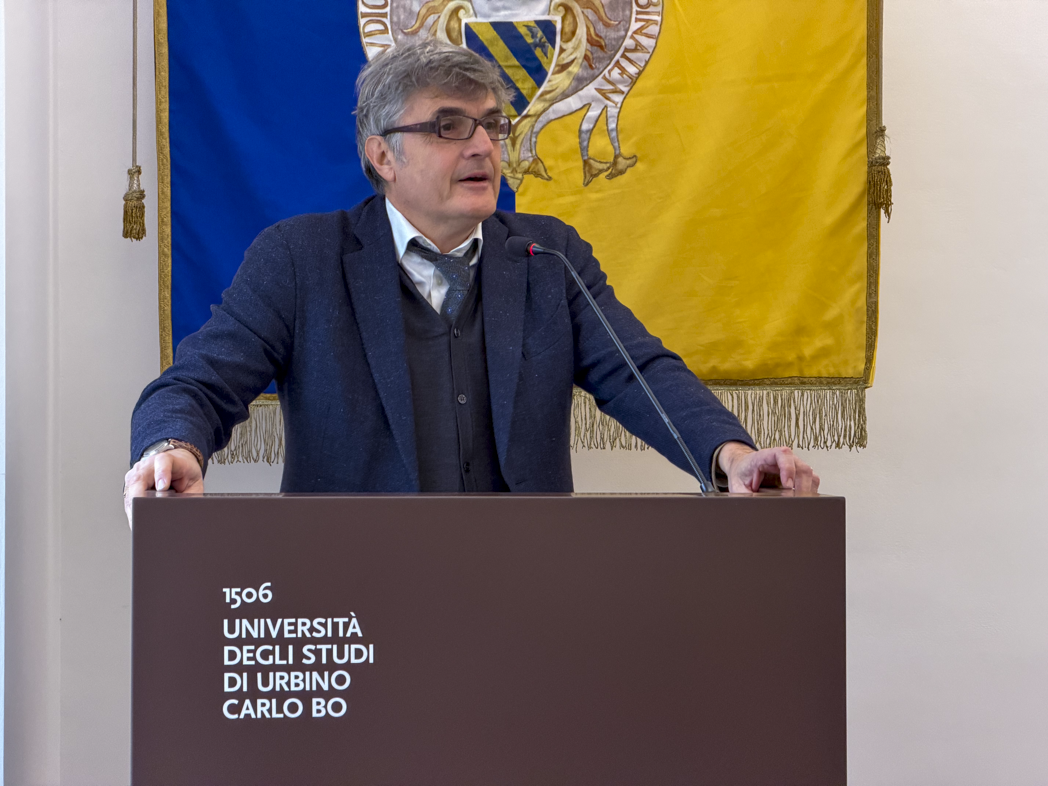
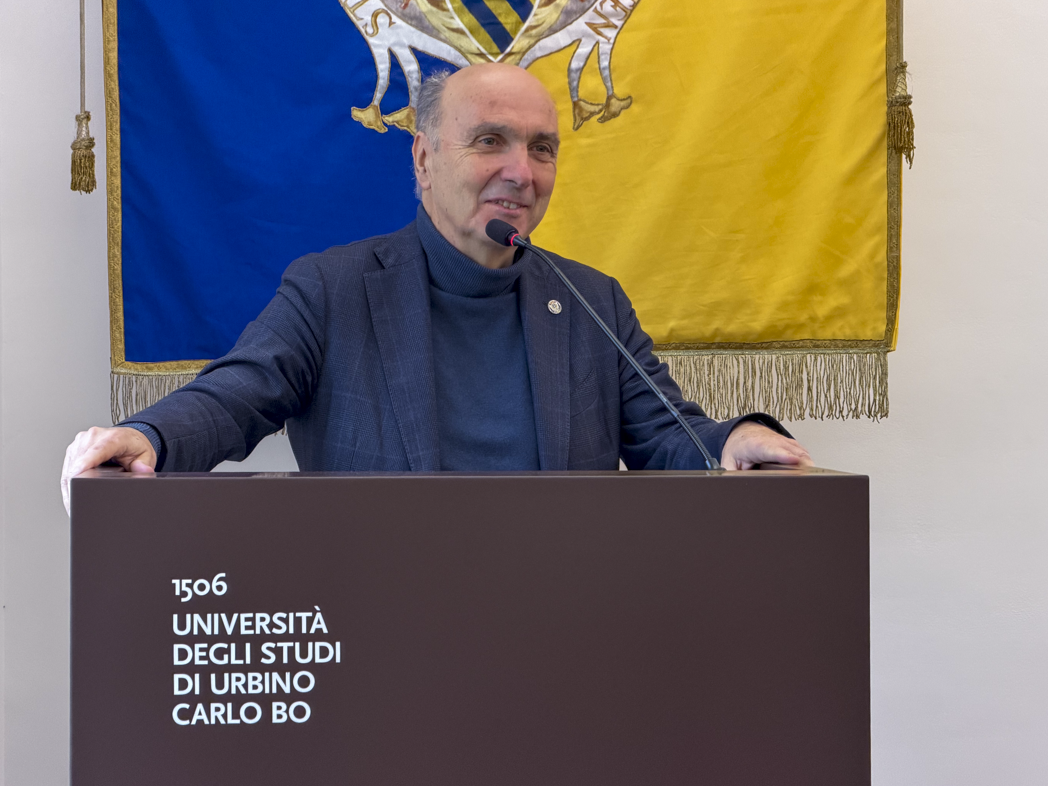
Massimo Ciambotti, ITACA project coordinator for #Uniurb

🌍 ITACA – Italy–Africa University Cooperation
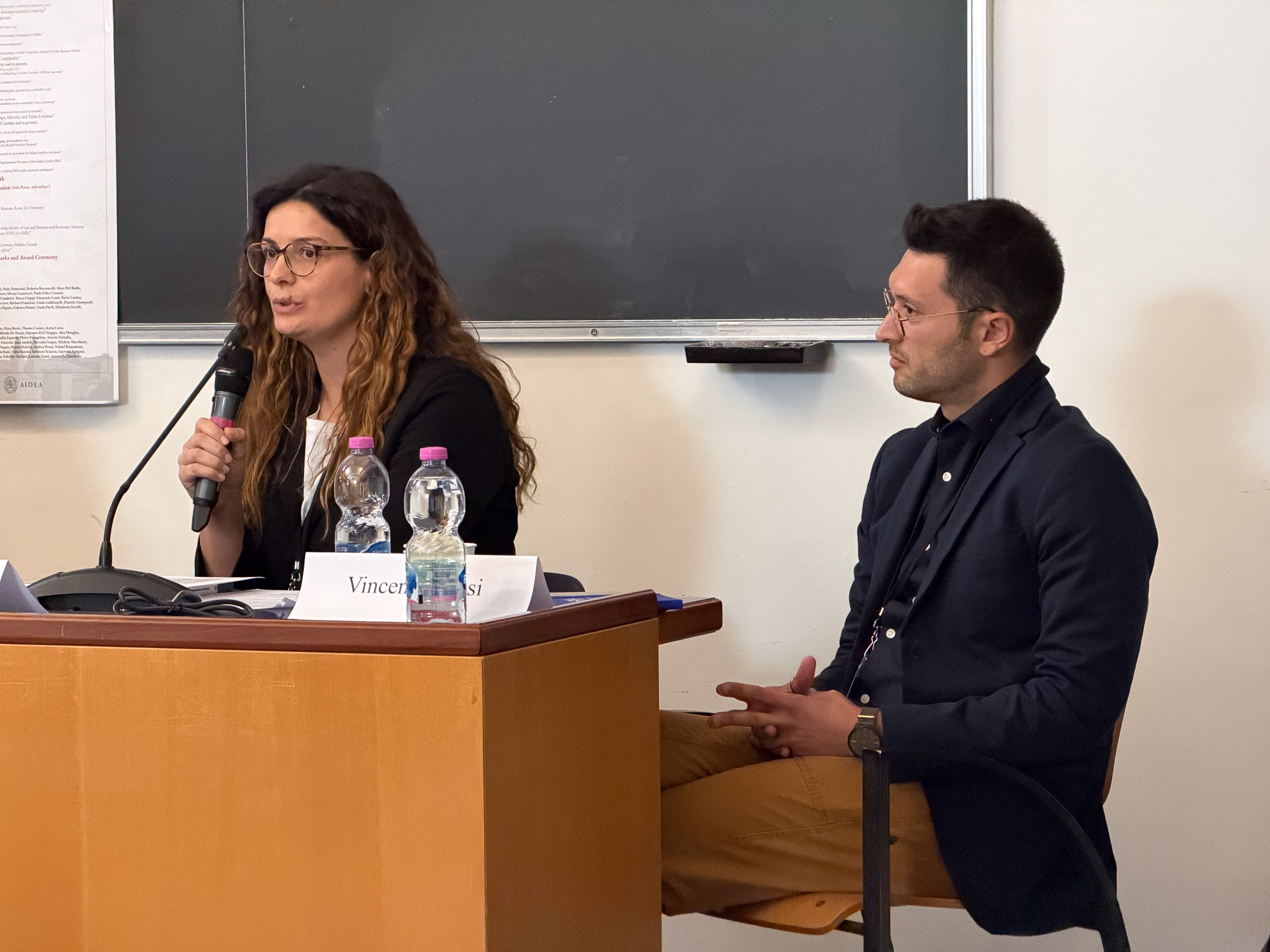
The #ITACA project involves four universities and was created with the aim of promoting international mobility among students and teachers between Italy and Africa, encouraging the exchange of skills, research activities and training courses.
🎓 As Professor Massimo Ciambotti, ITACA project coordinator for #Uniurb, points out, the initiative is based on the principle of joint development between Italian and African universities, understood as academic cooperation based on mutual benefits.
🤝 Incoming and outgoing #mobility
📚 Academic and #research collaborations
🌱 Shared, inclusive and sustainable growth
A project that contributes to the strengthening of #international university networks and the #development of the academic systems involved.

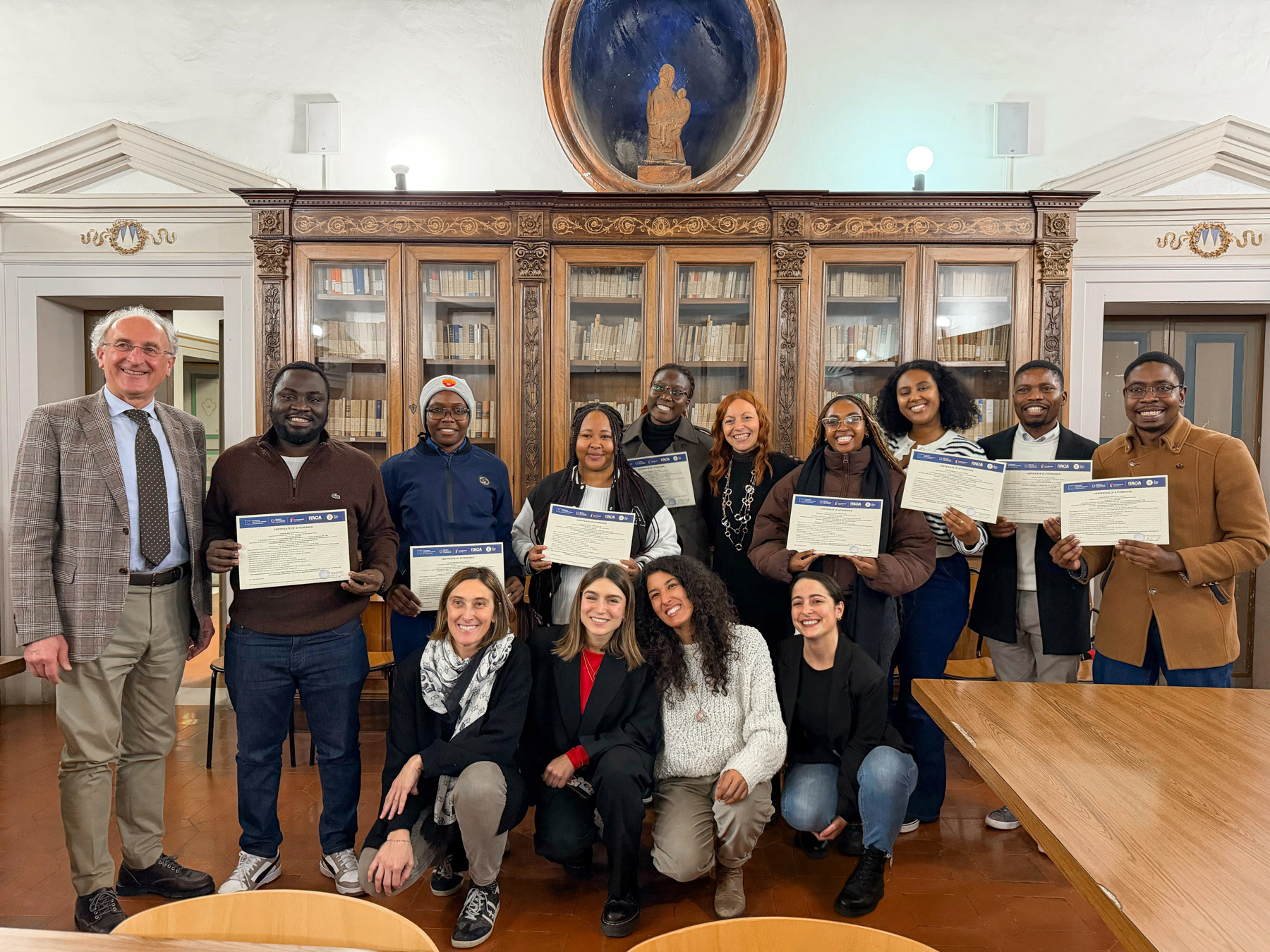
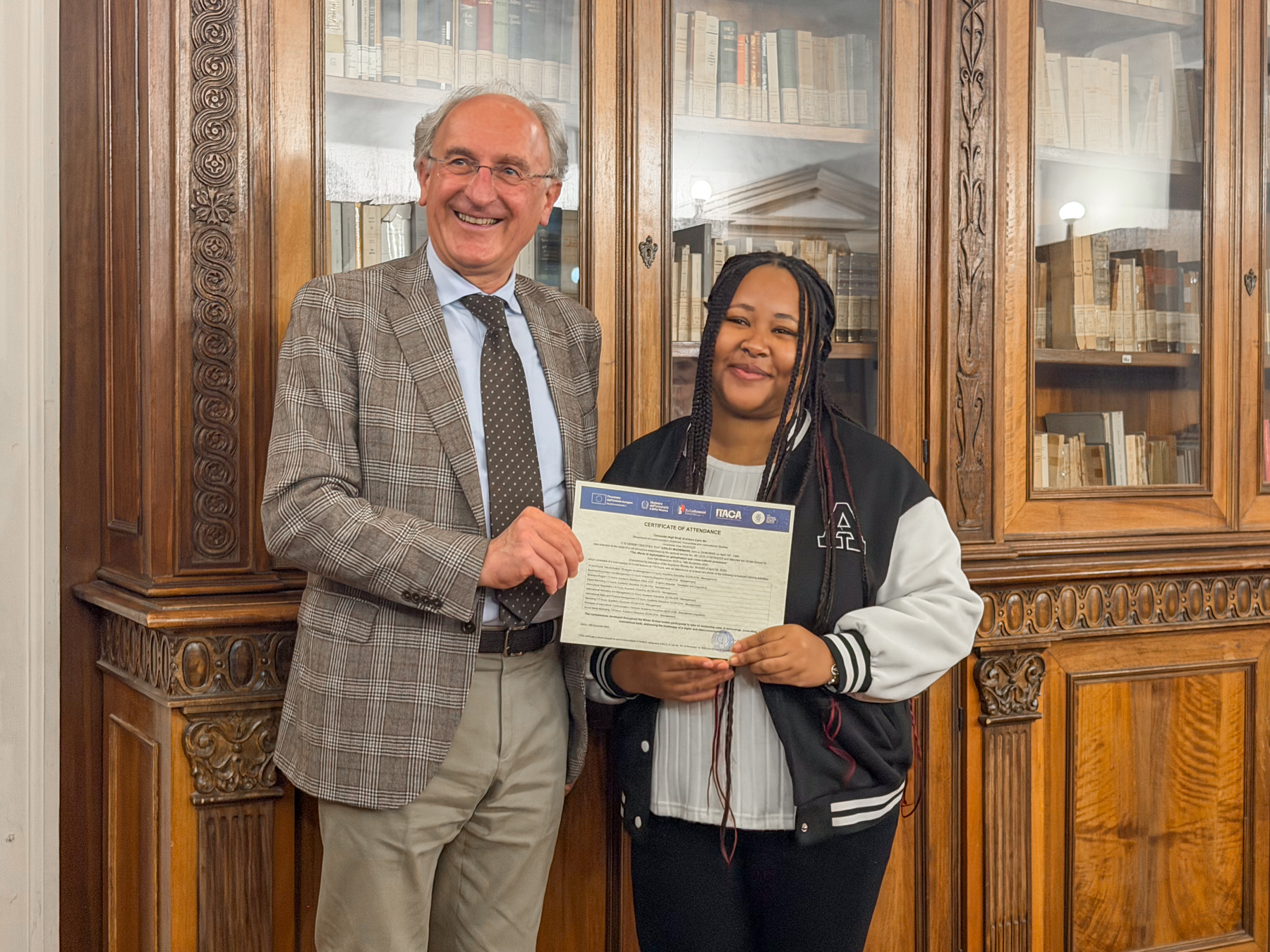
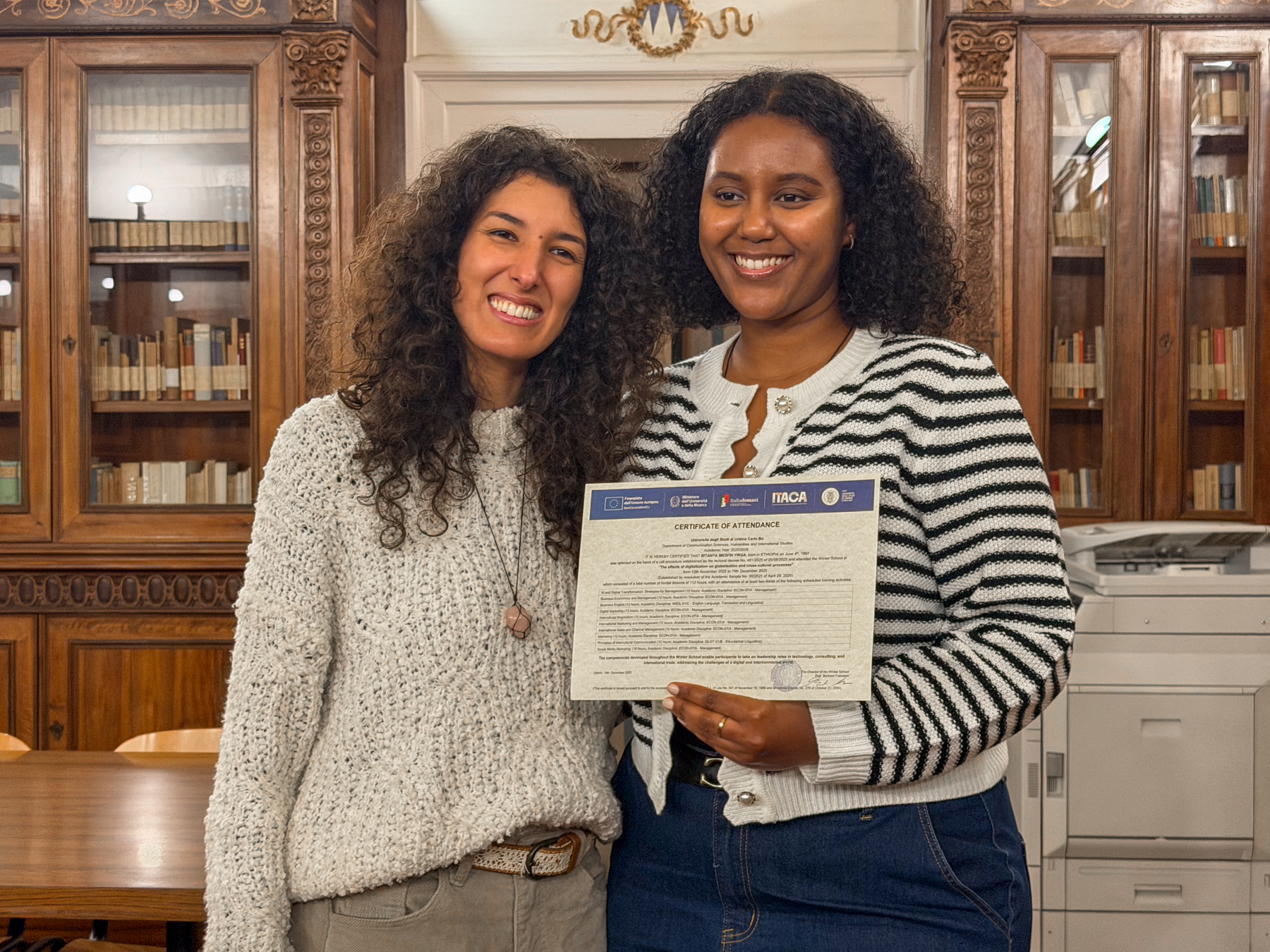
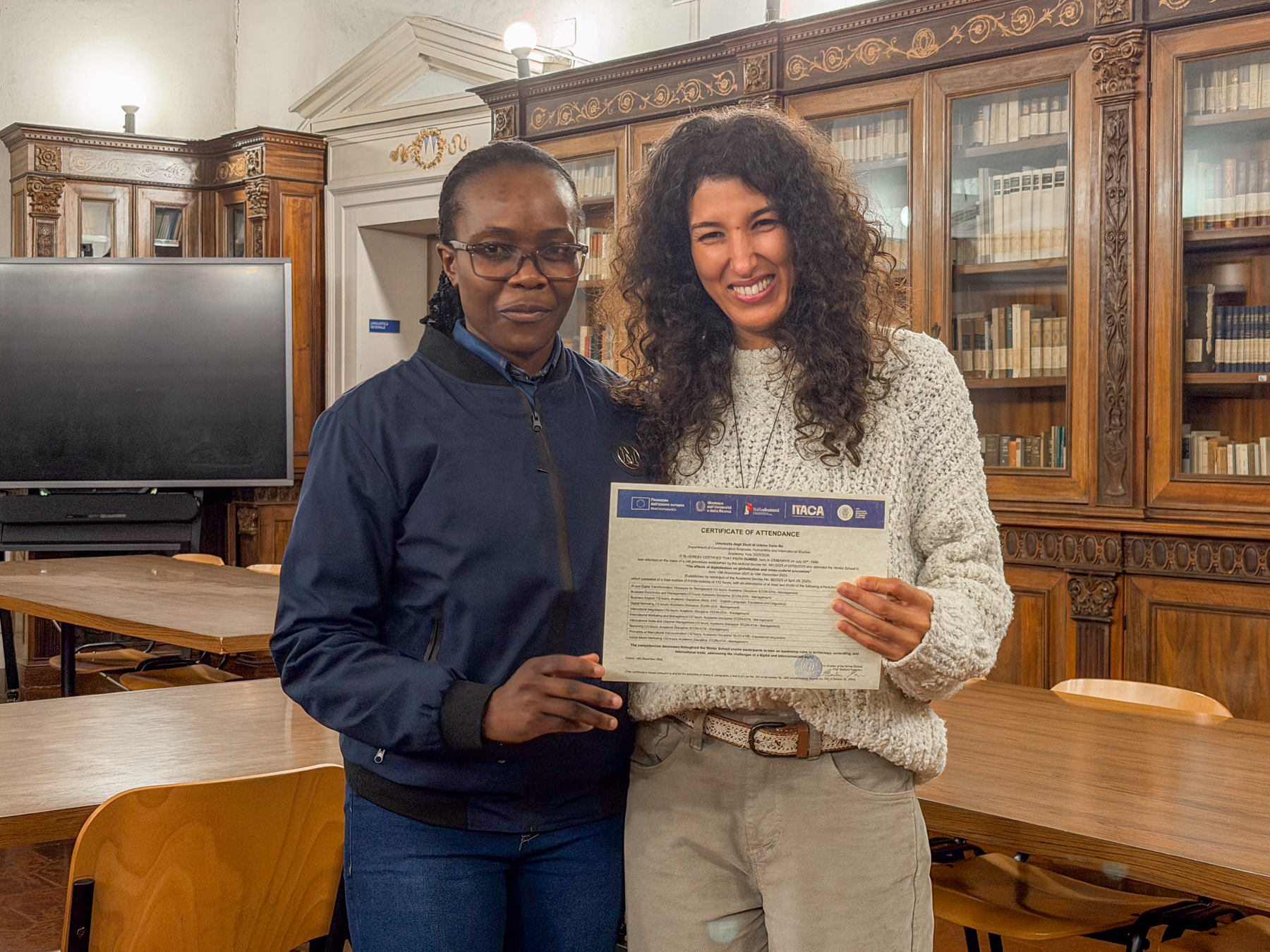
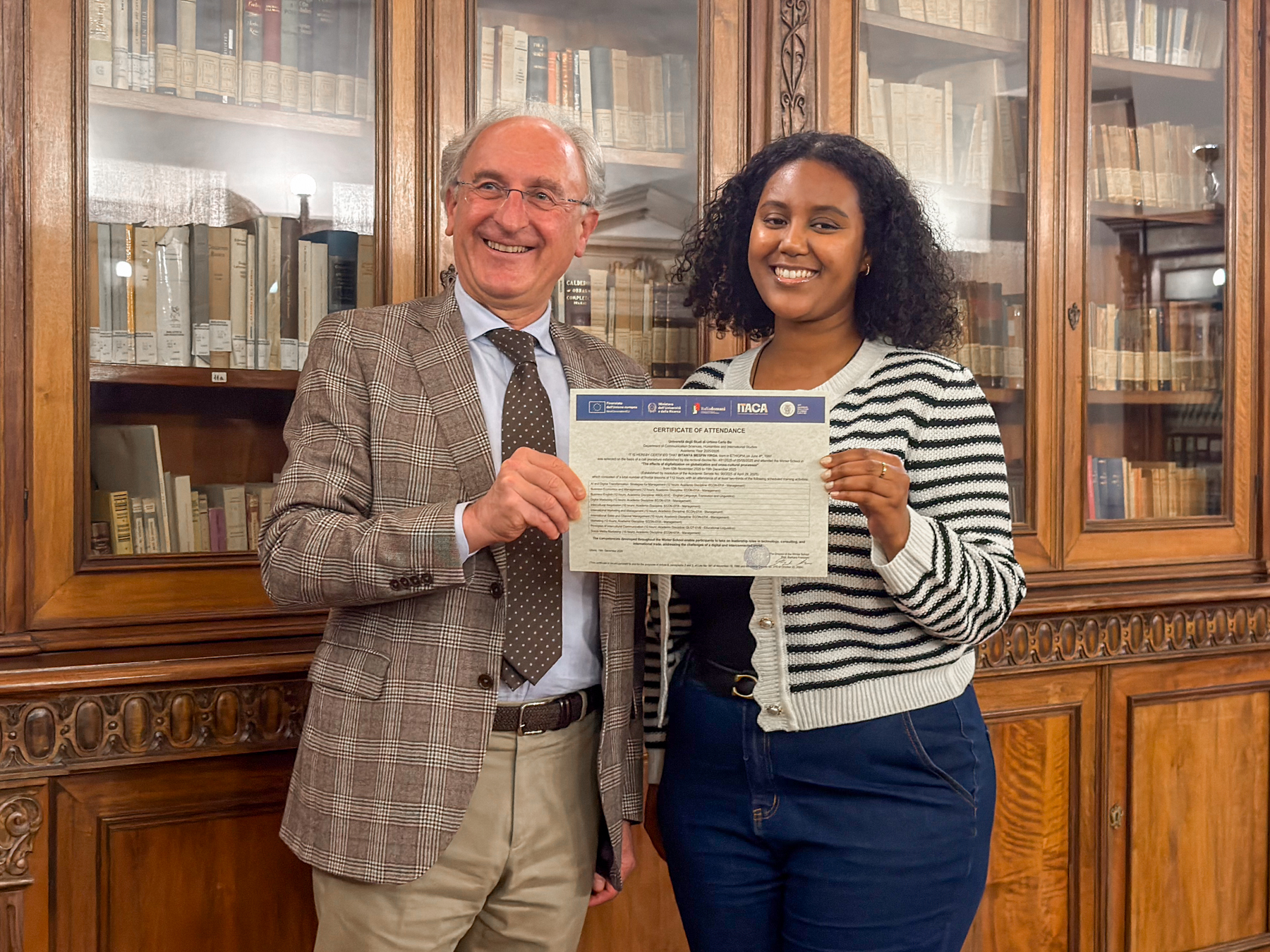
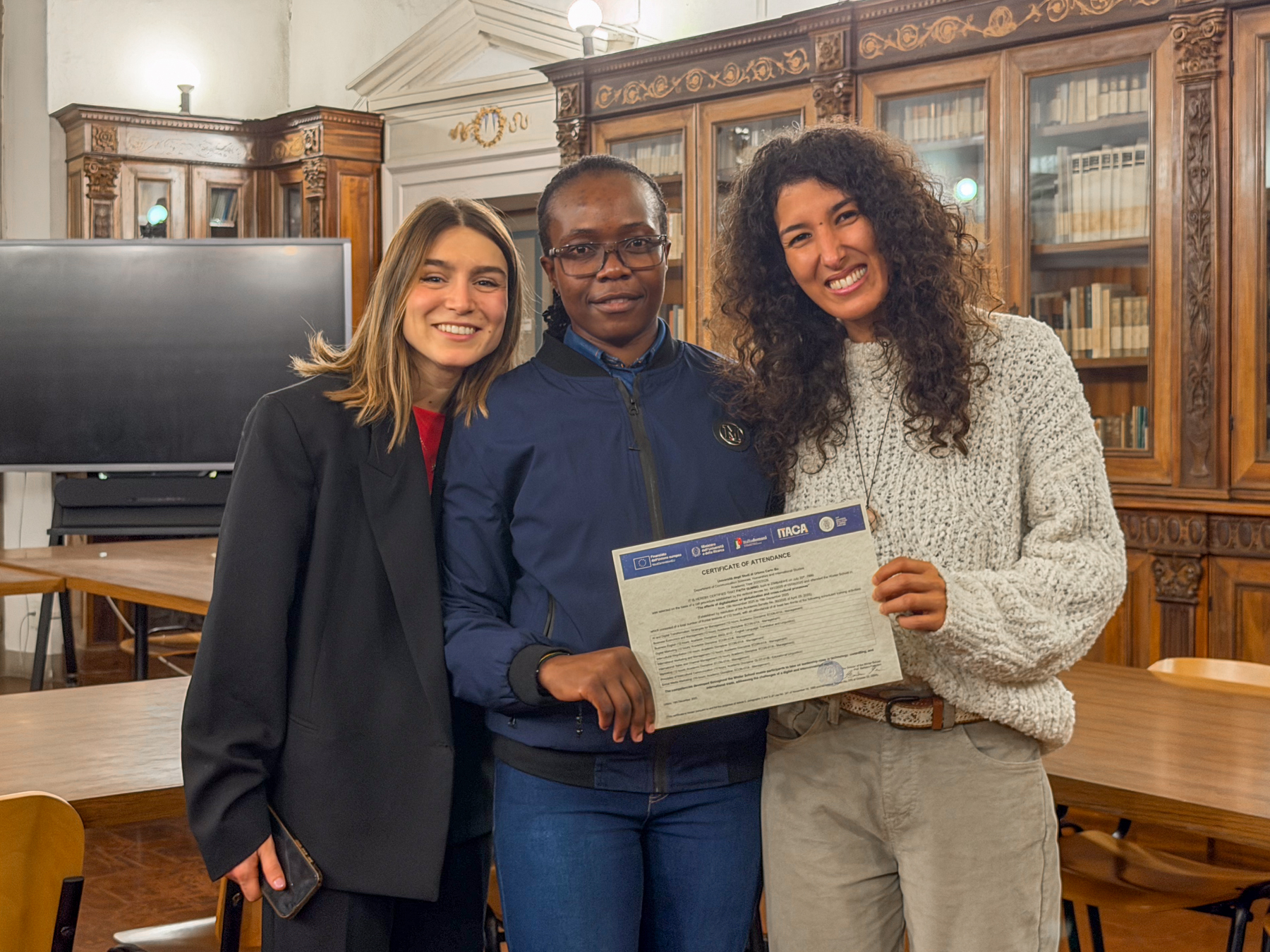
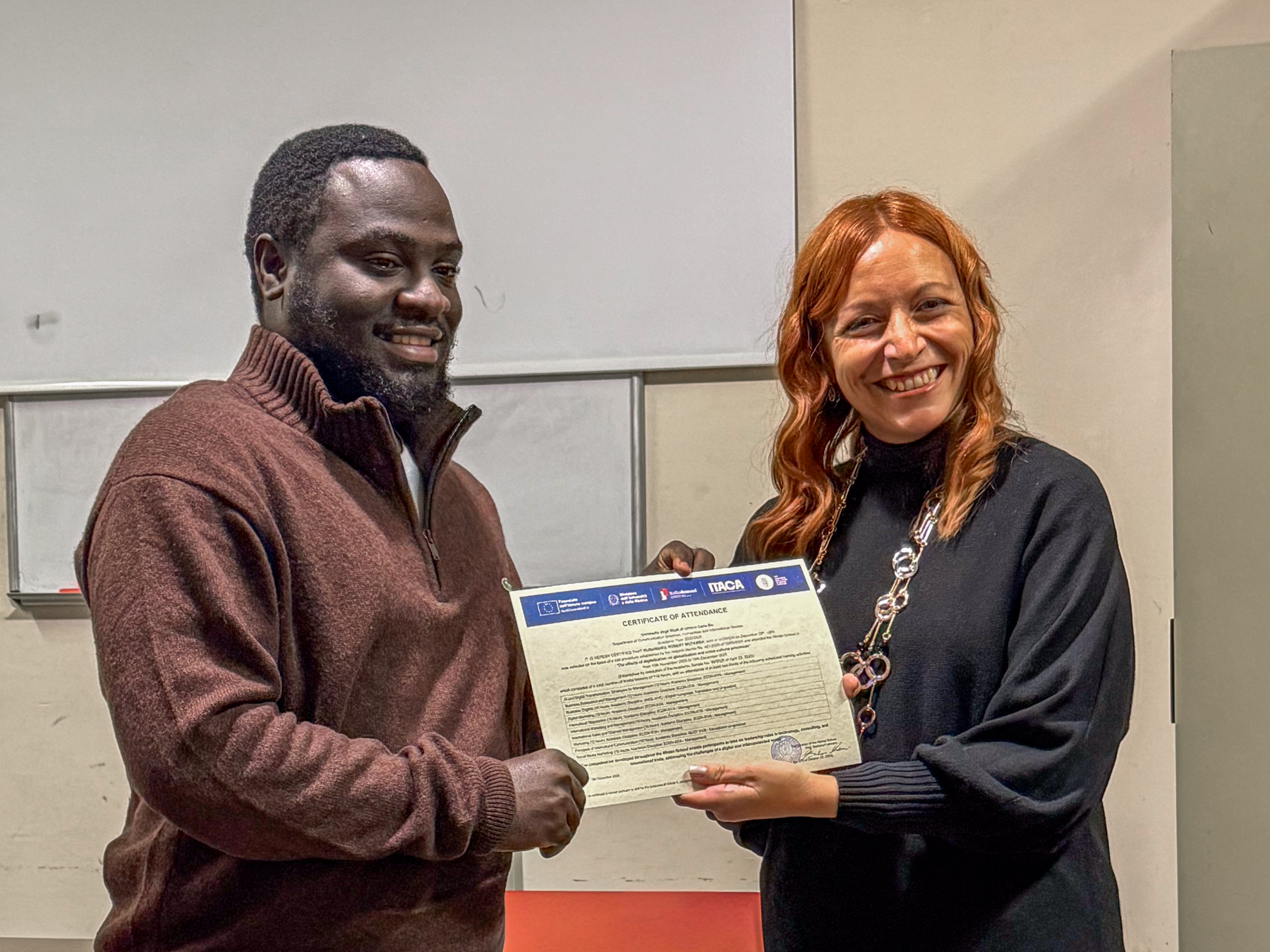
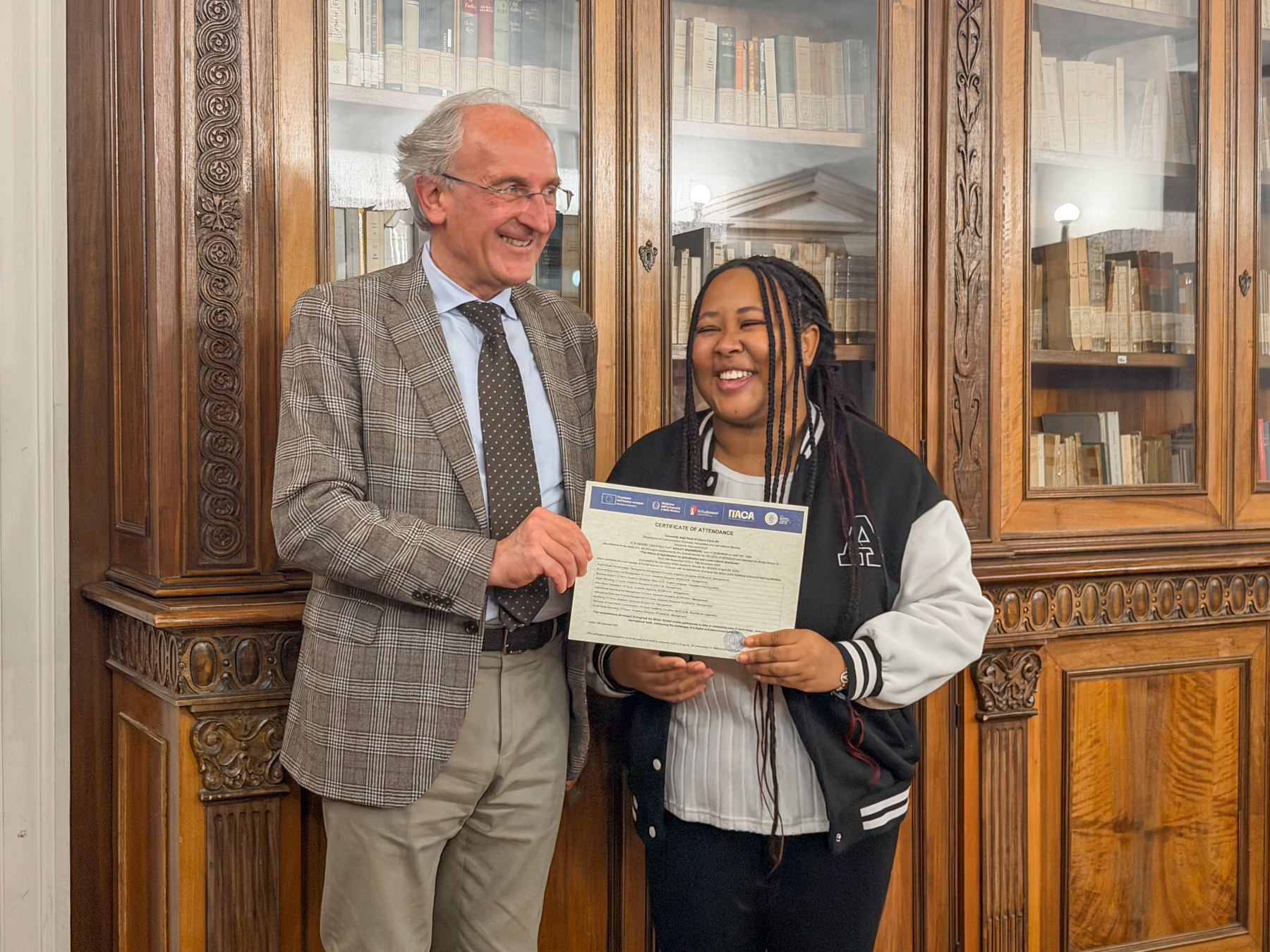
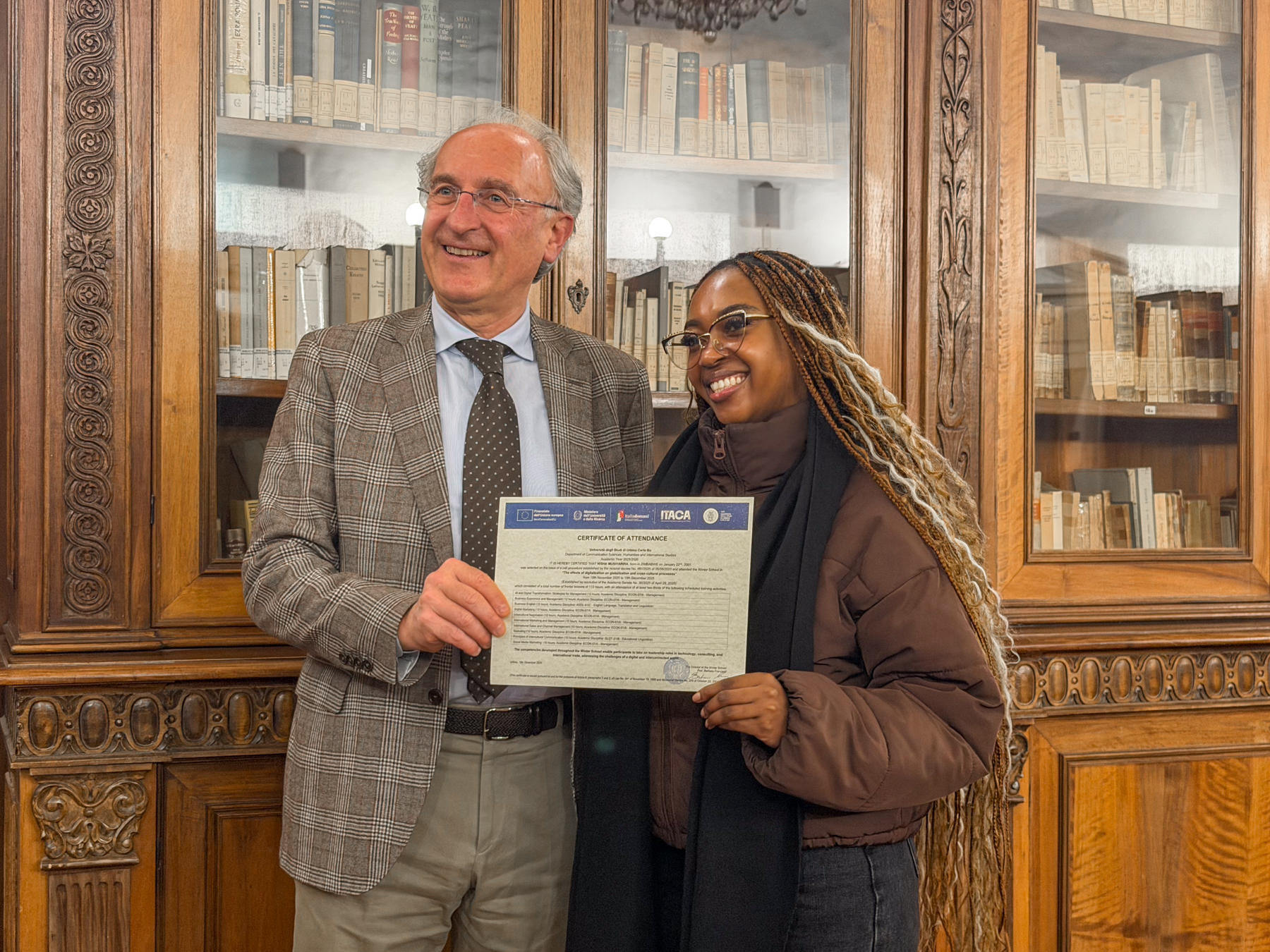
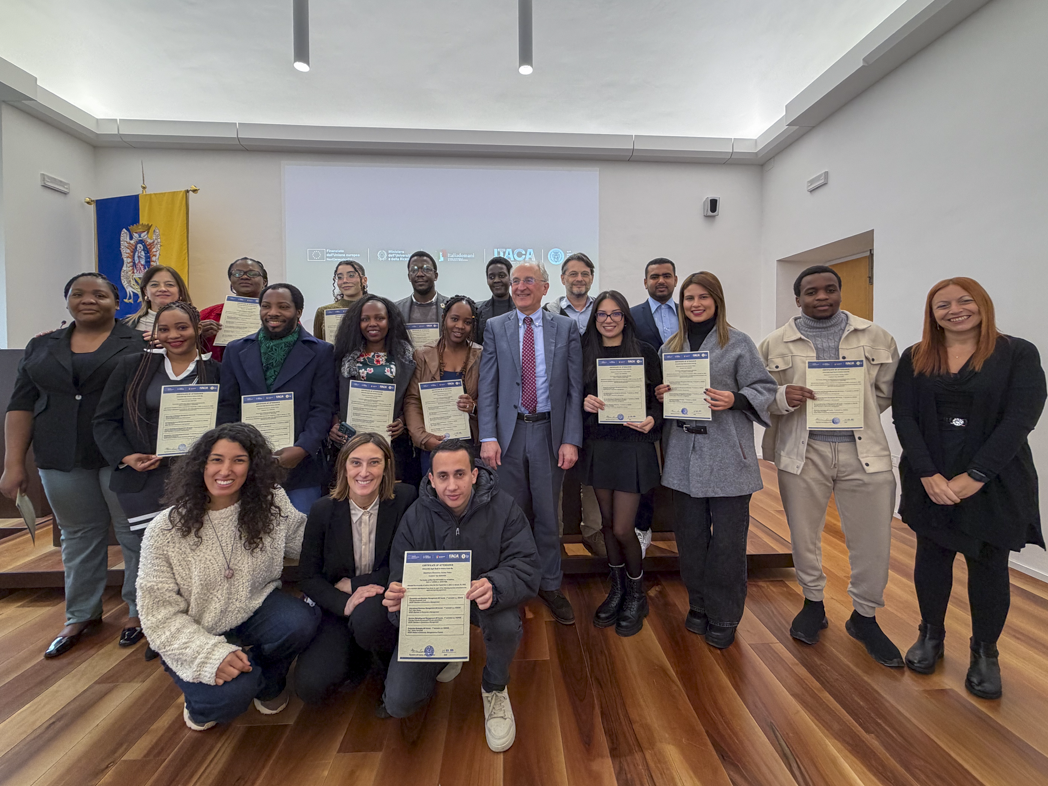
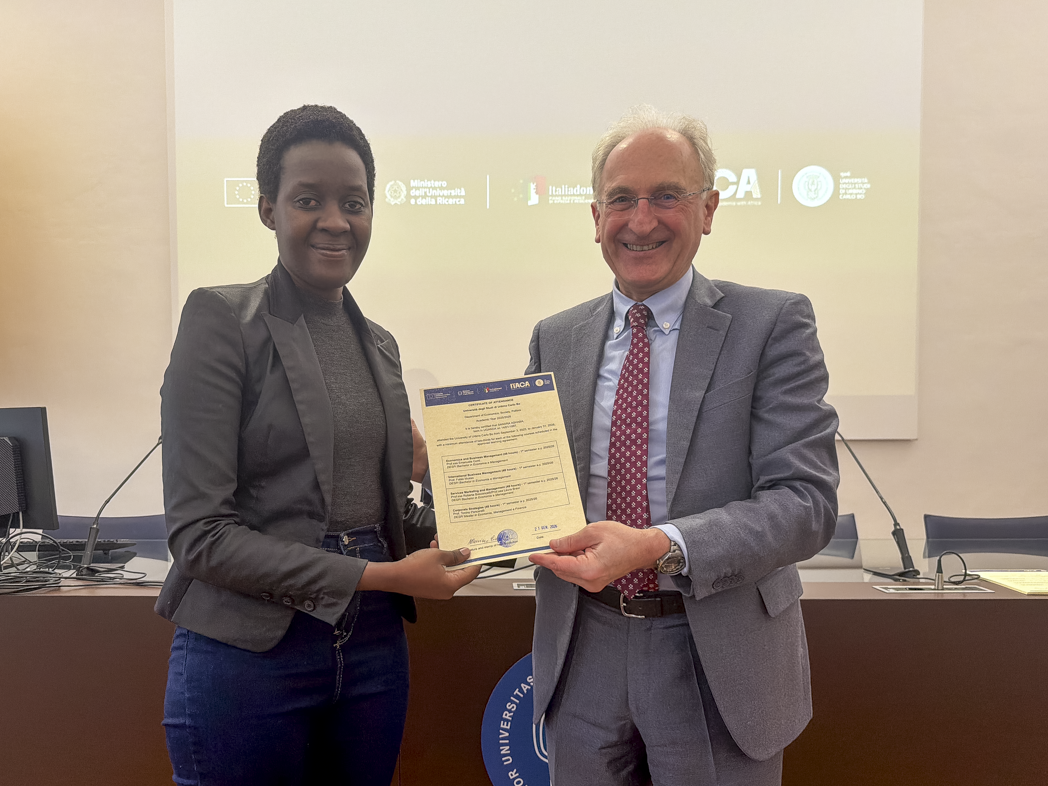
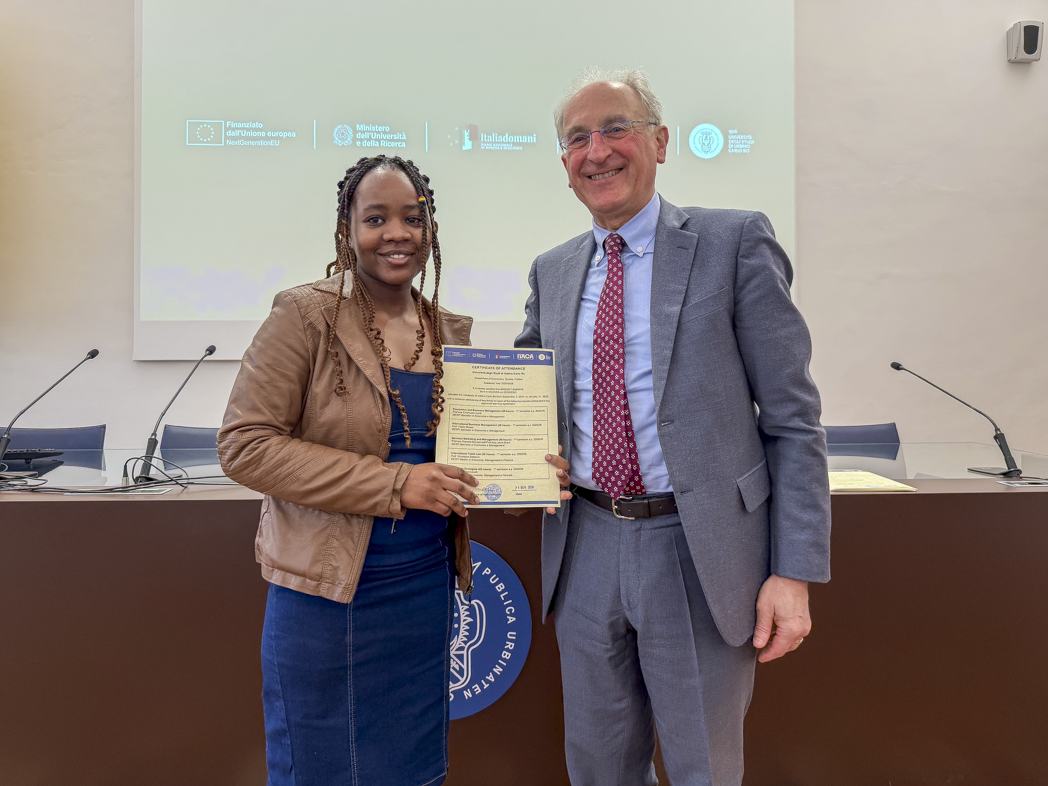
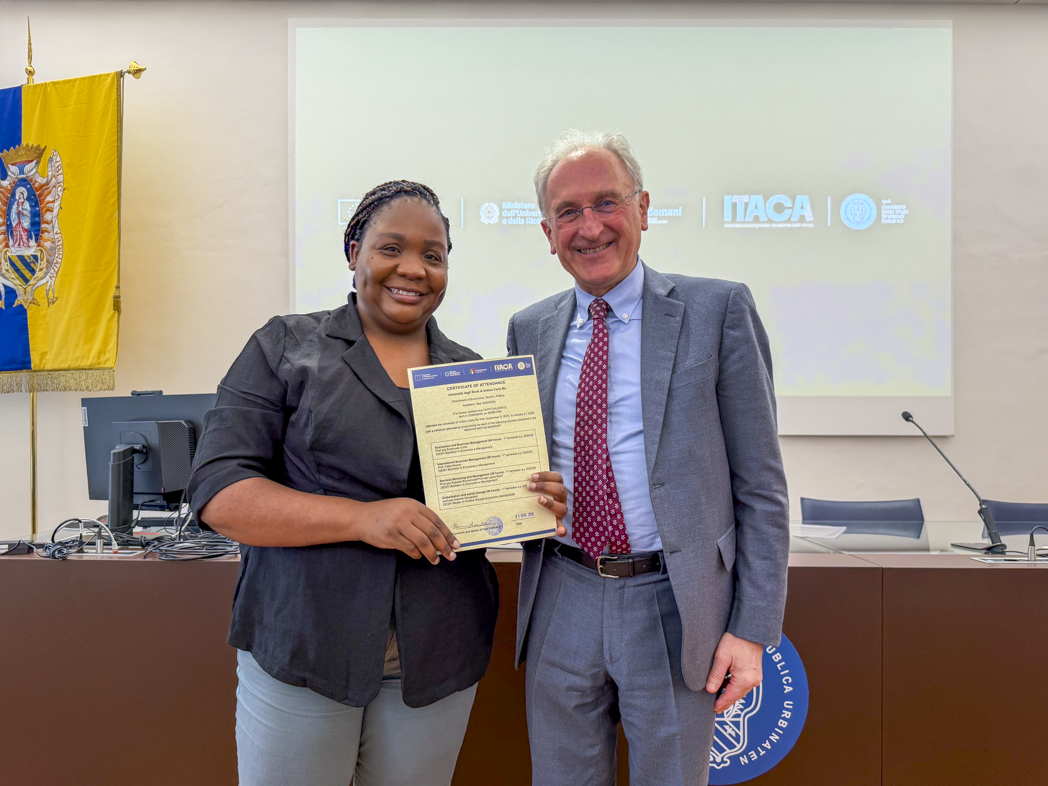
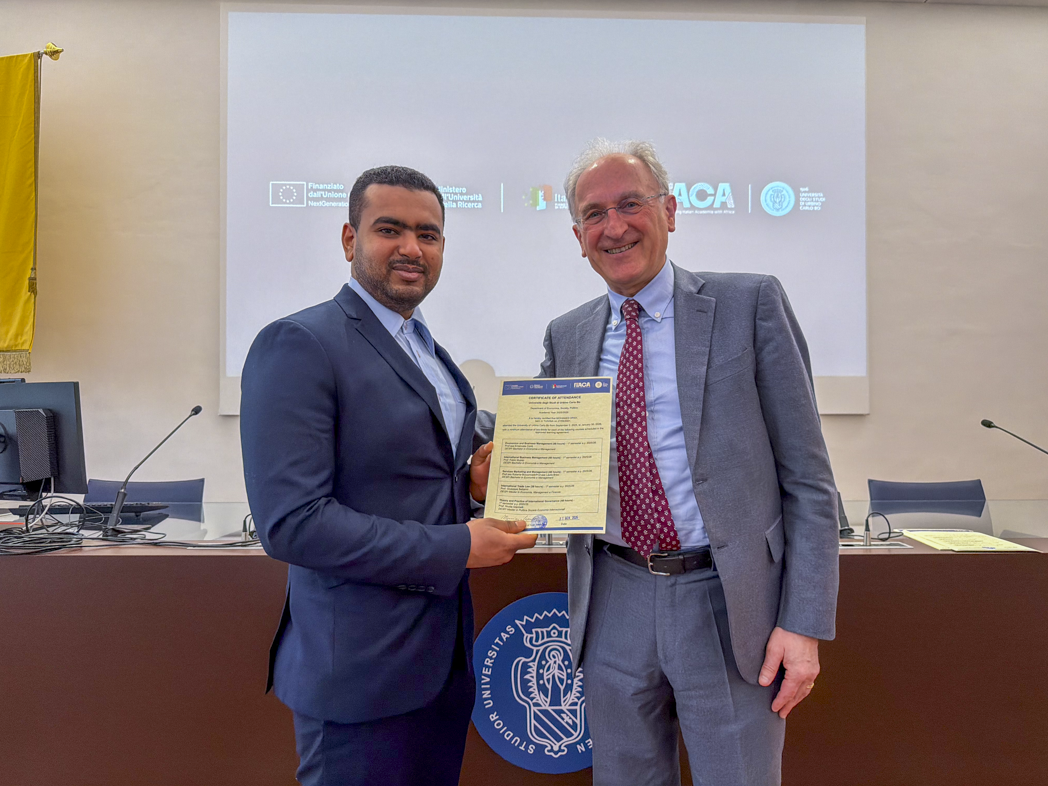
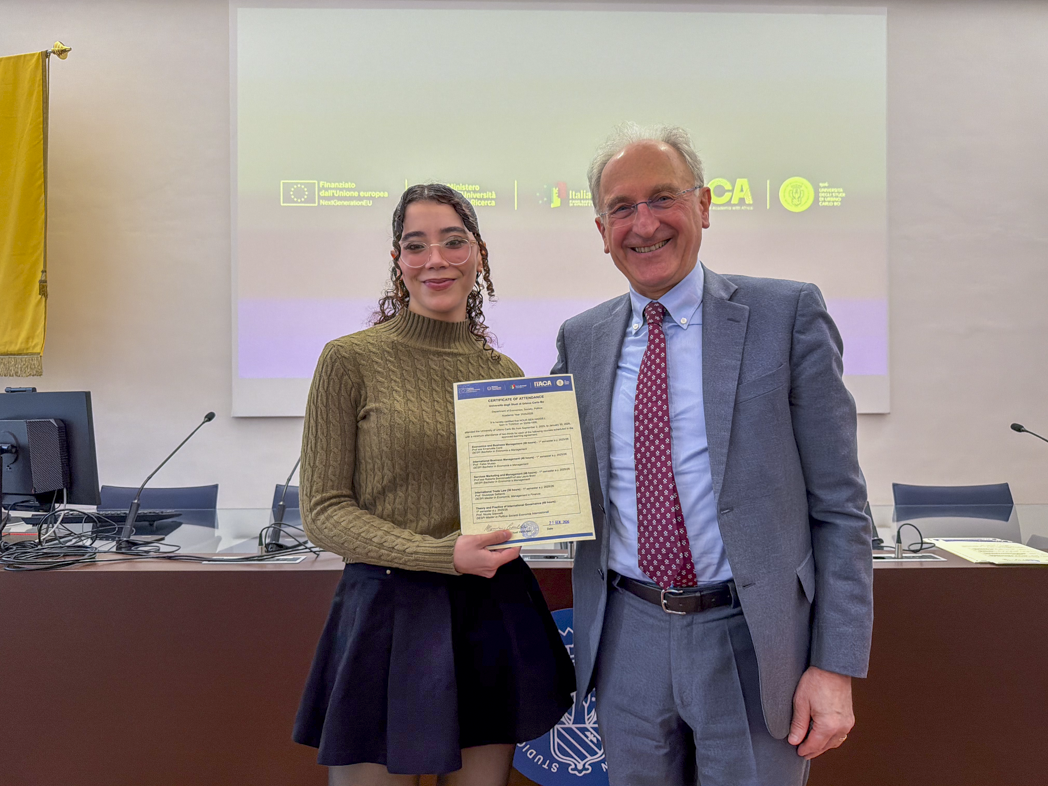
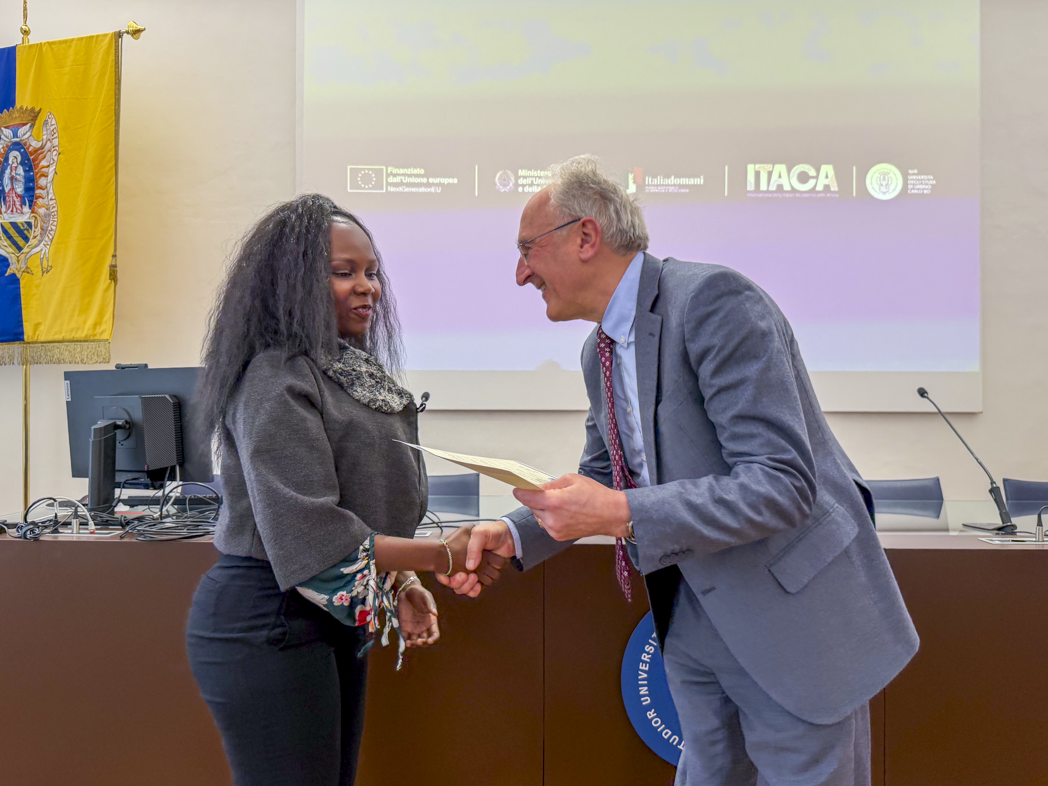
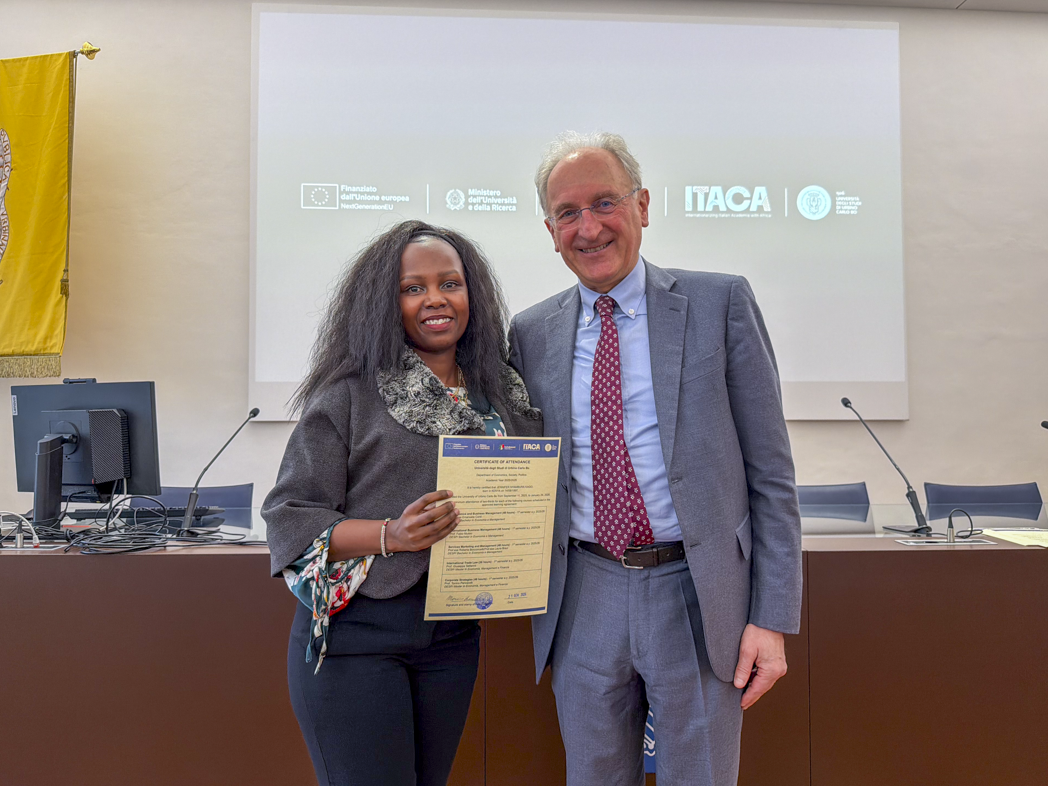
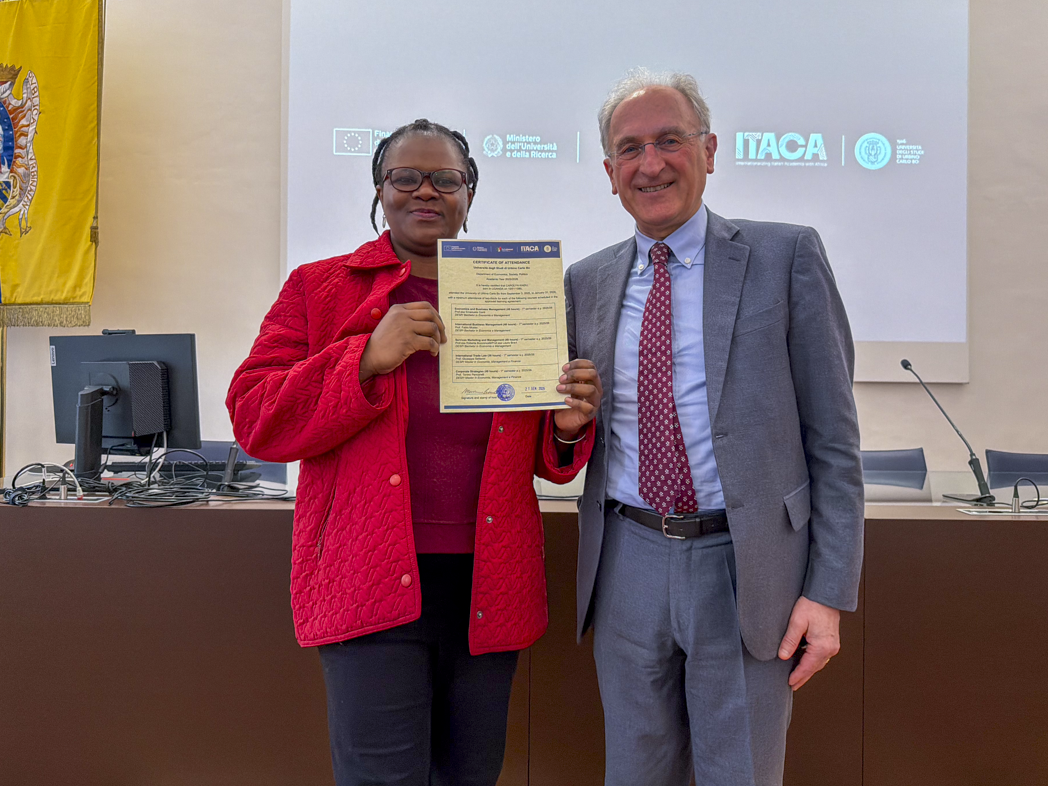
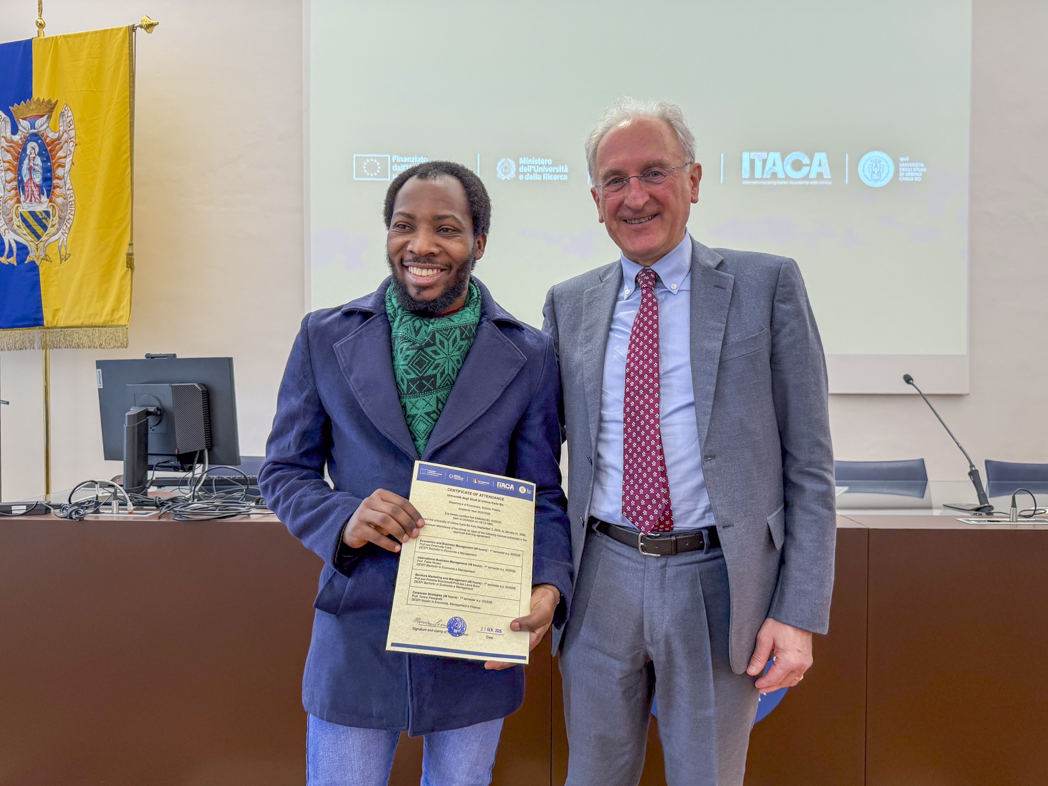
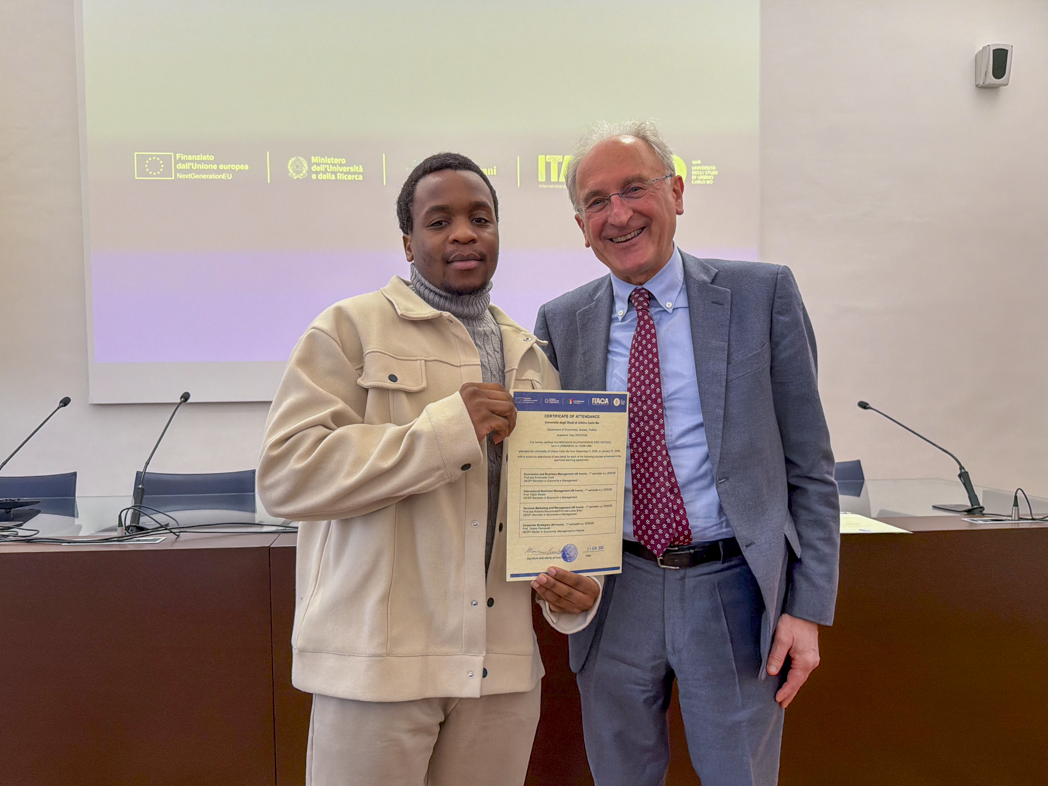
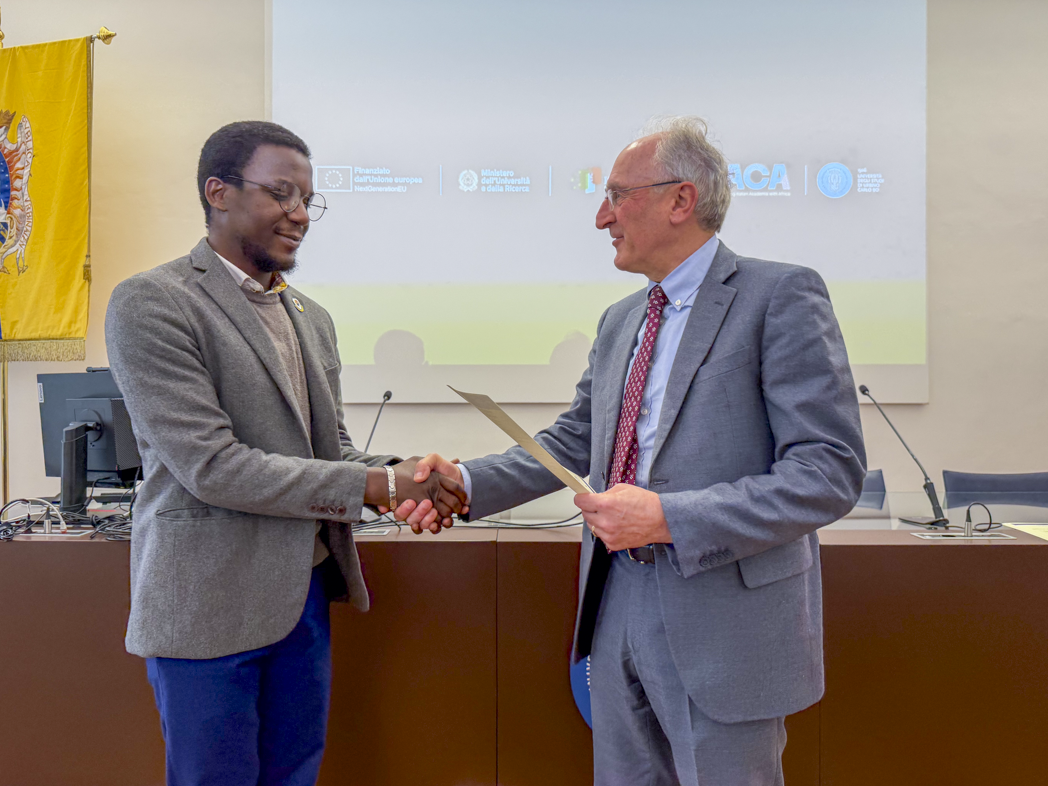
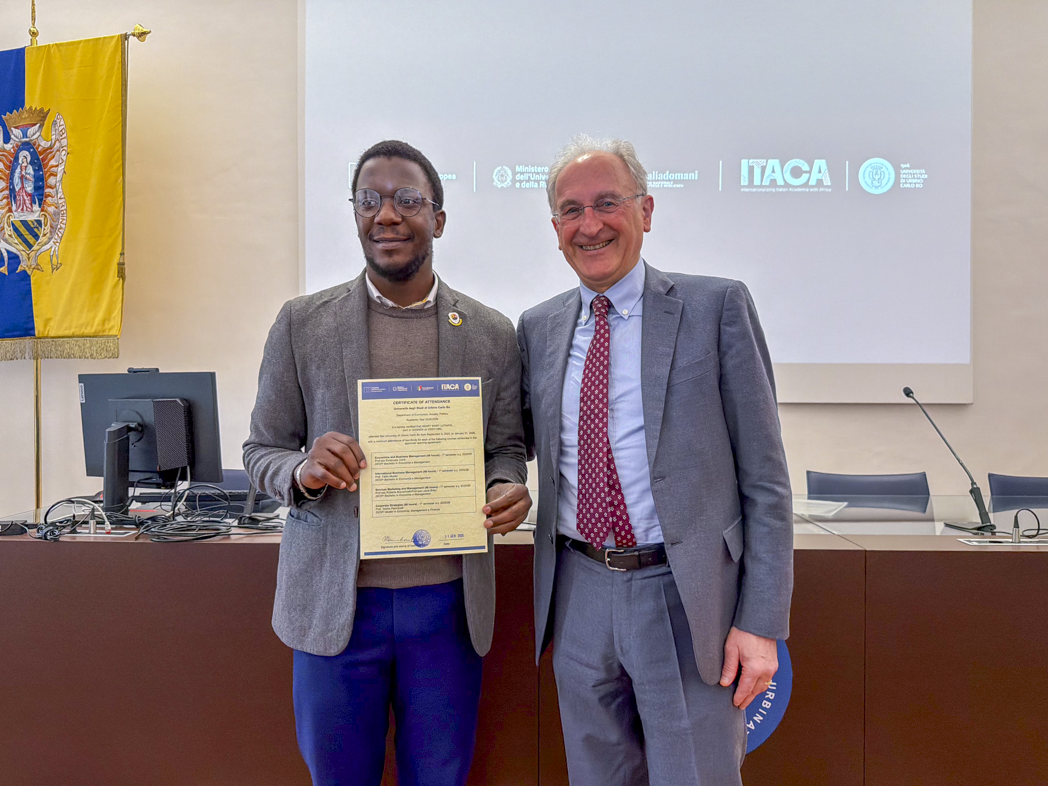
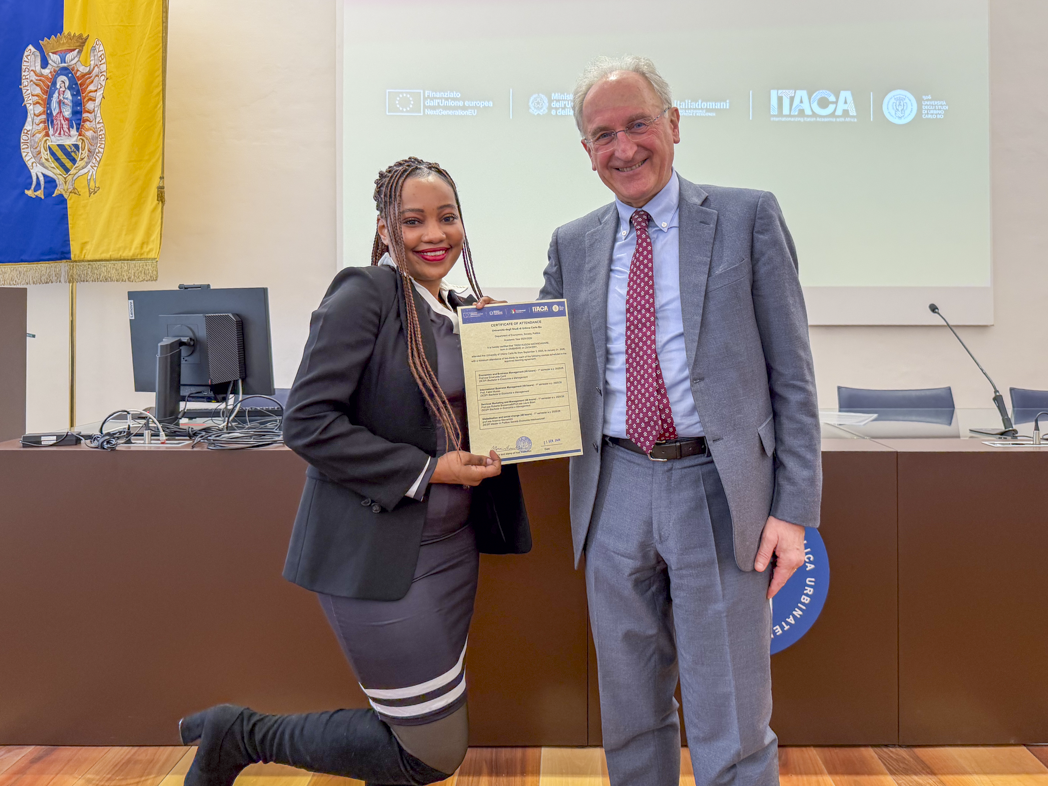
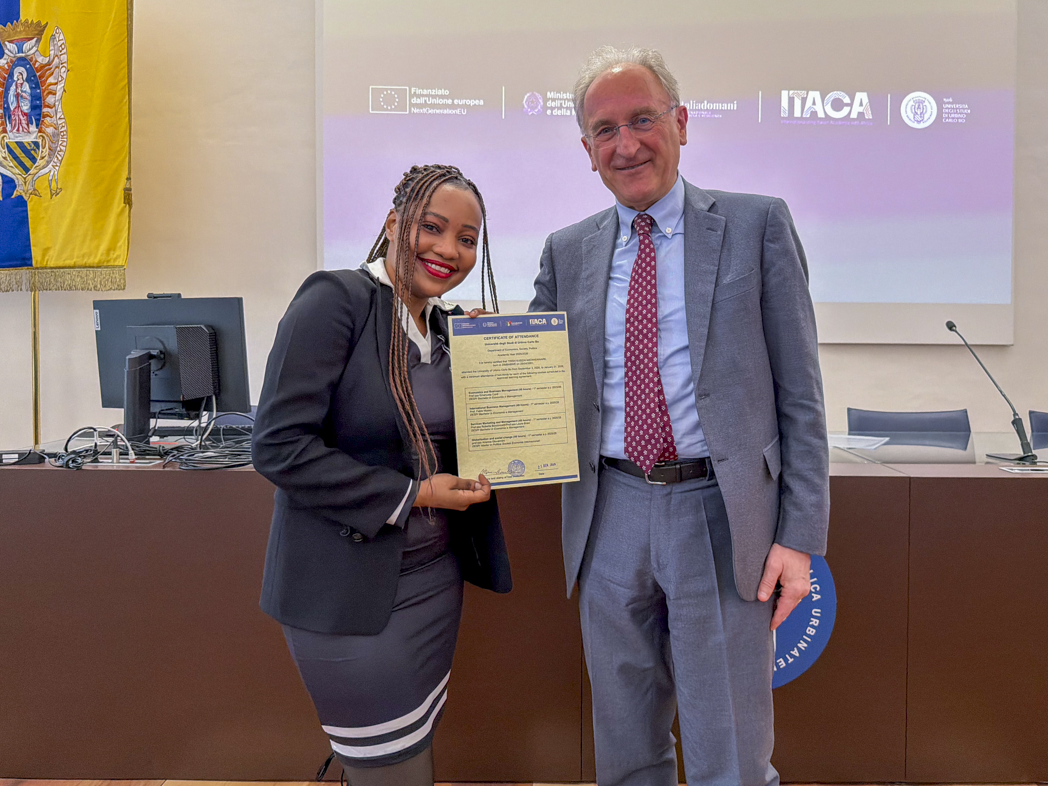
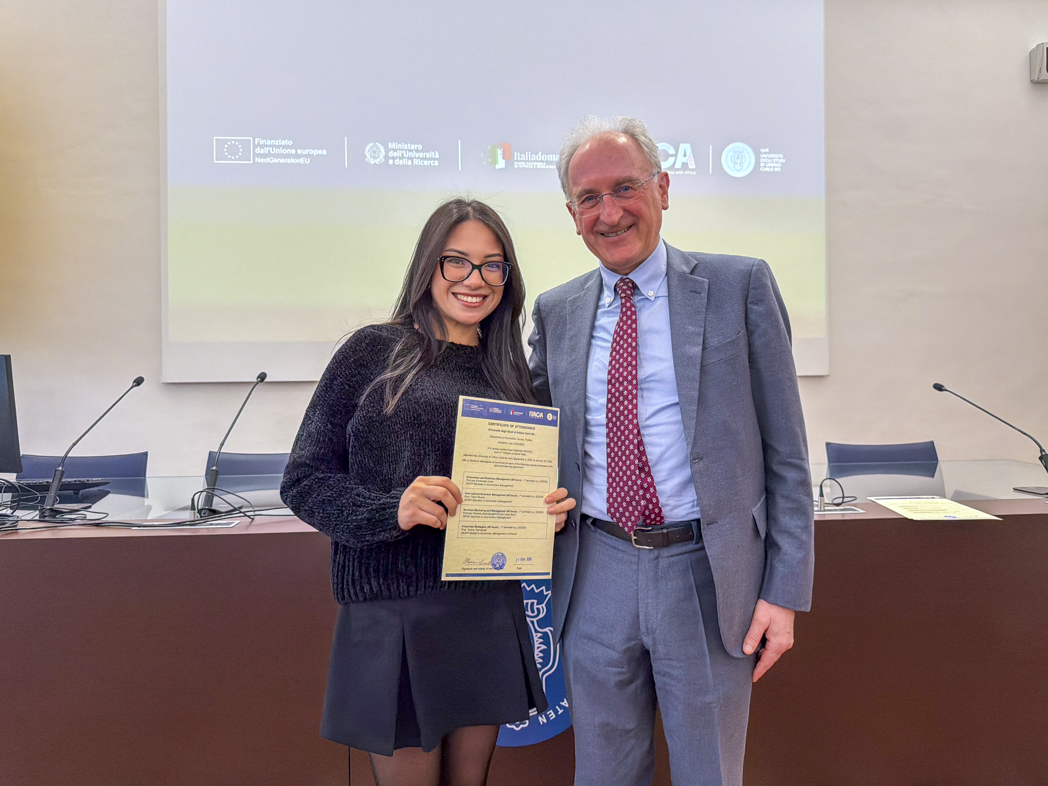
Awarding certifications to winter school students

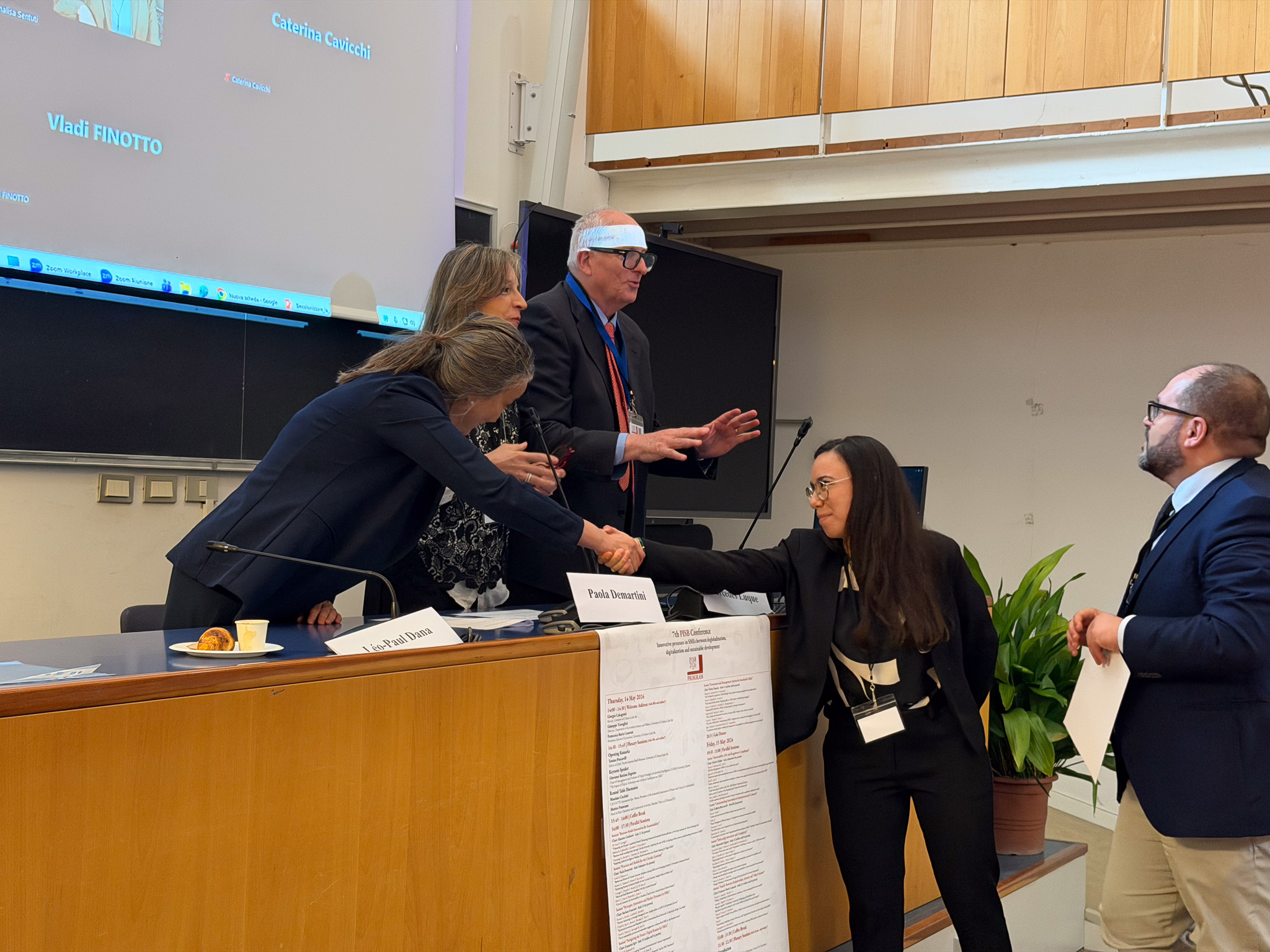
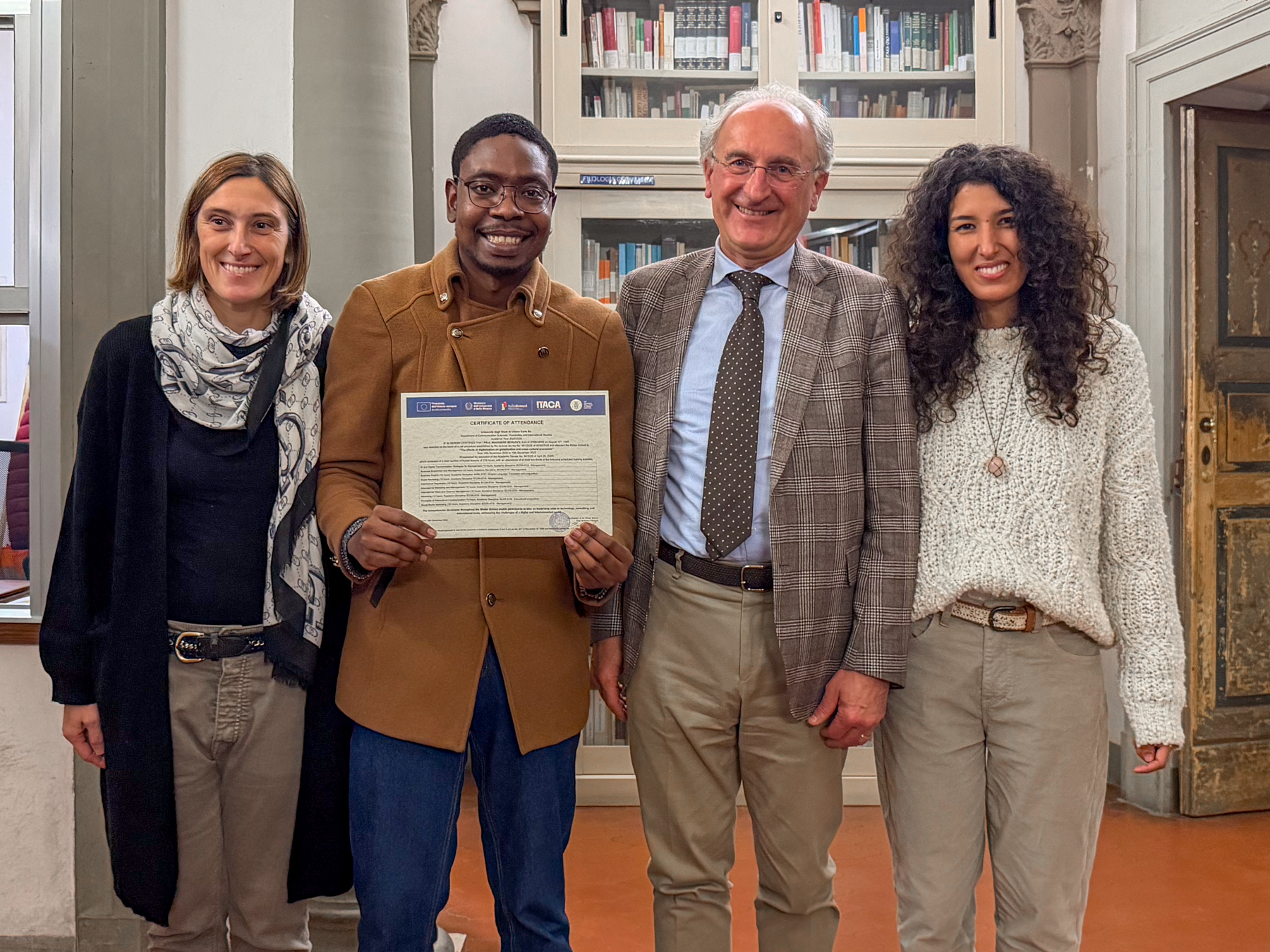
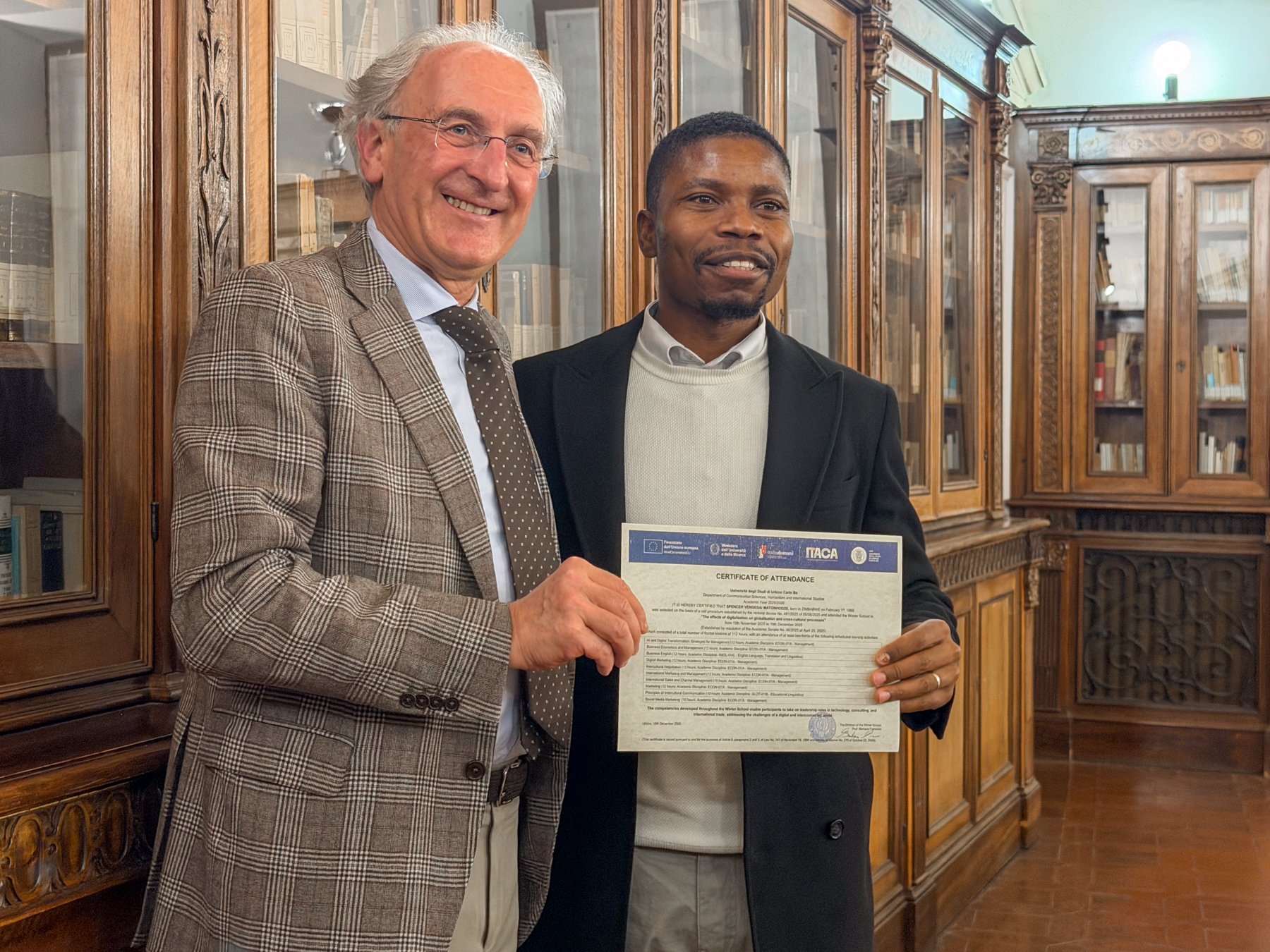
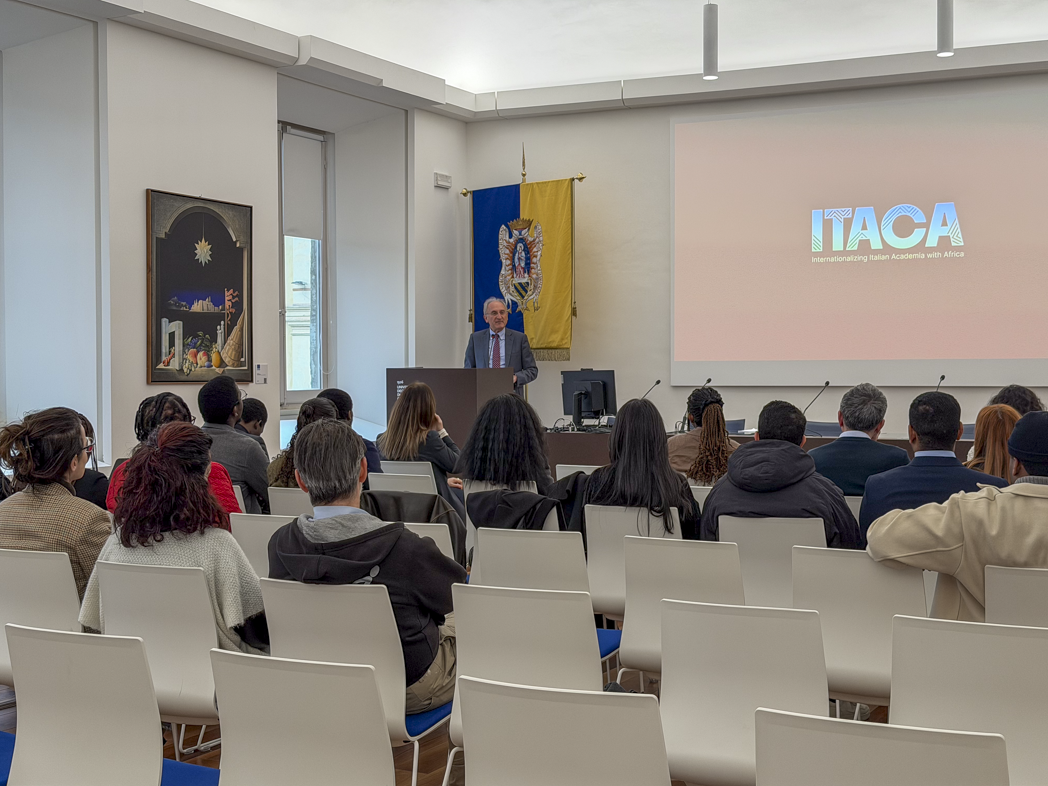
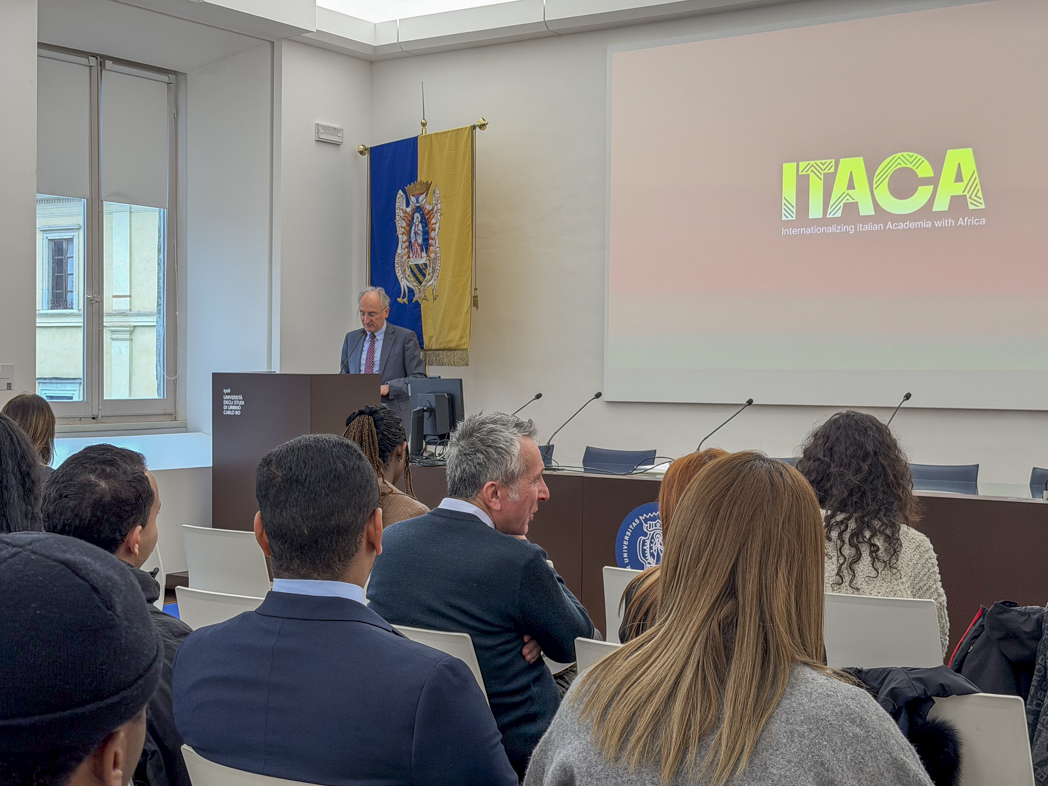
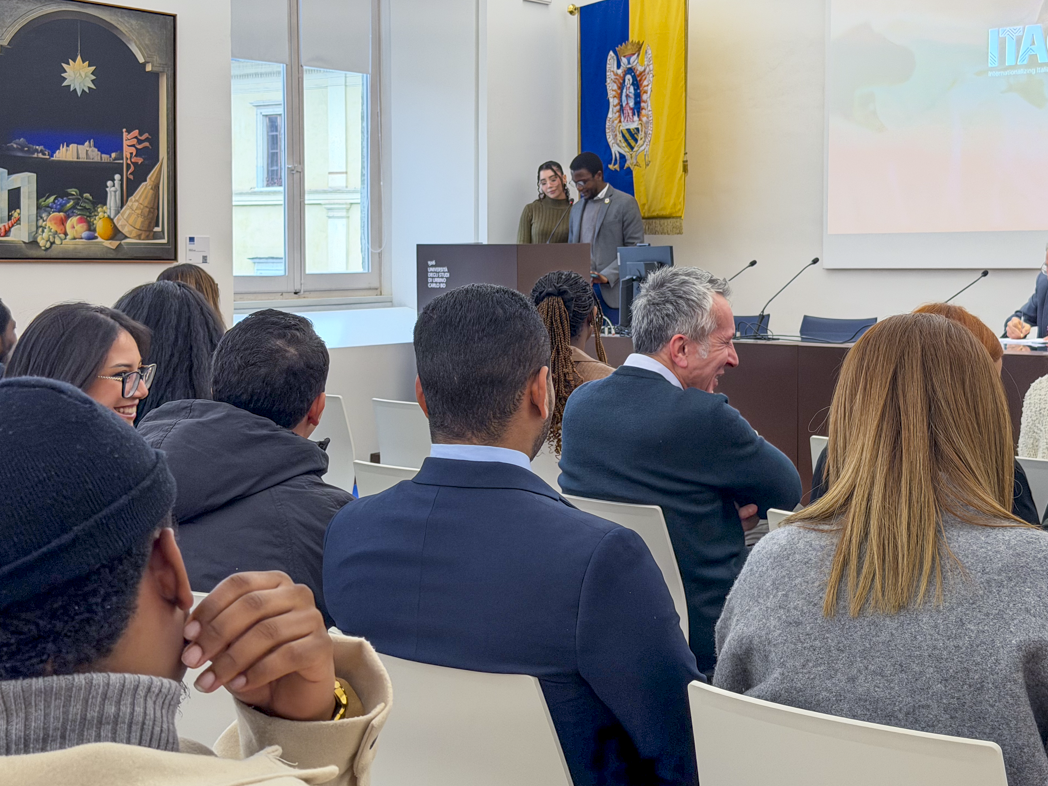
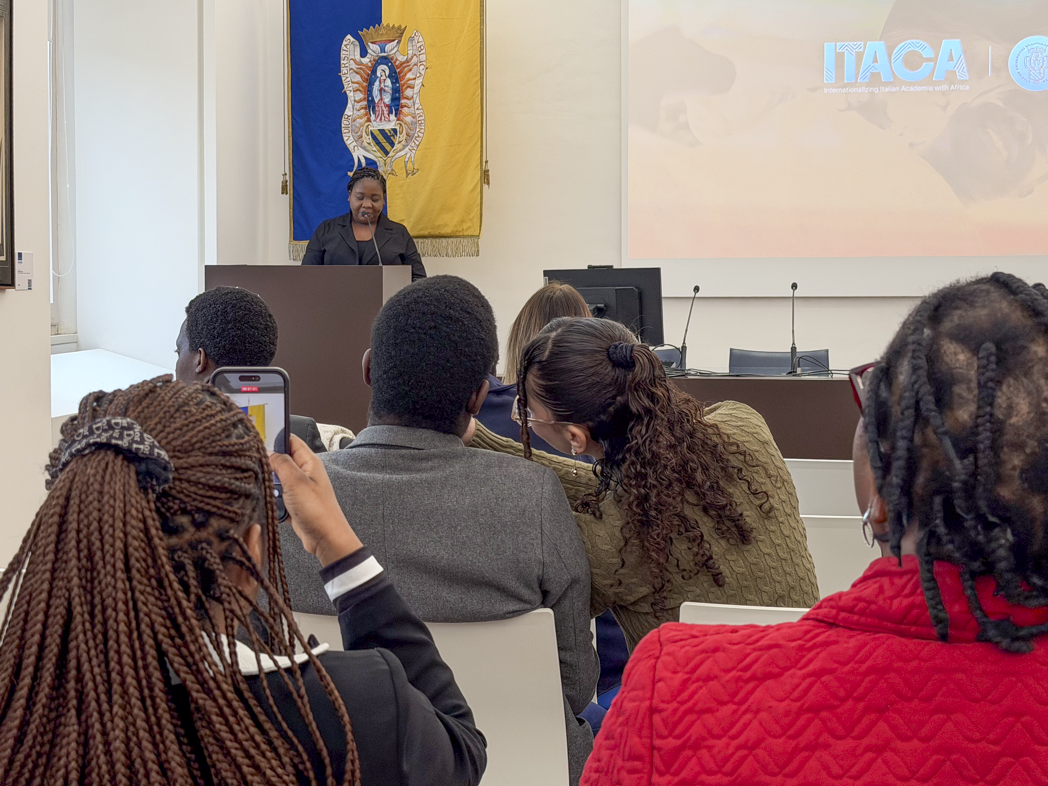
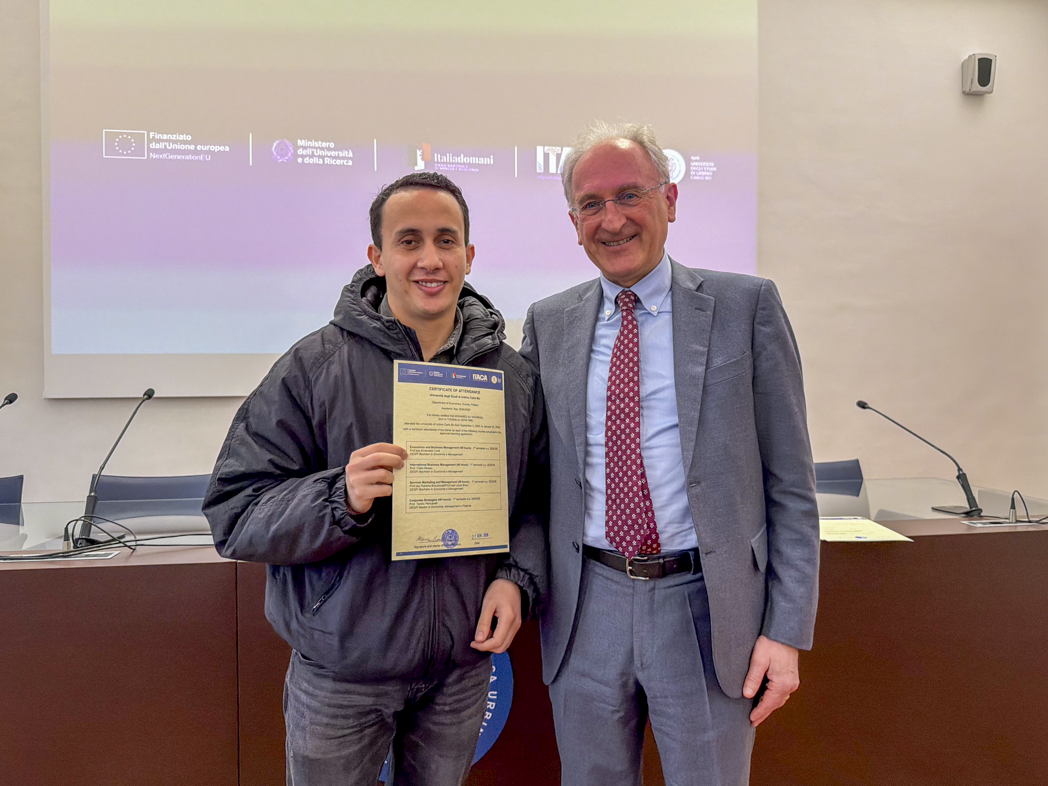
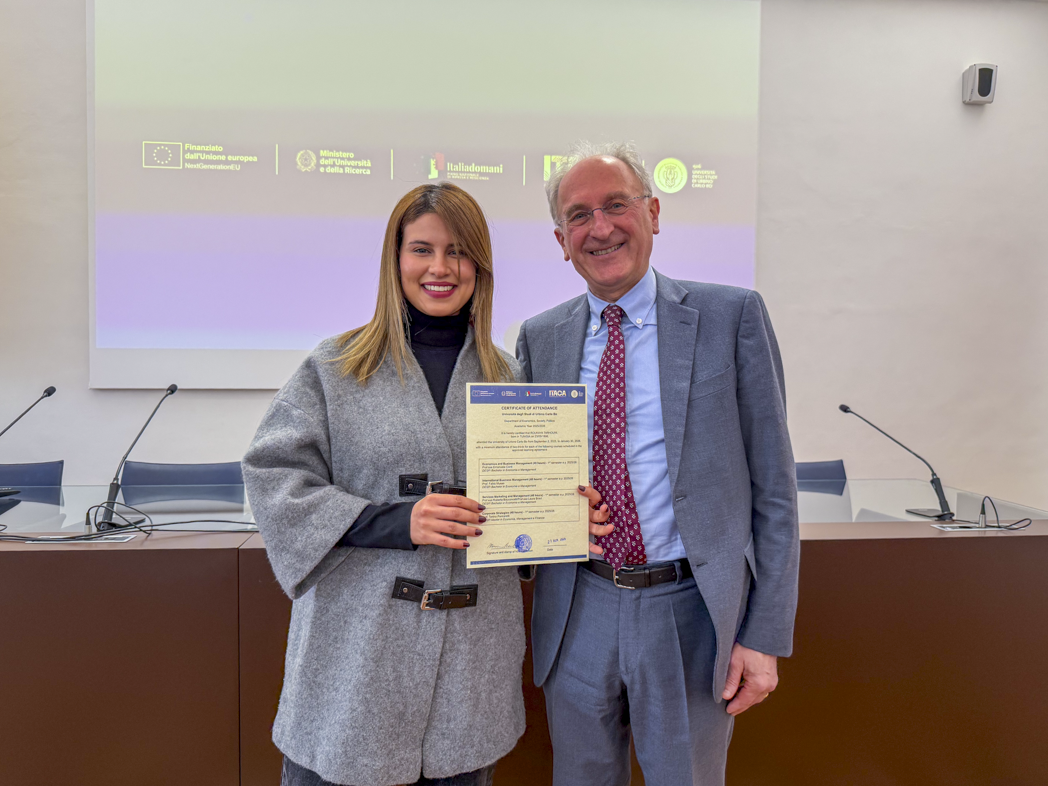
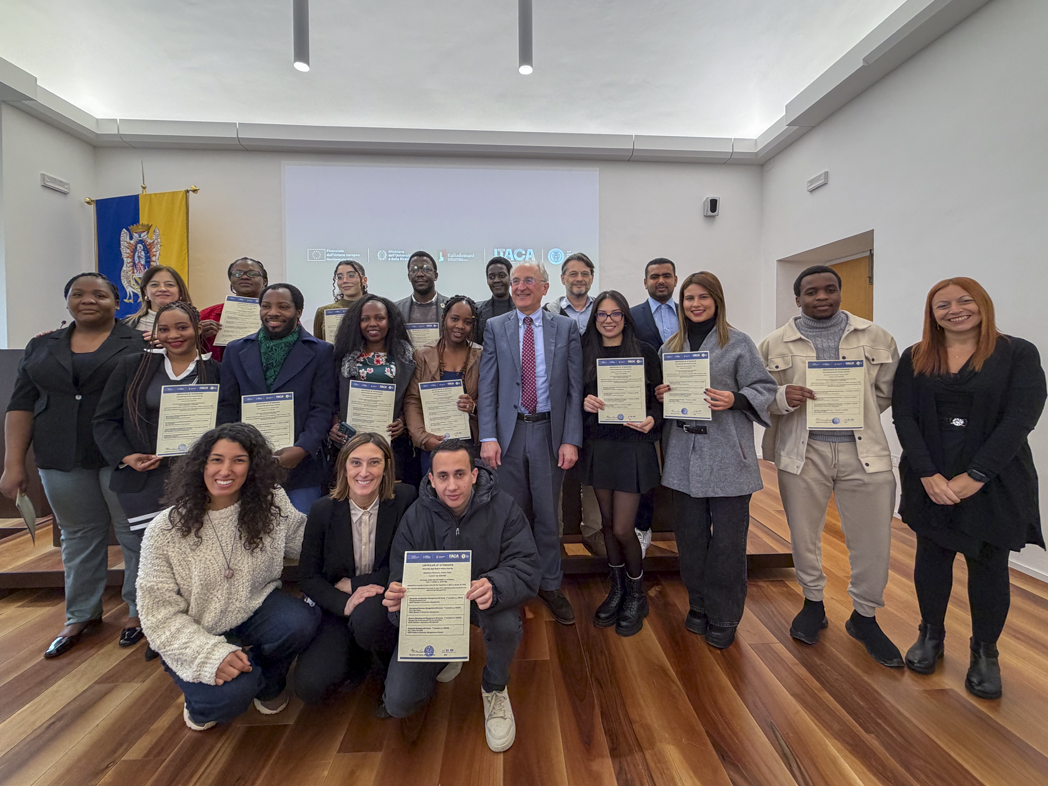
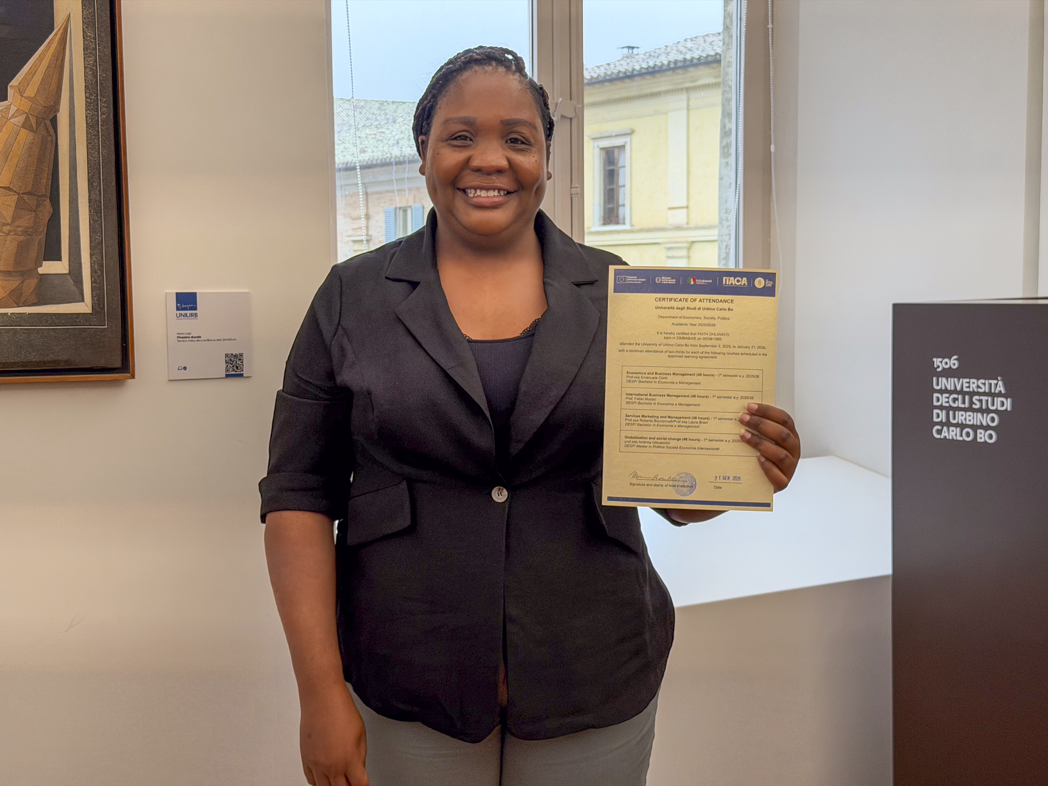
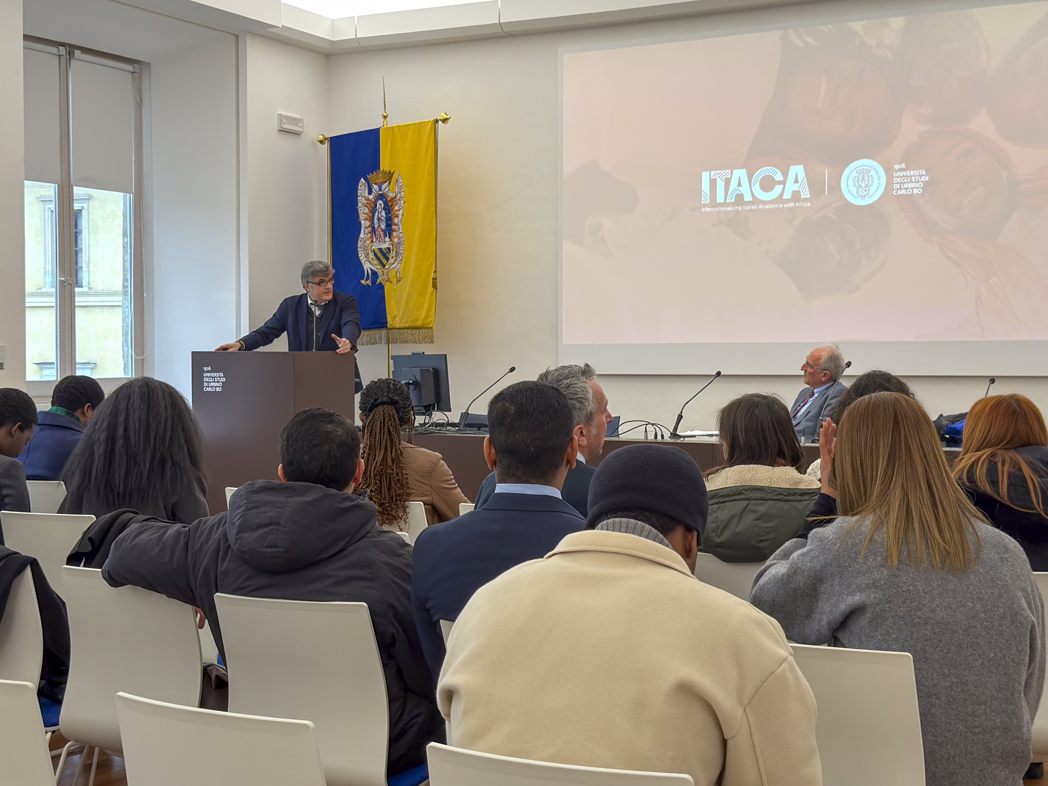
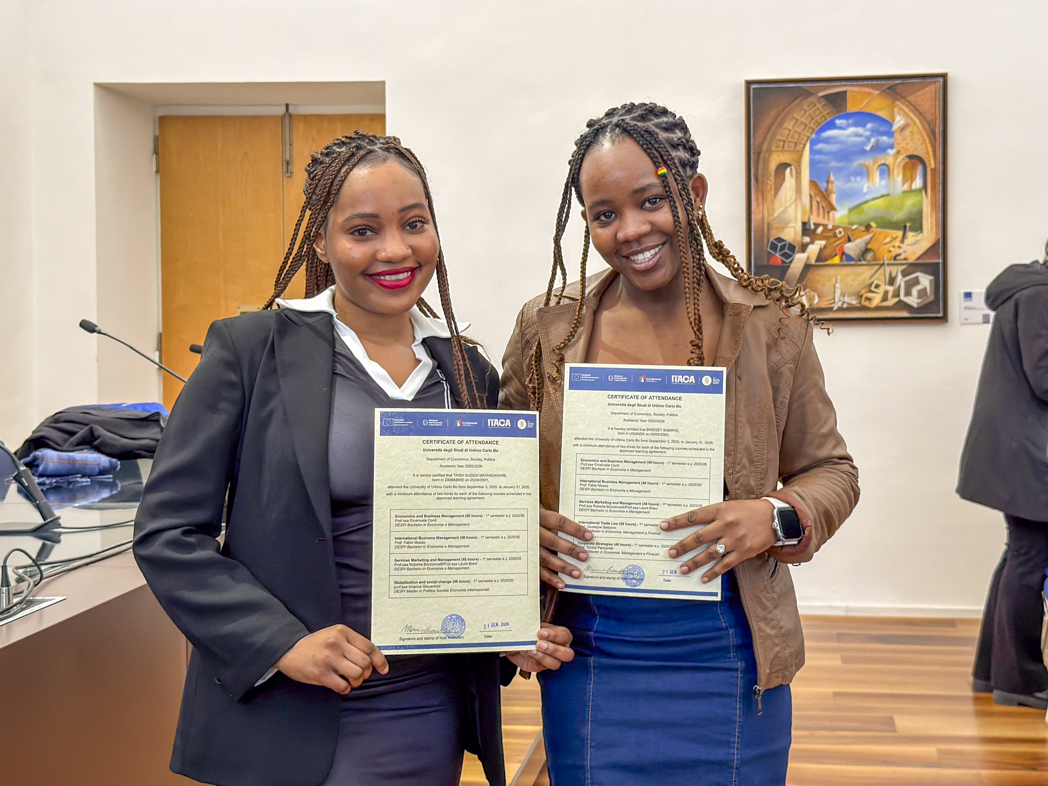
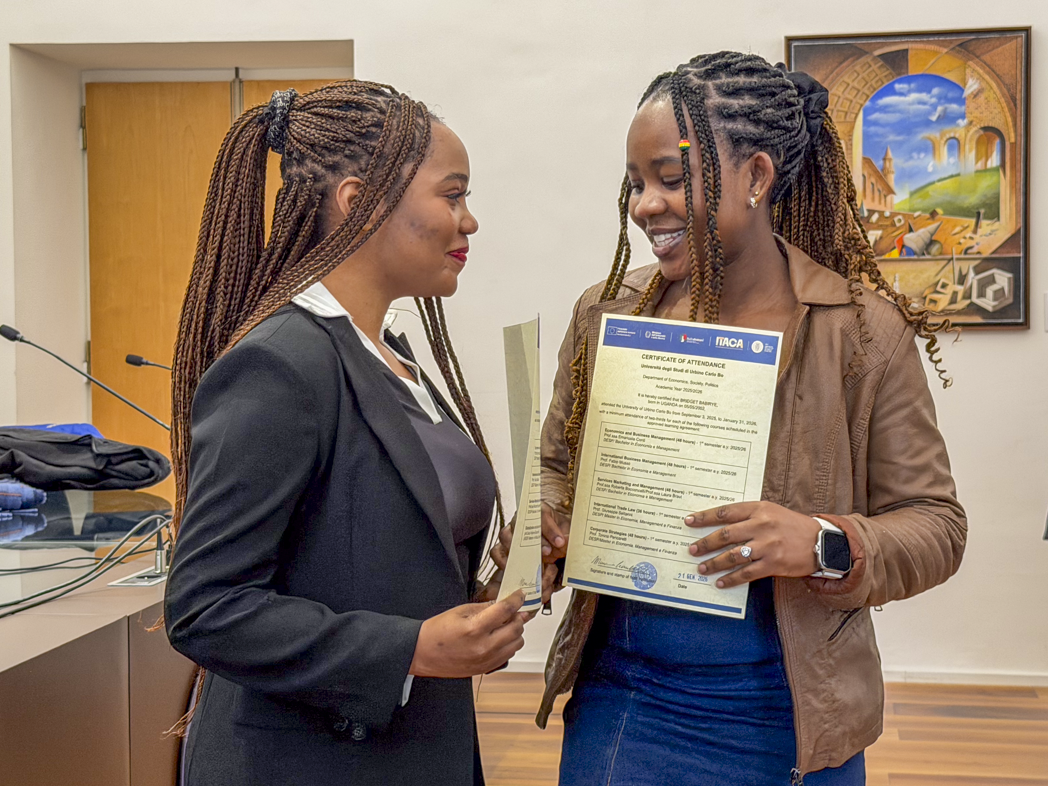
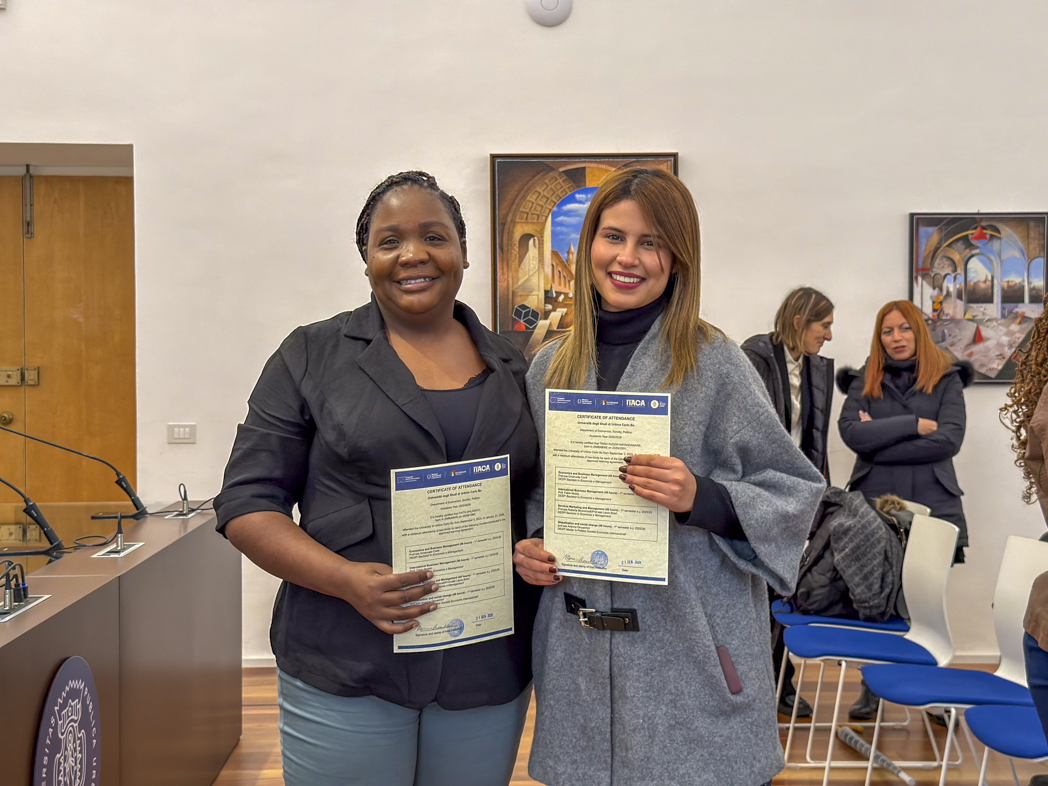
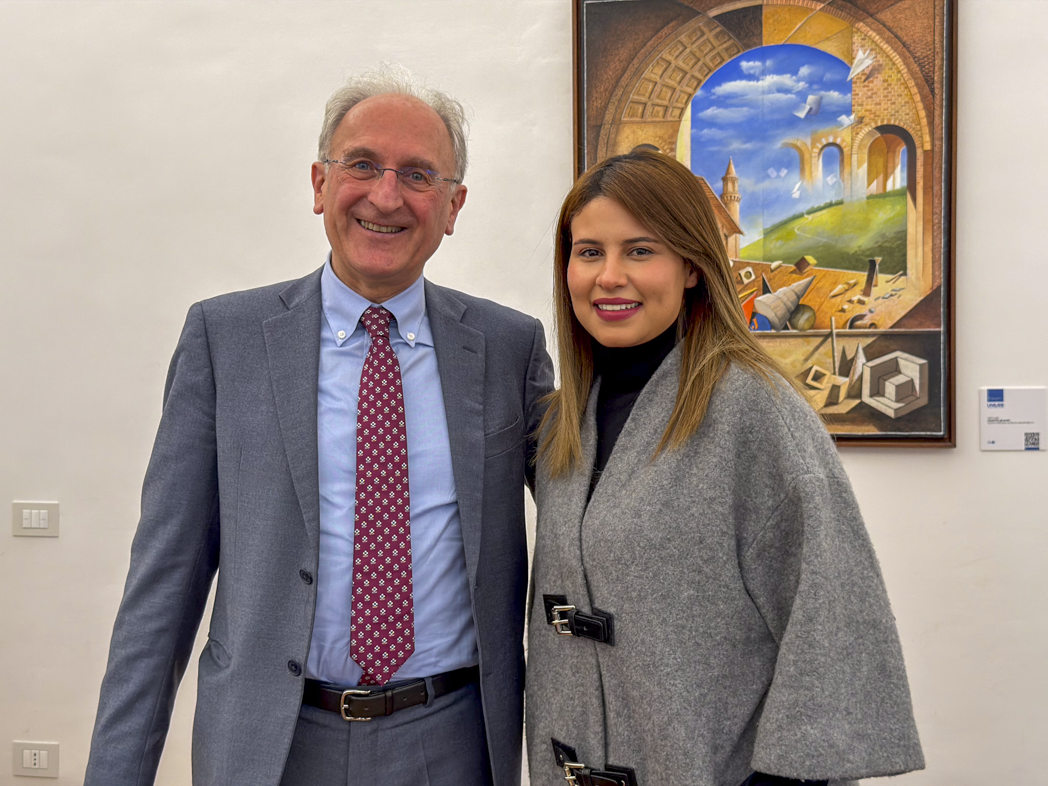
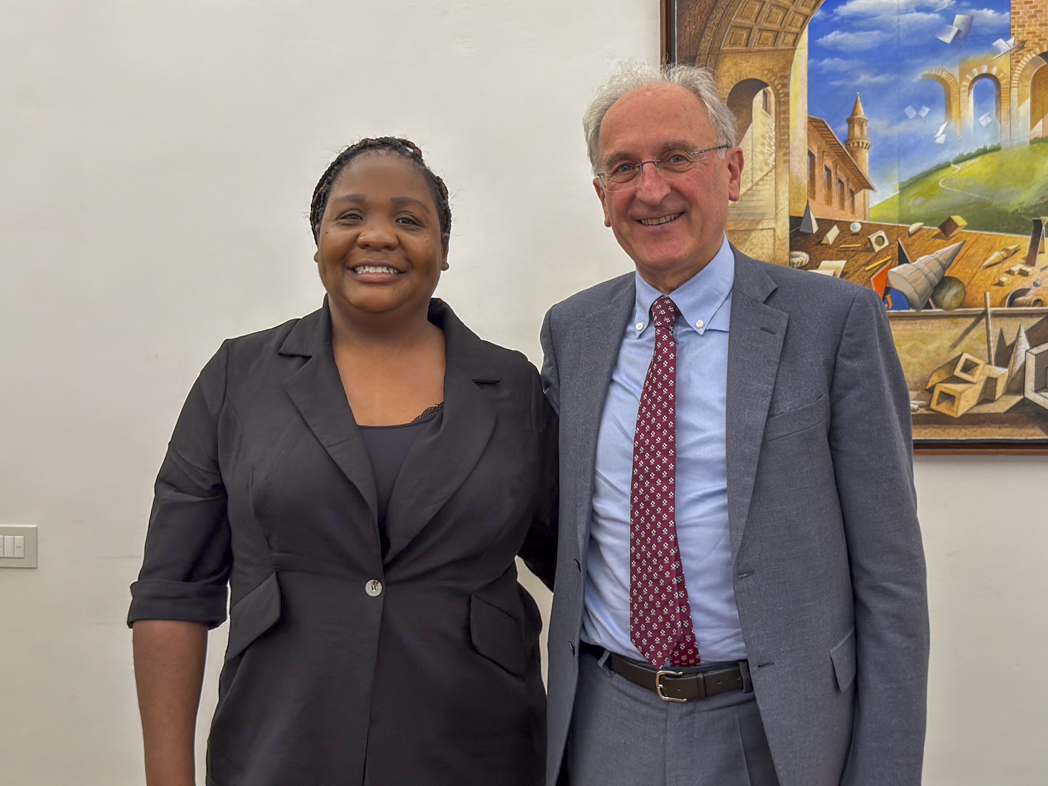
The presentation of certificates to the students of the ITACA Project Winter School represented a particularly valuable final moment. The meeting took place in the presence of the project coordinator, teachers, and students, in a climate of sharing and satisfaction with the training program.

Ceremony for the awarding of ITACA Project certificates

On January 21, 2026, the certificate awarding ceremony took place to the students who participated in the Itaca Project, an important initiative included in the university curriculum.
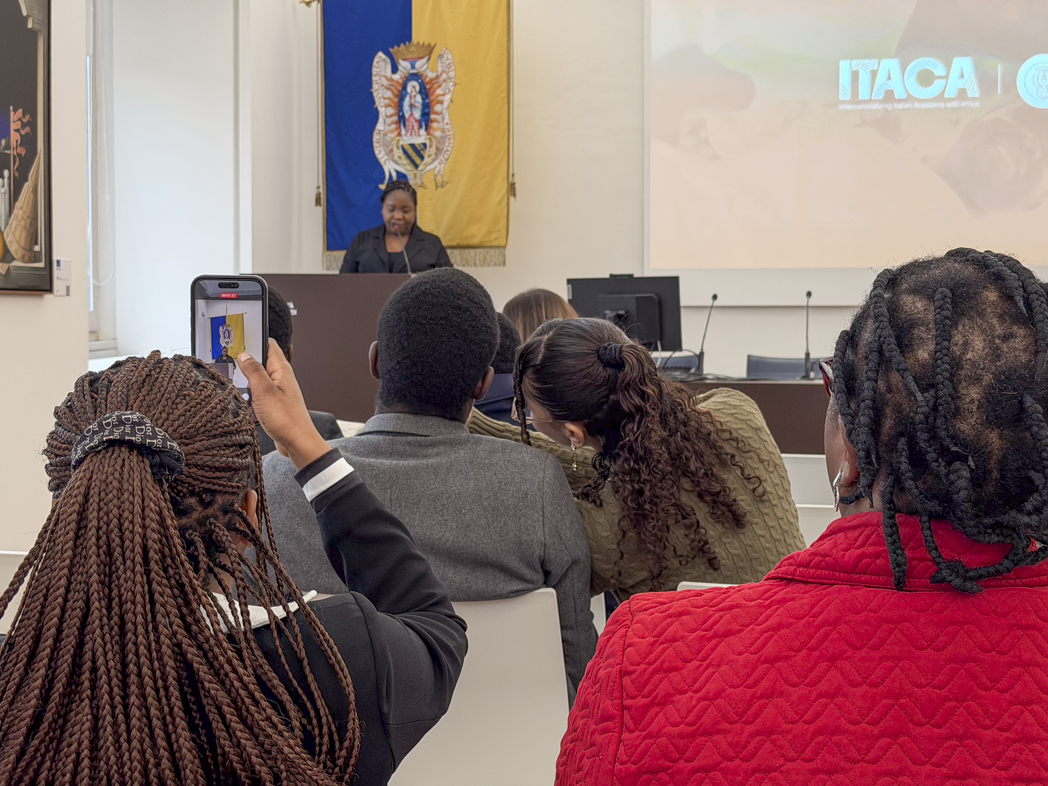
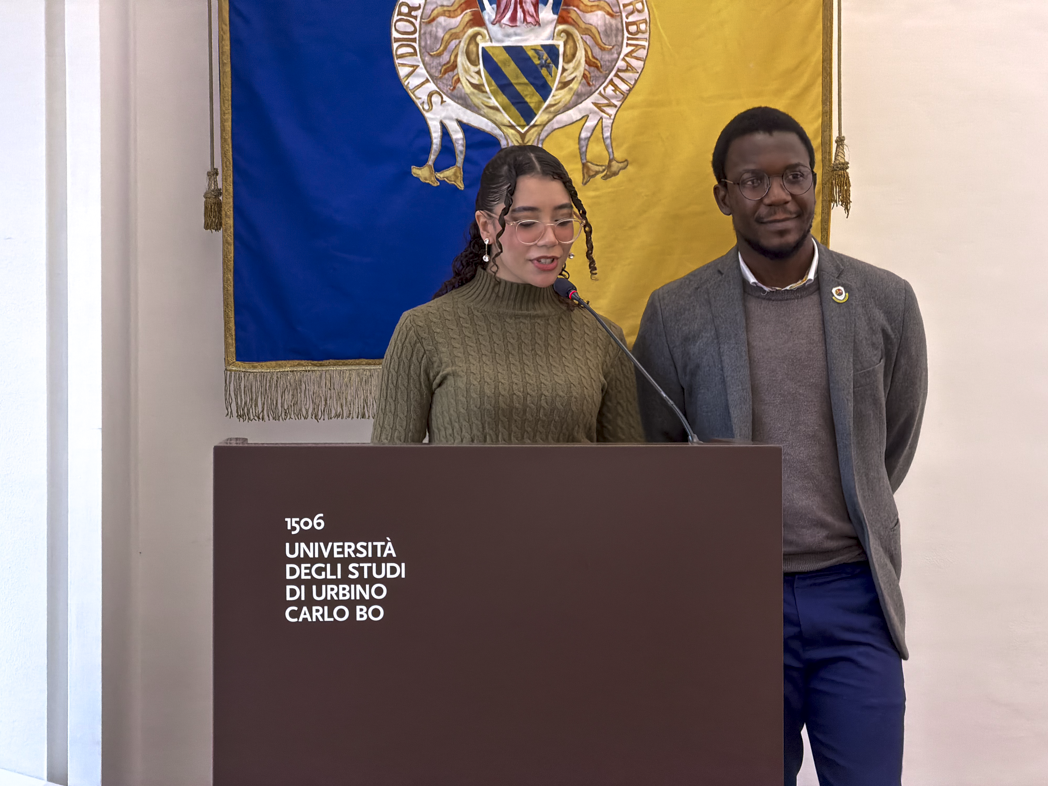
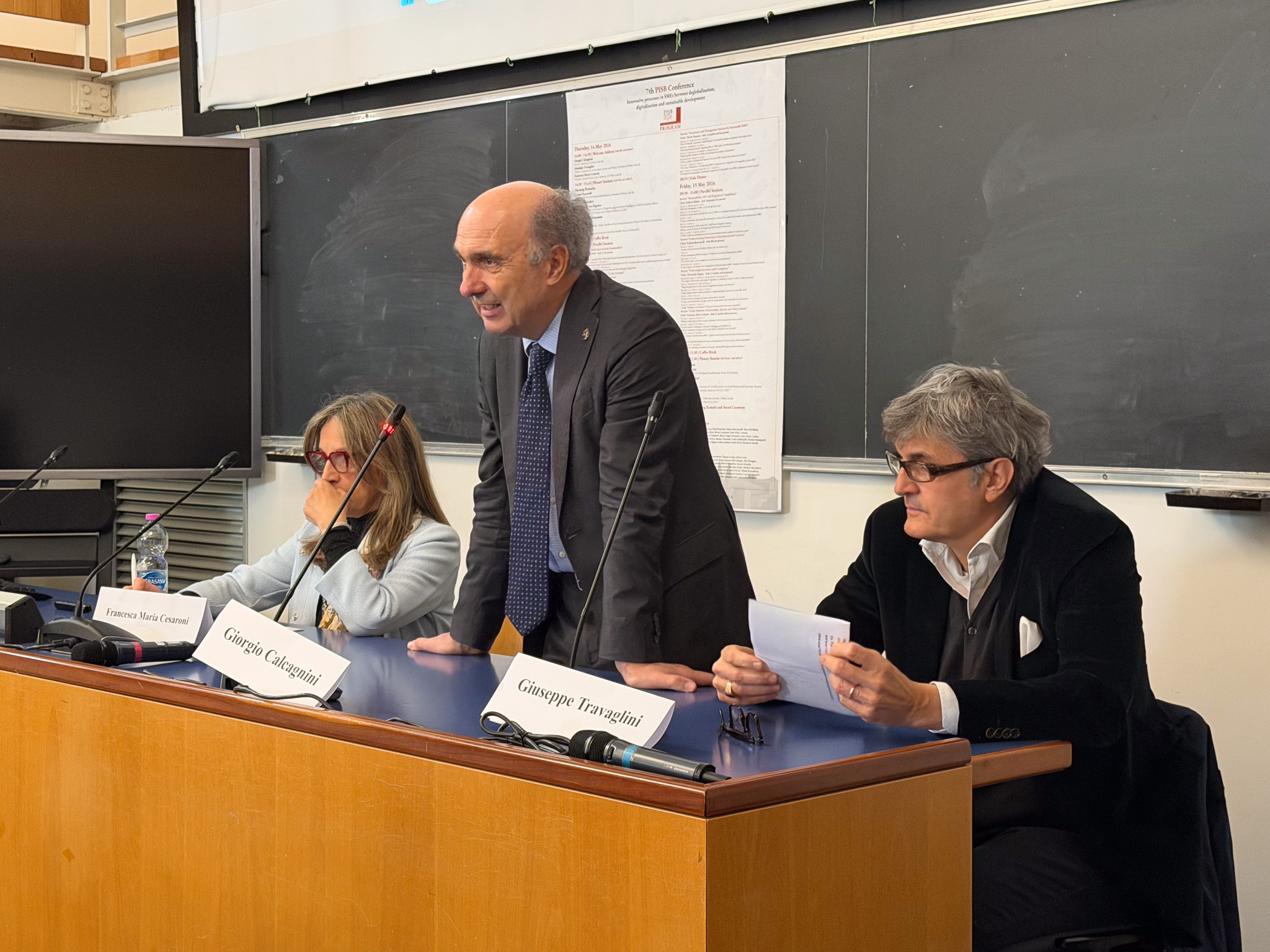
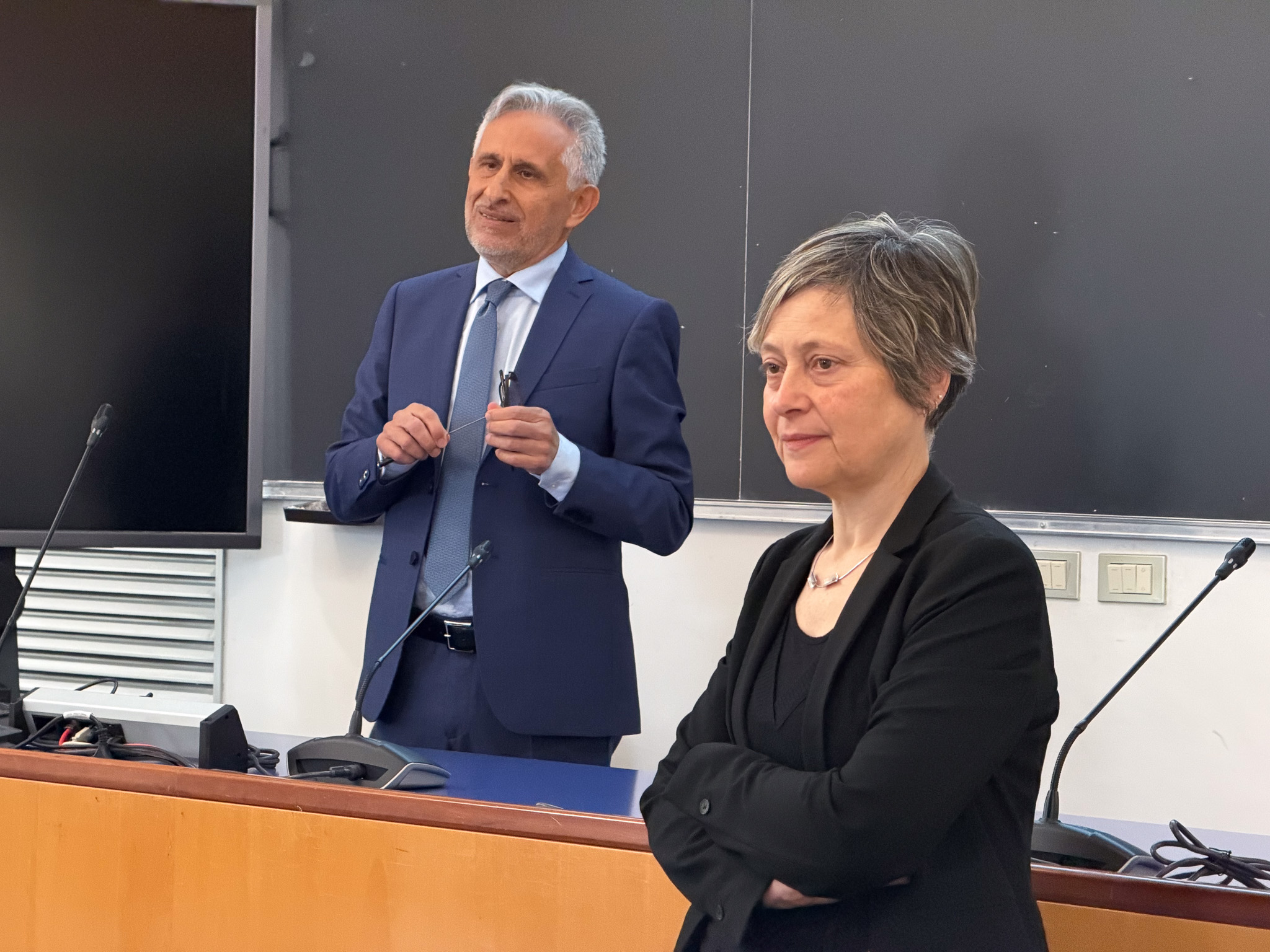
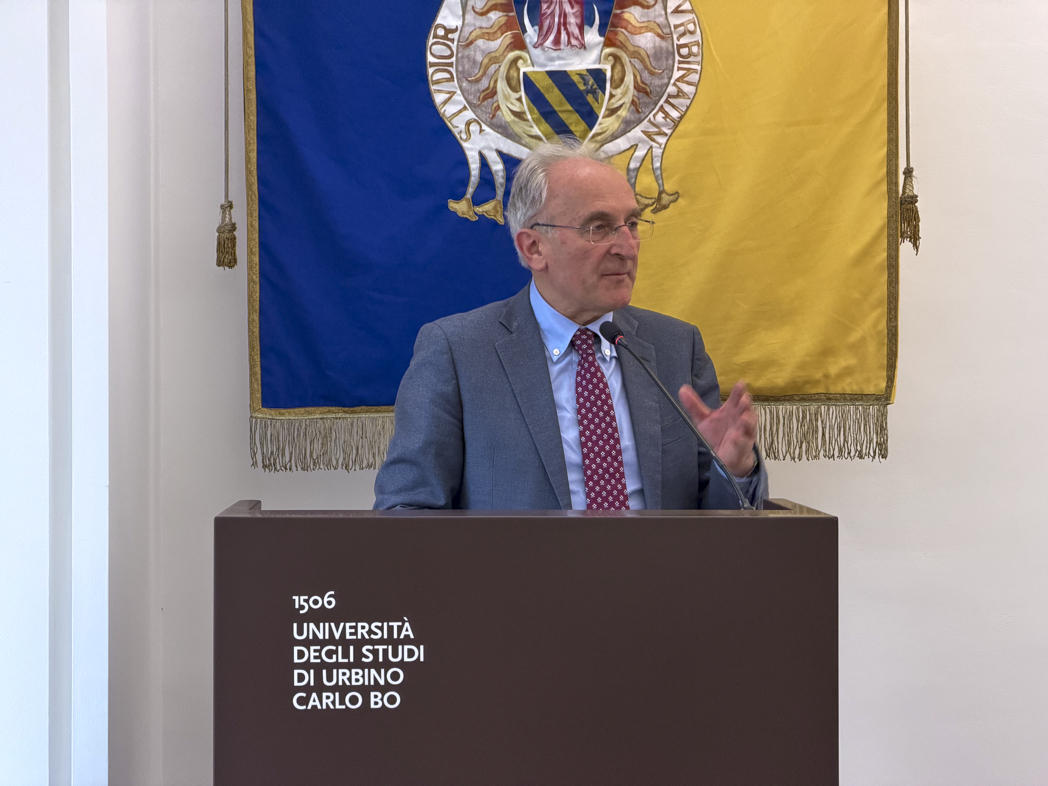
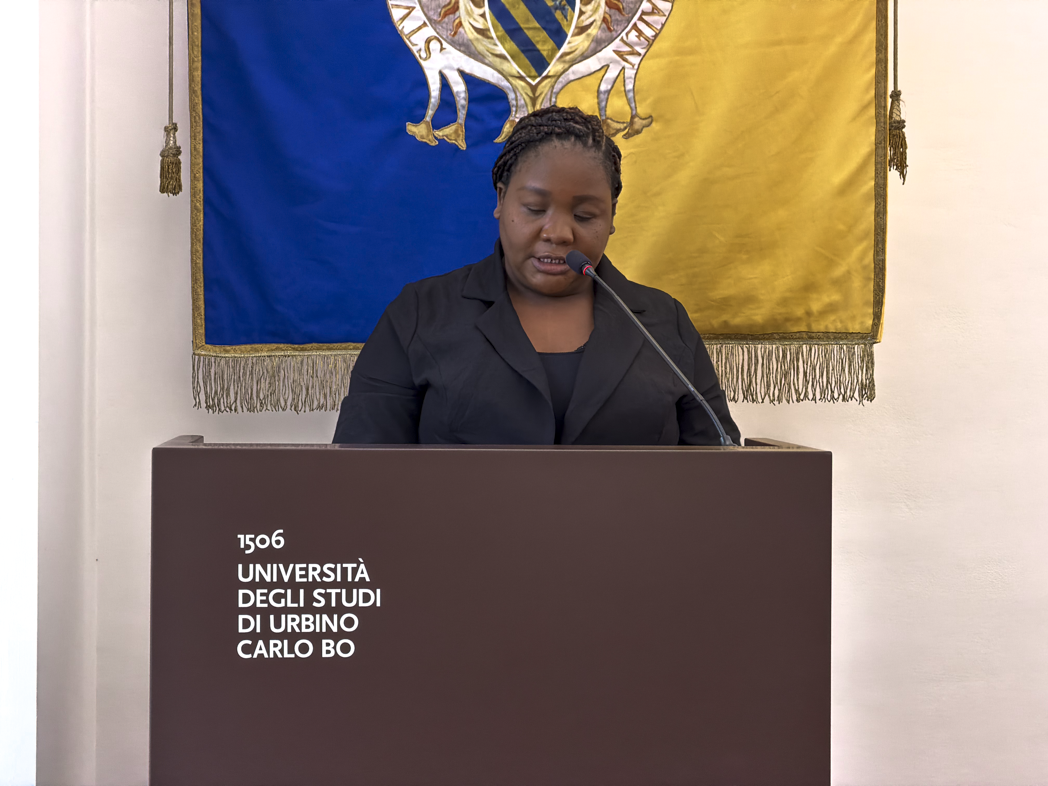
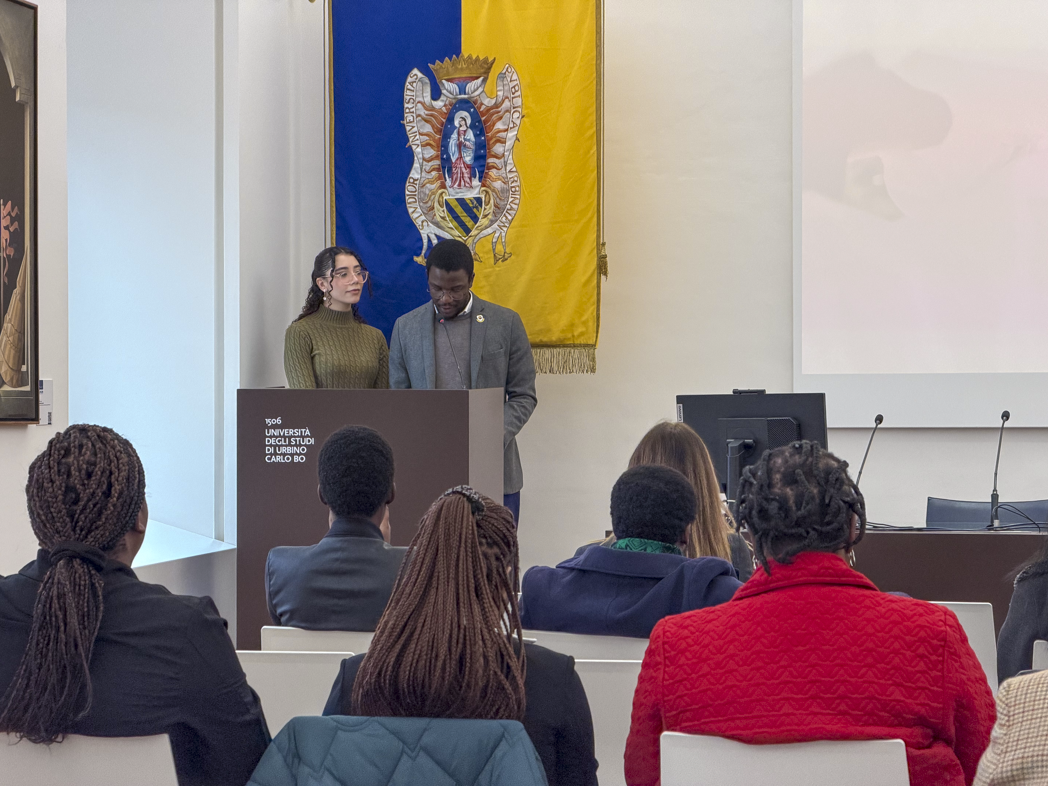
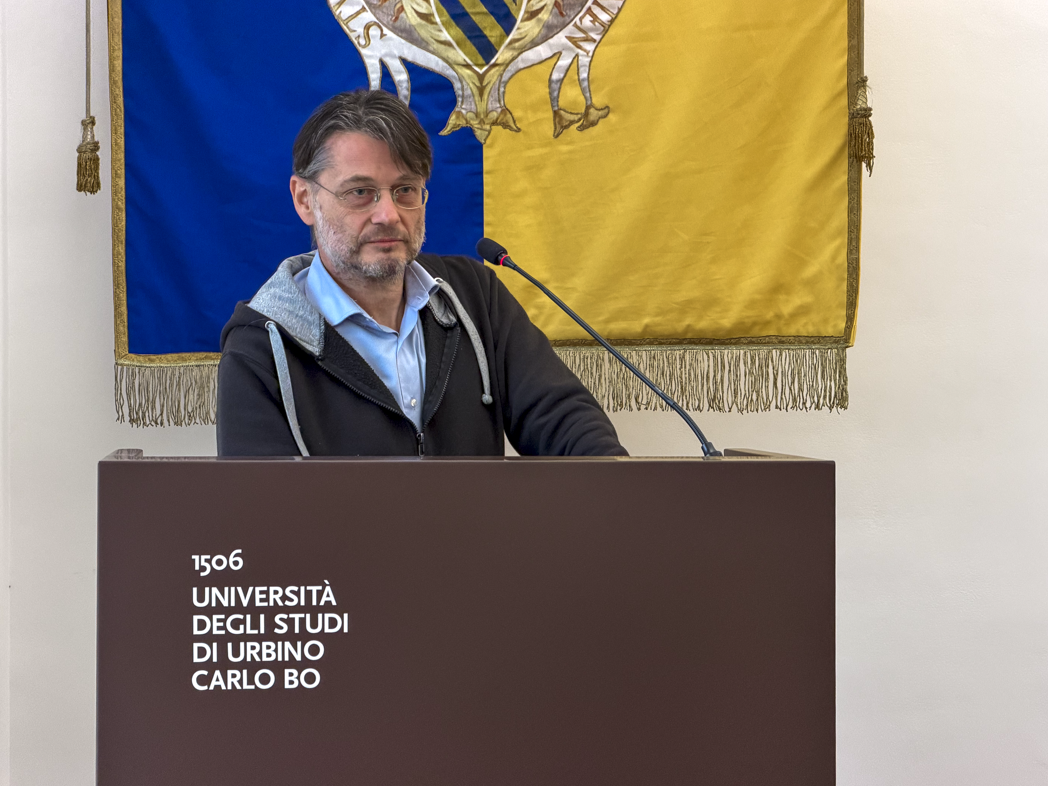
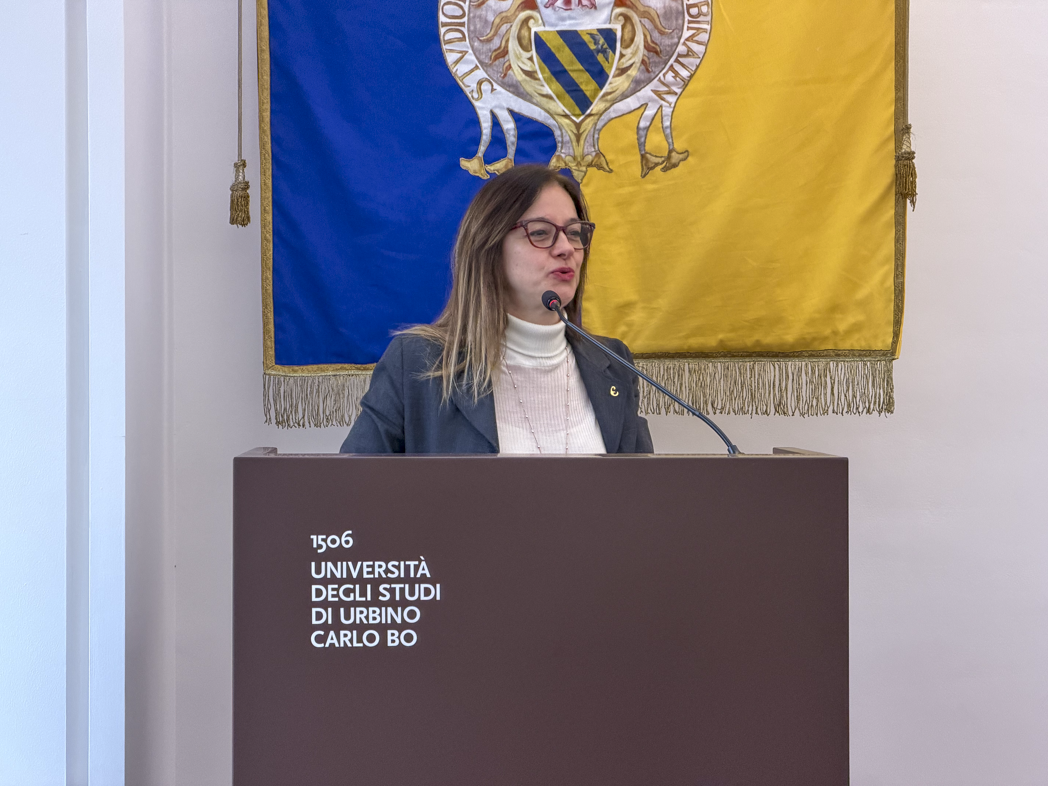
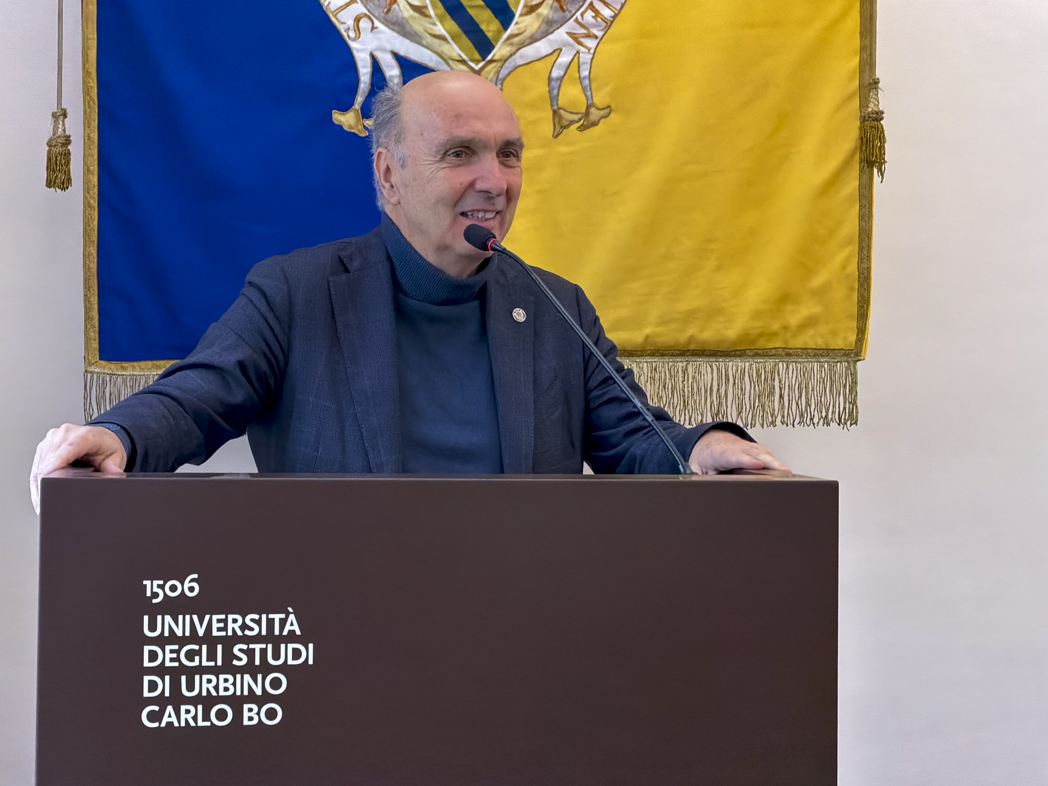
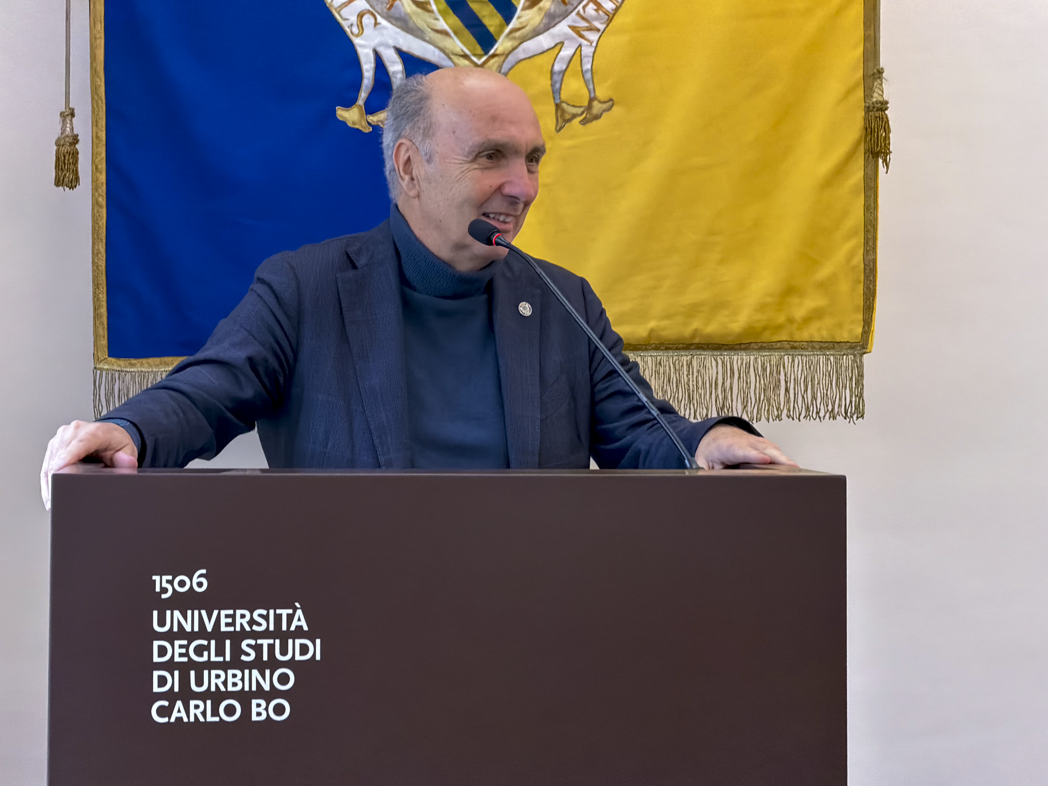
During the event, speakers included the Rector, Giorgio Calcagnini, the Director of the Department, Giuseppe Travaglini, the project coordinator, Massimo Ciambotti, Lucia Bernacchia, member of the technical-administrative staff (PTA) and member of the Ithaca Project working group and the teachers involved.

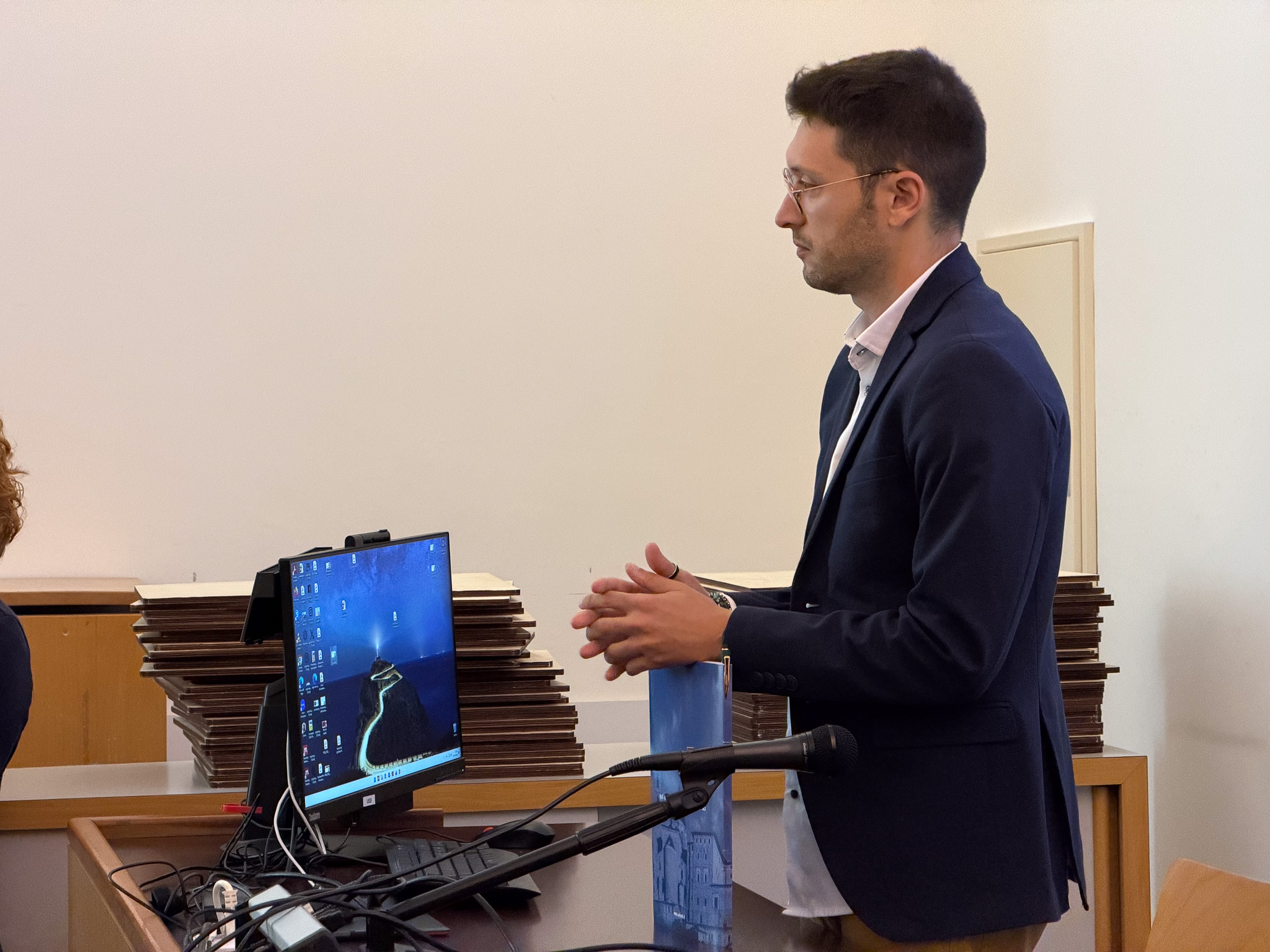
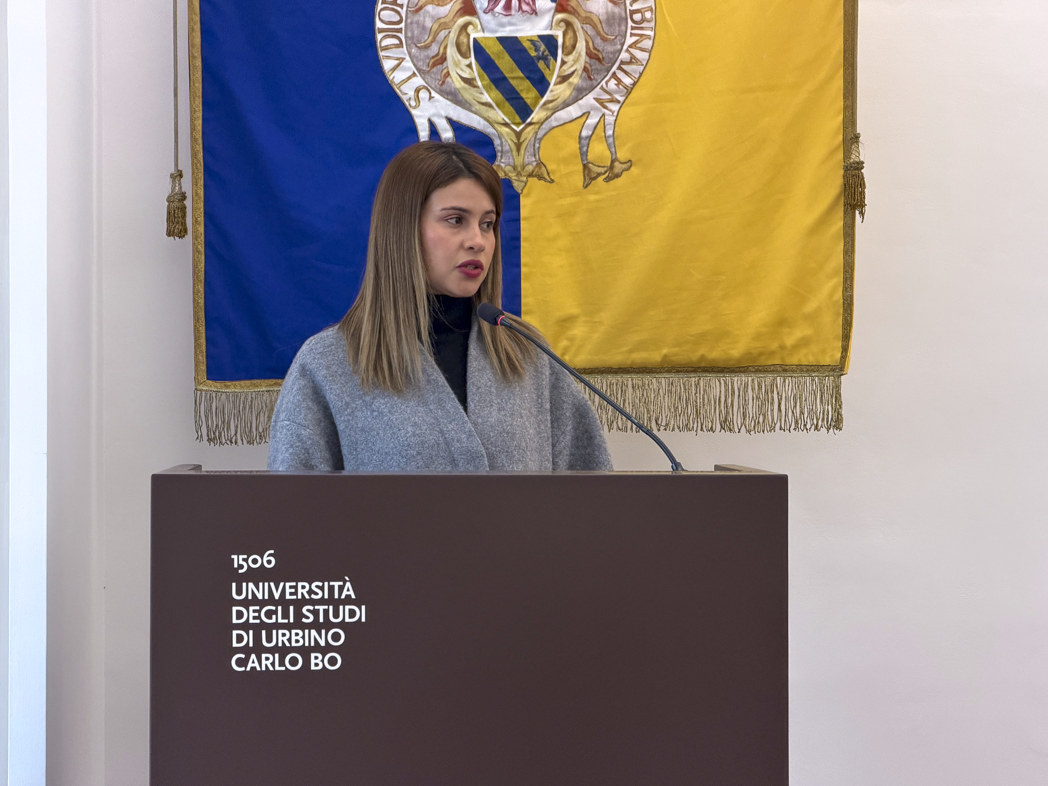
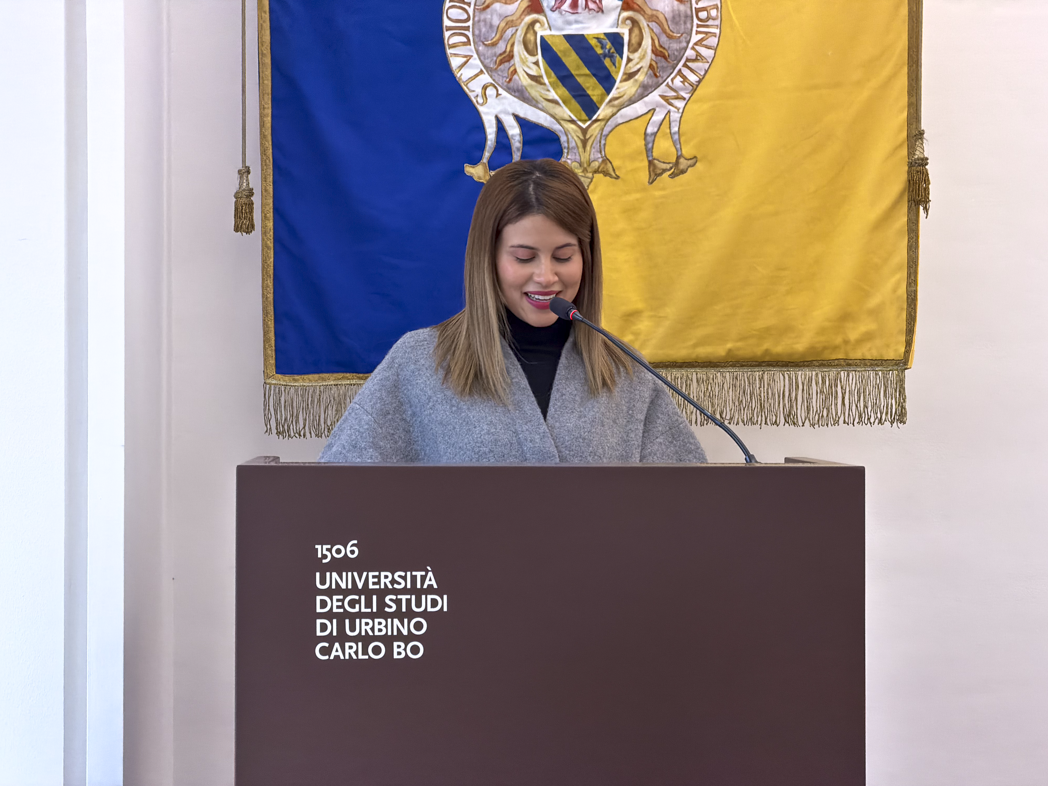
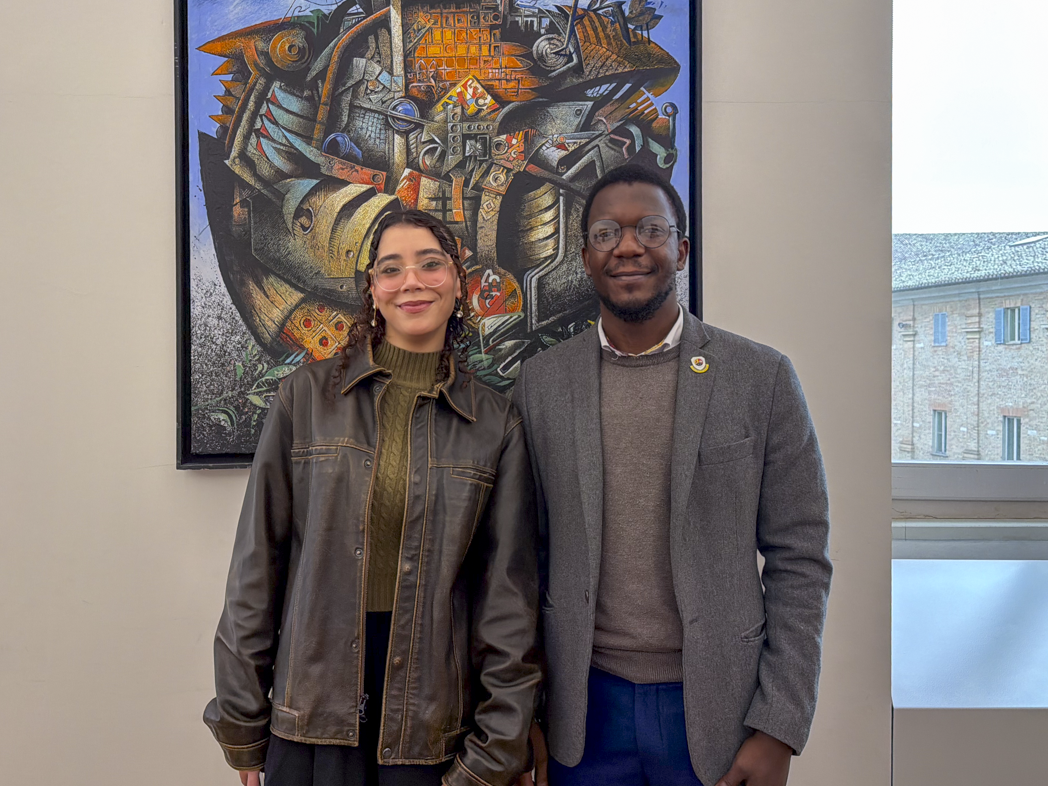
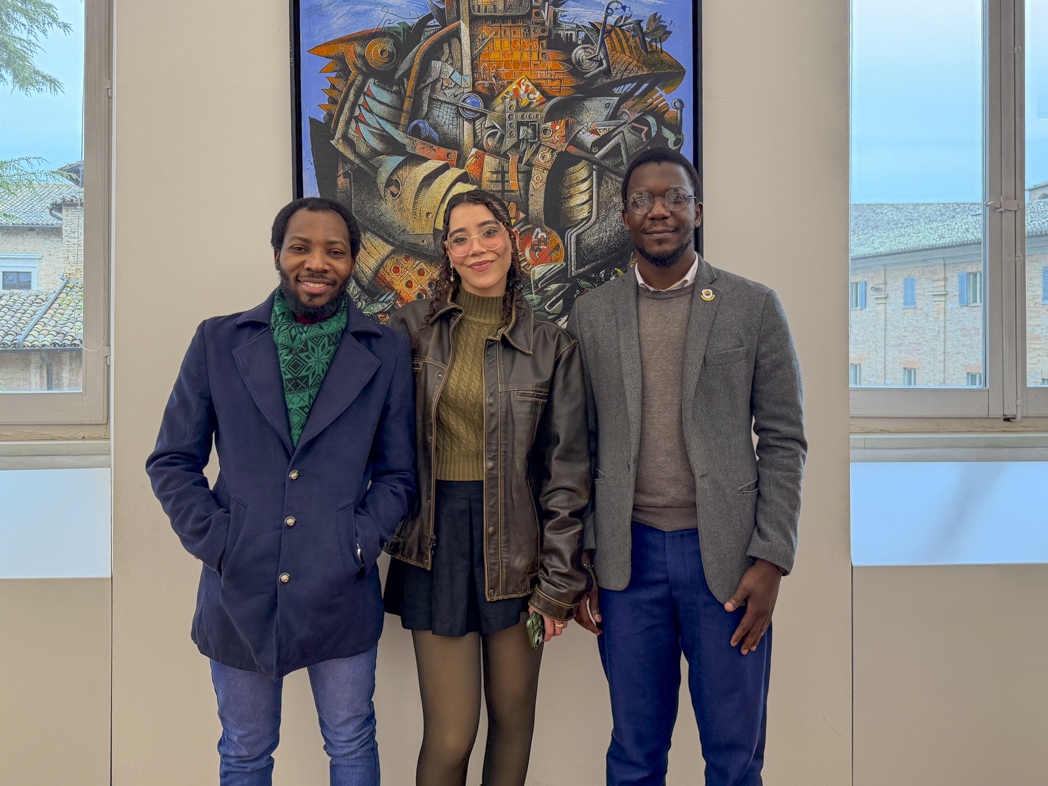
Particularly significant were the interventions of some students, who shared their experience at Uniurb, encapsulating in short testimonies the journey carried out within the Itaca Project.

The ceremony concluded with the awarding of certificates, in an atmosphere of participation and recognition of the commitment demonstrated by all participants.

First Lesson – Winter School “The effects of digitalization on globalization and cross-cultural processes”

The first lesson of the Winter School introduces participants from the ITACA project to the key transformations driven by digitalization in globalization and cross-cultural communication. The program provides students with a multidisciplinary overview of how digital tools, AI, and online platforms reshape economic relations, international marketing, and intercultural interactions. Through an applied and forward-looking approach, ITACA students gain foundational insights that prepare them to understand and navigate global digital dynamics throughout the rest of the course.

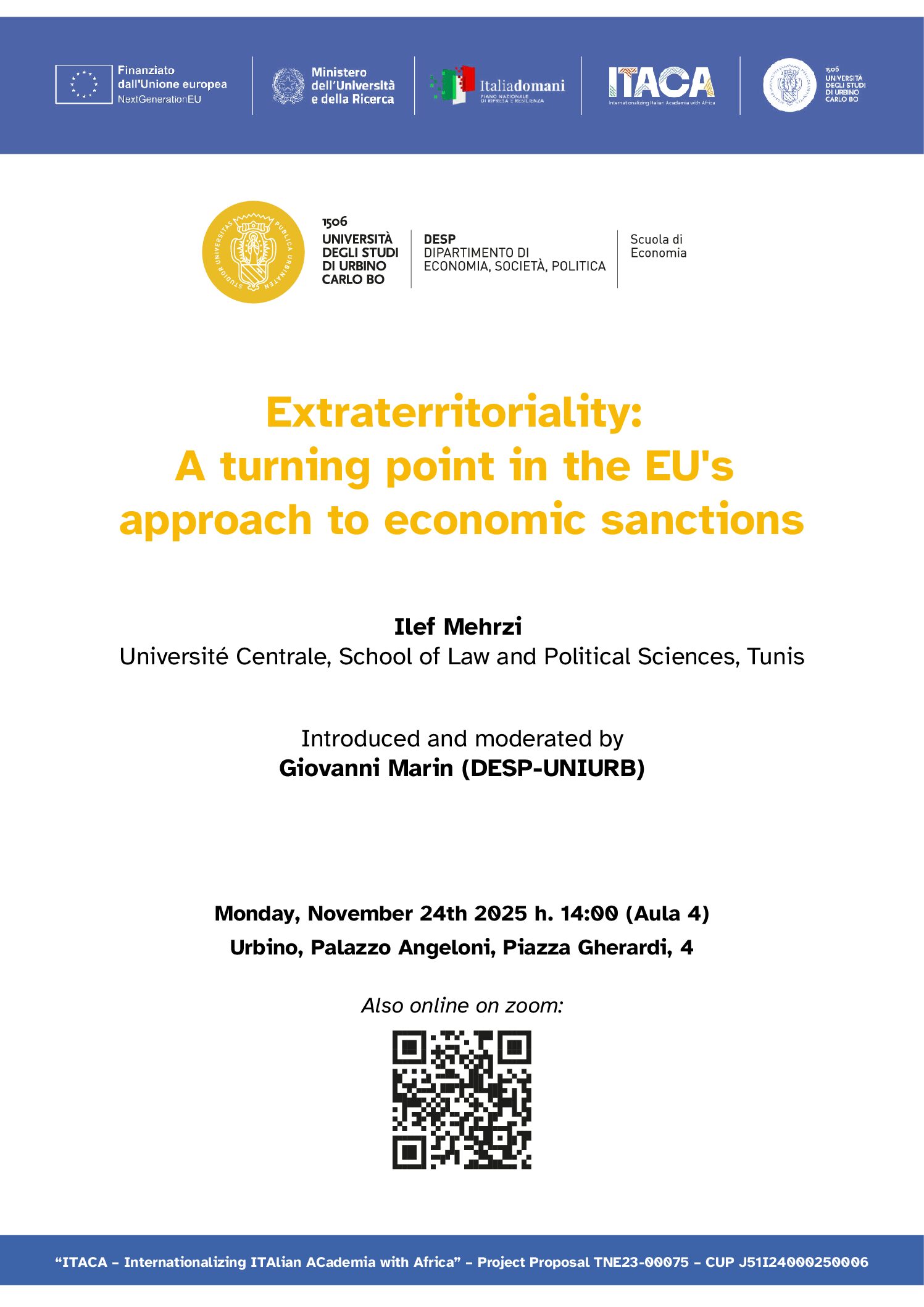
Seminar – Extraterritoriality: a turning point in the EU’s economic sanctions policy?

This presentation examines the growing role of extraterritoriality in the European Union’s sanctions policy, marking a significant departure from its traditional approach. Historically, the EU avoided extraterritorial measures, favoring targeted and proportionate sanctions within its jurisdiction. However, the Russian invasion of Ukraine triggered a paradigm shift: recent packages introduced “ancillary listings” and contractual cascading, compelling foreign operators to comply with EU sanctions beyond EU borders. The discussion explores the conceptual framework of extraterritoriality, contrasts EU and U.S. practices, and assesses the legal and normative implications under international law, including challenges to sovereignty and the principle of non-intervention. By analyzing case studies and enforcement mechanisms, the presentation highlights how extraterritorial sanctions reshape global economic governance and raise questions about legitimacy, effectiveness, and unintended consequences. Ultimately, it argues that this shift represents a turning point in EU foreign policy, with profound strategic and legal ramifications.