Dec 16, 2025 | Events, ISP General Events
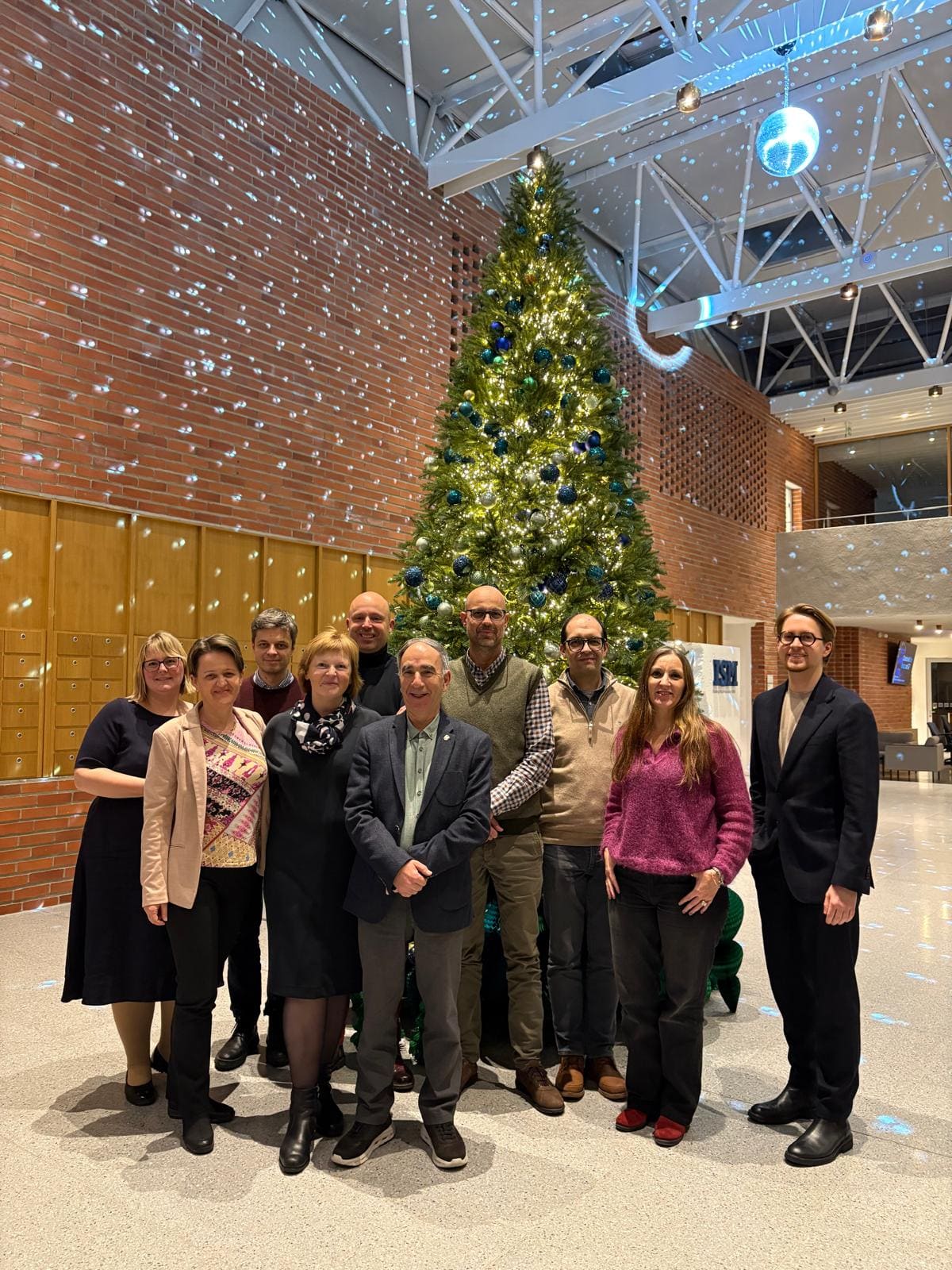
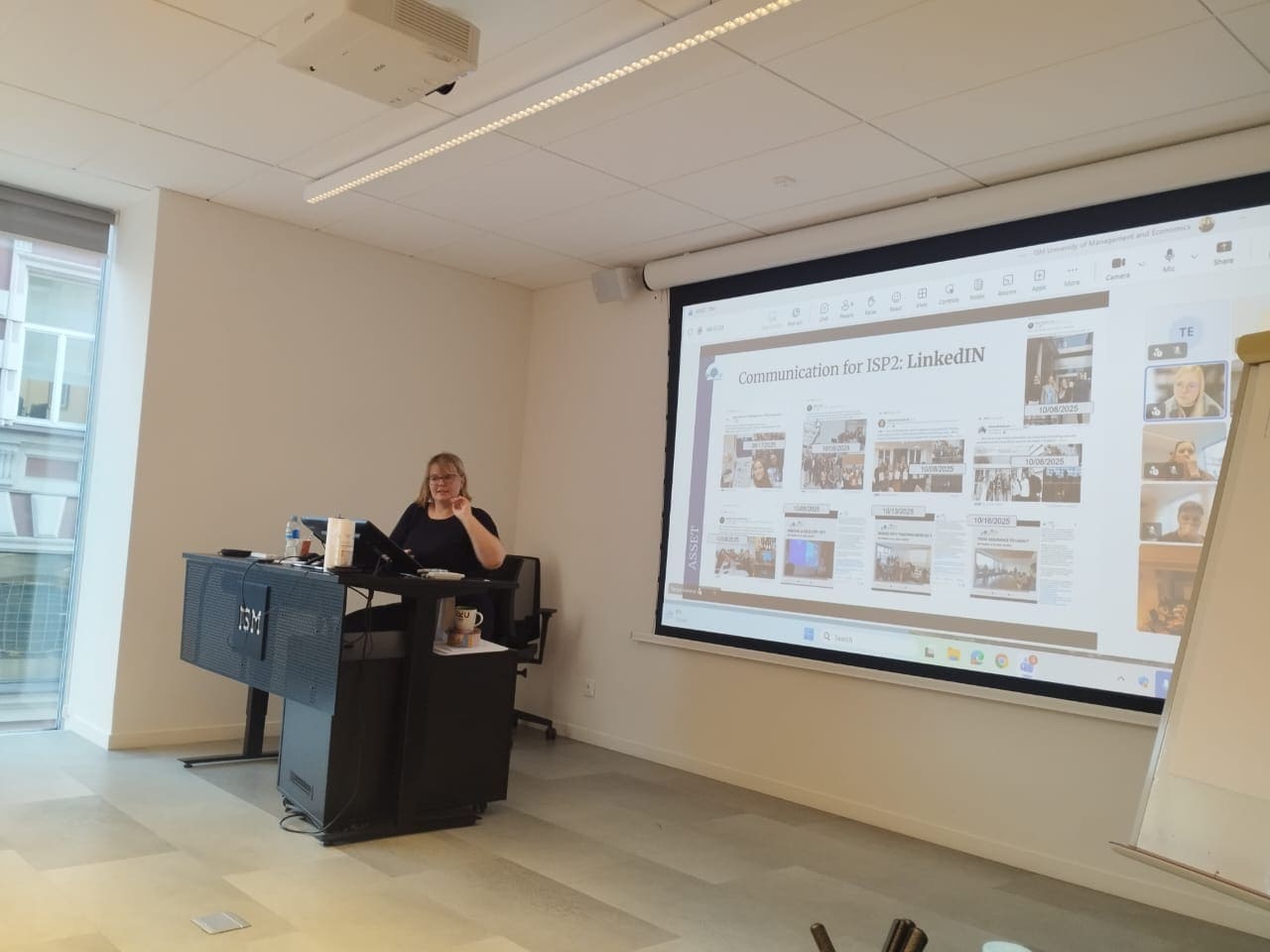
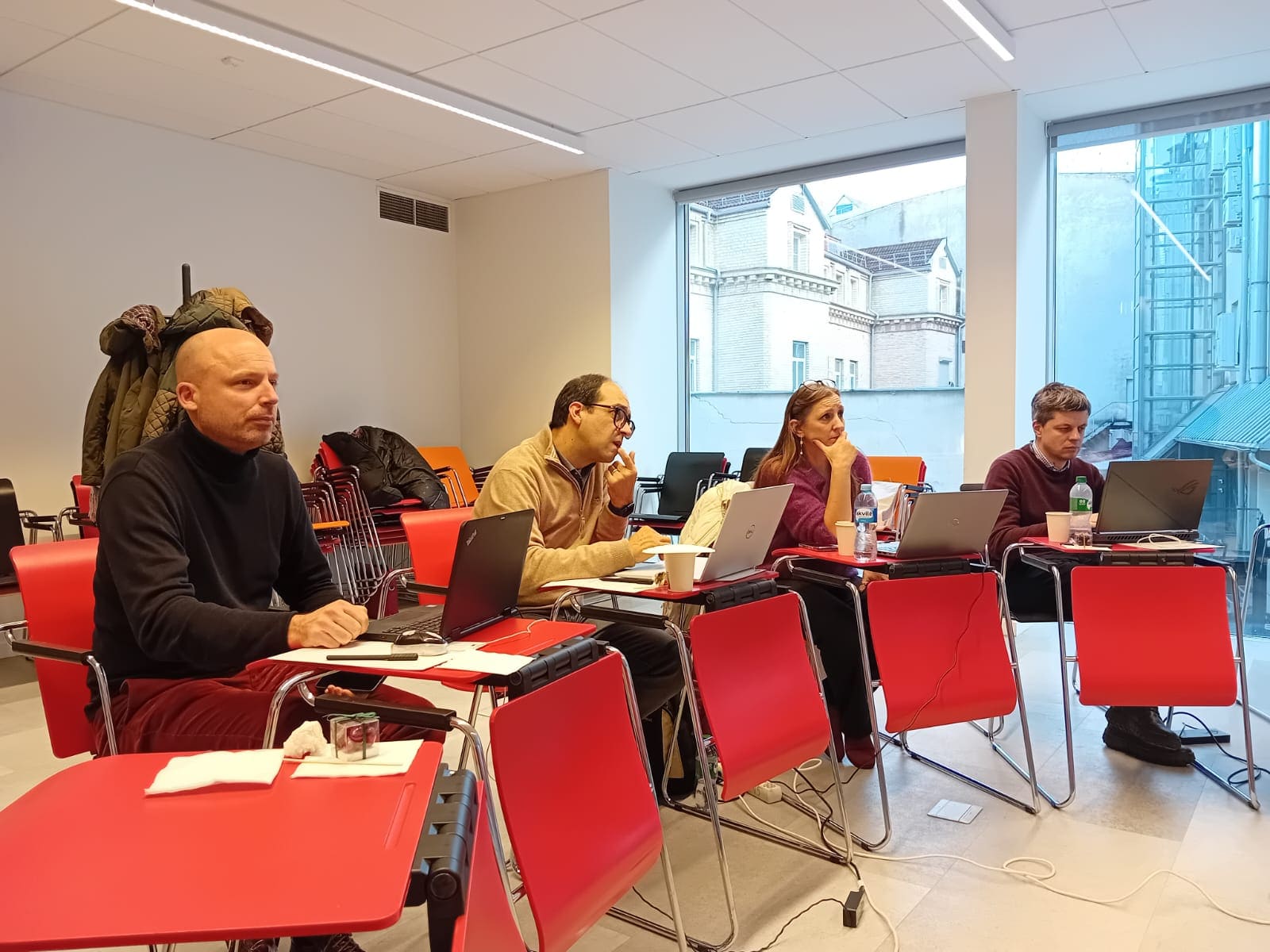
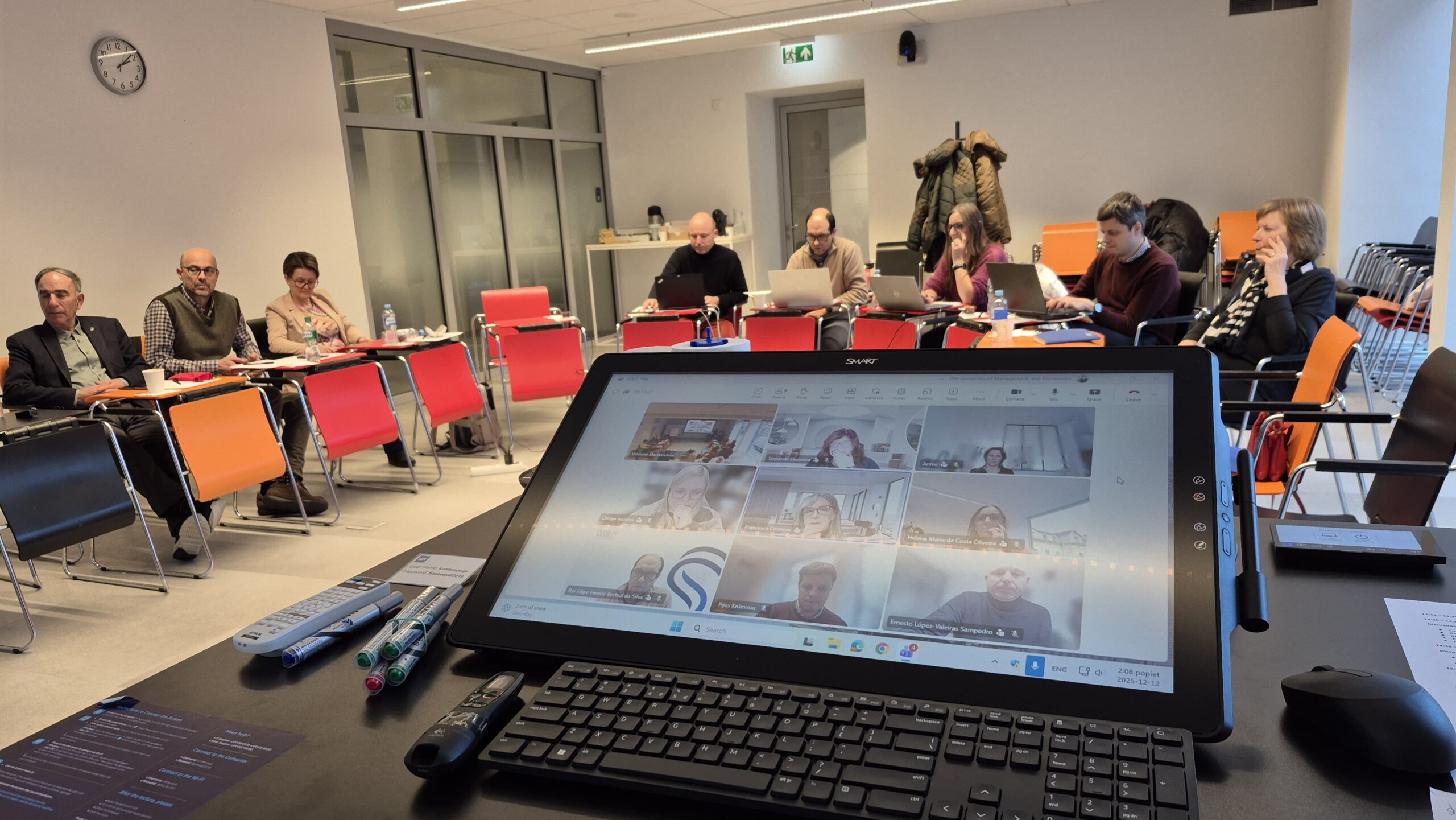
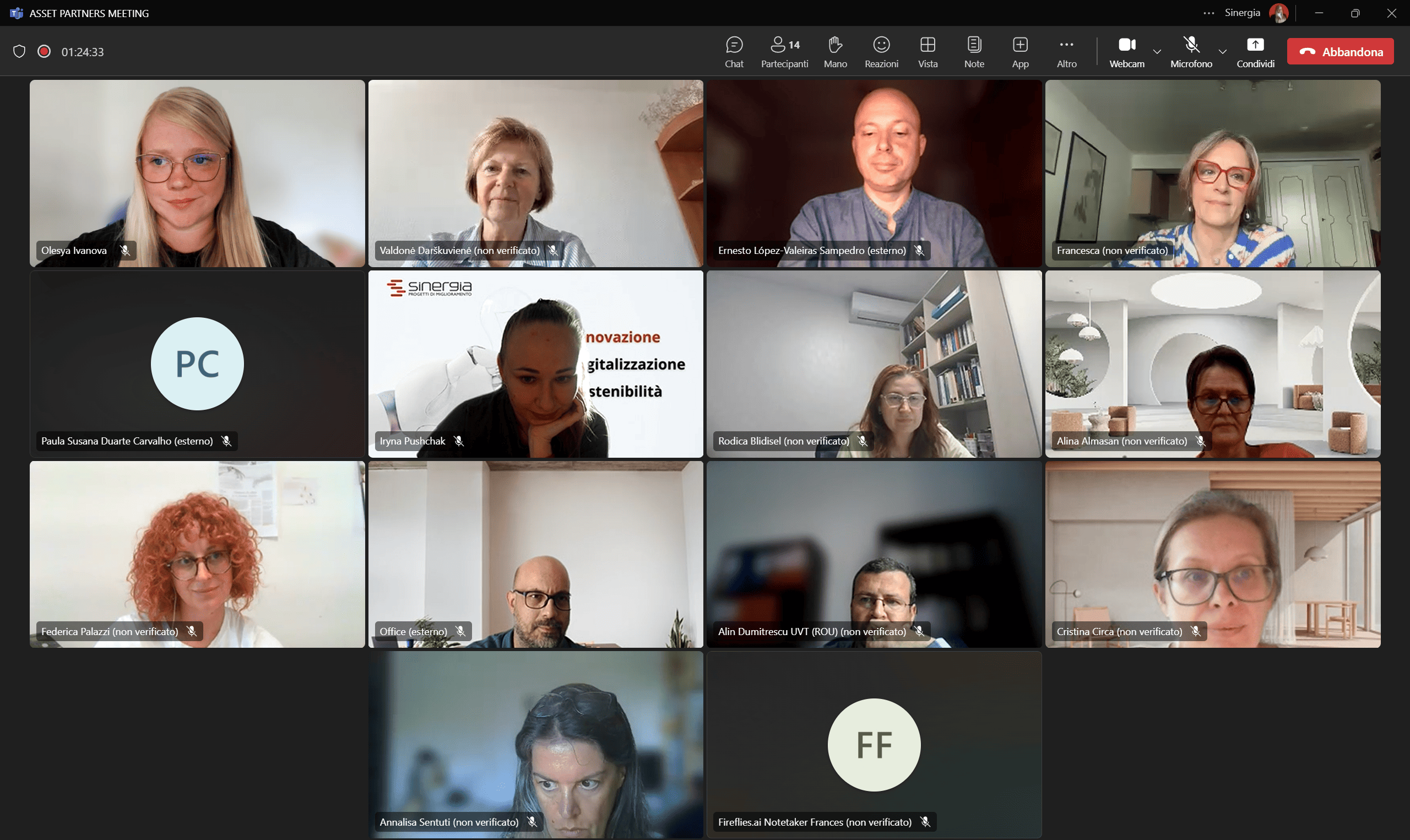
We are pleased to share highlights from the ASSET Transnational Project Meeting held in Vilnius, Lithuania from 11–13 December 🇱🇹. Hosted by ISM University of Management and Economics and expertly organized by Valdone Darskuviene, the three-day meeting brought together our international consortium of partners working to embed sustainability into university accounting programs.
The sessions were chaired by Francesca Cesaroni from the University of Urbino, whose leadership helped guide productive discussions and strategic planning. Throughout the meeting, partners reviewed project progress, refined key activities, and moved forward with preparations for the next major milestone.
We are excited to announce that the ISP dates are confirmed: 13–19 September 2026 📅. This cross-institutional educational initiative brings together students and academics from our partner universities to explore innovative teaching modules on sustainability, ESG reporting, sustainability management accounting, assurance, and strategic decisionmaking—key areas at the heart of ASSET’s mission.
The collaboration across teams in Vilnius was both inspiring and productive, reinforcing our shared commitment to advancing sustainability literacy and transformative pedagogy within accounting education. The lively exchanges and joint planning sessions have set a strong pace as we approach the ISP and continue shaping impactful project outcomes.
A heartfelt thanks to our hosts at ISM University and to all partners for their dedication and engagement. We look forward to continuing this momentum and reconnecting at our next Transnational Project Meeting in April in Vigo, Spain.
Oct 30, 2025 | ISP 2, News
Over the past weeks, the second Intensive Study Program (ISP 2) under the ASSET (Accounting for Sustainability, Social and Environmental Transparency) initiative has drawn to a close — and what an inspiring journey it has been. For those unfamiliar, the ASSET project, coordinated by the University of Urbino and its European partners, aims to embed sustainability deeply into the curricula of accounting, auditing, and related fields.
Here are some highlights and reflections—as shared by the students—that show not only what was learned, but also why this kind of programme matters more than ever.
What is ASSET, and what ISP 2 aims for
Before diving into the feedback, a quick recap:
- The ASSET project responds to growing global demands—from regulators, markets, and society—for accountants to not only understand financial flows, but also environmental, social, and governance (ESG) dimensions.
project.uniurb.it
- Traditional vocational‑technical teaching methods are being enriched (or replaced) with more interactive, experiential, reflective pedagogies: case studies, role playing, debates, peer feedback, etc.
project.uniurb.it
- Within each ISP, students engage in modules such as ESG reporting, sustainability assurance, management accounting within sustainability, taxation + strategic decision making.
ISP 2 continued this tradition—with even more opportunities for collaboration, cross‑border learning, and hands‑on practice.
What Students tell us
Here are some of the most powerful themes from student feedback. These voices underscore what is working, and where the educational experience is transforming mindsets.
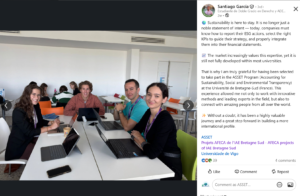
1. Sustainability is no longer just a buzzword—it’s foundational.
“Sustainability is here to stay. It is no longer just a noble statement of intent — today, companies must know how to report their ESG actions…” — Santiago García.
This captures the shift many students feel: sustainability is increasingly central to business, accounting, auditing—not optional, but essential.
2. Learning by doing, with global perspectives, makes the difference.
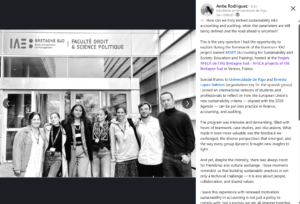
Students appreciated the diversity of peers and academic perspectives. The case studies, debates, and teamwork with people from different cultural and disciplinary backgrounds expanded not only their technical understanding but also their sense of possibilities. Antía Rodríguez says:
“…it was about teamwork, case studies, and discussions. What made it even more valuable was the feedback we exchanged, the diverse perspectives…”
3. Challenge fosters growth.
The program was “intensive and demanding” — in positive ways. Tight deadlines, difficult technical content, and the need to communicate complex ideas in English under real pressure pushed many students beyond their comfort zones. But that challenge seems to have translated into confidence, resilience, and clearer vision for their future roles.
4. Beyond technique: people, values, and collaboration matter.
It wasn’t just about learning new accounting tools or reading ESG reports. Many students emphasized how much the human element—the friendships, the cultural exchange, the shared values—added to their learning. As one put it, the project underscored that embedding sustainability isn’t only a technical task, but also a deeply social one.
5. Motivation & sense of purpose renewed.
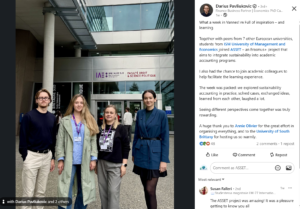
Several students expressed that completing ISP 2 left them with not just new knowledge, but renewed motivation. To pursue careers where sustainability is integrated into decision-making; to push for change; to ask bold questions. Darius Pavliukovic summed it up:
“Seeing different perspectives come together was truly rewarding…”
Why This Matters—not just for Students
- For universities: ISP 2 shows that sustainability‐oriented education, when done interactively and cross‑culturally, resonates. It’s not just about adding a module on ESG, but transforming methods and mindsets.
- For employers & society: Graduates leave not only with theoretical knowledge, but with experience in grappling with real questions—how to assure ESG information, how to integrate reporting and strategic decision-making, how to act ethically when frameworks are still evolving.
- For policy: Students’ demand for clarity (on ESG assurance standards, on sustainable reporting regulation) reflects broader societal demand for regulation, transparency, and accountability.
Moving Forward
As the ASSET project continues, here are some takeaways to carry forward:
- Keep enhancing interactivity and experiential learning—it clearly makes a difference.
- Maintain diversity of perspectives—geographic, academic, cultural—to push students to think beyond common frameworks.
- Provide space for reflection—not just on “what we learned,” but “how we see our role.”
Intensify connection with real‑world practice: stakeholders, regulation, companies.
Final Thoughts
The conclusion of ISP 2 isn’t really an end—it’s a launching pad. From the feedback of students like Santiago, Antía, Darius and others, it’s clear that programs like ASSET are helping build a new generation of accounting professionals. Professionals who understand that in the 21st century, numbers count—but the context, values, and impact behind them matter just as much.
If you’re reading this as an educator, employer, or policymaker—listen to the students. They are helping sketch the blueprint for an accounting profession rooted in sustainability, purpose, and societal contribution. And that blueprint deserves to be built.
Thanks for reading. I’d be interested to hear your thoughts: how should sustainability reshape professional education in accounting? What works well – or doesn’t – in your experience? Tell us on LinkedIn!
Oct 8, 2025 | ISP 2
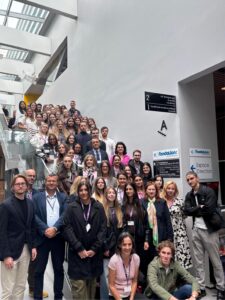
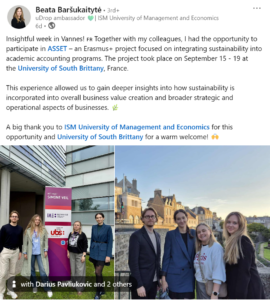
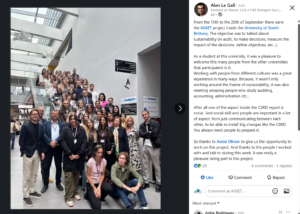
From September 14–19, 2025, the coastal city of Vannes, France, hosted the second Intensive Study Program (ISP) of the ASSET Project – Accounting for Sustainability, Social and Environmental Transparency, bringing together students and academic staff from eight European universities for a week of intercultural learning and academic exchange.
A Multinational Gathering
The event, organized at Université de Bretagne Sud (UBS), marked a significant step in the ASSET project, co-funded by the Erasmus+ Programme. Participants from Austria, France, Greece, Italy, Lithuania, Portugal, Romania, and Spain took part in an intensive, hands-on exploration of sustainability topics in accounting and business.
After a warm welcome dinner at the iconic Brasserie Saint Vincent, the ISP officially kicked off with an opening session featuring:
- Prof. Yolande Piris, Director of IAE (UBS)
- Prof. Sabine Graschitz, President of the AFECA Network
- Dr. Francesca Maria Cesaroni, ASSET Project Leader
Students also delivered engaging country presentations, showcasing the diverse backgrounds and approaches to sustainability across Europe.
Learning through Teaching Modules
Throughout the week, students participated in four interdisciplinary teaching modules, designed to build a comprehensive understanding of sustainability in accounting:
TM1: Disclosing Business Value through Sustainability and ESG Reporting
This module explored corporate sustainability reporting through real-world case studies and hands-on assessments. Students applied scoring systems to evaluate transparency and compliance with current EU regulations such as NFRD and CSRD.
TM2: Providing Assurance on Sustainability Reports
Focusing on assurance practices, this module used the fictional company “4-Airlines” as a case study to simulate the audit process of non-financial disclosures — a critical skill in today’s evolving regulatory context.
TM3: Sustainability Management Accounting
In this module, students learned how internal accounting systems can support sustainable business decisions, analyzing costs, impacts, and strategies for long-term value creation.
TM4: Sustainability, Taxation and Strategic Decision-Making
The final module tackled the intersection between sustainability and taxation, encouraging students to think critically about policy, ethical taxation, and the role of fiscal systems in driving sustainable outcomes.
More Than Just Lectures
Beyond the classroom, the ISP included a guided tour of the historic center of Vannes, cultural events, and collaborative dinners that helped foster international friendships and networks.
A special moment during the week was the presentation of the book Modern History of Accounting in Europe, co-authored by scholars from the countries participating in the ASSET project and members of the AFECA association. Recently published, the volume is dedicated to Lucien Jaffré, founder of AFECA. The presentation took place in the presence of Mrs. Madeleine Jaffré, as a tribute to his legacy. This emotional tribute underscored the importance of preserving accounting’s historical legacy while shaping its sustainable future.
Looking Ahead
As the ISP concluded with the presentation of certificates and a gala dinner, the ASSET team looks forward to the next phases of the project — including upcoming teaching events, dissemination activities, and the creation of open educational resources.
The experience in Vannes reinforced the core values of ASSET:
collaboration, innovation, and a shared European commitment to a more transparent and sustainable future!
Jul 21, 2025 | ISP 1
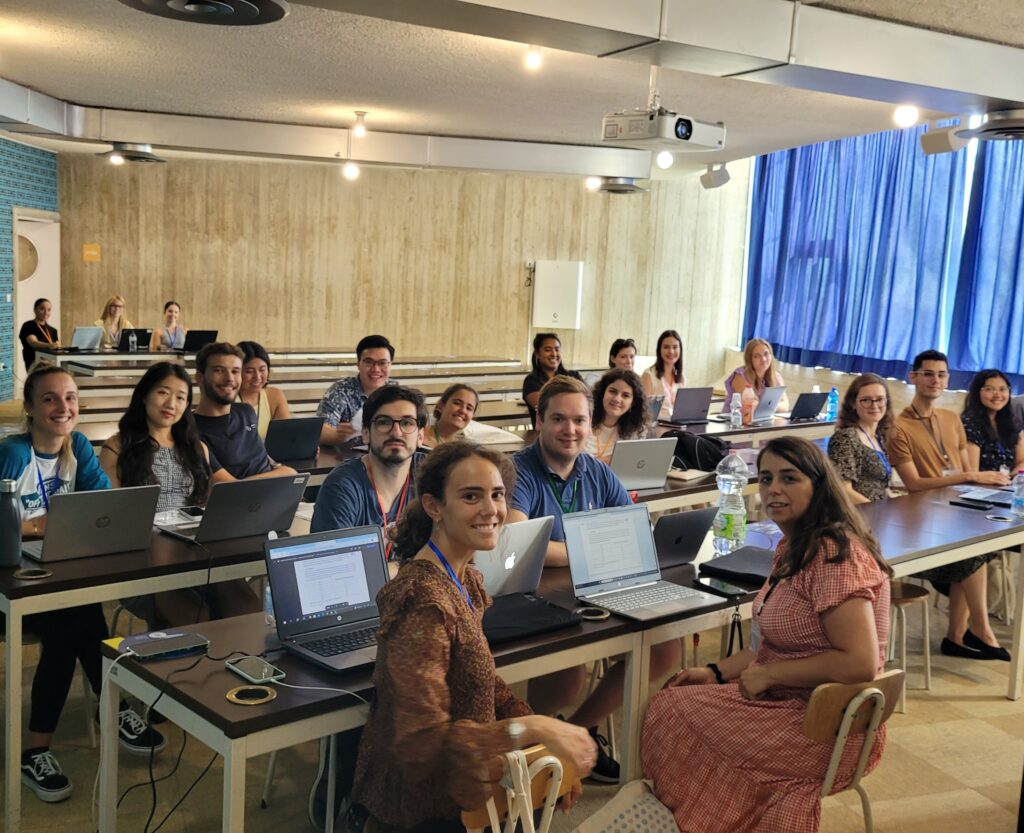
Our ASSET Sustainability Assurance Team – Oana Bogdan, Alin Dumitrescu, Cristina Circa, and Sabine Graschitz from the West University of Timisoara and the Johannes-Kepler University Linz – is hard at work revising the ASSET Case Study on Sustainability Assurance. 🚀
Why? To address the latest challenges brought by the Omnibus Package 📜, which is set to significantly impact sustainability assurance practices. By keeping our case study up to date, we’re equipping students with the skills they need to tackle real-world challenges through participation in an International Study Program (ISP). 🎓🌟
But that’s not all! Beyond the ISP, our case study has been successfully integrated into regular courses at the University of Innsbruck and WU Wien. 🏫✨
A big thank you to Julia Baldauf and Jacqueline Strakova for their invaluable feedback and engagement in refining and improving our case study. 🙌 Your contributions are helping us shape the future of sustainability assurance education! 💡
#Sustainability #Education #Collaboration #Innovation #ASSET #SustainabilityAssurance #Omnibus Package #Teamwork #JKU 💚

Recent Comments